
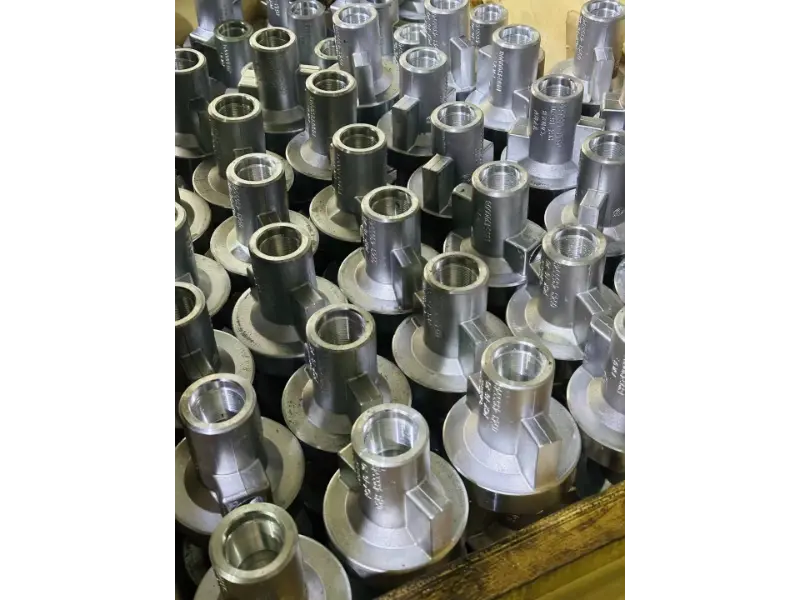
What Is Gravity Die Casting?
Gravity die casting is a permanent mold casting process where molten metal is poured into a reusable steel or cast iron mold using gravity rather than external pressure. Unlike high-pressure die casting, this technique does not rely on hydraulic or pneumatic injection, making it simpler, more cost-effective, and suitable for producing parts with moderate complexity. In this process, molten metal naturally flows from the top into the mold cavity, filling it completely before solidifying into the final shape. The permanent molds allow repeated use while maintaining dimensional accuracy and consistent surface quality, making the method ideal for projects with production volumes ranging from a few hundred to tens of thousands of units per year.
Gravity die casting is commonly used for aluminum, zinc, and copper alloy parts that require a balance of strength, precision, and cost efficiency. Compared with high-pressure die casting, it reduces the risk of porosity and lowers overall manufacturing costs due to simpler molds and slower metal flow. Its relatively straightforward setup allows implementation even in traditional foundry environments, making it a versatile option for medium-volume production. Overall, gravity die casting offers a practical solution for producing metal components with consistent quality, moderate dimensional accuracy, and efficient manufacturing cycles, while providing advantages such as reduced tooling costs, reusable molds, and reliable structural integrity.
What Is the Gravity Die Casting Process and How Is It Performed?
Preheating the Die
In the gravity die casting process, the specially designed permanent mold is preheated to over 150°C before metal pouring. This preheating step ensures the molten metal flows evenly into the cavity and solidifies uniformly, reducing thermal shock and enhancing the lifespan of the mold.
Mold Preparation: Lubrication and Core Placement
Before introducing the molten metal, manufacturers often coat the mold cavity with a release agent or lubricant to prevent the cast part from adhering to the mold surfaces. When complex shapes are required, they insert a metal or sand core into the cavity at this stage, allowing for intricate geometries and greater design flexibility.
Gravity-Assisted Pouring
After the mold halves are clamped together, molten metal—commonly aluminum, copper, magnesium, or zinc alloys—is poured into the cavity under the influence of gravity. The metal gently fills the mold, capturing fine details while minimizing air entrapment and turbulence. Using hardened steel molds accelerates cooling and solidification, producing strong, ductile parts with a uniform microstructure.
Solidification of the Metal
Once poured, the molten metal begins to cool. Solidification starts at the contact points with the cooler mold surfaces and progresses inward. Preheating the mold helps maintain uniform cooling and solidification rates, preventing premature solidification in thin sections that could block metal flow. Solidification time varies depending on the metal type, part design, and mold mass.
Ejection and Post-Processing
When the metal has fully solidified, the mold is opened, and the casting is removed. The release agent ensures easy part ejection with minimal risk of damage. Depending on the application, the part may undergo machining or other finishing processes, such as trimming, cutting, or boring, to achieve precise dimensions, smooth surfaces, and tolerance compliance.
Key Steps in the Gravity Die Casting Process
- Mold Design and Preheating– Constructed from durable materials like steel or iron, permanent molds are preheated to enhance metal flow and reduce thermal stress.
- Metal Melting– Alloys such as aluminum, copper, magnesium, or zinc are melted at controlled temperatures for optimal fluidity.
- Pouring– The molten metal is poured under gravity into the mold cavity, filling it completely while minimizing turbulence and air pockets.
- Cooling and Solidification– The casting cools gradually, forming a dense, defect-free structure.
- Ejection and Finishing– The solidified component is removed and may undergo machining or surface finishing to meet final specifications.
Additional Notes on Production Efficiency
The duration of the gravity die casting process depends on factors like material selection, part complexity, and mold size. Simple castings can be completed in minutes, while larger or intricate components may require hours. Strategic control of pouring, cooling, and solidification ensures high-quality castings while balancing production speed and precision.
What Materials Are Suitable for Gravity Die Casting Applications?
Overview of Material Selection
The choice of materials for gravity die casting is crucial for ensuring dimensional accuracy, surface quality, and mechanical performance. Metals with lower melting points are generally preferred because they enhance process efficiency, extend mold life, and improve operational safety. Commonly used casting materials include aluminum, magnesium, copper, zinc, and iron, each offering unique advantages depending on application requirements.
Aluminum Alloys
Aluminum alloys are the most widely used materials in gravity die casting due to their low melting point, excellent fluidity, and favorable mechanical properties. They allow the production of lightweight yet strong components suitable for automotive parts, aerospace structures, consumer electronics, and industrial machinery. Their cost-effectiveness and adaptability make aluminium gravity die casting a go-to method across multiple industries.
Magnesium and Magnesium Alloys
Magnesium alloys are valued for their high strength-to-weight ratio and low density, making them ideal for applications where weight reduction is critical, such as in automotive and aerospace components. They provide robust mechanical performance while maintaining low mass. Due to their high flammability when molten, special precautions—like flux use or inert atmospheres—are necessary to ensure safe handling during the gravity casting process.
Copper and Copper Alloys
Copper alloys are employed when excellent electrical or thermal conductivity is required. Common applications include bus bars, electrical connectors, and thermal components. Their higher melting points demand precise control of pouring temperature and mold conditions to achieve defect-free castings with stable mechanical properties.
Zinc and Zinc Alloys
Zinc alloys, such as ZAMAK, are popular in gravity die casting for their low melting temperature, good flow characteristics, and ability to reproduce fine mold details. They are widely used in consumer electronics, decorative hardware, and automotive components. Zinc’s natural surface finish quality reduces post-processing, making it efficient for medium-to-high volume production.
Cast Iron
Cast irons offer benefits such as toughness, wear resistance, and vibration damping, making them suitable for heavy-duty applications. However, due to their high melting points and more complex casting requirements, cast iron is less commonly used in modern gravity die casting operations compared with aluminum, magnesium, and zinc.
Steel
Manufacturers can employ certain low-alloy steels with lower melting points for specific mechanical requirements, but they predominantly use steel for mold fabrication rather than for die-cast parts because of its high liquefaction temperature and strong thermal properties.
These materials ensure optimal casting performance, maintain high-quality output, and support the versatility of the gravity die casting process across various industrial applications.
What Are the Common Types of Gravity Cast Metals Used in Industry?
Manufacturers select different metals and alloys for gravity die casting based on required mechanical properties, cost considerations, and application scenarios. Each material category offers distinct advantages in terms of strength, weight, and corrosion resistance.
Cast Iron Gravity Casting
Cast iron is frequently used in gravity die casting due to its excellent wear resistance and strength. It is well-suited for components that require durability under heavy loads and long-term mechanical stability.
Aluminum Alloy Gravity Casting
Aluminum alloy gravity casting is widely applied where lightweight properties and good corrosion resistance are required. It is commonly selected for parts that need a balance between strength and reduced weight.
Zinc Alloy Gravity Casting
Zinc alloy gravity casting offers good fluidity during filling and enables the production of detailed and complex shapes. It is often used for small to medium-sized components requiring stable dimensional performance.
Copper Alloy Gravity Casting
Copper alloy gravity casting is valued for its excellent electrical and thermal conductivity. It is typically used in applications where performance under heat or conductivity requirements is critical.
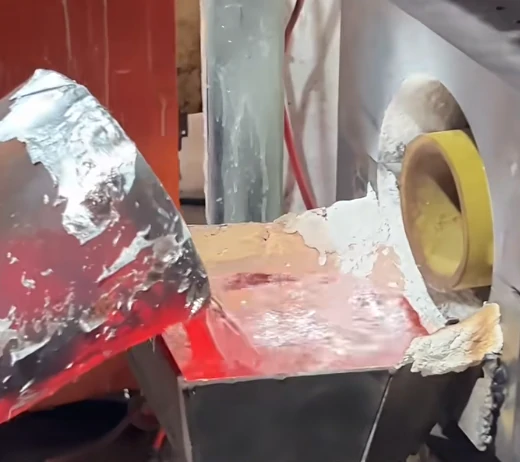
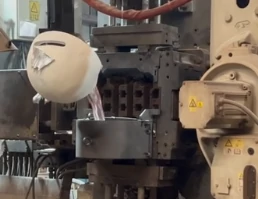
What Types of Molds Are Used in Gravity Casting Processes?
In gravity casting, the selection of mold type plays a key role in determining production efficiency, surface quality, and overall part consistency. The two main categories of gravity casting molds include permanent molds and sand molds.
Permanent Molds
Permanent molds are designed for repeated use and are widely applied in gravity die casting processes. They help maintain strong dimensional consistency, improve repeatability, and support shorter cycle times, making them suitable for medium to high production runs where stability and efficiency are important.
Sand Molds
Sand molds are commonly used when producing components with complex geometries, customized shapes, or when production volumes are relatively low. They are especially useful for designs that require flexible mold modification or detailed structural features that are less practical for permanent tooling systems.
What Is the Gravity Casting Category and How Is It Classified?
Gravity casting processes can be categorized into several mold and pouring system types, each designed to meet different production requirements, surface quality expectations, and structural demands. The main classifications include sand core gravity casting, metal mold gravity casting, and lost mold (disappearing mold) gravity casting.
Sand Core Gravity Casting
Sand core gravity casting uses molds formed with coated sand, which can be further divided based on binding methods into different types such as:
dry sand、wet sand、chemically bonded sand
This category of gravity casting is flexible and cost-efficient, making it suitable for producing parts with varied structural complexity, especially where mold adaptability is required.
Metal Mold Gravity Casting
Metal mold gravity casting utilizes durable molds made from steel, ductile iron, or hot-worked steel. Compared with sand-based methods, this type of gravity casting provides improved surface finish, higher dimensional accuracy, and more consistent appearance quality.
Based on different pouring orientations, metal mold gravity casting can be further divided into:
- Tilting Gravity Die Casting
- Vertical Gravity Die Casting
Tilting Gravity Die Casting
In tilting gravity die casting, the mold starts in a horizontal or inclined position and gradually rotates to a vertical angle during pouring. Molten metal flows into the cavity under gravity, following the controlled tilting movement.
This process helps improve air evacuation, reducing trapped gas and minimizing casting defects. In addition, the mechanized tilting motion supports a higher degree of automation in production.
Vertical Gravity Die Casting
Vertical gravity die casting involves pouring molten metal from the top into a vertically positioned mold, allowing the metal to fill the cavity entirely under gravity force.
This traditional gravity casting method offers relatively lower mold costs and efficient production cycles. However, due to the vertical filling direction, it may increase the risk of gas entrapment and related casting imperfections if process control is not well optimized.
What Are the Advantages of Gravity Die Casting Products in Manufacturing?
Smoother Surface Quality Compared to Other Processes
One of the most noticeable benefits of gravity die casting is the ability to achieve a naturally smoother surface finish on finished components. Compared with alternative casting techniques, the controlled mold filling process reduces surface irregularities and improves overall appearance. While investment casting can deliver even finer surface quality, it usually involves longer production cycles, which may not be practical for projects requiring faster turnaround.
Improved Casting Integrity Through Rapid Venting
During the filling stage of the gravity die casting process, molten metal flows steadily into the cavity, allowing gases to escape more easily. This rapid venting effect reduces trapped air and significantly lowers the risk of internal defects. At the same time, the slower and controlled pouring behavior helps prevent metal folding and turbulence, supporting better structural consistency and improved casting integrity.
Greater Design Flexibility for Complex Components
Another advantage of gravity casting is its adaptability in producing geometrically complex parts. It supports a wide range of non-ferrous alloys, including aluminum, brass, zinc, magnesium, and Mazak, enabling manufacturers to design components with intricate shapes and relatively thin wall sections. Although it is less suitable for high-melting-point materials, it remains highly effective for precision engineering applications requiring design freedom.
Efficient Material Utilization and Lower Waste
The gravity-driven filling method ensures the mold cavity is filled consistently, which helps reduce material overflow and unnecessary waste. This improves material efficiency and lowers production cost per part. Because the process promotes stable filling and controlled solidification, it also reduces the need for extensive secondary machining, further improving production efficiency.
Superior Surface Finish and Dimensional Accuracy
A key strength of gravity casting lies in its ability to deliver tight dimensional accuracy along with high-quality surface finish. The smooth mold filling reduces porosity and surface defects, resulting in cleaner cast surfaces. As a result, less post-processing is required, making it ideal for applications where both appearance and precision are important.
Cost-Effective Solution for Medium-Scale Production
Compared with many other casting methods, gravity die casting offers a balanced approach between cost and performance. The use of reusable permanent molds reduces tooling expenses over time, making it especially suitable for medium production volumes. It also provides a cost advantage over processes like pressure die casting when production quantities are not extremely high, helping manufacturers optimize both budget and output efficiency.
High Quality and Repeatability in Production
One of the core strengths of gravity casting is its stable and repeatable production performance. Once process parameters are established, it consistently produces parts with good surface finish, reliable dimensional accuracy, and controlled defect levels. This repeatability makes it suitable for long-term manufacturing programs where consistency is critical.
Material Versatility and Lightweight Alloy Applications
This process supports a broad range of materials, including aluminum, copper, zinc, magnesium, and bronze alloys. Among them, aluminum gravity casting is especially widely used due to its lightweight nature, corrosion resistance, and mechanical strength. It is commonly applied in industries that require durable yet lightweight components, such as automotive and industrial engineering.
Lower Scrap Rate and Stable Production Output
Compared to non-die casting methods, gravity die casting products generally produce less scrap once the process is stabilized. The controlled flow and solidification reduce defects such as porosity and shrinkage. This improves overall yield and supports more efficient large-scale production with consistent output quality.
Sustainability and Resource Efficiency
From a manufacturing perspective, gravity casting aligns well with sustainable production practices. The use of reusable molds reduces raw material consumption, while efficient melting and solidification cycles help lower energy usage. In particular, aluminum gravity die casting is considered environmentally favorable due to aluminum’s high recyclability, supporting greener manufacturing strategies.
Why Choose Aluminium Gravity Die Casting for Industrial Applications?
Optimized Casting for Quality and Performance
When selecting a casting process, key considerations include surface finish, dimensional accuracy, mechanical strength, and part complexity. Gravity die casting is particularly suited for medium-length production runs, offering a practical balance between cost and output. Compared with pressure die casting, it requires lower initial tooling investment while accommodating a wide variety of alloys, making it flexible for diverse manufacturing needs.
Versatility Across Industries
The aluminium gravity die casting process is widely applied in sectors requiring durable and precise components, including automotive, aerospace, and industrial machinery. It supports a broad range of casting materials such as aluminium alloys, brass, and copper, enabling the production of parts with excellent mechanical properties and consistent structural integrity.
Advantages of Aluminium in Gravity Die Casting
Aluminium gravity die casting is preferred for its combination of lightweight properties, high strength, and corrosion resistance, making it ideal for high-performance applications. Additional benefits include:
- Precision Engineering: Controlled mold filling and gravity-driven metal flowensure consistent dimensional accuracy and minimal defects.
- Cost Efficiency: Reusable permanent moldsand streamlined processes reduce per-unit costs, making it economical for medium-to-high volume runs.
- Environmental Sustainability: The lower melting point of aluminium alloysreduces energy consumption, while both metal and molds are recyclable, minimizing material waste.
Lightweight and Durable Performance
Aluminium’s favorable strength-to-weight ratio makes it suitable for components where weight reduction is critical, such as in automotive chassis, engine components, and aerospace parts. Its natural corrosion resistance ensures longevity even in demanding environments.
Eco-Friendly and Energy-Efficient Casting
Aluminium gravity die casting supports green manufacturing practices:
- Lower Energy Consumption: Aluminum melts at lower temperatures, cutting energy use.
- Recyclability: Both the metaland permanent molds can be reused multiple times.
- Waste Reduction: Accurate mold design minimizes excess material and reduces the need for extensive post-processing.
By combining aluminium’s lightweight and durable characteristics with the precision of gravity die casting, this method offers a cost-effective, high-quality solution for industries requiring reliable and sustainable components.
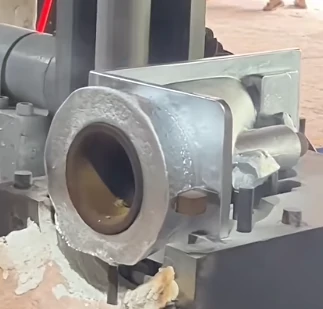
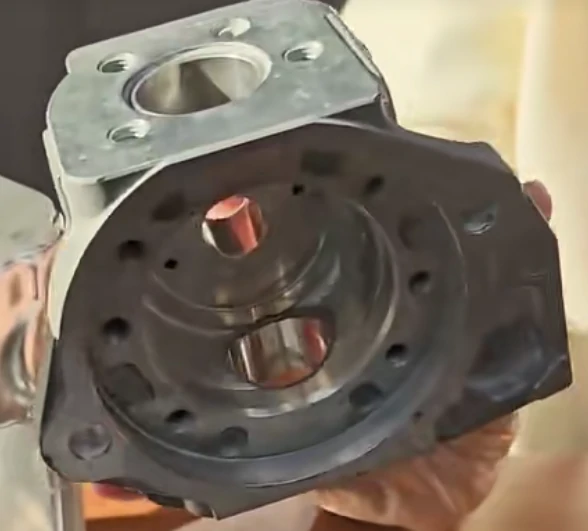
What Is the Importance of Gravity Die Casting in Modern Manufacturing?
The significance of gravity die casting in modern manufacturing stems from its ability to achieve moderate dimensional accuracy and maintain consistent results across multiple parts. By relying on gravity as the driving force instead of external pressure, this process can produce intricate components while consuming less energy than high-pressure casting.
Compared with other casting methods—including sand casting, low-pressure casting, high-pressure casting, and investment casting—gravity die casting presents distinct advantages. While sand casting is often limited to prototypes and small-scale runs, gravity die casting balances dimensional precision with higher production volume, typically accommodating requirements from 250 up to 50,000 units per year. The use of cast iron or steel molds enhances accuracy and cost efficiency, outperforming the wooden or resin patterns commonly employed in sand casting.
What Industries Use Gravity Die Casting and What Are the Applications?
Gravity casting is widely applied across multiple engineering fields due to its balance of accuracy, mechanical strength, and design flexibility. The process is especially valued where components must combine structural reliability with dimensional precision.
In sectors handling fluids and gases, it is commonly used to manufacture valve bodies and compressor components, where pressure resistance and sealing performance are critical. In high-performance industries, such as aerospace, it supports the production of parts that demand strict tolerance control and structural integrity under stress.
Outside heavy engineering, gravity die casting is also present in everyday applications. It contributes to the manufacturing of household hardware, including stove grates, covers, and functional metal fittings used in consumer environments.
Overall, gravity die-cast components are applied across almost all major industrial domains, including automotive, marine, defense, construction, electronics, machinery systems, and consumer equipment.
Automotive Industry
The Automotive Industry is one of the largest users of gravity die casting because it delivers strong, wear-resistant parts with consistent dimensional accuracy. Components produced through this method must withstand heat, vibration, and long-term mechanical stress.
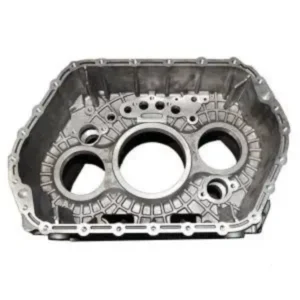
Typical applications include engine blocks, cylinder heads, wheel hubs, transmission housings, and structural brackets. These parts benefit from the process’s ability to produce stable geometry and improved surface finish, making it suitable for both performance and durability requirements.
Electrical and Electronics Industry
In the Electrical and Electronics Industry, gravity die casting is used where thermal management and conductivity are essential. Components must efficiently dissipate heat while maintaining structural integrity and precision fit.
Common examples include heat sinks, electronic enclosures, connector housings, and conductive component shells. These parts are often used in systems requiring stable performance and long service life, especially in compact electronic assemblies.
Marine Industry
The Marine Industry relies on gravity die casting due to its excellent corrosion resistance and strength in harsh environments. Components used in seawater conditions must endure continuous exposure to moisture, salt, and mechanical loading.
Typical marine applications include propellers, pump housings, engine components, and structural fittings. The process supports long-term durability, making it suitable for critical offshore and marine equipment.
Aerospace Industry
In the Aerospace Industry, gravity die casting is used for producing lightweight yet structurally strong components with complex geometries. Precision and material reliability are essential due to extreme operating conditions.
It is commonly used for gearbox housings, compressor components, structural brackets, and aircraft support parts. The method allows manufacturers to achieve a balance between weight reduction and mechanical strength, which is crucial for aerospace performance standards.
Medical Devices Industry
The Medical Devices Industry uses gravity die casting for components requiring high precision, clean surface finish, and dimensional stability. The process supports strict manufacturing requirements where safety and reliability are essential.
Applications include surgical instrument housings, orthopedic device components, and medical equipment enclosures. These parts must meet tight tolerance requirements and maintain consistency in repeated production cycles.
Architectural and Construction Industry
In the Architectural and Construction Industry, gravity die casting is widely used for both functional and decorative metal components. It offers flexibility in design while maintaining structural strength.
Common products include hardware fittings, decorative elements, brackets, and structural connectors. The process allows a combination of aesthetic detailing and load-bearing capability, making it suitable for modern architectural applications.
Industrial Equipment and Engineering Applications
In Industrial Equipment and engineering fields, gravity die casting is used to produce durable, load-bearing components that operate under continuous mechanical stress.
Typical parts include valves, pump housings, gearboxes, axle supports, and machine frames. These components require high strength, wear resistance, and long operational life in demanding environments.
Transportation and Rail Systems
In rapid transit and rail transportation, aluminum gravity die casting is used to manufacture structural and connection components for vehicle systems. These parts must provide stability while minimizing weight.
Applications include rail vehicle structural frames, connectors, and supporting brackets, which contribute to overall system safety and performance.
Robotics and Automation Systems
In modern robotics and automation systems, gravity die casting supports the production of structural and functional parts that require both precision and strength.
Typical uses include robot joints, structural frames, and load-bearing mechanical components, where stability and repeatability are essential for performance.
Other Industrial Applications
Manufacturers also widely use gravity die casting in various industrial systems, including gas pipeline components, heavy machinery parts, electrical distribution housings, and industrial control enclosures.
Its adaptability allows it to serve both mass production and specialized engineering requirements across multiple industries
How Does Gravity Die Casting Differ From Other Types of Casting Methods?
Gravity die casting is a metal casting process in which manufacturers pour molten metal into a durable mold using the force of gravity. After the metal solidifies, they open the mold to remove the finished casting. Unlike other casting methods that rely on pressure, centrifugal force, or expendable molds, gravity die casting delivers dimensional accuracy, mechanical strength, and cost efficiency in medium-volume production.
Key Differences Between Casting Methods
| Casting Process | Metals | Tolerance | Surface Finish (RMS) | Min Thickness | Typical Tooling Cost | Key Features |
| Gravity Die Casting | Cu, Al, Zn, Cast Iron | ±0.015″ to 1″, +0.002″/inch after | 150–300 | 0.188″ | $10,000 – $100,000 | Uses gravity; durable molds; suitable for medium-volume, structurally robust parts |
| Fundição em areia | All Metals | ±0.030″ up to 6″, +0.002″/inch after | 500–2000 | 0.150″ | $2,000 – $40,000 | Disposable sand molds; ideal for complex shapes and low-volume production |
| Low-Pressure Die Casting | Al, Cu, Zn, Mg | ±0.015″ to 1″, +0.002″/inch after | 150–300 | 0.188″ | $10,000 – $300,000 | Metal injected under low pressure; improved structural integrity vs gravity die casting |
| High-Pressure Die Casting | Al, Zn, Mg | ±0.010″ to 1″, +0.001″/inch after | 32–250 | 0.030″ – 0.060″ | $10,000 – $300,000 | High-speed pressure injection; suitable for high-volume, thin-walled components |
| Fundição por revestimento | Al, Steel | ±0.005″ to 3″, +0.003″/inch after | 63–250 | 0.060″ | $3,500 – $25,000 | Wax pattern; intricate detail; slower production; high setup cost |
| Squeeze Casting | Al | ±0.010″ to 1″, +0.001″/inch after | 90–500 | 0.30″ | $10,000 – $300,000 | Combines casting and forging; improved density and mechanical properties |
| Fundição centrífuga | Cu, Al, Zn | Varies | 100–300 | 0.125″ | $5,000 – $50,000 | Rotating mold; dense and uniform metal distribution; best for cylindrical parts |
Gravity Die Casting vs Other Methods
1.Gravity Die Casting vs Sand Casting
- Sand casting uses disposable molds suitable for complex designs but offers lower precision.
- Gravity die casting provides better surface finish, higher dimensional accuracy, and superior mechanical strength, ideal for medium-volume precision components.
2.Gravity Die Casting vs Low-Pressure/High-Pressure Die Casting
- Die casting injects molten metal under pressure, achieving tight tolerances and high-volume efficiency.
- Gravity die casting is more economical for moderate volumes and thicker, structurally robust components without high-pressure equipment.
3.Gravity Die Casting vs Investment Casting
- Investment casting enables fine detail and complex geometries but is slower and costlier.
- Gravity die casting offers faster turnaround, cost-effectiveness, and reliable mechanical integrity for simpler, durable parts.
4.Gravity Die Casting vs Squeeze Casting
- Squeeze casting improves metal density and mechanical properties by applying pressure during solidification.
- Gravity die casting relies solely on gravity, making it simpler and more economical for medium-complexity parts.
5.Gravity Die Casting vs Centrifugal Casting
- Centrifugal casting uses rotation to achieve uniform density, mostly for cylindrical components.
- Gravity die casting is better suited for medium-scale production of non-ferrous parts with moderate complexity.
What Is the Difference Between Gravity Die Casting and Pressure Die Casting?
Die casting is a broad term encompassing casting processes that use permanent, reusable molds. Several die casting methods exist, each with distinct features and applications. The three primary variations are gravity die casting, low-pressure die casting, and high-pressure die casting.
In gravity die casting, molten metal is poured into a preheated, coated metal die using only the force of gravity. This allows the metal to flow naturally and fill the mold cavity, making the process ideal for parts with complex shapes and high aesthetic requirements.
Low-pressure die casting introduces molten metal into a mold at controlled low pressure. The mold is preheated, and a pressurized crucible or furnace ensures smooth metal flow. This method reduces turbulence and gas entrapment, resulting in higher casting quality and improved structural integrity compared to gravity die casting.
High-pressure die casting, on the other hand, uses high pressure to rapidly inject molten metal into steel molds composed of two clamped halves. This technique supports high-volume production, tight tolerances, and consistent part quality, making it widely used in industries like automotive, industrial machinery, and consumer goods. However, components produced by high-pressure die casting generally have lower mechanical strength than those made with gravity die casting, which may limit its suitability for structural applications.
In summary, the key distinction lies in the force driving the molten metal—gravity versus low or high pressure—and the resulting differences in part strength, surface finish, and production efficiency.
What Are welleshaft Gravity Die Casting Capabilities and Solutions?
Welleshaft specializes in high-precision gravity die casting, offering durable and cost-effective solutions for automotive components, CNC machining, industrial equipment, and medical devices. Our in-house foundry combines advanced mold design, automated pouring systems, and rigorous quality control to deliver components with tight dimensional tolerances, superior surface finish, and minimal post-processing requirements.
High Precision and Superior Surface Finish
Our gravity die casting process ensures high dimensional accuracy and smooth surface quality. Controlled metal flow under gravity produces fine-grain structures, enhancing both mechanical performance and aesthetics. This reduces the need for extensive machining and helps clients save time and production cost.
Versatile Materials for Diverse Applications
We work with a wide range of metals, including aluminum alloys (A356, ADC12, LM25), zinc alloys (Zamak 3, Zamak 5), and copper alloys, allowing parts to meet specific mechanical and functional requirements. Each material is selected based on the application, ensuring strength, durability, and thermal performance.
Advanced Manufacturing Capabilities
- Permanent Molds:Designed for repeatable production, maintaining accuracy over up to 100,000 casting cycles.
- CNC Machining Integration:Supports secondary operations like milling, drilling, and tapping for precision-fit assemblies.
- Surface Treatments:Options include anodizing, powder coating, plating, and polishing to meet aesthetic or functional demands.
- Inspection & Quality Assurance:Equipped with CMM machines, X-ray inspection, and strict dimensional checks to ensure every part meets customer specifications.
What Are the Challenges and Solutions in Gravity Casting Processes?
Advanced Mold Design and Materials
Innovation in mold design has significantly improved gravity casting capabilities. By incorporating 3D printing technology and novel mold materials, manufacturers can now produce molds that were previously considered too complex or expensive. These enhancements also reduce lead times and allow for more precise dimensional control in cast components.
Automation in Gravity Casting
The integration of automation and robotics into gravity casting processes has greatly enhanced both precision and efficiency. Automated pouring systems, alongside advanced simulation software for process optimization, enable consistent results while scaling production. This approach helps manufacturers maintain tight tolerances and reduce human error.
Common Production Challenges
- Mold Wear:Over repeated casting cycles, permanent molds naturally degrade, which can compromise dimensional accuracy.
- Complex Geometry Limitations:Parts with intricate shapes or thin walls are particularly difficult to achieve with traditional gravity casting methods alone.
Technological Solutions
To address these challenges, several strategies are implemented:
- Process Monitoring and Automation:Using automation to control temperature, metal flow, and solidification rates ensures consistent casting quality.
- Advanced Mold Coatings and Designs:Protective coatings and innovative mold geometries improve durability and maintain surface precision.
- Rapid Tooling and Composite Molds:Research into composite molds and fast prototyping techniques accelerates development cycles and allows for complex part production.
Specific Gravity Casting Issues
- Porosity:Entrapped air during the casting process weakens structural integrity. Solutions include enhanced mold venting, controlled metal pouring, and optimized casting temperatures, similar to methods used in aluminum die casting.
- Mold Erosion:Repeated exposure to molten metal can degrade mold surfaces, reducing accuracy. Applying durable refractory coatings and conducting regular mold maintenance extends service life.
- Shrinkage:Metal contraction during cooling may lead to defects. Correct gating, riser placement, and precise temperature management are effective in minimizing shrinkage, akin to practices in sand casting.
What Are the Disadvantages of Gravity Die Casting Products?
Although gravity die casting offers numerous advantages, several limitations and challenges exist when using this casting method:
- Design Constraints: The process relies solely on gravitational forceto fill molds, unlike low-pressure or high-pressure die casting, which use external pressure. This restricts design flexibility, making it difficult to produce features such as thin walls, intricate geometries, and undercuts, as the mold cavity must split to release the finished part.
- Initial Investment: A moderate tooling and equipment investmentis required. While less costly than pressure die casting, it is higher than the setup for sand casting, which uses inexpensive wooden or resin patterns. The permanent mold fabrication adds to initial costs.
- Longer Lead Times: Creating permanent moldsfor gravity die casting usually takes longer than producing sand casting patterns, 3D printed wax masters, or ceramic shells for investment casting, which can extend project timelines.
- Size Limitations: This method is most effective for smaller aluminumand zinc alloy castings. Producing larger components is generally less practical, as die costs make low-pressure or high-pressure casting more economical for bigger parts.
- Surface Quality Issues: Gravity die-cast productsmay have a lower surface finish, and pitting can occur after blasting.
- Lower Productivity: The process can be relatively slow, which increases production costs.
- Thin-Walled Part Limitations: Due to the simplicity of the process, gravity die castingis not ideal for producing thin-walled components or parts with very delicate features.
How Durable Are Gravity Die Casting Products in Industrial Use?
In general, well-designed gravity die casting products, produced under stable process control and with properly maintained equipment, can deliver strong and reliable durability across a wide range of working environments. The overall performance of these components is closely linked to several influencing factors, including the material selection, casting quality, product design, service environment, and the level of maintenance and handling during use.
The durability of gravity die casting products is also strongly affected by how the casting process is managed. Consistent process control helps ensure structural integrity, while poor control can reduce long-term performance and resistance to wear or stress.
Are Gravity Die Casting Products Heat Resistant?
Heat resistance is not absolute and depends largely on the relationship between service temperature and the casting material. In gravity die casting, commonly used alloys such as aluminum, zinc, and magnesium alloys show different levels of thermal performance based on their composition.
The heat resistance of gravity die casting products can also be improved through controlled casting parameters, as well as post-processing methods such as solution heat treatment and aging treatment, which enhance structural stability under elevated temperatures.
Is Gravity Die Casting an Effective Mass-Production Tool?
Gravity die casting is widely regarded as an efficient mass-production method for producing metal parts that require moderate dimensional accuracy, stable quality consistency, and relatively efficient cycle times. It is especially suitable for medium to high-volume production runs.
However, while gravity die casting for mass production is effective in many industrial scenarios, it is not always the optimal solution. Components with highly complex geometries or specialized material requirements may be better suited to alternative manufacturing processes that offer greater flexibility or advanced performance characteristics.
How Accurate Is Gravity Die Casting in Producing Precision Parts?
Gravity die casting delivers relatively high dimensional accuracy compared to methods such as sand casting, making it suitable for applications that require reliable tolerances. When assessed against all casting methods, its accuracy is generally considered moderate, rather than extremely precise.
The accuracy of gravity die casting depends on the material used, but typical tolerances are around 0.1 mm for the first 2.5 cm of the casting, with an additional 0.02 mm per centimeter for larger dimensions. This balance between precision and production efficiency makes gravity die casting a preferred choice for parts requiring consistent dimensions without the higher costs of more precise casting techniques.
How Long Does Gravity Die Casting Take to Complete the Manufacturing Process?
The duration of the gravity die casting process depends on multiple factors, including the type of material, the complexity of the part design, and the size of the casting. For simpler components, the process may take only a few minutes, while larger or highly detailed castings can require several hours to complete.
Optimizing cycle times involves careful consideration of casting process parameters, die design, and material selection, allowing manufacturers to achieve a balance between production efficiency and casting quality. Proper planning ensures that the gravity die casting process remains both time-effective and consistent for varying production demands.
What Is the Lifespan of Gravity Die Casting Products in Real Use Conditions?
The service life of gravity die casting products is not fixed and can vary widely depending on several key conditions. Factors such as material selection, casting quality, environmental exposure, maintenance practices, applied load, and surface treatment all play a role in determining overall durability.
The lifespan of gravity die casting products is strongly influenced by the type of alloy used, since different materials offer varying levels of corrosion resistance and mechanical strength. At the same time, the consistency of the casting process—including process control and quality inspection—directly affects long-term performance and reliability.
Because these variables interact with each other, there is no universal or fixed gravity die casting product lifespan; instead, durability is determined by the combined effect of design, material, and usage conditions.
In contrast, the die molds used in gravity die casting generally have a much more predictable service life, typically lasting around 100,000 cycles before replacement is required, depending on operating conditions and maintenance level.
How Much Does Gravity Die Casting Cost for Manufacturing Projects?
One notable consideration in gravity die casting is its cost, which can be relatively high due to the expense of producing precise dies and the labor-intensive nature of the process. Providing a fixed cost estimate is challenging, as the price per part varies based on factors such as shot weight, production volume, and the extent of post-processing required.
The complexity of the casting significantly impacts overall costs. Parts with intricate geometries, thin walls, or undercuts usually incur higher expenses because they require more specialized tooling and slower, carefully controlled production steps. Tooling costs for gravity die casting can range from a few hundred dollars for simple molds to $100,000 or more for complex components like engine blocks or gearbox housings, which demand sophisticated die setups.
As an alternative, sand casting may offer lower tooling costs, but it often results in higher per-unit production costs, especially for larger volumes. Additionally, sand-cast parts generally cannot match the dimensional accuracy and consistency provided by gravity die casting.
In summary, whether gravity die casting is more cost-effective than sand casting depends largely on the production volume, part complexity, and accuracy requirements. For larger batches or precision-critical components, the investment in gravity die casting tooling is often justified by the combination of quality, repeatability, and production efficiency.
What Are the Most FAQs About Gravity Die Casting?
How does gravity casting ensure high-quality surface finishes?
The smooth, uninterrupted flow of molten metal reduces turbulence and air entrapment, resulting in components with a uniform surface texture and very few internal voids. This makes gravity die-cast parts particularly reliable in applications requiring aesthetic and functional surface quality.
Can gravity casting be used for mass production?
Yes, gravity die casting can support medium to large-scale production. While not as fast as high-pressure die casting, the reusable metal molds allow multiple casting cycles, making it cost-effective for repeated production runs. Production efficiency can be further improved by using multiple molds simultaneously for identical parts.
Is gravity casting the same as permanent mold casting?
Yes. Permanent mold casting refers to using molds that can be reused without damage. Since metal-type gravity casting molds can endure thousands of casting cycles, it qualifies as permanent mold casting. The difference lies only in how the metal is introduced—gravity versus high pressure.
Are there air holes or porosity in gravity casting?
Generally, gravity casting is less prone to air holes or pinholes compared to high-pressure die casting because of the slower, controlled metal flow. However, poor mold design or incorrect feeding techniques can result in surface sink marks or internal voids. Proper design and process control are essential to minimize these defects.
Can gravity casting be considered a permanent mold process?
Yes. Any reusable metal mold that does not deteriorate after repeated casting cycles qualifies as permanent mold casting. Gravity die casting molds fall into this category because they maintain their integrity across multiple production runs.
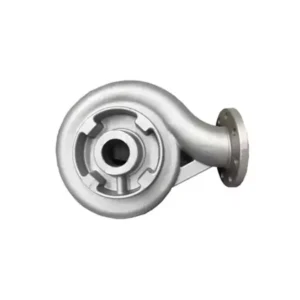
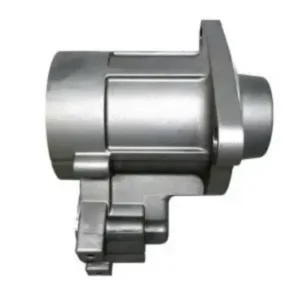
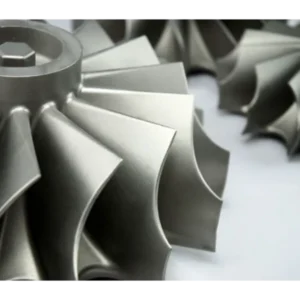
With over 10+ years of experience in precision die casting, Associação combines engineering expertise, modern automation, and process optimization to deliver consistent, high-quality parts. Whether producing pump housings, gearbox covers, valve bodies, or medical equipment components, our team ensures each project is optimized for cost, quality, and lead time.
 Português do Brasil
  English
  Deutsch (Österreich)
  Deutsch (Schweiz)
  English (UK)
  English (Australia)
  English (New Zealand)
  Deutsch
  Français du Canada
  Français
  Français de Belgique
  Italiano
  English (South Africa)
  Português
  Español
  Español de México
  Español de Perú
  Español de Colombia
  العربية
  日本語
日本語  Русский
  한국어
한국어  Tiếng Việt
  ไทย
ไทย
Avaliações
Não há avaliações ainda.