
Introduction
Industries widely use copper and brass forged components where strength, corrosion resistance, electrical conductivity, and dimensional stability are critical. However, OEM customers often require more than a forging supplier. They need a manufacturing partner that can support drawing review, material selection, process development, production, machining, and quality control throughout the entire project.
Welleshaft is a China-based manufacturer of custom non-standard forged and machined industrial components for global OEMs. As an experienced copper forging manufacturer China and brass forging supplier China, we provide forging, CNC machining, finishing, inspection, and delivery.
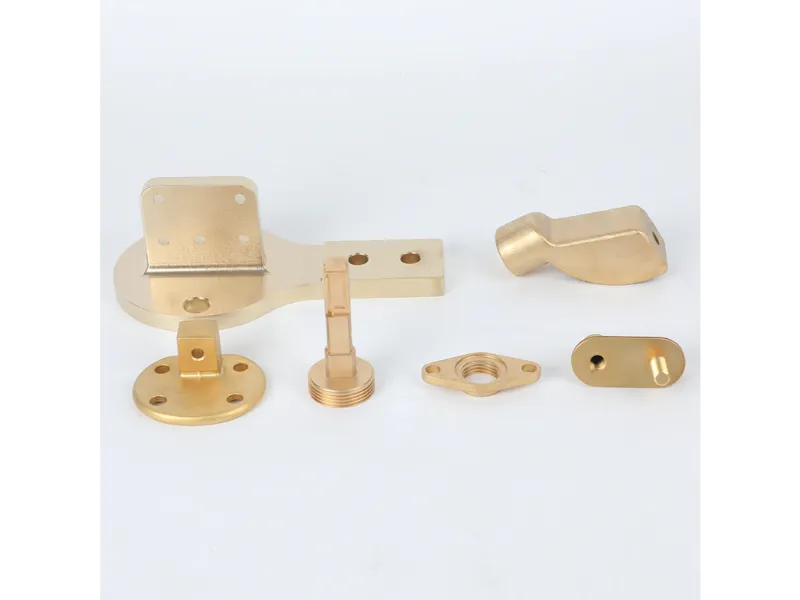
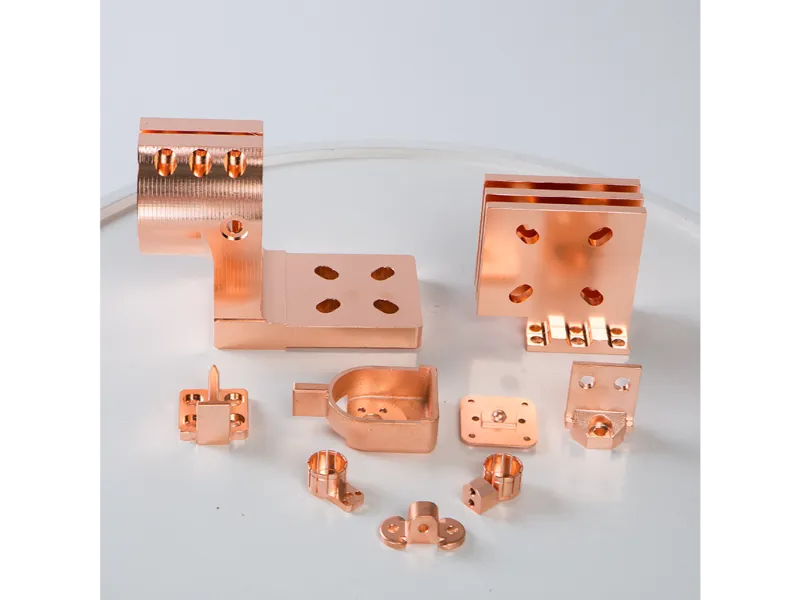
From prototypes to repeat production, Welleshaft transforms engineering drawings into reliable custom copper and brass forged components. We specialize in made-to-order industrial parts and provide OEM contract manufacturing based on customer drawings and technical requirements.
Need a Custom Copper or Brass Component Solution?What Are Custom Copper and Brass Forged Components Used For?
Copper and brass forging uses controlled compressive force to form copper alloys into high-strength industrial components. Plastic deformation refines the material structure, improving mechanical reliability and consistency.
Compared with casting or machining, custom copper and brass forged components offer better material integrity, strength, and fatigue resistance for demanding, long-service applications.
For OEM projects, custom forged components are commonly manufactured according to customer drawings and application requirements.
Electrical equipment, automotive systems, fluid control, marine hardware, and industrial machinery use copper and brass forged parts where strength, conductivity, corrosion resistance, and dimensional accuracy are essential.
For OEM projects, Welleshaft manufactures custom forged components based on customer drawings and specifications, supporting projects from prototype validation to repeat production.
Why Are Copper and Brass Alloys Selected for Custom Forged Components?
Material selection plays an important role in the performance and service life of custom copper and brass forged components. Different copper and brass grades offer varying conductivity, strength, corrosion resistance, and machinability, enabling engineers to select materials for specific operating conditions.
Manufacturers often choose copper alloys for electrical, thermal, and corrosion-sensitive applications because they maintain excellent conductivity and reliable mechanical performance after forging. These materials support components that require efficient heat transfer, stable electrical performance, and resistance to demanding environments.
Brass alloys are widely selected for custom brass forged components where strength, corrosion resistance, and machining efficiency are important.
Compared with pure copper, brass offers better strength and manufacturing flexibility for complex industrial parts requiring durability and precision.
Welleshaft provides custom copper and brass forging solutions, helping OEMs select alloys for their design and application needs.
Copper and Brass Alloy Selection Guide
| Material Category | Common Grades | Typical Characteristics | Suitable Applications |
| Copper Alloys | C101, C110, C145, C172 | High electrical conductivity, thermal performance, corrosion resistance | Electrical components, conductive parts, thermal applications |
| Brass Alloys | C360, C377, Naval Brass, Yellow Brass | Good machinability, strength, corrosion resistance | Fittings, valves, mechanical components, industrial hardware |
Material selection directly affects component performance and manufacturing efficiency. Welleshaft works with OEM customers to evaluate conductivity, mechanical strength, corrosion resistance, and machining requirements before selecting suitable copper or brass alloys for production.
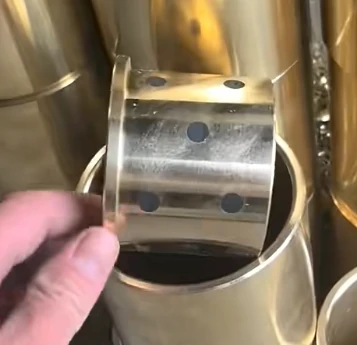

What Copper and Brass Forging Processes Are Available for Custom Components?
Selecting the right forging process is essential for producing custom copper and brass forged components with the required strength, dimensional accuracy, and production efficiency. Different forging methods provide different advantages depending on component geometry, production volume, material characteristics, and final application requirements.
Welleshaft supports various copper and brass forging processes to meet different OEM manufacturing needs, from complex-shaped components and high-volume production parts to precision industrial components requiring additional machining after forging.
Hot Forging for High-Strength Copper and Brass Components
Hot forging is widely used for manufacturing custom forged components that require improved mechanical performance and reliable structural integrity. By forming copper and brass alloys at elevated temperatures, this process allows materials to flow more easily and helps produce components with enhanced strength and durability.
This forging method is commonly selected for production manufacturing projects where consistent quality, repeatability, and efficient forming are important.
Material selection directly affects component performance and manufacturing efficiency. Welleshaft works with OEM customers to evaluate conductivity, mechanical strength, corrosion resistance, and machining requirements before selecting suitable copper or brass alloys for production.
Closed Die Forging for Complex Industrial Components
Closed die forging is a preferred manufacturing method for producing near-net-shape components with complex geometries and consistent dimensions. The process uses customized dies to control material flow, making it suitable for repeat production and OEM projects requiring stable quality across multiple batches.
As a closed die forging manufacturer, Welleshaft supports customized tooling development and repeat production for OEM customers requiring consistent component dimensions and reliable batch quality.
Warm Forging for Improved Accuracy and Reduced Machining Requirements
Warm forging combines controlled forming temperatures with improved dimensional control, making it suitable for components that require better accuracy compared with conventional hot forging.
This process can help reduce machining allowance, improve material utilization, and achieve more efficient manufacturing for precision custom copper and brass forged parts.
This process is suitable for precision-oriented OEM projects where improved dimensional control and reduced machining requirements are important.
Ring Rolling for Large Diameter Industrial Components
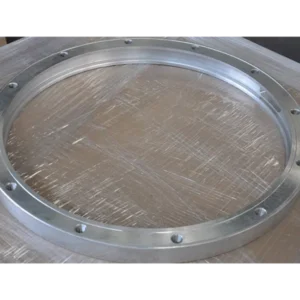
Ring rolling is commonly used for manufacturing seamless ring-shaped components where strength, dimensional stability, and material efficiency are important. This process is suitable for industrial applications requiring durable rings, flanges, and other circular components.
Copper and Brass Forging Process Comparison
| Forging Process | Key Advantages | Typical Applications |
| Hot Forging | High strength, efficient forming, suitable for production manufacturing | Heavy-duty industrial parts, structural components |
| Closed Die Forging | Complex shapes, repeat production, dimensional consistency | OEM forged components, precision industrial parts |
| Warm Forging | Improved accuracy, reduced machining requirements | Precision components requiring tighter control |
| Ring Rolling | Material efficiency, strong seamless ring structures |


Engineering Review and Manufacturing Feasibility Analysis
Before production begins, Welleshaft works with customers to review engineering drawings, technical specifications, and application requirements.This early evaluation helps select suitable materials, optimize forging processes, and confirm the best manufacturing approach.
Through drawing review, material selection, and feasibility analysis, Welleshaft develops reliable custom copper and brass forged components for OEM customers.
Material Preparation and Traceability Control
Selecting the right alloy is essential for achieving the required mechanical performance, conductivity, corrosion resistance, and service life of forged components.
Welleshaft verifies material grades, specifications, and production requirements before manufacturing begins. Material traceability procedures help ensure that each batch meets customer requirements and maintains consistent quality throughout the production process.
Forging Production for Custom Industrial Components
After engineering approval and material confirmation, Welleshaft applies suitable forging processes based on component design, production volume, and performance requirements.
The manufacturing process may include die forging, hot forging, and precision forming methods to produce custom forged components with reliable mechanical properties and dimensional consistency.
CNC Machining After Forging
Forging provides improved material strength and structural integrity, while secondary machining processes achieve the final dimensions and assembly requirements.
Welleshaft provides CNC machining for forged parts, including CNC turning, CNC milling, drilling, and threading operations. By combining forging and precision machining capabilities, Welleshaft helps customers reduce supplier coordination and achieve complete component manufacturing from a single source.
Surface Treatment and Finishing
Depending on application requirements, forged components may require additional surface treatments to improve appearance, corrosion resistance, wear performance, or functional properties.
Welleshaft supports various finishing processes, including polishing, plating, and coating, to meet different industrial application requirements.
Quality Inspection for Forged Components
Quality control is integrated throughout the manufacturing process to ensure that finished components meet customer specifications.
Welleshaft provides forged parts quality inspection, including dimensional inspection, material verification, and final inspection before shipment. These inspection procedures help maintain consistency for prototype projects, small-batch production, and long-term OEM manufacturing programs.
Looking for an OEM Contract Manufacturing Partner?Why Are Custom Copper and Brass Forged Components Preferred for Industrial Applications?
Higher Mechanical Strength and Structural Integrity
Custom copper and brass forged components provide improved mechanical strength compared with many alternative manufacturing methods.During the forging process, controlled deformation refines the internal grain structure and improves material flow, resulting in components with enhanced structural integrity and reliable performance.
This makes forged parts suitable for applications where strength, durability, and resistance to mechanical stress are essential.
Better Reliability Under Demanding Operating Conditions
Industries commonly select forged copper and brass components for applications requiring stable performance under continuous loads, repeated stress, and challenging operating conditions.
The improved material consistency achieved through forging helps reduce the risk of premature failure and supports longer service life for critical components used in machinery, automotive systems, electrical equipment, and other industrial applications.
Improved Material Utilization and Manufacturing Efficiency
Compared with machining components directly from solid material, forging can improve material utilization by forming the basic component shape before secondary machining operations.
For OEM projects, this approach can help reduce material waste, optimize production efficiency, and provide a more cost-effective solution for manufacturing custom forged components in medium and high-volume production.
What Custom Copper and Brass Forged Components Does Welleshaft Manufacture for Industrial Applications?
Custom Copper and Brass Forged Components for Electrical Applications
Industries widely use copper and brass forged components in electrical applications requiring conductivity, durability, and dimensional accuracy. Welleshaft manufactures customized electrical parts based on customer drawings and performance requirements, helping OEM customers achieve reliable solutions for demanding electrical systems.
Typical applications include conductive components, terminals, and connectors that require stable electrical performance and consistent manufacturing quality.
Copper and Brass Forged Parts for Fluid Control Systems
Fluid control equipment often requires components that can withstand pressure, corrosion, and long-term operation. Manufacturers commonly select custom brass forged components for these applications because they offer strength, corrosion resistance, and precision manufacturing capabilities.
Welleshaft supports the production of customized fluid control parts, including valves, fittings, and housings used in industrial equipment and specialized systems.
Custom Forged Mechanical Components for Industrial Equipment
Mechanical applications require components that provide reliable strength, dimensional stability, and resistance to repeated loading. Welleshaft manufactures custom forged components for industrial machinery and mechanical systems where consistent performance is critical.
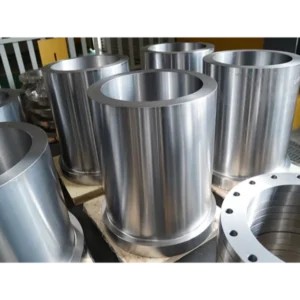
These parts may include bushings, shafts, and other industrial hardware manufactured according to specific engineering requirements.
Bespoke Industrial Components Manufactured to Customer Requirements
Beyond standard applications, many OEM projects require bespoke industrial components designed for unique operating conditions or specialized equipment. Welleshaft supports customers with made-to-order manufacturing based on engineering drawings, prototypes, small-batch requirements, and production orders.
By combining forging, CNC machining, finishing, and inspection capabilities, Welleshaft provides flexible custom manufacturing solutions for non-standard industrial components.
Custom Copper and Brass Forged Components Overview
| Component Category | Typical Parts | Common Applications |
| Electrical Components | Terminals, connectors, conductive parts | Electrical equipment, power systems |
| Fluid Control Components | Valves, fittings, housings | Fluid systems, industrial equipment |
| Mechanical Components | Bushings, shafts, industrial hardware | Machinery and mechanical assemblies |
| Bespoke Industrial Components | Prototype parts, small batches, production components | OEM and specialized industrial projects |
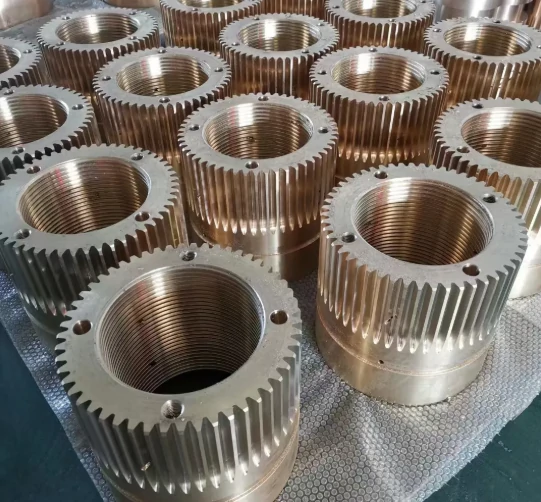
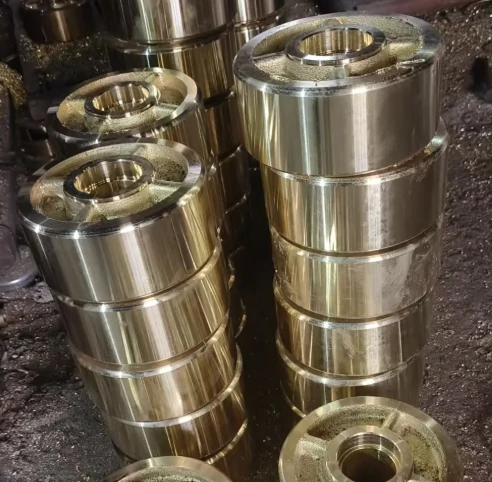
Which Industries Use Custom Copper and Brass Forged Components for Industrial Applications?
Electrical Industry
Industries widely use copper and brass forged components in electrical applications requiring conductivity, reliability, and dimensional accuracy. Copper alloys are especially suitable for electrical components because they provide excellent electrical performance while maintaining the mechanical strength required for long-term operation.
Welleshaft manufactures custom copper forged components for electrical systems, including conductive parts, terminals, and connectors produced according to customer drawings and application requirements.
Automotive Industry
The automotive industry requires components that can withstand repeated loads, vibration, and demanding operating environments. Industries commonly select custom forged components made from copper and brass alloys for applications requiring strength, wear resistance, corrosion protection, and consistent performance.
Welleshaft supports OEM automotive projects by providing customized forged and machined components designed for specific vehicle systems and mechanical requirements.
Marine Industry
Marine environments require materials with excellent corrosion resistance and reliable mechanical performance. Brass and copper alloy forged components are often used in marine equipment where long service life and stable operation are critical.
Welleshaft provides custom brass forged components for marine applications, supporting the production of specialized hardware, fittings, and mechanical parts.
Industrial Equipment
Industrial machinery often requires customized components that can operate under continuous loads and harsh working conditions. Forged copper and brass parts provide the strength, durability, and dimensional stability needed for reliable equipment performance.
Welleshaft manufactures custom industrial components for machinery and equipment manufacturers, supporting projects from prototype development to repeat production.
Energy Applications
Energy systems often require components with dependable electrical performance, thermal properties, and long-term reliability. Copper forged components are commonly used in applications where efficient conductivity and stable operation are important.
Welleshaft works with customers to develop custom copper and brass forged components for specialized energy-related equipment and industrial systems.
What Custom Copper and Brass Components Can Welleshaft Manufacture?
| Component Type | Manufacturing Process | Typical Applications |
| Copper terminals and connectors | Forging + CNC machining | Electrical systems |
| Brass valve bodies and fittings | Closed die forging + machining | Fluid control equipment |
| Copper alloy bushings | Forging + precision machining | Industrial machinery |
| Custom mechanical components | Forging + finishing | OEM equipment |
Why Choose Welleshaft as a Custom Copper and Brass Component Manufacturer in China?
Choosing the right manufacturing partner is essential for companies that require reliable copper and brass components with consistent quality, accurate dimensions, and stable production capacity. As an experienced copper forging manufacturer China and brass forging supplier China, Welleshaft supports global customers with integrated manufacturing capabilities, engineering expertise, and flexible OEM production solutions.
One-Stop Manufacturing Solutions for Custom Components
Welleshaft provides a complete manufacturing process from initial engineering support to final inspection, helping customers simplify supplier management and improve production efficiency. Our capabilities include forging, CNC machining, surface finishing, and quality inspection, allowing us to deliver finished custom industrial components manufacturer solutions based on specific application requirements.
By combining multiple manufacturing processes under one supply chain, Welleshaft helps customers reduce coordination costs, shorten production cycles, and maintain consistent quality throughout the manufacturing process. This integrated approach is especially valuable for copper and brass components that require both strong mechanical performance and precise final dimensions.
OEM Contract Manufacturing Capability
Welleshaft provides professional contract manufacturing services for OEM customers that need customized copper and brass components for long-term production. We work closely with customers from prototype development to repeat manufacturing, ensuring that each component meets required specifications, performance expectations, and delivery schedules.
Our OEM manufacturing support covers customized designs, production planning, and supply chain coordination. Whether customers require small-batch development or ongoing volume production, Welleshaft can provide flexible manufacturing solutions that adapt to changing project requirements.
Engineering-Based Manufacturing Support
Beyond production, Welleshaft focuses on engineering collaboration to help customers improve component design and manufacturing efficiency. Our team provides support in process optimization, material selection, and production improvement to achieve better performance, cost control, and manufacturability.
For copper and brass components with complex geometries or demanding application requirements, early engineering involvement helps identify suitable forging methods, machining strategies, and material options before production begins. This manufacturing-focused engineering support enables Welleshaft to become a reliable long-term partner for companies seeking high-quality custom metal components from China.


What Quality Control Services Are Available for Forged Components?
Quality consistency is critical for forged components, especially when parts are used in industrial equipment, automotive systems, and other applications requiring reliable mechanical performance. Welleshaft provides professional quality inspection services throughout the manufacturing process to help customers verify material quality, dimensional accuracy, and final component performance.
The inspection process begins with incoming material verification to ensure that copper, brass, steel, or other specified materials meet project requirements before forging starts. During production, process monitoring is carried out to control key manufacturing parameters and maintain stable forging quality across different production batches.
After forging and machining are completed, Welleshaft performs dimensional inspections and final verification to confirm that components meet drawing specifications, tolerance requirements, and customer quality standards. This complete inspection approach helps identify potential issues early, reduce production risks, and ensure that forged components are delivered with consistent quality for OEM applications.
Request a Quote for Your Custom Copper and Brass Forged ComponentsFrequently Asked Questions About Custom Copper and Brass Forged Components
What Does a Copper Forging Manufacturer Provide?
A professional copper forging manufacturer provides more than forging production. Manufacturing support may include material selection, engineering evaluation, forging process development, CNC machining, inspection, and OEM production services for customized industrial components.
Can Welleshaft manufacture custom copper forged parts according to drawings?
Yes. Welleshaft supports OEM projects by manufacturing custom copper forged parts based on customer drawings, specifications, and application requirements. From prototype development to repeat production, the team works with customers to optimize manufacturing methods, maintain dimensional accuracy, and ensure consistent quality for long-term supply.
What materials can be used for copper and brass forging?
Copper and brass forging can be produced using different alloy materials depending on the required performance, such as electrical conductivity, corrosion resistance, strength, and wear resistance. Common materials include pure copper, brass alloys, bronze alloys, and other copper-based materials selected according to the component’s working environment and performance requirements.
Does Welleshaft provide CNC machining after forging?
Yes. In addition to forging, Welleshaft provides CNC machining after forging to achieve tighter tolerances, complex geometries, and final dimensional requirements. Combining forging and machining in one manufacturing process helps simplify supplier management, reduce production coordination, and provide a complete solution for custom industrial components.
Why Work With a China Custom Forged Component Supplier?
Working with a China custom forged component supplier allows OEM customers to access flexible manufacturing resources, engineering support, and integrated production capabilities. Welleshaft combines forging, machining, finishing, and inspection services to provide complete solutions for non-standard industrial components.
Welleshaft is a China-based custom forged components manufacturer specializing in non-standard industrial parts and OEM contract manufacturing solutions. We provide copper and brass forging, precision CNC machining, finishing, and quality inspection services to help global customers transform engineering drawings into reliable components.

 English
  Português do Brasil
  Deutsch (Österreich)
  Deutsch (Schweiz)
  English (UK)
  English (Australia)
  English (New Zealand)
  Deutsch
  Français du Canada
  Français
  Français de Belgique
  Italiano
  English (South Africa)
  Português
  Español
  Español de México
  Español de Perú
  Español de Colombia
  العربية
  日本語
日本語  Русский
  한국어
한국어  Tiếng Việt
  ไทย
ไทย
Reviews
There are no reviews yet.