
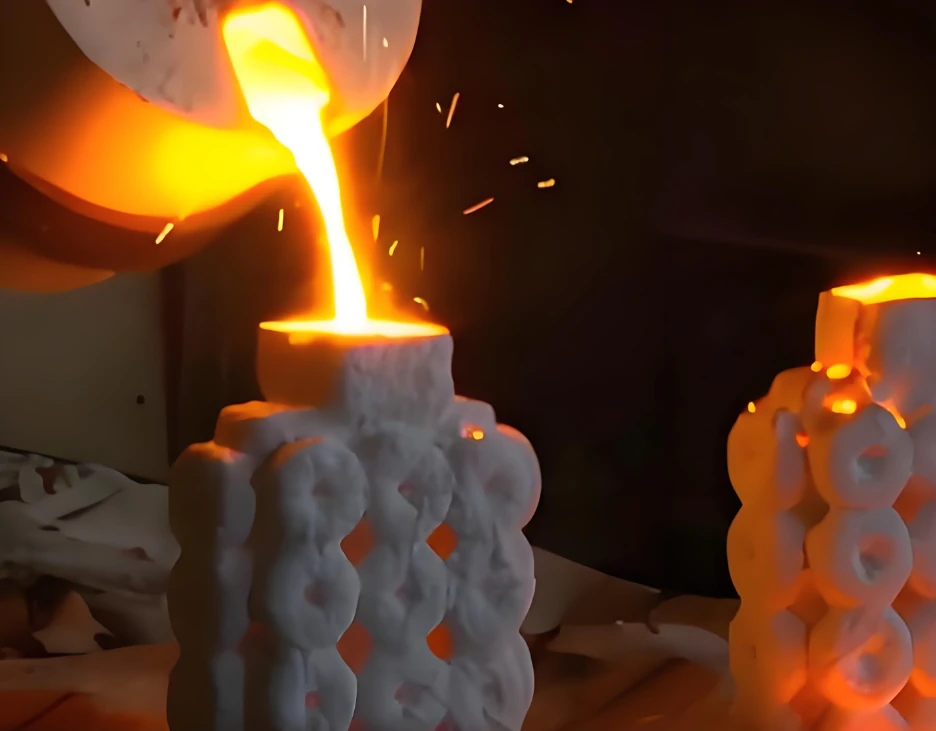
Why Should You Choose Investment Casting for Vacuum Pump Parts? Vacuum pumps are widely used in industries like semiconductors, medical devices, chemical processing, and precision manufacturing. In these applications, even a small issue with sealing or dimensional accuracy can affect the whole system’s performance. That’s why the way vacuum pump parts are made really matters. One of the most practical manufacturing methods here is investment casting (lost-wax casting). It’s especially suitable when you need complex shapes, stable dimensions, and a smooth surface finish without too much extra machining. Compared with traditional casting methods, investment casting allows tighter tolerances and better control over material structure. For vacuum pump parts, this means better […]
カテゴリーアーカイブ: Study cases and knowledge
業界のトレンド、ケーススタディ、ハウツーガイドをご覧ください、 製造工程 ウェルシャフトのナレッジハブでは、エンジニアやソーシングプロフェッショナルのための専門的な見識やFAQを提供しています。
Welleshaftの研究事例とナレッジのページでは、主要な調達課題、品質管理のハードル、実際の製造上の問題点を取り上げています。
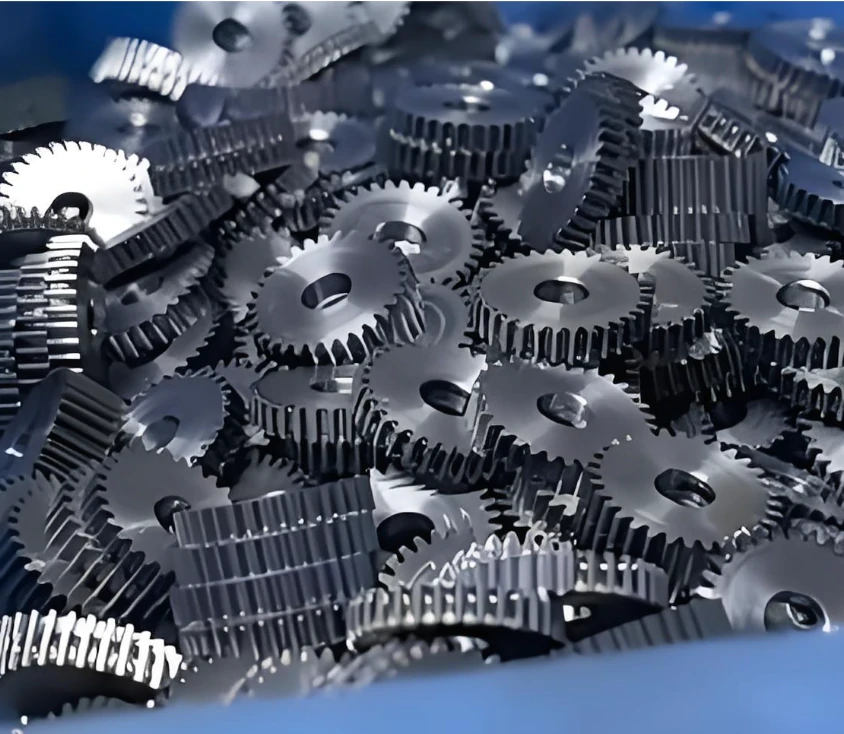
What Is an Aluminum Gear? Aluminum gears are widely used in lightweight mechanical systems because aluminum offers excellent machinability, low density, and good casting performance. These properties allow manufacturers to produce gears with complex tooth profiles while maintaining reduced weight and reliable performance. The main manufacturing processes for aluminum gears include die casting, forging, and CNC machining. Die casting forms aluminum gears by injecting molten aluminum into steel molds under high pressure, making it suitable for producing gears with consistent shapes and dimensions. Forging applies compressive force to heated aluminum billets to improve the internal grain structure and enhance gear strength. CNC machining creates precision aluminum gears by removing material […]
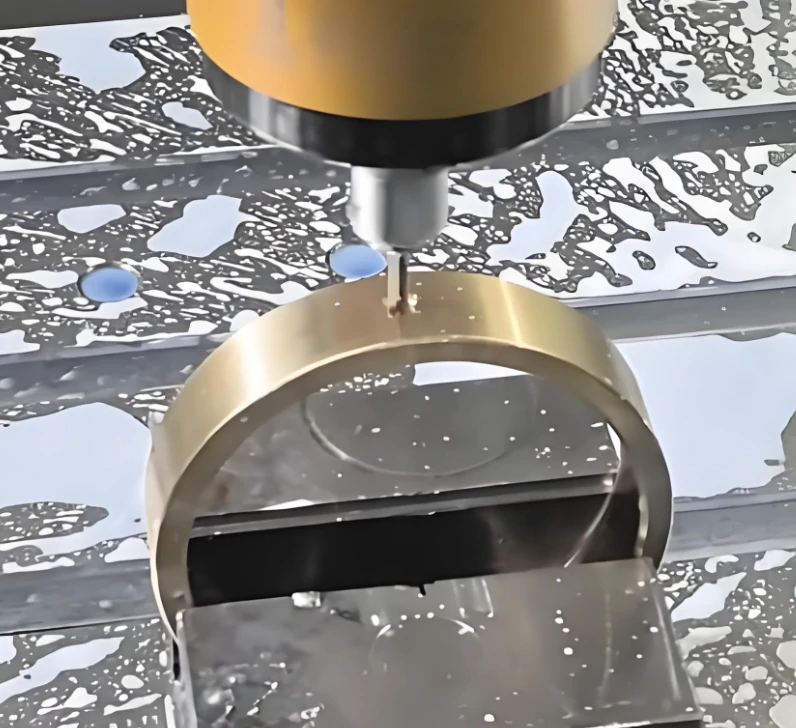
How Does the Bronze CNC Machining Process Work? The Bronze CNC Machining Process involves a series of controlled steps to manufacture accurate and reliable bronze parts. From selecting suitable bronze alloys to final inspection, each stage influences machining accuracy, surface quality, and component performance. The following sections explain the main steps involved in machining bronze components. Choosing the Suitable Bronze Alloy The first stage of the bronze machining process is selecting the proper bronze alloy according to the application requirements. Different bronze materials provide different performance advantages. Manufacturers consider material properties such as hardness, wear resistance, corrosion resistance, and operating conditions to ensure bronze parts deliver stable performance during service. Preparing […]
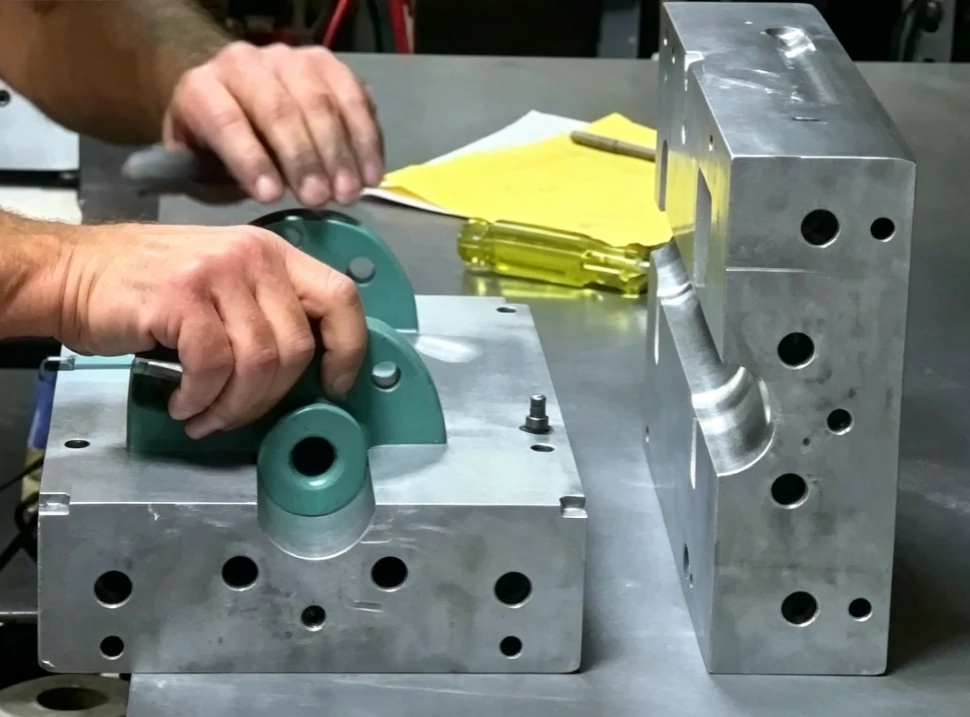
Why Consider Investment Casting for Semiconductor Equipment Parts? Semiconductor equipment manufacturing is widely recognized as one of the most demanding engineering areas. The components used here aren’t just “precise”—they have to stay stable under long operating hours, meet ultra-clean requirements, and perform reliably in environments like vacuum chambers, wafer transfer systems, and high-accuracy motion assemblies. Even small deviations can affect yield, so the expectations are extremely strict. When it comes to manufacturing methods, investment casting (lost-wax casting) is not usually the first choice for highly critical semiconductor parts. Processes like CNC machining or precision fabrication are more commonly used for core functional components. That said, investment casting still has its place. […]
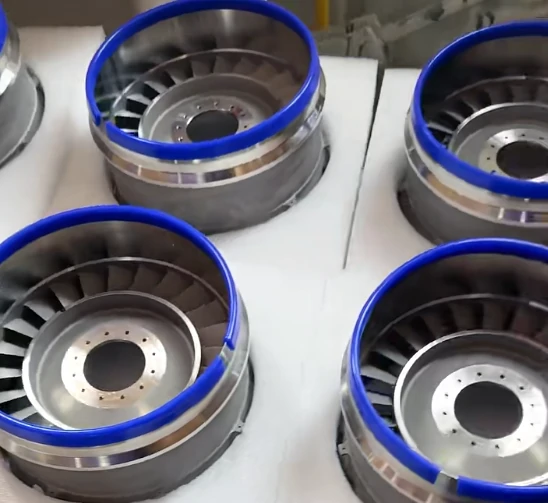
What Is Superalloy Vacuum Investment Casting Technology? Precision Wax Pattern Formation: High-accuracy wax injection into precision-machined molds replicates aerospace geometries with ±0.02 mm tolerance, ensuring consistency for downstream casting. Ceramic Shell Mold Development: 6–8 layers of ceramic slurry and refractory sand form durable molds capable of withstanding ~1450°C casting temperatures. Controlled Dewaxing Process: Autoclave dewaxing at ~150°C removes wax while maintaining mold integrity and dimensional stability. High-Temperature Mold Firing: Firing at ~1000°C eliminates contaminants and stabilizes mold structure for aerospace-grade components. Vacuum Melting of Superalloy: Vacuum melting at ~1450°C (10⁻³ Pa) ensures metallurgical purity, controlled composition, and reduced inclusions. Controlled Casting and Solidification: Optimized solidification produces fine-grain microstructures (≤1 mm), […]
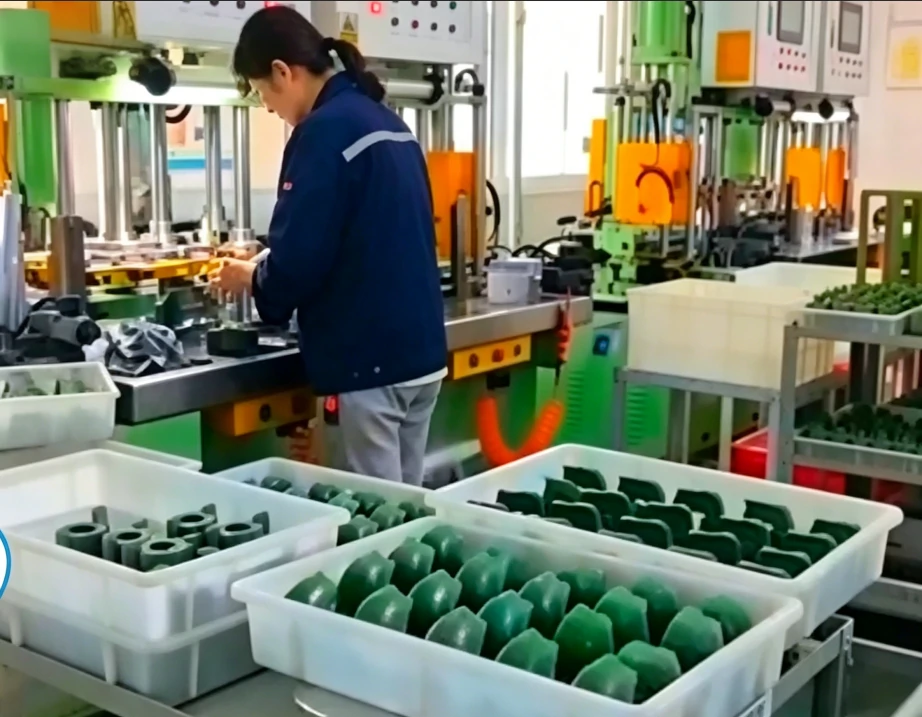
Why Choose Investment Casting for Medical Devices? Investment casting has become increasingly favored in the medical device industry for several important reasons. Precision and Complexity: A primary benefit of investment casting is its ability to produce complex geometries and intricate details with tight tolerances. This level of precision is essential for medical devices, ensuring they operate correctly and maintain patient safety. Material Options: The investment casting process can work with a variety of biocompatible materials that meet strict medical standards. This flexibility allows manufacturers to select the most suitable material for each component, guaranteeing both performance and compliance with regulations. Surface Finish and Reduced Machining: Investment casting naturally provides a smooth surface finish, which reduces the need for extensive post-processing. For […]
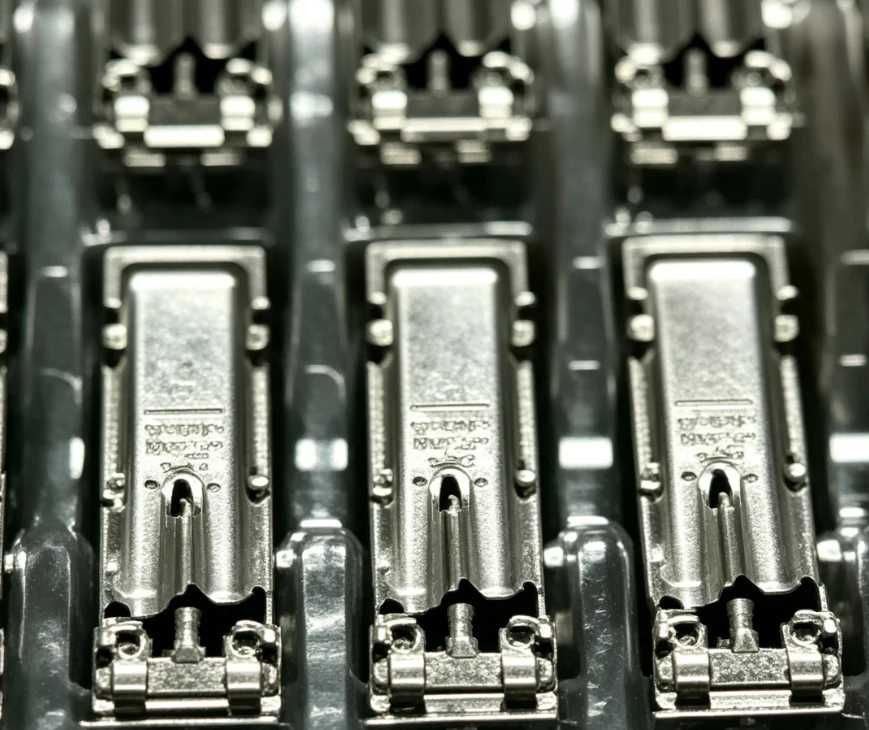
What is Metal Injection Molding (MIM) for AI Server & Connector Parts? Metal Injection Molding (MIM) is a manufacturing method where fine metal powder is mixed with a polymer binder and then injected into a mold. After molding, the binder is removed and the part is sintered at high temperature to form a dense, high-strength metal component. For AI server & connector parts, this process is commonly used to produce small but highly precise components, such as: Connector housings EMI shielding parts Precision locking mechanisms Micro structural brackets Thermal management and EMI-related components Compared with traditional CNC machining, Metal Injection Molding (MIM)for AI Server & Connector Parts offers much greater freedom […]
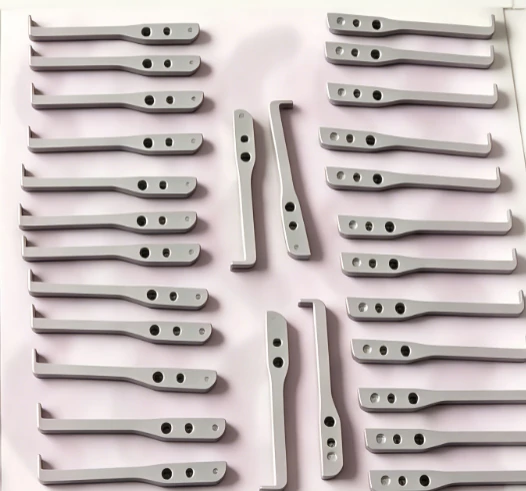
Why Do Robotics Teams Evaluate MIM? Robotics engineers often focus on compact geometry, precision fit, consistent motion, and stable production. Unlike general industrial components, small tolerance decisions in robotics can directly influence motion accuracy, assembly performance, and long-cycle repeatability. 1.Compact Functional Parts Joint mechanisms, actuator-linked components, gripper hardware, and feature-dense robot parts are areas where MIM proves valuable for evaluation. 2.Precision Fit Paths Robotic elements rely on secure mating, smooth motion, and controlled interface alignment—not only on the basic shape. MIM enables tighter fits that support these requirements. 3.Assembly Efficiency Thoughtfully designed MIM parts simplify compact assemblies and can reduce the need for multiple machining operations in intricate mechanisms. 4.Repeat Production When robotic parts need […]
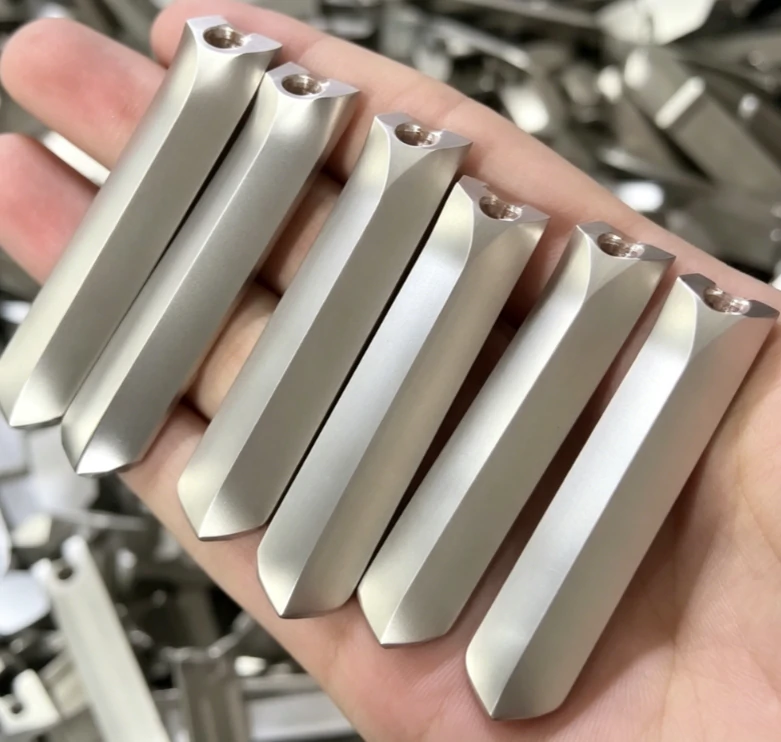
Why is MIM for Automotive Applications Important? Metal Injection Molding (MIM) provides distinct advantages that make it an excellent choice for automotive applications. By merging the design flexibility of plastic injection molding with the strength and durability of metal, this method produces MIM automotive parts capable of withstanding the rigorous demands of modern vehicles. For manufacturers focused on delivering reliable MIM components, this approach simplifies assembly processes while preserving the mechanical performance needed in challenging operating conditions. The trend toward lighter and more efficient vehicles has driven wider implementation of MIM automotive parts across both traditional internal combustion engine components and emerging electric vehicle platforms. This technique ensures consistent quality and repeatable results, even in high-volume automotive […]
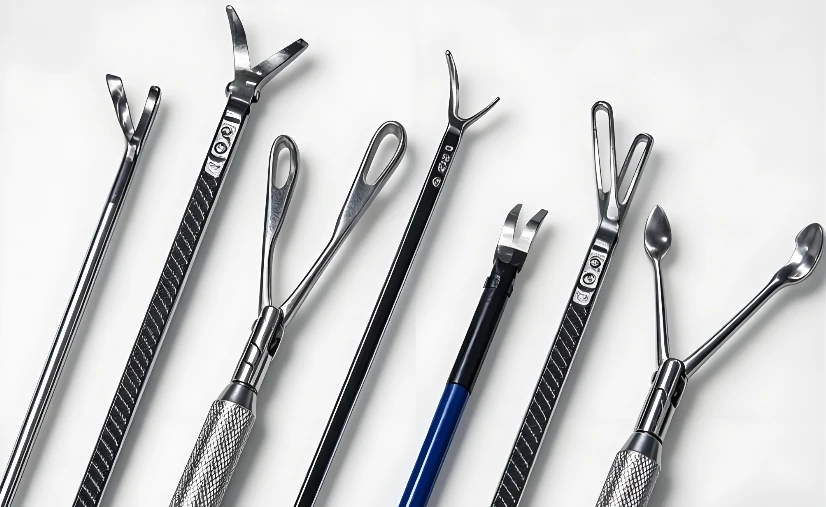
Why is Metal Injection Molding (MIM) Ideal for Medical Applications? Metal Injection Molding (MIM) is a specialized powder metallurgy process, derived from ceramic powder injection molding. Due to their similarities, both processes are often grouped under Powder Injection Molding (PIM). The typical MIM process consists of four key stages: Mixing During mixing, finely powdered metal is combined with a binder in a mixer. The binder ensures uniform distribution of the metal particles, forming a consistent feedstock. Injection Molding The prepared feedstock is injected into a mold under high pressure to form the desired shape. For medical components, the injected metal part usually weighs under 100 grams, allowing precision and efficiency in production. […]
 日本語
日本語  English
  Português do Brasil
  Deutsch (Österreich)
  Deutsch (Schweiz)
  English (UK)
  English (Australia)
  English (New Zealand)
  Deutsch
  Français du Canada
  Français
  Français de Belgique
  Italiano
  English (South Africa)
  Português
  Español
  Español de México
  Español de Perú
  Español de Colombia
  العربية
  Русский
  한국어
한국어  Tiếng Việt
  ไทย
ไทย