
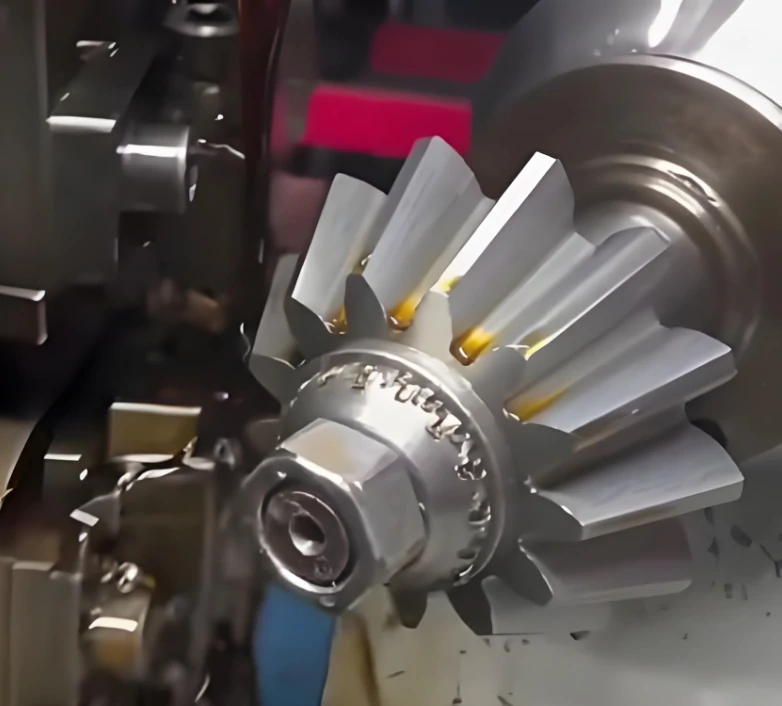
Custom Bevel Gear Manufacturing for Global OEM Requirements Welleshaft is a China custom bevel gear manufacturer specializing in OEM production of custom bevel gear components and non-standard transmission parts. By integrating engineering support, precision manufacturing and quality control capabilities, Welleshaft provides complete manufacturing solutions based on customer drawings, technical specifications and application requirements. Unlike standard gear […]
Archives par catégorie: Study cases and knowledge
Découvrez les tendances de l'industrie, des études de cas, des guides pratiques, procédés de fabrication et des FAQ sur le Knowledge Hub de Welleshaft — des perspectives d'experts pour les ingénieurs et les professionnels de l'approvisionnement.
La page « Études de cas et connaissances » de Welleshaft aborde les principaux défis d'approvisionnement, les obstacles au contrôle de la qualité et les vrais points de friction de la fabrication, aidant ainsi les acheteurs à prendre des décisions plus intelligentes et plus rapides.
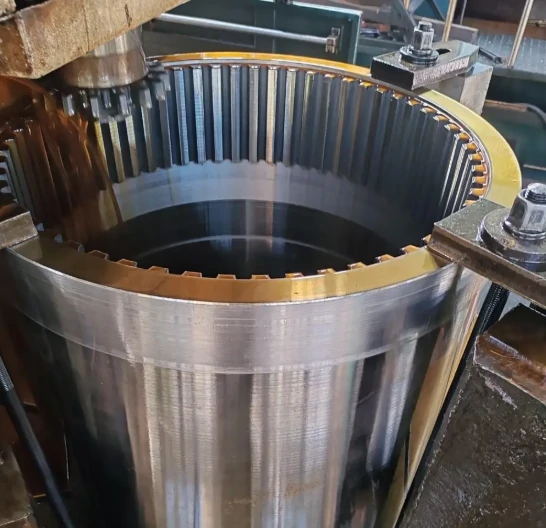
Custom Gear Hobbing Services for Industrial OEM Applications Welleshaft provides custom gear hobbing services and OEM contract manufacturing support for companies requiring precision transmission components and non-standard mechanical parts. Based on customer drawings, specifications, and application requirements, we support the complete manufacturing process from engineering review and material selection to CNC machining, gear hobbing, heat […]
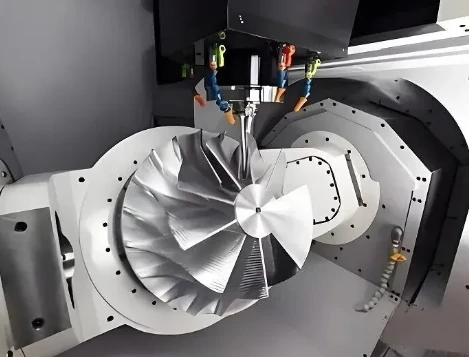
Custom 5 Axis CNC Machining Services for OEM Components Welleshaft provides custom five-axis machining solutions for OEM customers requiring complex components and tight tolerances. As a China-based precision CNC machining manufacturer, we deliver integrated contract manufacturing solutions, transforming drawings and CAD models into customized components through DFM, prototyping, precision machining, finishing, and inspection for aerospace, […]
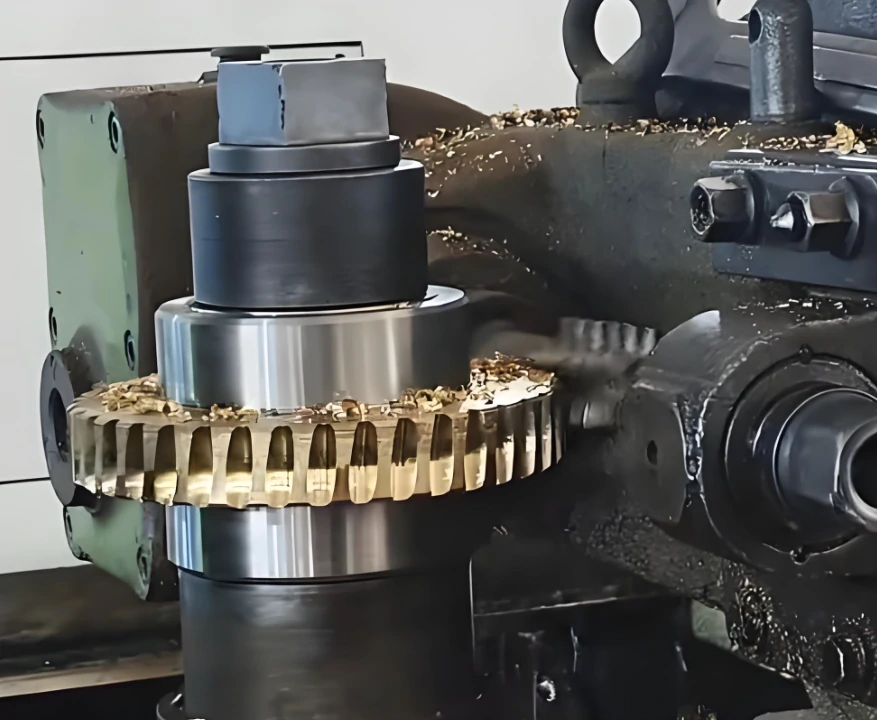
Custom Tin Bronze Components Manufacturing Solutions for OEM Customers Tin bronze is widely selected for industrial components that require reliable wear resistance, corrosion protection, fatigue strength, and long service life under demanding operating conditions. However, choosing the correct bronze alloy is only the first step in developing a high-performance component. For OEM projects, customers also […]
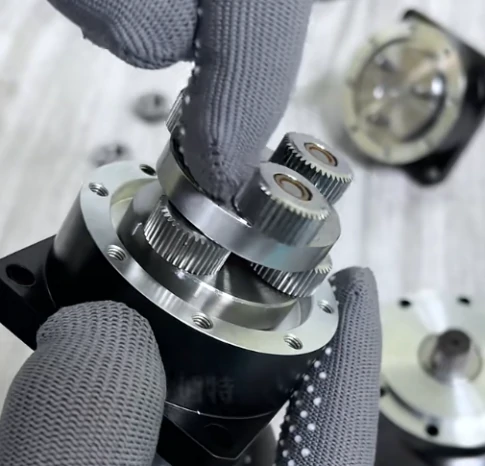
Custom Gear Reducer Components Manufacturing for Global OEM Projects Industrial equipment manufacturers often face challenges when standard transmission products cannot meet specific application requirements.Custom gear reducer components are designed to meet torque requirements, dimensional accuracy, operating conditions, and long-term reliability. Proper design and manufacturing ensure seamless integration and consistent performance in demanding mechanical systems. Welleshaft […]
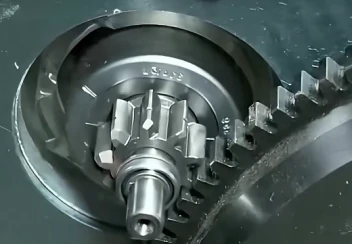
Custom Automotive Gear Components Manufacturing for Global OEM Applications Automotive manufacturers increasingly require customized mechanical components that can meet specific design, performance, and production requirements. Unlike standard parts, custom automotive components are designed for specific loads, spaces, operating conditions, and manufacturing requirements. This approach allows OEMs to achieve better component integration, improve system reliability, and […]
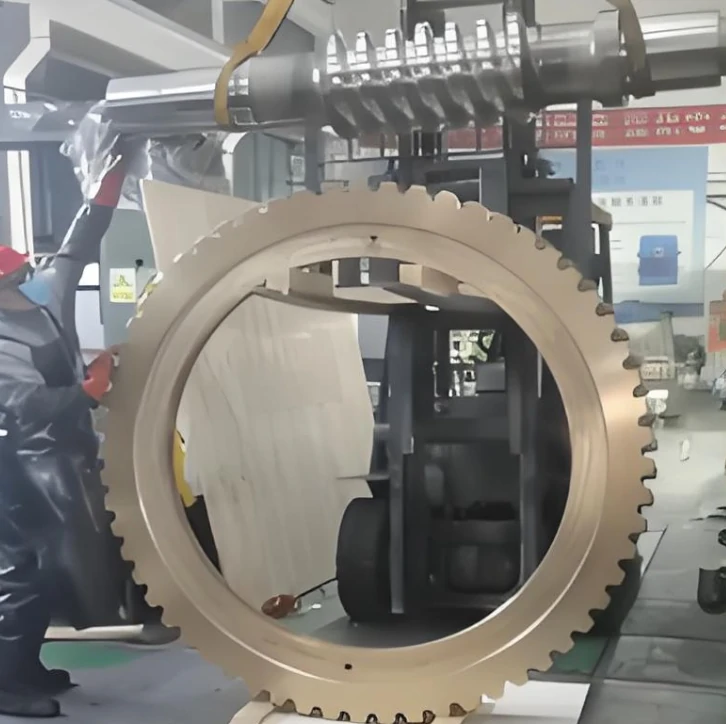
Custom Marine Component Manufacturing for Global OEM Customers Marine equipment manufacturers require components that can withstand seawater exposure, mechanical loads, vibration, and long service cycles. Unlike standard off-the-shelf parts, marine transmission components often require customized designs and manufacturing processes, including material selection, structural optimization, machining accuracy, and assembly compatibility. As a China custom metal components […]
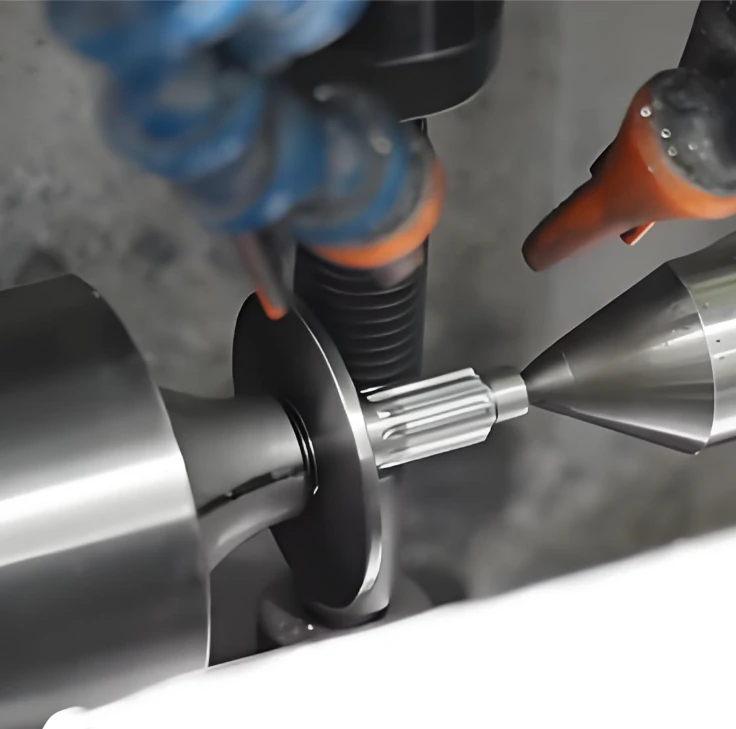
Custom Robotics Components Manufacturing for Industrial Automation Applications Robotics and industrial automation systems rely on precision mechanical components that must deliver accurate motion control, reliable performance, and long service life. Unlike standard off-the-shelf parts, custom robotics components are typically developed according to specific application requirements, including mechanical structure, load conditions, motion characteristics, installation space, and required […]
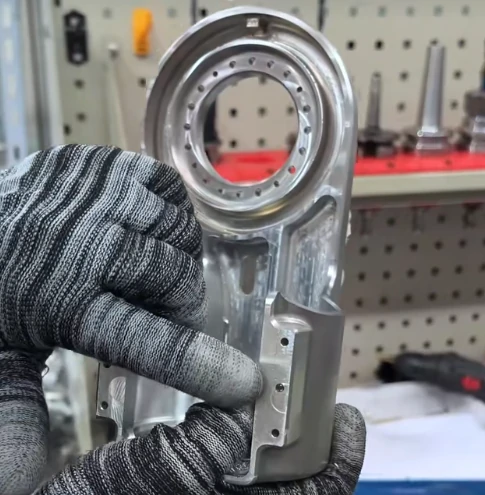
Why Investment Casting for Robotics Parts Is Becoming a Key Manufacturing Solution? Robotic systems—especially in industrial automation and collaborative robots—depend on parts that are not only strong but also dimensionally precise and capable of handling complex geometries. That’s why investment casting (lost-wax casting) is increasingly being used for robotics parts manufacturing, particularly for components where traditional […]
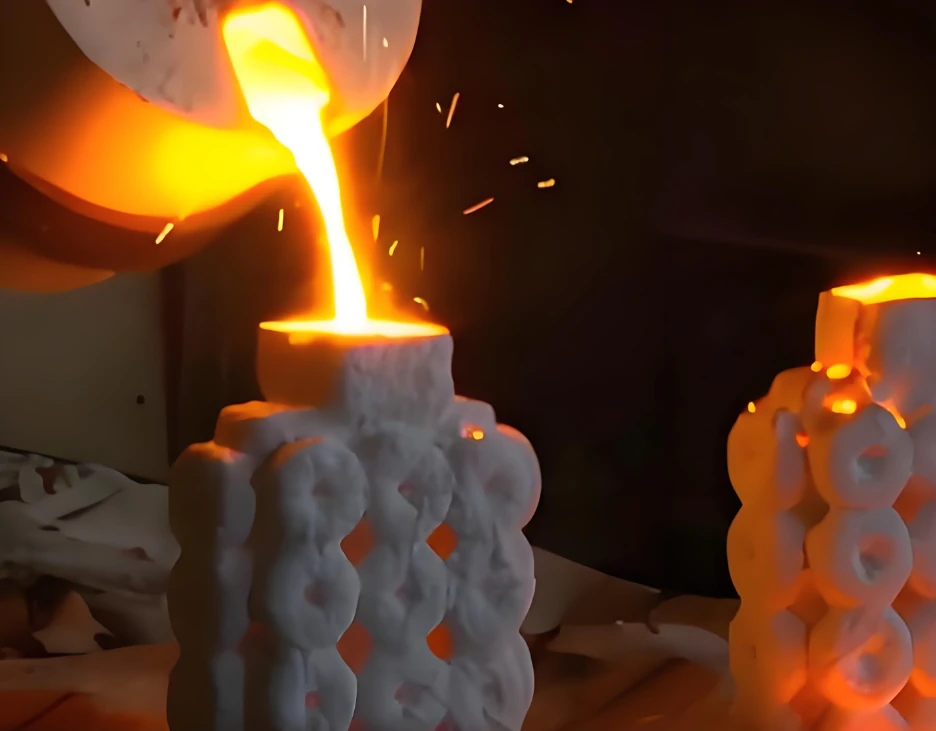
Why Should You Choose Investment Casting for Vacuum Pump Parts? Vacuum pumps are widely used in industries like semiconductors, medical devices, chemical processing, and precision manufacturing. In these applications, even a small issue with sealing or dimensional accuracy can affect the whole system’s performance. That’s why the way vacuum pump parts are made really matters. […]
 Français
  English
  Português do Brasil
  Deutsch (Österreich)
  Deutsch (Schweiz)
  English (UK)
  English (Australia)
  English (New Zealand)
  Deutsch
  Français du Canada
  Français de Belgique
  Italiano
  English (South Africa)
  Português
  Español
  Español de México
  Español de Perú
  Español de Colombia
  العربية
  日本語
日本語  Русский
  한국어
한국어  Tiếng Việt
  ไทย
ไทย