
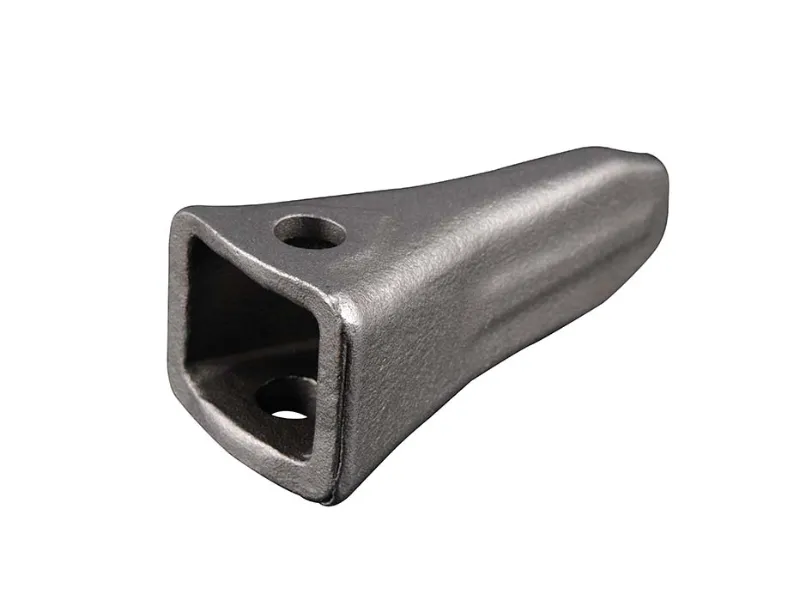
What Are Custom Drop Forging Components Used for in Industrial Applications?
Drop forging is a manufacturing process used to produce high-strength metal components by forming heated material between forging dies under controlled impact force. During this process, the internal grain structure follows the component geometry, improving strength, toughness, and fatigue resistance.
For OEM projects requiring long service life and reliable performance, forged components provide advantages over parts manufactured entirely through machining from raw material. The improved grain flow generated during the custom forging process enhances impact resistance, fatigue performance, and load-bearing capability, making drop forging an effective manufacturing solution for industrial forged parts, automotive components, and other critical mechanical applications.
How Does the Custom Drop Forging Manufacturing Process Work?
The custom drop forging manufacturing process starts with engineering review and material selection to ensure the finished component meets required mechanical performance, dimensional accuracy, and production requirements. For OEM projects, forging is not only about forming metal parts but also about selecting the right material, optimizing the manufacturing route, and controlling quality throughout the production cycle.
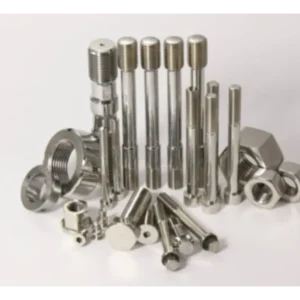
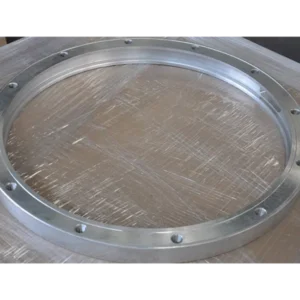
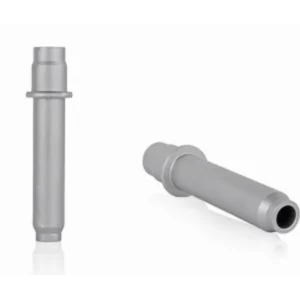
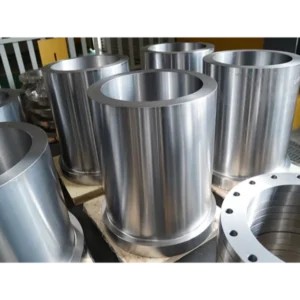
As a custom forged components manufacturer, Welleshaft works with customers to develop forged parts based on drawings, specifications, and application conditions. By combining forging capabilities with forging and machining services, we support the production of OEM forged components used in automotive, industrial equipment, and mechanical applications.
Engineering Review and Material Selection
Engineering review is an important stage in developing custom forged components. Manufacturers evaluate customer drawings, technical specifications, operating conditions, and production requirements to determine suitable materials, forging methods, and secondary processes.
Welleshaft provides engineering support for OEM projects requiring customized forged components from drawings.
Heating and Die Forging
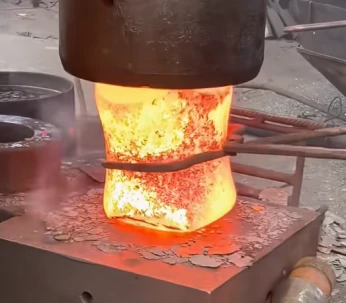
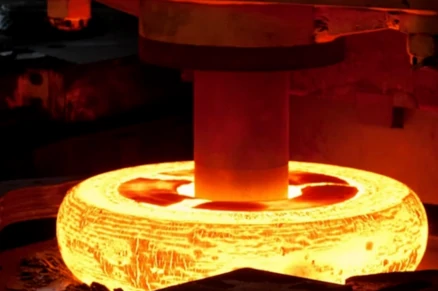
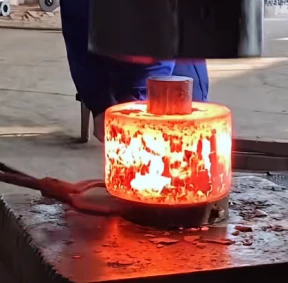
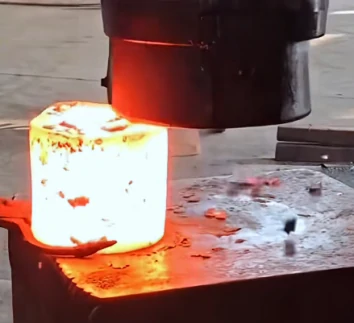
After material preparation, manufacturers heat the metal to the required forging temperature and shape it between dies using hammer or press equipment. They choose the most suitable forging process according to the component geometry, material properties, and production requirements.
Common forging methods include open die forging, closed die forging, and impression die forging. During this stage, accurate die design and controlled forging parameters help maintain consistent part quality and improve the mechanical properties of high-strength forged components.
Trimming, Machining, and Surface Finishing
After forging, manufacturers carry out additional manufacturing operations to meet the final component specifications. They remove excess material through trimming and apply secondary processes, including CNC machining, heat treatment, and surface finishing, to improve component accuracy and performance.
Unlike suppliers that only provide unfinished forgings, an integrated manufacturing approach combining forging, machining, and finishing allows OEM customers to receive production-ready components from a single source.
Welleshaft applies this approach to support customers requiring complete forged component manufacturing solutions.
Inspection and Final Delivery
Quality control is integrated throughout the custom forged components manufacturing process, from incoming material verification to final component inspection. Before shipment, Welleshaft checks critical requirements such as dimensions, material properties, hardness, and mechanical performance according to customer specifications.
For OEM projects requiring production consistency and traceability, inspection records and quality documentation can be provided to support customer approval processes. Through controlled manufacturing and inspection procedures, Welleshaft helps customers receive reliable forged components ready for long-term production applications.
What Materials Are Available for Custom Forged Components?
Material selection is a critical step in developing custom forged components because different applications require different levels of strength, toughness, corrosion resistance, and weight performance. Material selection depends on component requirements, operating conditions, production volume, and required mechanical performance.
Common forging materials include carbon steel, alloy steel, stainless steel, and aluminum alloys. Each material provides different advantages depending on the component function and application environment.
Material Selection Guide for Custom Forged Components
| Material | Main Advantages | Suitable Applications |
| Kohlenstoffstahl | Good machinability, balanced strength, cost-effective production | General machinery parts, structural components, industrial equipment |
| Alloy Steel (4140, 4340, 42CrMo) | High strength, excellent toughness, fatigue resistance | Automotive drivetrain parts, heavy equipment, high-load components |
| Stainless Steel | Corrosion resistance and reliable performance in harsh environments | Chemical equipment, outdoor machinery, corrosion-resistant components |
| Aluminum Alloy | Lightweight with a high strength-to-weight ratio | Transportation systems, lightweight engineering components |
Carbon Steel Forged Components
Manufacturers widely use carbon steel forged components when projects require dependable mechanical performance with efficient production costs. They commonly select these materials for general industrial parts, machinery components, and structural applications where balanced strength and machinability are important.
For many custom forged components, carbon steel provides a practical option when the application does not require extreme corrosion resistance or maximum load capability.
Alloy Steel Forged Components
Manufacturers often choose alloy steel forged components for applications involving heavy loads, impact forces, or repeated stress cycles because these materials provide higher strength and improved fatigue performance. They commonly use materials such as 4140, 4340, and 42CrMo for demanding mechanical applications.
Manufacturers also select these materials for high-strength forged components, including drivetrain parts, shafts, gears, and heavy equipment components, where they require durability and long service life.
Stainless Steel and Aluminum Forged Components
For specialized applications, stainless steel forged components provide improved corrosion resistance in environments exposed to moisture, chemicals, or outdoor conditions. These materials are commonly used for industrial equipment and mechanical assemblies requiring long-term reliability.
When reducing component weight is a priority, aluminum forged components offer advantages through their lightweight characteristics and favorable strength-to-weight ratio. They are often considered for transportation and lightweight engineering applications where efficiency is important.
What Types of Industrial Components Can Be Manufactured Through Drop Forging?
Custom forged components are commonly selected for applications where high strength, fatigue resistance, and dimensional reliability are required. Compared with many conventional manufacturing methods, drop forging helps improve the internal grain structure of metal, making forged parts suitable for components exposed to heavy loads, repeated stress, and demanding operating environments.
The types of components produced through drop forging vary by industry, material requirements, and operating conditions. Common applications include automotive drivetrain parts, industrial machinery components, and customized mechanical parts used in engineering and automation systems.
Automotive Forged Components
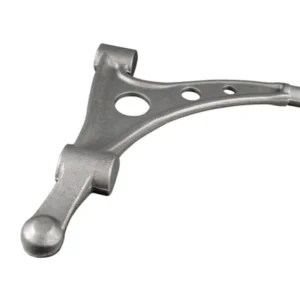
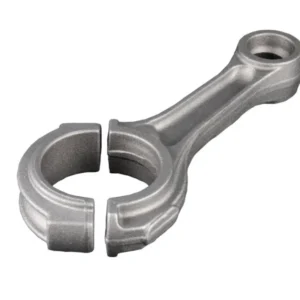
Automotive systems contain many load-bearing components that operate under continuous stress, vibration, and changing driving conditions. For these applications, automotive forged components are often selected because they provide high strength, fatigue resistance, and long-term durability.
Typical forged automotive parts include:
- drive shafts and transmission shafts
- drivetrain components
- suspension parts
- structural components
These components are commonly manufactured from carbon steel or alloy steel materials and may require additional processes such as heat treatment and precision machining to achieve the required mechanical performance and dimensional accuracy.
For automotive manufacturers and Tier suppliers, selecting a supplier with both forging and secondary processing capabilities can simplify sourcing activities and improve consistency across production batches.
This capability is particularly valuable for OEM programs that require consistent quality, repeatable production, and simplified supplier management.
Industrial Forged Parts for Heavy Equipment
Heavy machinery and industrial equipment require components capable of handling high loads, impact forces, and continuous operation. Industrial forged parts are widely used in these applications because forging provides improved mechanical strength and resistance to fatigue failure.
Common examples include:
- machinery shafts
- connection components
- load-bearing mechanical parts
- heavy-duty assemblies
For industrial applications, component design, material selection, and post-forging processes are important factors that determine service life and reliability.
Custom Mechanical Components for Engineering and Automation
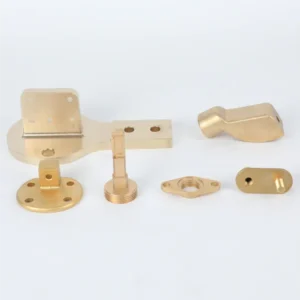
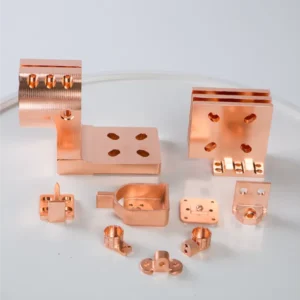
Engineering equipment and automation systems often require custom mechanical components designed according to specific installation requirements, movement characteristics, and operating conditions.
Unlike standard catalog products, these components are usually manufactured based on customer drawings and technical specifications. Common examples include:
- customized brackets
- structural components
- motion-related parts
For complex OEM projects, manufacturers with integrated capabilities in forging, machining, heat treatment, and inspection can provide more complete production support.
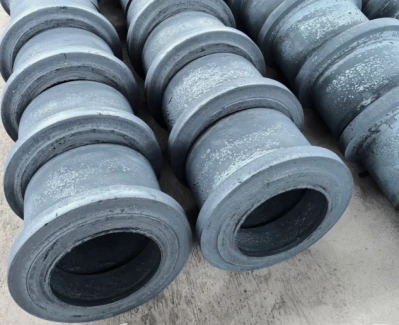
What Advantages Does Drop Forging Provide for Custom Components?
The drop forging process is widely selected for custom forged components that require high mechanical strength, durability, and consistent performance under demanding operating conditions. Compared with components produced only through material removal processes, forged parts benefit from improved internal grain structure, which helps enhance their ability to withstand heavy loads and repeated stress.
For OEM applications, the advantages of forging extend beyond individual component performance. Material efficiency, production consistency, and long-term reliability are also important factors when selecting a manufacturing method for high-strength forged components.
Improved Mechanical Strength
The forging process improves the internal structure of metal by aligning the grain flow with the component shape. This helps forged components achieve higher load-bearing capability and better resistance to impact forces compared with many conventionally machined parts.
For applications involving high loads or continuous mechanical stress, such as automotive drivetrain parts and industrial equipment components, this improved strength contributes to longer service life and more reliable operation.
Better Fatigue Resistance
Components used in automotive, machinery, and heavy equipment applications often experience repeated loading cycles during operation. Custom forged components provide improved fatigue resistance because the forging process enhances material integrity and reduces potential weaknesses within the metal structure.
This makes drop forging suitable for parts that require stable performance over extended operating periods, including shafts, drivetrain components, and other load-bearing mechanical parts.
Reduced Material Waste and Machining Requirements
Compared with manufacturing parts entirely through machining from raw material, the drop forging process forms components closer to their final geometry before secondary processing. This near-net-shape capability can reduce material waste and lower the amount of machining required.
For OEM projects, combining forging with CNC machining and finishing processes helps achieve the required dimensional accuracy while maintaining production efficiency.
Long-Term Production Reliability
For businesses requiring continuous supply of OEM forged components, manufacturing consistency is an important consideration. A controlled forging process helps maintain stable mechanical properties and repeatable component quality across production batches.
By working with an experienced forged parts manufacturer, OEM customers can establish a reliable production process for both prototype development and long-term manufacturing programs.
What Manufacturing Services Are Required for Custom Forged Components?
Many OEM projects require more than a forging process alone. After the initial design stage, components may need material evaluation, tooling development, machining, heat treatment, surface finishing, and inspection before they are ready for final assembly.
A complete forged component solution typically includes engineering review, forging, machining, heat treatment, finishing, and inspection. By integrating these processes, manufacturers can help OEM customers reduce supplier coordination and improve production consistency.
Engineering Support for Custom Components
Successful production starts with understanding the component design and application requirements. Engineering review typically includes customer drawings, technical specifications, and application requirements to determine the suitable manufacturing approach.
During the engineering stage, support may include design review, DFM recommendations, and material selection guidance. This helps optimize custom components from drawings before production begins, reducing potential manufacturing issues and improving production efficiency.
Custom Forging Manufacturing Capability
The forging process is selected according to component geometry, material requirements, and expected performance. Custom forging processes are selected according to component geometry, material requirements, and production volume.
Through proper die design and process control, forged parts can achieve the required strength, dimensional consistency, and repeatable quality for demanding industrial applications.
Secondary Manufacturing and Finishing Processes
Forging is often only one stage of producing finished components. Many OEM projects require additional operations to achieve final specifications, including CNC machining, heat treatment, and surface finishing.
By combining forging and machining services, Welleshaft helps customers obtain production-ready components instead of managing separate suppliers for each manufacturing step. This approach is especially valuable for complex industrial component manufacturing projects requiring consistent quality across multiple processes.
Quality Inspection and Production Verification
Quality control is integrated throughout the manufacturing process to ensure finished components meet customer requirements. Inspection activities may include dimensional measurement, material verification, hardness testing, and final production checks.
For OEM customers requiring reliable supply and production traceability, inspection documentation can be provided to verify component quality before shipment.
This integrated manufacturing model allows customers to source finished components from a single supplier instead of coordinating separate vendors for forging, machining, and inspection. For OEM projects involving complex designs or long-term production requirements, a complete manufacturing partner can improve efficiency and supply stability.
Need a Custom Forging and Machining Solution?How Are Custom Forged Components Quality Controlled During Manufacturing?
Quality consistency is critical for custom forged components, especially in OEM applications where material properties, dimensional accuracy, and repeat production stability directly affect final assembly performance.
A controlled manufacturing process requires verification at different production stages, from raw material inspection and forging operations to final component approval before shipment.
Quality Control Overview for Forged Components
| Quality Control Stage | Key Inspection Items | Purpose |
| Material Verification | Material grade, chemical composition, certification documents | Confirm raw material meets customer specifications and performance requirements |
| Forging Process Control | Heating temperature, forming conditions, tooling status | Maintain consistent forging quality and stable mechanical properties |
| Secondary Process Control | Machining accuracy, heat treatment results, surface condition | Ensure components meet final dimensional and functional requirements |
| Final Inspection | Dimensions, hardness, mechanical testing, final verification | Confirm finished parts comply with drawings and quality standards |
Material Verification and Control
The quality of custom forged components begins with selecting and verifying the correct raw materials. Before production starts, materials are checked according to customer requirements to confirm the specified grade, chemical composition, and relevant certification information.
For OEM forged components, proper material control helps maintain consistent mechanical properties, including strength, toughness, and fatigue resistance. Material records also provide traceability throughout the manufacturing process, which is important for long-term production programs.
Forging Process Control
During forging production, key process parameters are monitored to maintain repeatable part quality. Factors such as heating temperature, forming conditions, and tooling performance can influence the final mechanical properties and dimensional stability of forged parts.
Effective forging process control is especially important for high-strength forged components used in applications involving heavy loads, repeated stress, and demanding operating conditions.
Final Inspection and Quality Verification
Before shipment, finished components are inspected to confirm they meet customer drawings, technical specifications, and performance requirements. Inspection may include dimensional measurement, hardness testing, material confirmation, and mechanical property evaluation.
For customers requiring forged components quality inspection, inspection records and quality documentation can be provided to support approval procedures and production traceability.
For international buyers evaluating overseas suppliers, quality documentation, inspection records, and process traceability are important factors when approving a new manufacturing partner.
How Can Buyers Select a Reliable China Custom Forged Components Manufacturer?
Choosing the right manufacturing partner is an important step for companies sourcing custom forged components, especially for OEM projects that require consistent quality, stable production, and long-term supply capability. A suitable supplier should not only provide forging capacity but also have the engineering experience, processing capabilities, and quality systems required for complete component manufacturing.
When evaluating a China custom forged components manufacturer, buyers should consider several key factors, including manufacturing capability, engineering support, quality control, and the ability to handle different production stages from prototype development to mass production.
Manufacturing Capability and Process Integration
A reliable forged parts supplier should have the ability to support the complete manufacturing process rather than only providing unfinished forged parts. Important capabilities may include forging, CNC machining, heat treatment, and surface finishing.
Suppliers with integrated forging and machining capabilities can help reduce coordination between multiple vendors and provide more consistent quality for complex OEM components.
Engineering Experience and Technical Support
Manufacturing capability alone is not enough for complex custom components from drawings. Experienced suppliers should be able to review component designs, identify potential manufacturing challenges, and recommend suitable processes or material options.
Engineering support during the early development stage can help optimize part design, improve manufacturability, and reduce potential production issues before manufacturing begins.
Quality Control and Production Traceability
Quality consistency is a critical consideration when selecting an OEM manufacturing partner. Suppliers should have clear inspection procedures to verify material properties, dimensional accuracy, and final component performance.
For projects involving forged components quality inspection, quality records, inspection reports, and production traceability provide greater confidence that manufactured parts meet customer specifications.
Production Flexibility and Long-Term Cooperation
A capable manufacturing partner should be able to support different production requirements throughout the product lifecycle. This may include prototype development, small-batch production, and full-scale manufacturing.
For companies requiring long-term supply of OEM forged components, working with a supplier that can support product development and production expansion helps create a more stable manufacturing relationship.
Welleshaft supports customers looking for a reliable OEM manufacturing partner with integrated forging, machining, and inspection capabilities. By handling multiple manufacturing stages under one quality system, we help overseas buyers simplify supplier management and maintain consistent component quality.
Request a Quote for Custom Forged ComponentsFAQs About Custom Drop Forging Components Manufacturing
What Is the Difference Between Drop Forging and Machining?
Drop forging and machining are two different manufacturing methods used for producing metal components. The drop forging process forms heated metal through controlled impact force, improving material grain structure and mechanical strength. Machining, on the other hand, removes material from a workpiece to achieve precise dimensions, complex geometries, and tighter tolerances.
Manufacturers use forging as the primary forming process for many custom forged components to enhance strength and durability, and they apply CNC machining afterward to achieve precise dimensions and assembly accuracy.
Can Custom Forged Components Be Manufactured from Customer Drawings?
Custom forged components can be developed from customer drawings, technical specifications, and application requirements. The engineering review process helps determine suitable materials, forging methods, machining requirements, and inspection procedures.
Does Welleshaft Provide Machining After Forging?
Yes. Forged parts often require additional processing before they can be used in final assemblies. Welleshaft provides integrated forging and machining services, including CNC machining, heat treatment, and finishing operations.
Combining forging with secondary manufacturing processes allows customers to receive production-ready components while reducing the need to coordinate multiple suppliers for different manufacturing stages.
What Industries Use Custom Forged Components?
Custom forged components are used in industries where high strength, fatigue resistance, and long service life are required. Common applications include automotive systems, industrial equipment, and mechanical engineering projects.
Typical applications include drivetrain parts, shafts, heavy-duty machinery components, and customized mechanical parts designed according to specific operating conditions.
Why Choose a China Custom Component Manufacturer?
Working with a qualified China custom component manufacturer can provide access to integrated manufacturing capabilities, engineering support, and flexible production options. For international buyers, the ability to combine forging, machining, inspection, and project support through one supplier can simplify supply chain management.
When selecting a manufacturing partner, buyers should consider not only production cost but also engineering capability, quality control systems, communication efficiency, and long-term supply reliability.
Can Welleshaft Support Prototype and Mass Production Projects?
Welleshaft supports different production stages, including prototype development, small-batch production, and repeat manufacturing programs. This flexibility allows customers to evaluate component performance before moving into larger production volumes.
This blog was provided by the Welleshaft Engineering Team, covering drop forging technologies, materials, and manufacturing processes. Welleshaft provides custom forged components and integrated OEM manufacturing solutions, combining forging, machining, heat treatment, and inspection services for global customers.
 Deutsch
  English
  Português do Brasil
  Deutsch (Österreich)
  Deutsch (Schweiz)
  English (UK)
  English (Australia)
  English (New Zealand)
  Français du Canada
  Français
  Français de Belgique
  Italiano
  English (South Africa)
  Português
  Español
  Español de México
  Español de Perú
  Español de Colombia
  العربية
  日本語
日本語  Русский
  한국어
한국어  Tiếng Việt
  ไทย
ไทย
Bewertungen
Es gibt noch keine Bewertungen.