
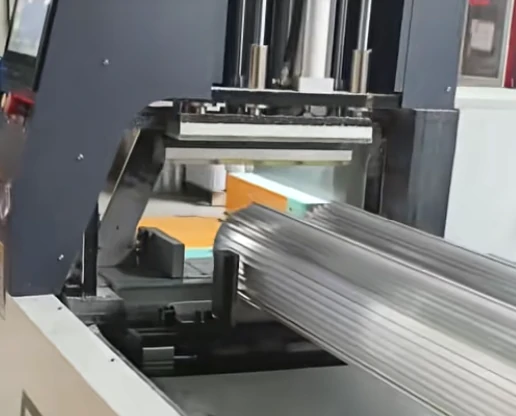
What is an Electronics Enclosure? An electronic enclosure protects electronic or electrical components by housing them in a box or cabinet. Its primary function is not only structural support but also safety: it helps shield users from risks such as electric shock, short circuits, or even potential explosions caused by electrical faults. What benefits does an Electronics Enclosure provide? Using a well-designed electronics enclosure offers multiple advantages in terms of safety, reliability, and operational efficiency. Below are the key benefits of implementing a high-quality electronics enclosure: Enhanced Equipment Protection A properly engineered electronics enclosure safeguards internal components from external damage, contamination, and electrical faults. This protection helps prevent system failures, minimizes the […]
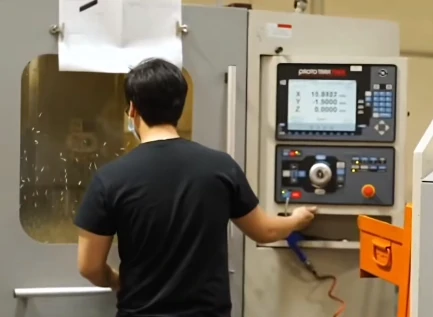
Quality testing and inspection play a crucial role in CNC machining and Metal Fabrication Contract Manufacturing, directly impacting product reliability, functionality, and customer satisfaction. Understanding the tools, techniques, and inspection stages involved ensures consistently high-quality output. This article offers a detailed guide to CNC machining and Metal Fabrication quality testing and inspection practices. In Metal Fabrication Contract manufacturing, especially CNC machining, Cold Forging,Die Casting, Metal Welding and Mechanical Assembly maintaining exceptional quality is non-negotiable. Every part must meet strict specifications, ensuring reliability and performance. Comprehensive Engineering and inspection form the backbone of quality management, helping manufacturers produce flawless components consistently. What is Quality Testing and Inspection in CNC Machining? Quality testing and inspection involve examining machined components to […]
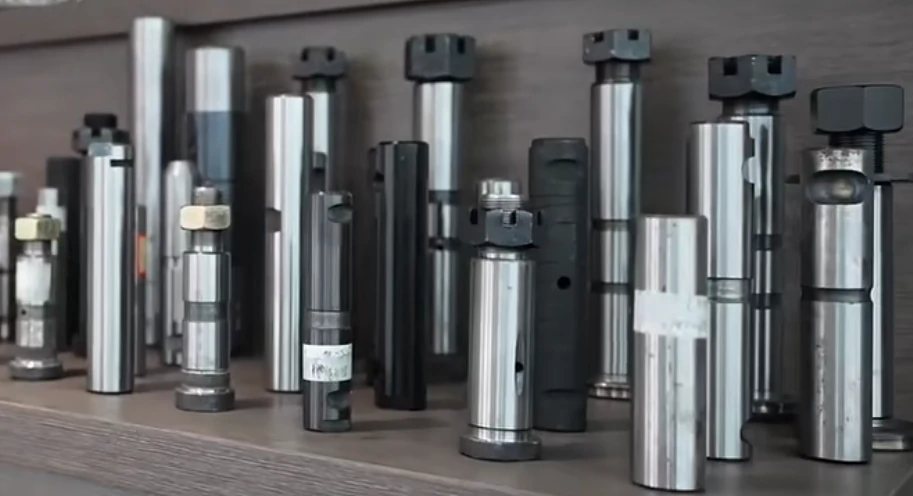
What are machined parts for heavy truck? Machined parts for heavy trucks are essential for ensuring structural integrity, stability, and durability under extreme conditions. As a Machined Parts Manufacturer for Heavy Trucks, China-based suppliers use high-strength materials like alloy steel and stainless steel to withstand heavy loads, vibration, and harsh environments in transportation, construction, and mining. With expertise in precision machining, manufacturers produce components for equipment such as articulated dump trucks, excavators, bulldozers, engines, generators, motor graders, skid steer loaders, and wheel loaders. These include both large structural parts and smaller components like brackets and enclosures, all machined to strict tolerances. Common materials include carbon steel for strength and cost-efficiency, […]
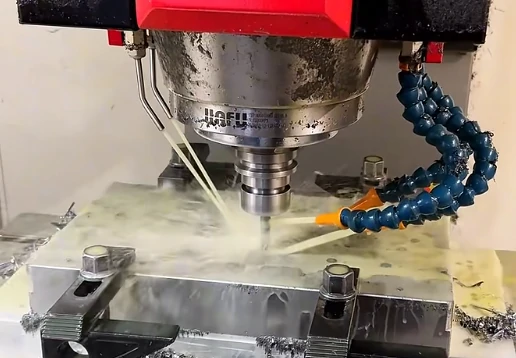
What Is CNC Machining With Steel? Manufacturers across industries rely on CNC Machining With Steel for its high strength, durability, and wide availability, while CNC processes ensure consistent precision, fast turnaround, and reliable repeatability. Modern CNC technology leverages advanced computerized controls and precision cutting tools to produce components with tight tolerances and stable quality across large production runs. This makes it highly suitable for both complex geometries and high-volume manufacturing. Modern CNC capabilities, including milling, turning, and surface finishing, support workflows from prototyping to mass production, enabling manufacturers to produce precise, durable parts from steel and other materials like aluminum, brass, bronze, copper, and plastics. Why Steel Is Used for […]
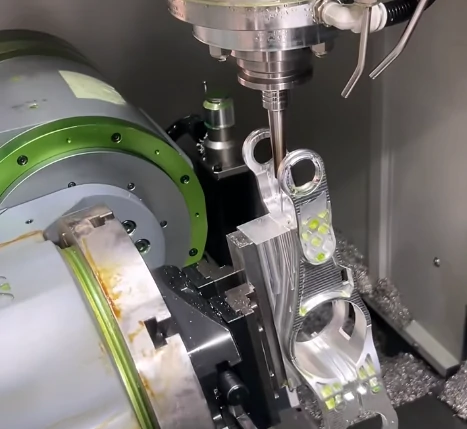
What is Custom Robotics Parts CNC Machining Manufacturing? Custom robotics parts CNC machining manufacturing focuses on producing highly accurate and performance-oriented components using advanced subtractive manufacturing technologies. Manufacturers fabricate complex robotic parts with tight tolerances and consistent repeatability through processes such as milling, turning, drilling, boring, grinding, and EDM. Modern production often integrates multi-axis machining and electrical discharge machining (EDM) to handle intricate geometries and hard-to-machine materials. These technologies enable components that meet strict dimensional and functional requirements, ensuring stability, durability, and reliable operation in demanding automation environments. CNC Machining Processes and Their Advantages Machining Process Key Advantages CNC Machining High automation, repeatability, and suitability for complex geometries CNC Milling […]
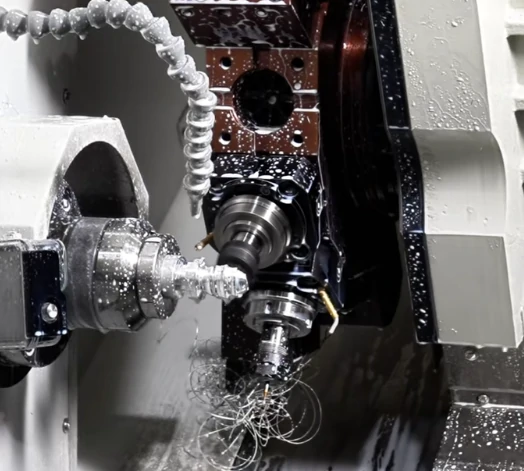
What Are Welleshaft’s Precision Machining Capabilities? From single prototypes to large-scale production, Welleshaft’s precision CNC machining capabilities deliver speed, consistency, and exacting dimensional accuracy. Our advanced milling and turning centers are equipped to handle intricate geometries, tight tolerances, and critical surface finish requirements. 3,4,5-Axis Milling We produce brackets, housings, and flat or prismatic components with sharp edges, uniform surfaces, and reliable repeatability across batches. Turning & Lathe Operations Precision-turned parts, shafts, and bushings are crafted with tight concentricity control and superior surface finishes. Multi-Face Machining & Scrap Reduction By machining multiple faces in a single setup, we minimize handling, reduce scrap, and enhance dimensional accuracy. Rapid prototyping,High-Mix, Low-Volume and High-Volume Production Our flexible tooling […]
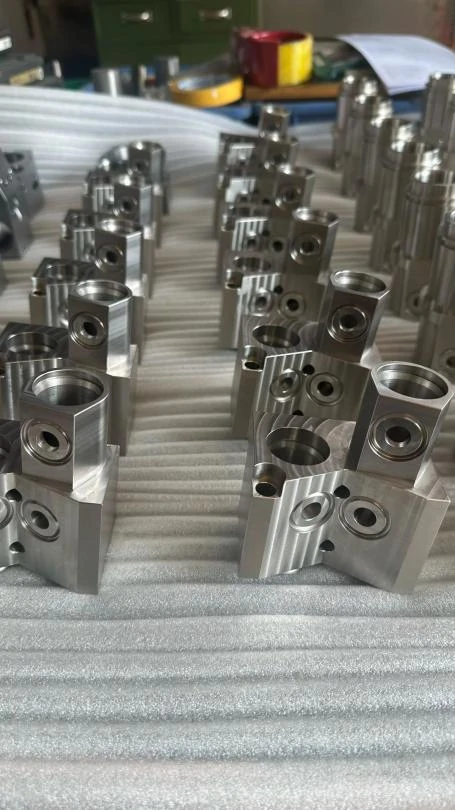
What Is High-Mix Low-Volume Manufacturing? High-mix low-volume (HMLV) manufacturing describes a production model where a wide range of different parts or products are produced in relatively small quantities. Typically, annual output per item can range from single units to several thousand pieces, and in some cases may extend to tens of thousands. This approach is especially common in industries that rely on CNC machining and customized component production. In real-world manufacturing environments, companies often manage extensive product portfolios containing hundreds or even thousands of unique part numbers. Individual batch sizes are usually small—often from one piece to a few hundred—but production planning must also consider how frequently these batches repeat. This repetition […]
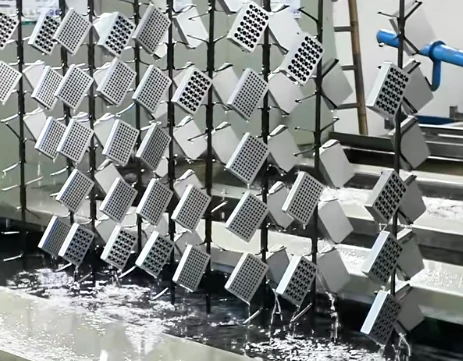
What Is Anodizing for CNC Machined Parts? Anodizing is an electrochemical treatment that strengthens the naturally occurring oxide layer on aluminum surfaces. This process is particularly beneficial for CNC machined parts, including CNC Milled parts and CNC Turned parts, because it delivers: Enhanced Longevity:Improves resistance to wear, corrosion, and environmental stress. Visual Appeal:Enables a variety of customizable finishes and vibrant color options. Increased Surface Hardness:Protects against scratches, dents, and mechanical damage. For manufacturers in the automotive, industrial machinery, and automation sectors, anodizing provides a harmonious balance between functional performance and aesthetic quality. In challenging conditions—such as high humidity, chemical exposure, or extreme wear—anodized components maintain their integrity and extend product lifespan. For example, […]
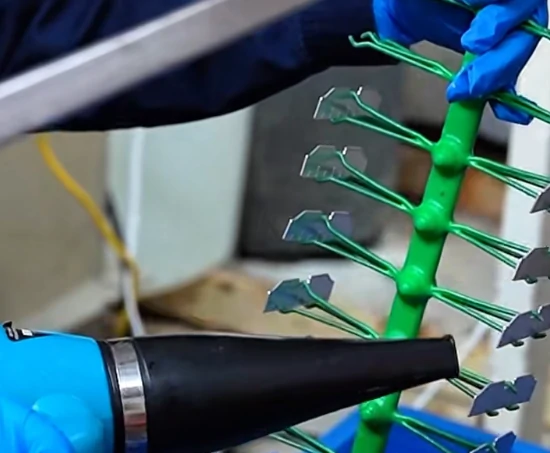
What Is a Surface Treatment Process in Precision Machining Services? Surface treatment processess services use mechanical, chemical, electrochemical, or physical methods to enhance a material’s surface performance, appearance, and durability.In manufacturing and precision machining services, surface treatment processess services play a crucial role in achieving multiple objectives, such as: Removing contaminants and surface defects Improving corrosion resistance and durability Enhancing product appearance and texture Providing functional properties such as wear resistance or electrical insulation In simple terms, surface finishing can be compared to refining or enhancing the outer layer of a material, transforming a raw component surface into one that performs better and looks more attractive. The Role of Surface […]
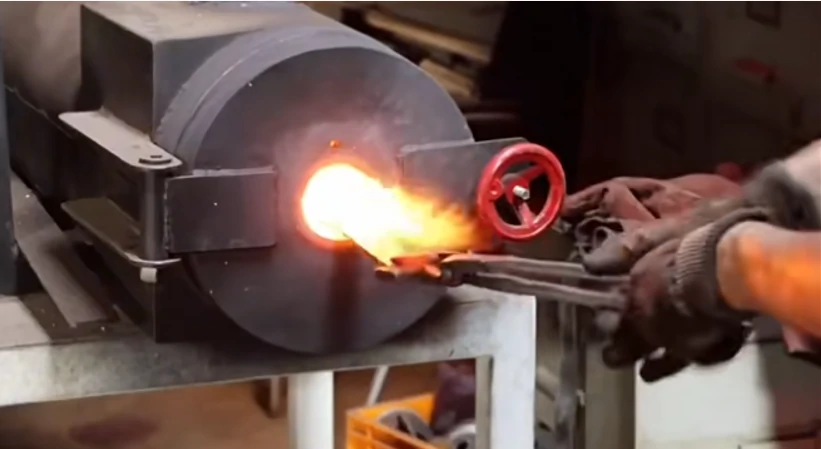
What Is Heat Treatment and Why Is It Important for Metal Parts? Heat treatments for CNC machined parts are a carefully controlled process in which a material is heated to a specific temperature and then cooled in a regulated manner. This process modifies the material’s physical and mechanical properties, such as hardness, toughness, and ductility, without altering the part’s original shape. By adjusting heating and cooling parameters, manufacturers can tailor the metal or alloy to meet specific performance requirements, making heat treatments for CNC machined parts a critical step in producing durable and high-performance components for CNC machining, automotive, aerospace, and industrial applications. What Is Heat Treatment in CNC Machining […]
 日本語
日本語  English
  Português do Brasil
  Deutsch (Österreich)
  Deutsch (Schweiz)
  English (UK)
  English (Australia)
  English (New Zealand)
  Deutsch
  Français du Canada
  Français
  Français de Belgique
  Italiano
  English (South Africa)
  Português
  Español
  Español de México
  Español de Perú
  Español de Colombia
  العربية
  Русский
  한국어
한국어  Tiếng Việt
  ไทย
ไทย