
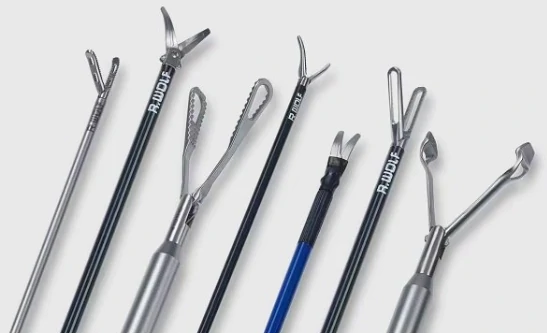
Why is Metal Injection Molding (MIM) Ideal for Medical Applications?
Metal Injection Molding (MIM) is a specialized powder metallurgy process, derived from ceramic powder injection molding. Due to their similarities, both processes are often grouped under Powder Injection Molding (PIM).
The typical MIM process consists of four key stages:
- Mixing
During mixing, finely powdered metal is combined with a binder in a mixer. The binder ensures uniform distribution of the metal particles, forming a consistent feedstock. - Injection Molding
The prepared feedstock is injected into a mold under high pressure to form the desired shape. For medical components, the injected metal part usually weighs under 100 grams, allowing precision and efficiency in production. - Debinding
The binder is removed through thermal, solvent, or vacuum debinding, leaving a nearly complete metal part ready for sintering. - Sintering
During sintering, the part is heated to near-melting temperatures, consolidating the metal into a dense, solid component. Finished parts typically achieve densities above 95%, ensuring strength and durability.
Metal Injection Molding (MIM) has transformed medical device manufacturing by enabling both rapid prototyping and high-volume production of highly detailed components used in surgery and diagnostics.
MIM allows the production of complex geometries that are difficult or impossible with traditional machining or casting. It delivers high-strength parts at scale with tight tolerances (±50 μm), excellent mechanical properties, and diverse material options, making it ideal for implants, surgical instruments, and other critical medical components.
From surgical tools and diagnostic devices to implantable parts, medical-grade MIM components are essential in modern healthcare. These parts are precise, biocompatible, and durable, and can incorporate complex features such as undercuts, thin walls, and internal channels.
By combining precision, design freedom, repeatability, and scalability, MIM has become a key manufacturing solution for producing reliable, high-performance medical components that meet strict healthcare standards.
What is Medical Metal Powder Characterization?
High Purity
For medical metal powders, maintaining high purity is essential. Even trace impurities can negatively affect both the mechanical performance and biocompatibility of the metal, which is critical for medical applications.
Controlled Particle Size
Metal Injection Molding (MIM) demands fine powders with a narrow particle size distribution. For stainless steel, the particle size typically must remain below 22 μm, while titanium and titanium alloys generally require sizes under 45 μm to ensure uniform flow and optimal sintering behavior.
Spherical Powder
Using spherical powder significantly improves powder flow, reduces friction, and minimizes sintering shrinkage. Manufacturers typically produce most titanium alloy spherical powders using a gas atomization process, which yields consistent particle shapes that improve mold filling and final part quality.
Proper characterization of medical metal powders ensures reliable MIM processing and high-quality components suitable for demanding medical applications, from implants to surgical instruments.
What MIM Metals Are Used in Medical Applications?
Manufacturers use a wide range of MIM metals in medical applications, selecting each material based on mechanical performance, biocompatibility, and long-term reliability in the human body.
Ferroalloy
Medical manufacturers commonly use ferroalloy in MIM applications because it balances manufacturability with functional properties. It provides good ductility, high hardness, and is generally non-toxic and potentially biodegradable, making it suitable for temporary medical devices.
Researchers also use iron-based materials for their blood compatibility and biocompatibility, allowing them to manufacture temporary cardiovascular stents. These stents reopen blocked vessels and maintain blood flow during healing.
They also explore ferroalloy materials in bone tissue engineering, where mechanical strength matters. However, because pure iron degrades slowly, they often alloy it with other elements to achieve a more controlled and uniform degradation rate.
Titanium Alloys
Among advanced MIM metals, titanium alloys are widely recognized for their outstanding performance in medical applications. Their key advantages include low elastic modulus, high specific strength, excellent corrosion resistance, and strong biocompatibility.
Manufacturers commonly use titanium alloys in dental implants, orthopedic implants, and load-bearing medical devices because of their properties. For example, they use alloys such as Ti-6Al-7Nb in bone screw systems to stabilize and repair fractured bones.
They also apply these alloys in pacemakers, knee and hip joints, and fixation components such as screws.In Metal Injection Molding (MIM), titanium alloy powders require strict control, typically with particle sizes at or below 45 μm, to ensure proper flowability and final part quality.
Stainless Steel
Stainless steel remains one of the most widely used MIM metals in medical applications, especially grades such as 316L, 420, and 440C. It is valued for its combination of high strength, wear resistance, biocompatibility, and excellent manufacturability.
Through MIM processing, stainless steel components such as 316L stainless steel medical parts can achieve densities above 98%, resulting in strong mechanical performance and reliable durability in clinical environments.
Manufacturers use stainless steel in a wide range of surgical tools and medical device components because it provides both precision and strength.
Magnesium Alloy
Magnesium alloys are gaining attention as advanced biodegradable MIM metals in medical applications. Their key features include low weight, excellent biocompatibility, and controlled biodegradability.
In cardiovascular applications, magnesium-based materials have shown promising performance in temporary stents, where they support blood vessel healing and gradually degrade without causing inflammation or thrombosis.
Because magnesium has mechanical properties similar to natural bone and remains lightweight, it is also suitable for temporary orthopedic devices, including screws used in fracture fixation and bone support systems.
Shape Memory Biomedical Alloys
Manufacturers design shape memory biomedical alloys as a specialized group of MIM metals to enable intelligent response behavior inside the human body. They use these materials widely in medical applications that require controlled deformation and recovery.
Typical use cases include dentistry, fracture treatment, and cardiovascular self-expanding stents, where the material can change shape in response to temperature or stress, enabling minimally invasive procedures and improved patient outcomes.
How Does Metal Injection Molding Work for Medical Applications?
The combination of precision, material performance, and cost-efficient production has made Metal Injection Molding (MIM) an important manufacturing technology across a wide range of medical applications. Its ability to produce miniature, highly detailed metal components makes it particularly valuable for modern medical devices and healthcare equipment.
Medical Devices
Many advanced medical devices rely on compact metal components with complex geometries that are difficult to manufacture through conventional machining. Metal Injection Molding Medical Applications include components used in:
- Knee rehabilitation devices
- Laser surgery systems
- Arthroscopic surgery equipment
- Drug delivery devices
- Oxygen concentrators
The process enables the production of intricate shapes while maintaining dimensional consistency and mechanical reliability, which are essential for medical performance.
Orthodontic Components and Dental Devices
In the dental sector, MIM medical applications support the production of highly precise components that require both strength and biocompatibility.
Metallic orthodontic brackets, commonly manufactured from 316L stainless steel, benefit from excellent fit, durability, and corrosion resistance. Beyond orthodontics, Metal Injection Molding is widely used to manufacture:
- Dental implant screws
- Ultrasonic endodontic components
- Dental scaler tips
- Orthodontic treatment accessories
The precision achievable through MIM contributes to improved functionality and patient comfort.
Surgical Fixation Devices
Complex components used in surgical fixation devices often require exceptional mechanical performance.Manufacturers use การฉีดขึ้นรูปโลหะ to produce articulation gears and other critical parts with high density, excellent tensile strength, and consistent hardness characteristics.
Materials such as 17-4PH stainless steel are frequently selected for these applications due to their combination of strength, wear resistance, and corrosion performance. These properties help ensure long-term reliability during demanding surgical procedures.
Surgical Instruments and Minimally Invasive Tools
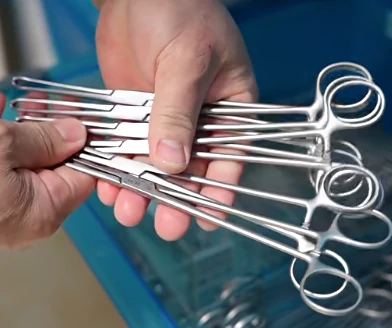
Traditional manufacturing methods for surgical instruments often involve multiple machining and assembly operations. MIM technology offers a more efficient approach by producing near-net-shape components with minimal material waste.
Common surgical instruments and tools manufactured using MIM include:
- Forceps
- Surgical scissors
- Stapler components
- Surgical clamps
- Knife shaft assemblies
- Pliers and precision gripping tools
The technology also supports the production of minimally invasive surgical instruments, where small dimensions and tight tolerances are critical for clinical performance.
Endoscopic Devices
Endoscopic devices used in minimally invasive procedures require compact and highly accurate components. Metal Injection Molding enables the manufacture of intricate parts such as:
- Biopsy forceps
- Graspers
- Endoscopic connectors
- Precision surgical tips
Many of these components contain miniature features and complex internal geometries that would be difficult or costly to achieve through conventional machining. MIM provides a scalable solution while maintaining consistent quality across large production volumes.
Robotic Surgical Systems
The growth of robotic-assisted surgery has increased demand for highly reliable miniature components. Medical MIM supports the production of:
- Precision joints
- Connectors
- Actuation components
- Moving mechanical assemblies
These parts must perform repeatedly under strict operating conditions while maintaining dimensional stability and mechanical integrity.
Diagnostic Equipment Components
Many modern diagnostic equipment components require compact designs that integrate multiple functions within limited space. Metal Injection Molding Medical Applications allow engineers to consolidate several features into a single component, reducing assembly complexity and improving reliability.
Examples include:
- Flow control blocks
- Fluid management components
- Multi-port connectors
- Sensor housings
- Laboratory instrument parts
Vascular Stents
The production of vascular stents represents another important area of medical MIM applications. Cardiovascular devices often feature highly complex structures that traditionally require expensive manufacturing methods such as laser cutting or braiding.
Metal Injection Molding offers an alternative route for producing these sophisticated geometries while maintaining the mechanical properties required for cardiovascular treatment. The technology demonstrates the capability to support future developments in minimally invasive cardiovascular care.
Hearing Aid Components
Miniaturization is a key requirement in hearing technology. MIM hearing aid components can incorporate complex shapes and fine details while maintaining structural strength.
Manufactured commonly from 316 stainless steel, these components contribute to sound enhancement systems and acoustic performance while offering significant manufacturing efficiency compared with traditional fabrication methods.
Implantable Components
One of the fastest-growing areas of Metal Injection Molding Medical Applications is the production of implantable components. Materials including 316L stainless steel, titanium alloys, and cobalt-chromium alloys (ASTM F75) are frequently utilized because of their excellent biocompatibility and corrosion resistance.
Typical implant applications include:
- Orthopedic implants
- Dental implants
- Bone fixation systems
- Implantable surgical components
The combination of material performance, precision manufacturing, and repeatability allows MIM-produced implants to meet stringent medical and regulatory requirements.
Why MIM Continues to Expand in Medical Applications
The increasing adoption of Metal Injection Molding Medical Applications is driven by several key advantages:
- Complex geometrieswithout extensive machining
- High-volume productionwith consistent quality
- Excellent mechanical properties
- Tight tolerances and repeatability
- Biocompatible material options
- Reduced assembly through part consolidation
- Cost-effective manufacturing of miniature components
As medical devices continue to become smaller, more sophisticated, and more functional, Metal Injection Molding (MIM) remains a preferred solution for producing high-precision components across surgical, diagnostic, dental, cardiovascular, and implantable medical technologies.
What Capabilities Ensure Medical-Grade Quality in MIM Manufacturing?
The reliability of medical MIM components depends not only on the Metal Injection Molding (MIM) process itself but also on the supporting capabilities that guarantee medical-grade quality and consistency.
- Precision Tooling— Specialized molds are engineered to handle complex features, internal channels, and fine geometries while maintaining strict dimensional accuracy.
- Controlled Manufacturing Processes— Each stage, from metal powder feedstock preparation to debinding and sintering, is rigorously monitored to ensure repeatability and consistent performance.
- Comprehensive Validation— Dimensional inspections, microstructural analysis, and surface finish verification confirm that components meet stringent medical-grade quality standards.
- Cleanroom Production— When required, MIM medical parts can be fabricated in controlled environments to adhere to the highest safety and hygiene standards.
These capabilities allow the production of high-precision components for surgical instruments, diagnostic devices, and implantable medical parts, ensuring that every part delivers the performance, reliability, and biocompatibility required in critical healthcare applications.
What Are the Advantages of Metal Injection Molding (MIM) in the Medical Field?
The growing use of Metal Injection Molding (MIM) in the medical field is driven by its ability to combine precision, material performance, and scalable manufacturing. These advantages make it highly suitable for producing complex and reliable medical components.
High Sintering Density
One of the key strengths of MIM in medical applications is its ability to achieve high sintering density. Because the process uses extremely fine metal powders, the final sintered components can easily reach densities above 98%, resulting in strong mechanical integrity and stable long-term performance.
This high density is especially important for medical parts that must withstand continuous mechanical stress while maintaining structural reliability.
Improved Biocompatibility
In the medical field, material safety is critical. Metal Injection Molding (MIM) supports a wide range of biocompatible materials, making it easier to produce components that are safe for direct or indirect contact with the human body.
This flexibility allows manufacturers to select materials based on specific medical applications, ensuring compliance with performance and safety requirements across implants, surgical tools, and diagnostic components.
High Design Freedom
Another major advantage of MIM in medical field applications is the exceptional design flexibility it offers. Components with very small dimensions—typically up to around 60 mm—can be produced with intricate shapes that are difficult or impossible to achieve through conventional manufacturing methods.
This level of design freedom enables engineers and medical device designers to develop more compact, multifunctional, and efficient components, supporting the ongoing trend toward miniaturization in modern medical technology.
Extremely High Part Precision
Traditional manufacturing methods such as machining and casting often struggle to maintain tight tolerances, especially for small and complex geometries. In contrast, Metal Injection Molding (MIM) enables the production of high-precision medical components with consistent dimensional accuracy.
This capability is particularly valuable in the medical field, where even minor deviations can affect device performance. MIM allows the reliable production of complex, miniature parts while maintaining strict tolerance control and repeatability across large production volumes.
What Are the Types of Medical Parts Made by MIM?
Medical MIM parts are essential in modern healthcare due to their precision, durability, and biocompatibility. These parts span a wide range of applications, from everyday surgical tools to complex implantable devices. Common categories include:
| Category | Examples | Key Features |
| Surgical instruments | Forceps, clamps, scissors | High precision, corrosion resistance, ergonomic design |
| Minimally invasive devices | Endoscopic tools, biopsy needles | Small size, intricate geometry, reliability in repetitive use |
| Orthopedic implants | Screws, plates, joint components | High strength, biocompatible, long-term durability |
| Dental implants | Crowns, abutments, brackets | Precision fit, corrosion-resistant, aesthetic finish |
| Diagnostic device components | Sensor housings, test strips | Accuracy-critical, durable, compact design |
| Implantable devices | Pacemaker housings, drug delivery system components | Biocompatible, mechanically strong, precise tolerances |
In addition to these categories, medical MIM parts are increasingly adopted for devices requiring a combination of strength, precision, and biocompatibility, such as cardiovascular implants and advanced drug delivery systems. The versatility of MIM manufacturing allows for consistent production of both simple and highly intricate parts, supporting innovations across the medical device sector.
How Is Metal Injection Molding (MIM) Revolutionizing Medical Devices?
The adaptability of Metal Injection Molding (MIM) is transforming the way medical devices are designed and manufactured. Its capability to produce components in a wide variety of shapes, sizes, and intricate geometries allows engineers to achieve designs that would be difficult, time-consuming, or costly with conventional metalworking methods.
MIM excels at fabricating parts with complex features, including internal channels, undercuts, and fine structural details, all while maintaining high strength and dimensional accuracy. This makes it particularly valuable for applications where precision and reliability are critical.
Typical medical applications of MIM include:
- Drug delivery device componentsrequiring precise flow paths and durability
- Orthopedic implantsthat combine biocompatibility with structural performance
- Minimally invasive surgical (MIS) devicesthat demand miniature, high-precision parts
By enabling the production of biocompatible, high-performance, and highly detailed components, MIM technology is setting new standards in the design and functionality of modern medical devices.
How Does Metal Injection Molding (MIM) Advance Surgical Instruments?
The development of modern surgical instruments has been strongly influenced by Metal Injection Molding (MIM), especially as surgical techniques continue to evolve toward minimally invasive procedures such as laparoscopic surgery. These advancements have increased the demand for precise, miniaturized, and highly complex components.
Metal Injection Molding (MIM) meets these requirements by offering excellent dimensional accuracy and consistently maintaining tight tolerances, even when producing intricate and highly detailed geometries. This makes it particularly suitable for components where small deviations could affect surgical performance.
In addition to precision, MIM technology supports efficient large-scale manufacturing, enabling the cost-effective production of surgical instruments without compromising quality. Tools such as scalpels, clamps, and scissors can be manufactured with improved consistency, strength, and reliability.
By combining accuracy, scalability, and material efficiency, MIM in surgical instrument manufacturing continues to enhance both production efficiency and the overall quality of tools used in modern medical procedures.
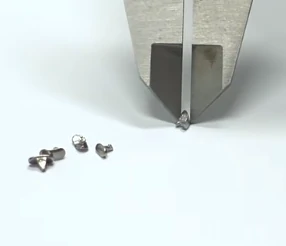
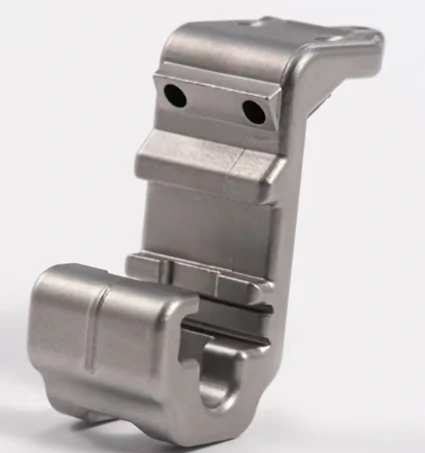
How Does Metal Injection Molding (MIM) Enhance Surgical Tools?
In modern surgical tool manufacturing, Metal Injection Molding (MIM) offers unique advantages that go beyond traditional fabrication methods. The technology can process stainless steel, titanium, and other biocompatible metals into complex geometries while maintaining high strength and long-term durability.
These attributes are particularly valuable for instruments such as drill bits, endoscopic tool components, and other specialized surgical tools, where precision, reliability, and mechanical performance are critical.
Additionally, the design flexibility of MIM allows engineers to create customized solutions for diverse medical needs. This capability supports the development of surgical tools tailored to specific procedures, patient requirements, or innovative minimally invasive techniques, driving both functionality and efficiency in modern healthcare.
What Are the Future Trends in Medical Metal Injection Molding (MIM) ?
Metal Injection Molding (MIM) has already transformed the production of medical devices, yet the technology continues to evolve. A key development on the horizon is the integration of additive manufacturing (MAM) with MIM, which promises to expand design possibilities and enable the creation of highly complex, custom, and patient-specific devices.
Emerging trends in global healthcare, such as robotic-assisted surgery, minimally invasive procedures, personalized implants, and rapid diagnostic tools, are driving higher demands for precision, performance, and scalability in medical manufacturing. Medical MIM is particularly well-suited to address these needs, delivering components with intricate geometries, tight tolerances, and consistent material properties at production scale.
As medical technology advances, MIM will continue to play a critical role in enabling innovative device design while supporting cost-effective, high-volume manufacturing, making it an indispensable solution for the next generation of healthcare solutions.
Why Choose Medical MIM Parts Manufacturing in Welleshaft?
Metal Injection Molding (MIM) has become an established manufacturing method for medical applications, especially in the production of medical devices, surgical instruments, and surgical tools that require a balance of precision, consistency, and scalable output. At welleshaft, the process is supported by integrated manufacturing capabilities designed to maintain stable quality across different production requirements.
One key strength is the availability of in-house tooling and manufacturing support, which helps improve control over complex component design and supports flexible material solutions for medical applications. This setup allows smoother coordination from design to production, particularly for parts with detailed geometries.
Production is carried out under controlled conditions, including cleanroom assembly environments, to help maintain cleanliness during critical stages. Where required, ETO sterilization services post-manufacturing are also applied to support the handling requirements of sensitive medical MIM components.
The use of Metal Injection Molding (MIM) in the medical industry continues to grow, supporting the production of surgical instruments, implantable components, and diagnostic device parts. Its ability to produce consistent, detailed, and cost-efficient components makes it suitable for a wide range of medical applications.
At welleshaft, medical MIM solutions are supported by structured process control, in-house tooling, and standardized manufacturing systems. Each part is produced with attention to dimensional accuracy, material consistency, and application requirements commonly seen in medical use.
From surgical tools and instruments to implants and diagnostic components, welleshaft provides medical-grade MIM parts designed to meet typical industry expectations for precision, repeatability, and functional reliability in healthcare environments.
What Are the FAQs About Medical MIM?
What metals can be used in Metal Injection Molding for medical devices?
In Metal Injection Molding (MIM) for medical applications, commonly used materials include stainless steels such as 316L and 17-4PH. These alloys are widely selected because they provide a strong balance of biocompatibility, corrosion resistance, and mechanical strength, making them suitable for surgical tools, implants, and diagnostic equipment components.
Can Metal Injection Molding produce components for minimally invasive surgery?
Yes. Metal Injection Molding (MIM) is highly suitable for minimally invasive surgical instruments. It can produce extremely small and complex geometries required for devices such as endoscopic tools, vessel sealers, surgical staplers, and micro bipolar forceps.
The process supports high repeatability and precision, which is essential for delicate procedures where consistent performance and tight dimensional control are required.
Why is Metal Injection Molding used in diagnostic devices?
Metal Injection Molding (MIM) is widely used in diagnostic devices because it enables the integration of multiple functions into a single compact component. This is especially valuable in equipment with limited internal space.
Through MIM, complex internal structures such as precise flow channels and multi-feature geometries can be formed in one part, reducing assembly complexity while improving reliability and manufacturing efficiency.
Why is Metal Injection Molding important for compact medical device design?
In modern medical applications, device miniaturization requires highly integrated components with complex structures. Metal Injection Molding (MIM) supports this by allowing multiple features to be combined into a single precision-engineered part.
This reduces the number of assembled components, improves structural consistency, and ensures stable performance in compact medical systems such as surgical tools and diagnostic instruments.
This blog was provided by the Welleshaft Engineering Team, led by Mr. Xu, with extensive experience in medical Metal Injection Molding (MIM), delivering high-precision, biocompatible, and scalable solutions for surgical, diagnostic, and implantable devices.

 ไทย
ไทย  English
  Português do Brasil
  Deutsch (Österreich)
  Deutsch (Schweiz)
  English (UK)
  English (Australia)
  English (New Zealand)
  Deutsch
  Français du Canada
  Français
  Français de Belgique
  Italiano
  English (South Africa)
  Português
  Español
  Español de México
  Español de Perú
  Español de Colombia
  العربية
  日本語
日本語  Русский
  한국어
한국어  Tiếng Việt