
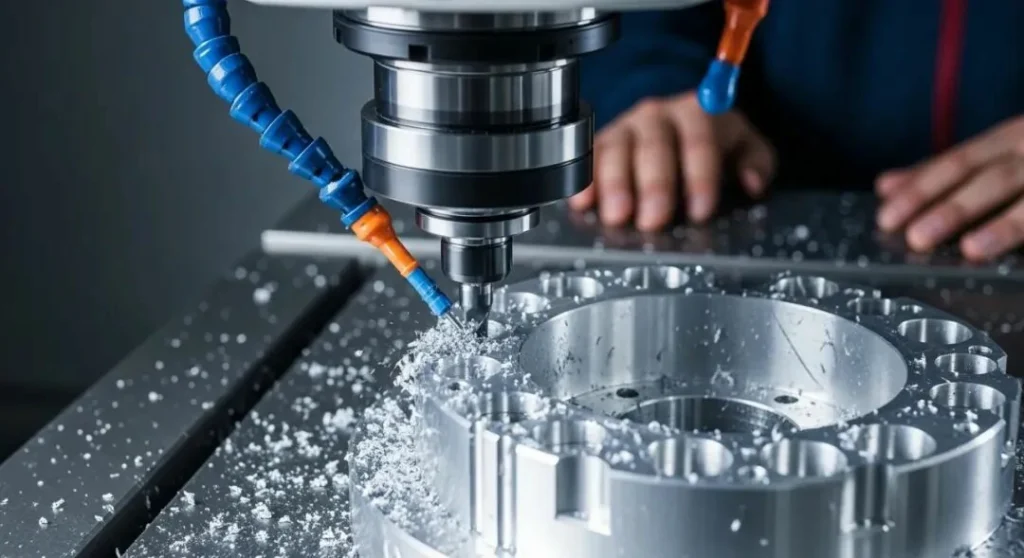
Precision Manufacturing and Engineering: From CNC to Sheet Metal Excellence
Why Are Precision Engineering Services Essential in Manufacturing?
Precision Engineering and Machining Support drives modern manufacturing, ensuring parts meet exact specifications while reducing waste, downtime, and assembly issues. Combining CNC programming, tool design, and advanced process support, manufacturers deliver reliable custom precision machined parts efficiently and consistently.
Why is Precision Engineering Critical for Manufacturers?
Manufacturers leveraging engineering manufacturing services gain clear advantages, as components fit perfectly, machines last longer, and human error is reduced. By integrating precision engineering throughout the CNC workflow, they boost output, support automation, and deliver consistent, high-quality custom precision machined parts that meet stringent industrial standards.
It Creates Highly Precise Movements
Precision Engineering and Machining Support ensures every machine movement is accurate, critical for industrial manufacturing where even small deviations affect quality. By designing, calibrating, and controlling production, it delivers reliable, high-quality custom precision machined parts with minimal waste and maximum efficiency.
It Reduces Inefficient Energy Dispersion
By leveraging manufacturing processing engineering services, manufacturers optimize every mechanism to minimize energy loss and improve machine efficiency. This careful precision engineering reduces operational costs, lowers the carbon footprint, and prevents production errors, ensuring consistent output and high-quality custom precision machined parts across every workflow.
It Eliminates Component Fitting Issues
Using custom precision parts ensures components fit seamlessly, enabling faster assembly lines and smoother automated processes. By combining precise precision engineering and accurate machining, manufacturers reduce downtime, eliminate costly manual adjustments, and boost productivity, efficiency, and the consistent quality of precision machining components across every operation.
It Reduces Ongoing Operational Costs
Investing in high-precision machined components not only reduces maintenance needs but also prevents frequent machine replacements. By applying precision engineering, manufacturers cut unnecessary waste and operational costs, improve durability, and enhance production efficiency, ultimately saving time and money while delivering consistent, high-quality custom precision machined parts.
It Extends the Machine’s Lifespan by Reducing Wear
Consistent precision machining components reduce friction and wear, ensuring every moving part handles the correct load without strain. By applying precision engineering, manufacturers optimize each step of the production process, extend machinery lifespan, maintain high-quality output, and deliver durable, reliable custom precision machined parts that keep operations efficient.
It Increases Safety for Operators
Accurate precision machined metal parts minimize malfunctions and mechanical risks, keeping machinery running smoothly. By leveraging advanced CNC precision machining parts and reliable manufacturing support services, manufacturers enhance operator safety, prevent unexpected failures, and ensure consistent, high-quality performance across every production process.
It Improves Interchangeability of Components
Precision Engineering and Machining Support allows manufacturers to work with standardized parts while designing custom solutions that ensure consistent quality, simplify maintenance, scale production efficiently, and deliver reliable, high-performance precision machined components across all operations.
It Improves Quality and Reduces Scrap
High-quality precision machined parts manufacturers reduce scrap, rework, and reliance on manual checks by designing parts and machines to strict specifications. By combining precision engineering with automation and digital inspection, manufacturers ensure consistent, reliable output, improve efficiency, and deliver top-quality custom precision machined parts for every production run.
It Reduces Human Error
By integrating precision CNC machining parts with automated processes and digital controls, manufacturers minimize human intervention, reduce errors, and boost reliability. Leveraging precision engineering, they ensure every critical step of the machining workflow maintains consistent quality, efficiency, and high-performance output for custom precision machined parts.
It Increases Output and Cycle Time
By applying precision engineering, manufacturers streamline equipment design and workflows, making production more seamless. Precision components manufacturers help factories run faster, increase throughput, and reduce cycle times, enabling higher output without sacrificing quality or safety, while maximizing ROI and delivering reliable custom precision machined parts on tight schedules.
What Do Precision Engineers Do in CNC and Manufacturing Engineering Services?
Precision Engineering and Machining Support unites multiple disciplines to deliver accurate CNC machining solutions, ensuring custom precision parts meet tight tolerances, integrate seamlessly with existing systems, comply with standards, and perform reliably in real-world operations.
5 Engineering Disciplines Needed for Precision Engineering
Mechanical
Mechanical engineers drive the foundation of production by designing machines and parts with precise measurements, movement, and positioning. Their expertise in material selection and durability ensures that precision milled parts and custom mechanical parts meet strict standards, withstand real-world conditions, and deliver reliable, high-quality performance for every manufacturing process.
Electrical
Electrical engineers ensure that machines and automated systems run reliably by precisely designing circuits, sensors, drives, and actuators for precision CNC machine parts. By delivering the exact electrical components and safe power management, they prevent hazards, optimize performance, and keep every production process efficient, accurate, and high-quality.
Computer Software (Programming)
Programming experts develop precise software and CNC code that controls motion, speed, and tool paths for CNC machining precision parts, ensuring every component meets tight tolerances. By combining intuitive interfaces with precision engineering, manufacturers enhance machine efficiency, maintain consistent quality, and deliver reliable custom precision machined parts at scale.
Process
Process engineers design workflows that connect mechanical, electrical, and software solutions, reducing waste and cycle time while keeping operations smooth and coordinated. By applying precision engineering, manufacturers ensure precision machining components are produced efficiently, consistently, and at the highest quality, supporting faster, more reliable production across every workflow.
Quality Control
Quality engineers use advanced metrology tools to inspect every part, ensuring high precision machined parts meet exact tolerances. By combining hands-on inspection with precision engineering, manufacturers reduce rework, continuously improve quality, and build customer trust, delivering reliable, consistent, and high-performance custom precision machined parts every time.
What Is Precision Manufacturing and Its Engineering Solutions?
Precision Engineering and Machining Support combines advanced manufacturing solutions, CNC machining, sheet metal fabrication, and assembly to produce highly accurate custom parts, ensuring tight tolerances, consistent quality, and reliable real-world performance.
What Does Precision Manufacturing Offer?
Accuracy
Every part must meet the exact specifications of the job—emphasis on “exact”—to ensure reliable operation. By following the precise designs crafted by precision engineers, manufacturers deliver custom precision machined parts that align perfectly with expected properties, maintain tight tolerances, and perform consistently across every production run.
Precision
Precision ensures reproducible results across every production run. By applying precision engineering to CNC machining, manufacturers deliver consistent, repeatable output, so each custom precision machined part—whether the first or the fiftieth—meets the exact engineered standards, boosts confidence in production, and maintains high-quality performance throughout.
Tolerance
While total accuracy is ideal, tolerance manages allowable variation within strict limits. By applying precision engineering, manufacturers balance tight specifications with production costs, ensuring every custom precision machined part stays within acceptable limits, delivers consistent quality, and meets performance expectations without compromising efficiency or reliability.
Which Manufacturing Support Services Cover CNC and Precision Machined Parts?
Manufacturing support services provide end-to-end solutions, from design to precision machining parts production. Key services include:
CNC Programming – Metallic
Precision Engineering and Machining Support applies precise control to metal components using 3- to 5-axis CNC programming, fixture design, and simulation verification, streamlining production, improving accuracy, and consistently delivering high-quality precision machined metal parts.
CNC Programming – Composite
Tool and Fixture Design
Specialized custom setups for high-accuracy production help manufacturers achieve precise and reliable results for complex aerospace parts. By designing machine restraint fixtures, composite layup tools, trim tools, and stretch form tools, engineers ensure stability, durability, and exact tolerances. This precision engineering supports efficient production and delivers high-quality custom precision components every time.
How Does CNC Enable High-Precision Machined Components?
CNC technology transforms design into reality by combining precision engineering machining services with automated, repeatable processes.
Design Optimization
Engineers use advanced CAD systems to optimize part geometry, reducing stress, enhancing fit, and improving efficiency, which is essential for precision machined components suppliers. By collaborating closely with manufacturers, they refine designs to balance performance and manufacturability, ensuring every custom precision machined part meets exact specifications and delivers reliable, high-quality results.
Programming Excellence
CNC programs control every cut, ensuring precision CNC machining parts match design specifications with minimal deviation. By translating complex designs into precise machine instructions, specialists enable manufacturers to produce intricate components consistently. This combination of expertise and precision engineering guarantees high-quality, reliable, and repeatable custom precision machined parts for every production run.
Material Selection
Choosing the right metals, composites, or alloys is critical to ensure custom precision components perform reliably under intended conditions. By working with aluminum, stainless steel, tool steels, exotic alloys, engineering plastics, and high-density materials, manufacturers leverage precision engineering to optimize strength, durability, and functionality, delivering consistent, high-quality parts for every application.
Precision Execution
High-precision machines translate digital designs into real-world parts, enabling precision machined components manufacturers in USA to deliver consistent quality. By using advanced CNC tools and monitoring every step from roughing to finishing, manufacturers apply precision engineering to ensure each custom precision machined part meets exact specifications, performs reliably, and maintains exceptional standards.
Quality Verification
Every component undergoes rigorous final inspection and metrology using state-of-the-art measuring equipment, ensuring tolerances are met at every stage. By applying precision engineering, manufacturers deliver high-quality precision machined parts for industrial applications, guaranteeing each custom precision machined part meets exact specifications, performs reliably, and upholds strict quality standards.
Which Industries Rely on Custom Precision Machined Parts?
Industries Served
| Industry | Common Applications |
| Автомобили | Engine components, transmission parts |
| Медицина | Surgical tools, implants |
| Industrial | CNC machinery, conveyor systems |
| Aerospace | Precision components for navigation & engines |
The Complete Manufacturing Partner
By integrating precision machining components, sheet metal fabrication, and assembly, manufacturers create a complete, reliable supply chain solution. Beyond CNC expertise, combining wire EDM, stamping, engineering, prototyping, and strict quality assurance streamlines operations, ensures seamless coordination, and delivers high-quality custom precision machined parts with consistent performance across every production run.
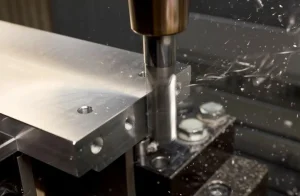
How Do Precision Sheet Metal and Machining Services Integrate?
In modern precision manufacturing, every component matters, as does how it’s made. By combining precision sheet metal fabrication with CNC machining, manufacturers create versatile solutions that deliver both strength and accuracy. Understanding how these disciplines complement each other allows production of high-quality, dimensionally accurate precision machined components while optimizing efficiency and performance across the workflow.
Understanding Precision Sheet Metal Fabrication
Precision sheet metal fabrication transforms flat metal sheets—steel, aluminum, or stainless steel—into strong, lightweight components with exact dimensions. Specialists cut, form, bend, join, and finish metals to create brackets, panels, enclosures, and frames. By combining repeatability, scalability, and precision engineering, manufacturers deliver high-quality precision metal fabricators solutions that optimize production efficiency and performance across industrial applications.
Understanding Machining
CNC machining removes material from solid workpieces to produce precision milled parts with tight tolerances and intricate geometries. By combining milling, turning, drilling, and tapping, manufacturers achieve high accuracy and surface quality for gears, shafts, fixtures, and tooling components. With advanced CNC programming and automation, precision machining components suppliers deliver reliable, repeatable, and high-performance parts for aerospace, automotive, and industrial applications.
Different Strengths, One Manufacturing Ecosystem
Precision sheet metal fabrication and machining serve distinct roles but together form the backbone of modern manufacturing. Fabrication excels at building lightweight, scalable structures, while machining delivers intricate details and tight tolerances. By combining these disciplines, manufacturers provide integrated machinery solutions for custom applications, improving efficiency, precision, and overall value.
| Parameter | Precision Sheet Metal Fabrication | Machining |
| Material Type & Form | Flat metal sheets (steel, aluminum, stainless steel) | Solid metal blocks or billets |
| Material Thickness | Thin to moderate (up to 6mm) | Thick or solid pieces |
| Production Speed | Faster for high-volume runs | Slower but highly precise |
| Cost Efficiency | Economical for large/lightweight parts | Higher cost per part, ideal for low-volume/high-precision projects |
| Design Flexibility | Large, flat, or bent structures | Intricate 3D or contoured geometries |
| Tolerance Levels | ±0.010” typical | ±0.001” or better |
| Common Applications | Enclosures, brackets, panels, cabinets | Gears, shafts, fixtures, precision components |
Common Sheet Metal Fabrication Applications
Precision sheet metal fabrication is perfect for creating panels, enclosures, chassis, and housings used in electronics, automotive, and industrial equipment. By handling everything from design to cutting, welding, and finishing, manufacturers ensure consistent quality, functional performance, and clean presentation. This approach also supports high-volume production with cost efficiency while delivering precision metal fabricators solutions on time.
Common Precision Machining Applications
Precision machining excels when gears, shafts, medical components, and custom machinery parts demand tight tolerances and complex geometries. By focusing on intricate detailing, threading, and drilling, manufacturers ensure every component meets exact specifications. This approach enhances repeatability, supports low-volume or custom production, and delivers high-precision machined parts where every micron counts.
Integration: Combining Both Processes for Complete Manufacturing Solutions
By merging precision sheet metal fabrication and precision machining, manufacturers achieve structural integrity, functional complexity, and efficient production. For instance, a fabricated enclosure often requires machined mounting holes or exact edges to fit seamlessly with other components. Aligning both processes reduces lead times, ensures tighter quality control, and streamlines workflows, delivering a complete, scalable manufacturing solution.
What Opportunities Exist for CNC Precision Machining Suppliers?
The ability to deliver precision CNC machining parts with exceptional accuracy opens lucrative opportunities for suppliers. By focusing on efficiency, reduced cycle times, minimized waste, and high customer satisfaction, precision machining components manufacturers can serve multiple industries, innovate with advanced materials, and achieve a strong ROI while standing out in competitive markets.
Efficiency
By leveraging precision engineering, manufacturers streamline workflows and optimize every system that integrates with their machines. With precise tooling and carefully designed processes, precision machining components minimize waste, cut rework, and reduce cycle time, boosting operational efficiency and overall production performance.
Versatility
With precision engineering, CNC machines become highly versatile, handling metals, composites, and exotic alloys with ease. This allows metal machined parts suppliers to produce intricate, premium components, expand their capabilities, fulfill more orders, and drive revenue growth while meeting diverse customer demands.
Innovation
By leveraging advanced techniques like multi-axis CNC, precision sheet metal forming, and custom machining, manufacturers unlock new capabilities and stand out in the market. These technologies enable production of highly defined parts, from medical devices to specialized components, creating fresh business opportunities.
How Do Precision Manufacturing and Engineering Services Work Together?
Without a strong foundation in precision engineering, scaling precision manufacturing is impossible. Skilled engineers analyze workflows, production needs, and processes to design the right CNC solutions. By integrating design, machining, and quality control, manufacturers achieve repeatable, high-value results efficiently.
How Methods Deliver Precision for Customers
By combining manufacturing engineering services, CNC machining, and sheet metal fabrication, manufacturers achieve tight tolerances, high efficiency, and reliable performance. Experienced engineers design solutions from the ground up, integrate them with existing workflows, and validate each part through controlled testing to ensure precision and repeatable results.
Why Choose Welleshaft for Precision Manufacturing and Engineering Services?
At Welleshaft, we specialize in custom precision machined parts and precision sheet metal fabrication, offering end-to-end manufacturing support services for global industries. Our expertise ensures quality, efficiency, and compliance, making us the trusted partner for precision components.
About Precision Manufacturing and Engineering Services FAQS
What Types of Precision Machined Parts and Components Are Available?
We produce everything from precision CNC components and custom mechanical parts to precision machined metal parts for diverse industrial applications.
How Can Manufacturing Support Services Improve Production Efficiency?
Through optimized manufacturing engineering solutions, precise CNC programming, and integrated workflows, manufacturers reduce waste, errors, and downtime.
Which Industries Benefit Most from CNC and Sheet Metal Solutions?
Automotive, industrial machinery, medical, aerospace, and electronics industries rely on precision machining components manufacturers to deliver high-quality, reliable parts.
This blog was provided by the Welleshaft Engineering Team, led by Mr. Zhang, specializing in precision CNC machining, sheet metal fabrication, and integrated manufacturing solutions. Their expertise helps manufacturers achieve high-quality, reliable, and efficient custom parts for automotive, aerospace, medical, and industrial applications.

 Русский
  English
  Português do Brasil
  Deutsch (Österreich)
  Deutsch (Schweiz)
  English (UK)
  English (Australia)
  English (New Zealand)
  Deutsch
  Français du Canada
  Français
  Français de Belgique
  Italiano
  English (South Africa)
  Português
  Español
  Español de México
  Español de Perú
  Español de Colombia
  العربية
  日本語
日本語  한국어
한국어  Tiếng Việt
  ไทย
ไทย