
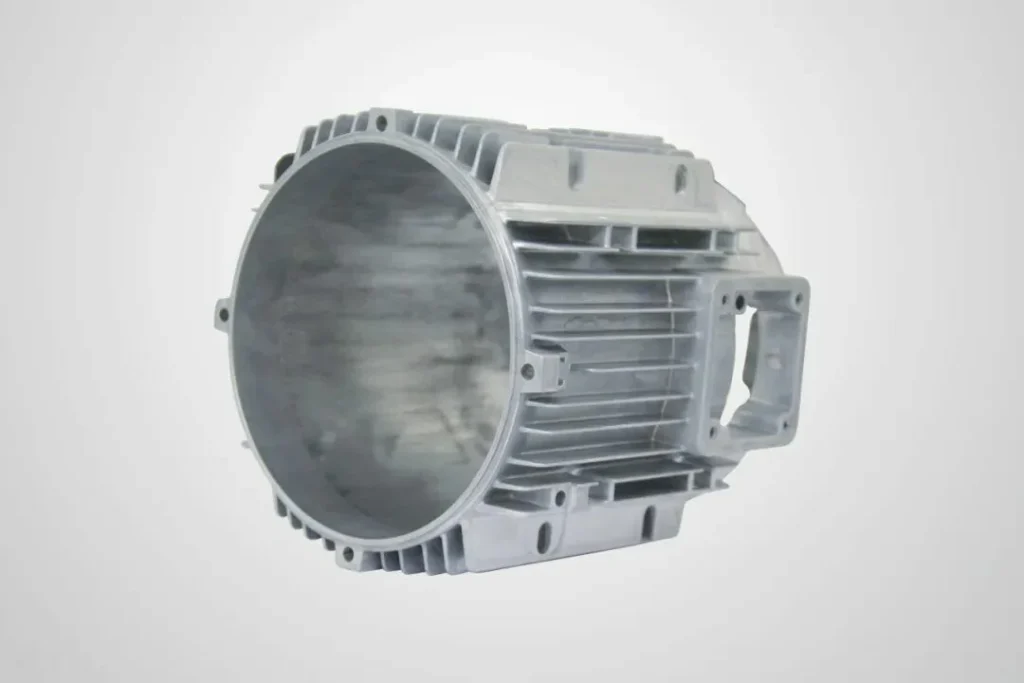
Aluminum Motor Housing for Motion Control: Custom Manufacturing Solutions What is a Motor Housing? A motor housing is the external enclosure of an electric motor, designed to protect key components such as the rotor, stator, bearings, windings, and commutator while maintaining precise alignment for optimal performance.An Aluminum Motor Housing for Vehicle & Motion Control further enhances efficiency by offering lightweight strength and superior heat dissipation, making it ideal for automotive and precision motion applications. A high-quality motor housing delivers several critical benefits: Precision Tolerance:Maintains exact alignment of internal components for consistent operation. Durability:Resists vibration, mechanical stress, and temperature fluctuations to prolong motor life. Sealing Performance:Prevents oil leakage and shields components from […]
Happy Chinese New Year 2026! welleshaft sincerely appreciates your continued trust and the smooth collaboration over the past year. It’s been a true pleasure working with you, and welleshaft is grateful for the opportunity to grow alongside you. As welleshaft steps into the Year of the Horse, we wish you and your team a strong, successful start and a year ahead filled with outstanding achievements. Should you have new goals or projects in the coming year, welleshaft would be delighted to support you every step of the way. Here’s to even greater results and deeper partnership in 2026. Warmest regards, welleshaft Team
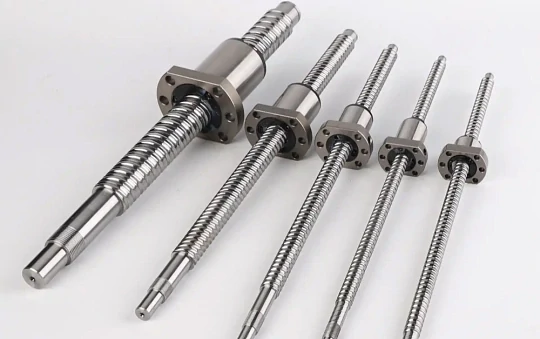
Ball Screw Machining: Complete Guide to Process, End Machining & Hard Turning What is ball screw machining? Ball Screw Machining (also referred to as Ball Screw Maching) unlocks exceptional precision—a high-performance manufacturing process that uses precision-engineered ball bearings to convert rotary motion into smooth, reliable linear motion. First and foremost, this advanced ball screw machining technique is trusted across aerospace, semiconductor, and medical device manufacturing—industries where micron-level accuracy is non-negotiable. How does it work? Ball screws guide bearings along the screw axis, enabling friction-free linear movement with unmatched consistency. As a result, ball screw machining enables complex geometries with outstanding repeatability and zero compromise on quality. Moreover, our tailored ball […]
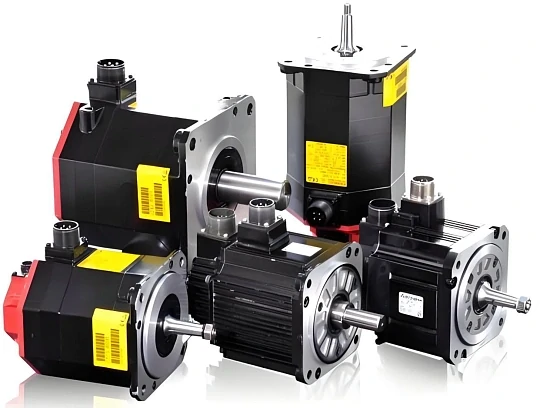
Complete Guide to Servo Motors: How They Work, Applications, and Precision CNC Housing Machining What is a Servo Motor? A servo motor operates through the principles of electromagnetism, where a generated energy field powers the rotor. Over time, continuous advancements have transformed these devices from auxiliary drives into reliable main drives for a wide range of industrial applications. Today, a modern servo motor features a compact, space-saving design, offers flexible adaptability, and enables highly dynamic and precise operations. As a result, businesses can achieve more efficient, accurate, and scalable automation processes by integrating these motors into their systems. What Are the Key Advantages of Servo Motors in Industrial Automation? Enhanced Precision and Accuracy […]
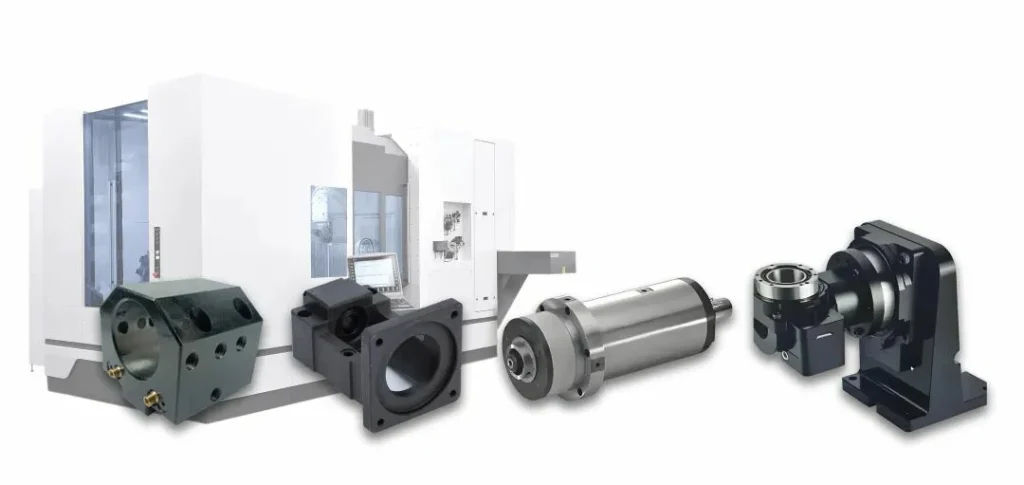
Industrial Automation Supplier & Parts Solutions for Global Manufacturing What Are Industrial Automation Parts? Industrial automation parts encompass a broad range of electrical and electronic components designed to control, monitor, and automate machines, production lines, and industrial processes across factories, warehouses, and manufacturing plants. In today’s competitive manufacturing environment, businesses increasingly rely on industrial automation parts to streamline operations and reduce dependency on manual labor. As a result, these components play a critical role in helping manufacturers improve process consistency, enhance workplace safety, and significantly increase production output—all while maintaining stable performance. Moreover, when integrated into a complete automation system, these parts work together to ensure continuous, uninterrupted operation. This is especially […]
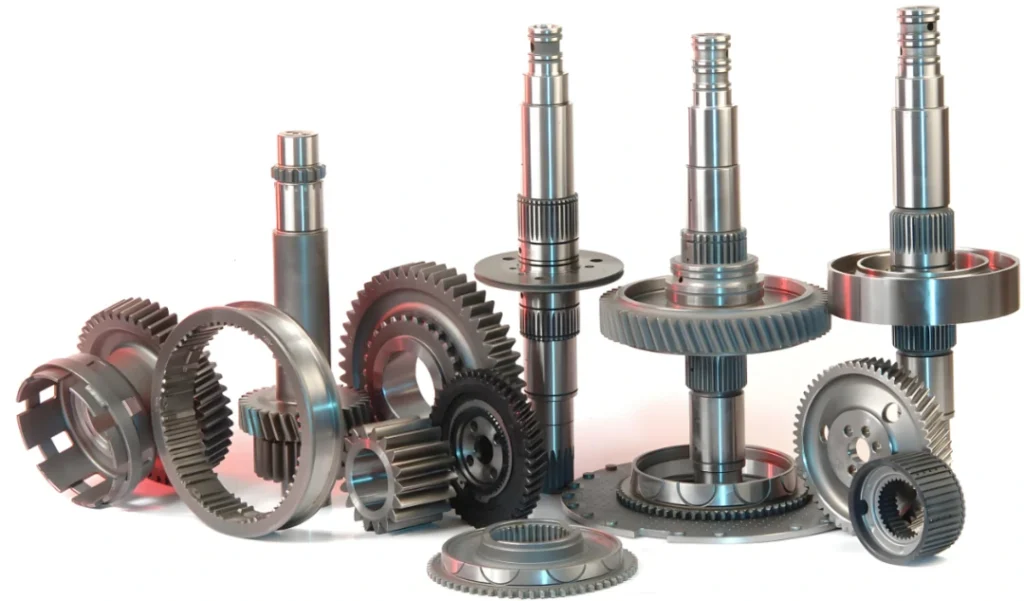
Industrial Machinery and Manufacturing Equipment: Components, Types, and Applications What is Industrial Machinery? Industrial machinery is a collective term for a wide range of machine tools, industrial machinery components, and manufacturing equipment designed for use in manufacturing and industrial environments. In practice, manufacturers rely on industrial machinery in large-scale production settings to carry out specific operations and deliver consistent product output. As a result, it effectively replaces manual labor when handling heavy, complex, or high-risk tasks, while simultaneously improving production efficiency and overall quality. Moreover, industrial machinery plays a critical and irreplaceable role in modern industrial production. It covers everything from basic mechanical tools to highly automated production lines and robotic systems. At […]
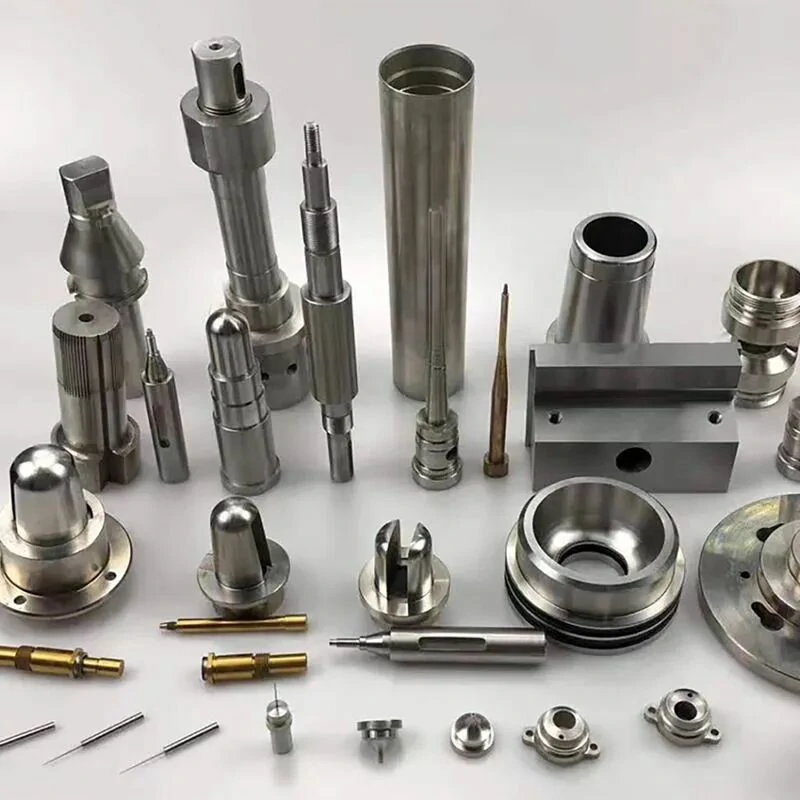
Tight Tolerance Machining: How to Achieve High-Precision CNC Parts What is Tight tolerance machining ? In modern manufacturing, machining tolerance refers to the allowable variation in a part’s physical dimensions, usually expressed as plus or minus values from the nominal size. When components are produced with extremely minimal deviation—often within thousandths of an inch or even microns—they are considered to have tight tolerances. In CNC machining, this level of precision means dimensional variations can be as small as ±0.001 inches (25 microns) or even tighter, depending on the application, material, and part geometry. Achieving tight machining tolerances requires advanced CNC equipment, skilled operators, and strict process control, but the payoff is significant. Precision parts […]
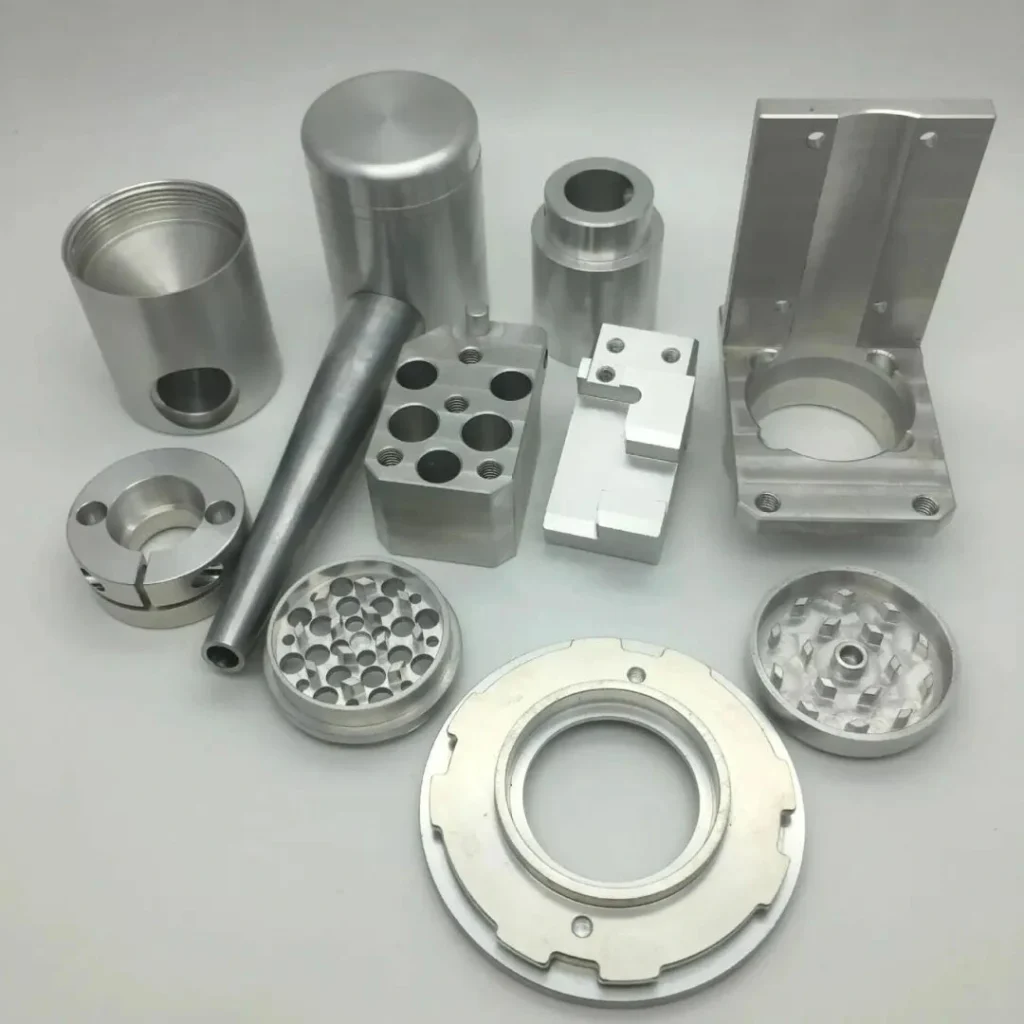
Small Batch CNC Machining: A Complete Guide to Low-Volume Production What is Small Batch CNC Machining? Small Batch CNC Machining is not simply a variation of traditional machining; it represents a strategic innovation in manufacturing and supply chain management. At its core, it transforms physical molds into digital models, shifting production from a capital-intensive, long-cycle predictive approach to a capital-light, fast-response, on-demand manufacturing model. This approach bridges the gap between prototyping and mass production, delivering precise parts in small quantities without costly tooling or excess inventory. It is especially suitable for projects where customization, intricate design, and high precision are paramount. Why It Matters for Modern Manufacturing and Product Innovation? Accelerating Innovation and Flexibility […]
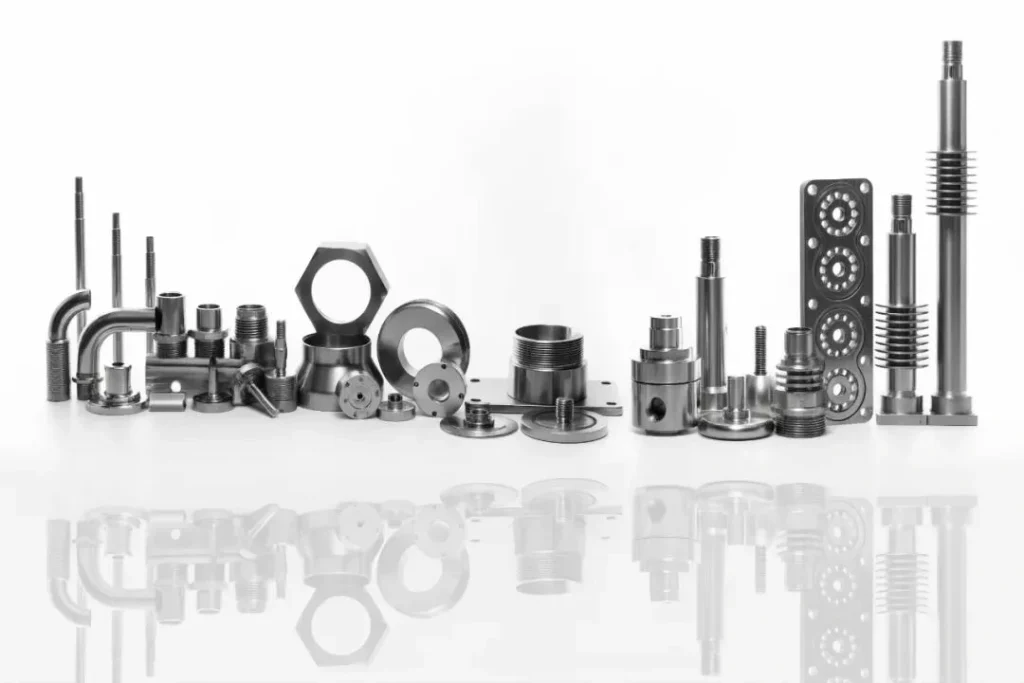
Non-Standard Precision Parts: Materials, Processing, Applications & Supplier Guide What are Non-Standard Precision Parts? Non-standard parts are components without strict industry standards, with specifications primarily controlled by manufacturers or defined by customers. They can be broadly divided into metal and non-metal categories. Metal non-standard parts are typically made to customer drawings, with molds, tolerances, and finishes tailored to project needs. Their manufacturing process is complex—from casting to finishing—and generally more costly than standard parts. Non-metal parts, such as those made from plastic, wood, or stone, have benefited from technologies like injection molding and CNC programming, enabling tighter tolerances and more sophisticated designs. Non-standard precision parts meet specific requirements beyond standard […]
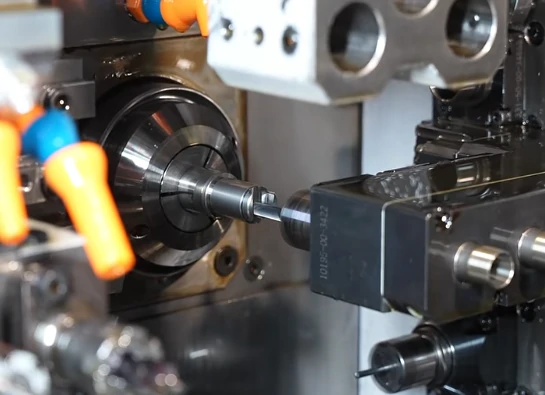
Precision CNC Machining of Precision Machined Shafts: Design, Materials, Processes & Applications What Are Machined Shafts? A machined shaft is a cylindrical mechanical component used to transmit torque and rotational motion between different machine parts. Typically made from metals such as steel, stainless steel, aluminum, or titanium, these shafts are manufactured using precision CNC machining shafts techniques to achieve the required dimensions, tight tolerances, and surface finishes for high-performance applications. Solid shafts are uniform, high-strength, and rigid components ideal for heavy-load applications, while hollow shafts are lightweight alternatives designed to reduce weight without compromising strength, making them suitable for applications where efficiency and weight savings are critical. What Are the […]
 日本語
日本語  English
  Português do Brasil
  Deutsch (Österreich)
  Deutsch (Schweiz)
  English (UK)
  English (Australia)
  English (New Zealand)
  Deutsch
  Français du Canada
  Français
  Français de Belgique
  Italiano
  English (South Africa)
  Português
  Español
  Español de México
  Español de Perú
  Español de Colombia
  العربية
  Русский
  한국어
한국어  Tiếng Việt
  ไทย
ไทย