
Surface Treatments for Industrial and Custom Metal Components
What Are Comprehensive Surface Treatments for Mechanical and Metal Components?
We provide a wide range of surface treatments designed to enhance the durability, appearance, and performance of metal components. These treatments include both electrochemical and mechanical processes, which can be performed in-house or through trusted external partners to ensure flexibility and high-quality results.
| Surface Treatment | Description | Benefits | Typical Materials |
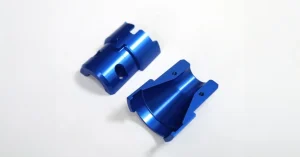
| Anodizing | Electrochemical process that thickens the natural oxide layer on metal surfaces | Corrosion resistance, non-conductive, improved wear | Aluminum, light metals |
| Electroless Plating | Chemical deposition of metal coatings such as nickel-phosphorus | Corrosion protection, wear resistance, decorative finish | Metals, alloys |
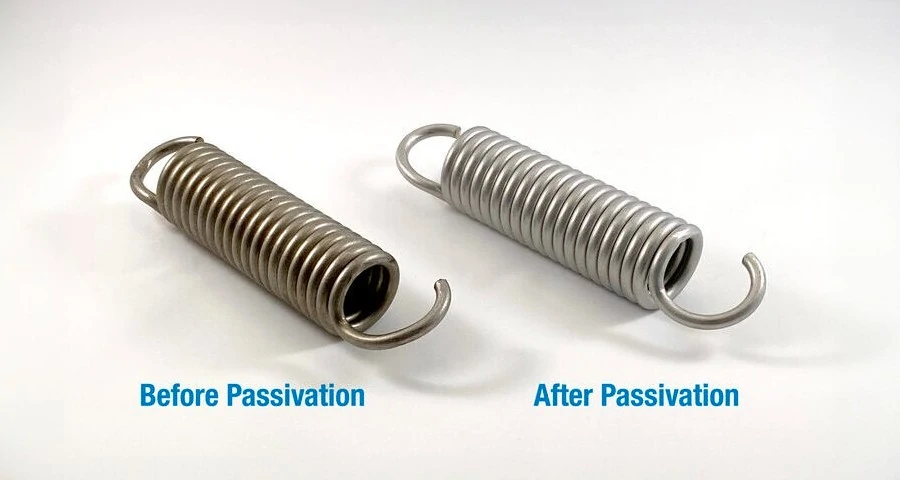
| Passivation | Acid treatment removing free iron from surfaces | Prevents corrosion | Stainless steel, copper |
| Chromating | Conversion coating forming a passivated metal chromate layer | Enhanced durability, reduced reactivity | Aluminum, zinc, other metals |
| Electropolishing | Electrochemical polishing and deburring | Smooth surface, improved cleanliness | Stainless steel, alloys |
| Mechanical Surface Treatments | Sandblasting, vibratory deburring, manual polishing, buffing, Teflon spray coating, stress relieving, hardening | Improves surface finish, hardness, performance | Metals of various types |
By combining flexible in-house capabilities with a network of reliable partners, these treatments can be tailored to meet strict performance and quality standards, ensuring components achieve optimal functionality and longevity.
What Types and Techniques of Metal Surface Finishing Are Commonly Used?
We provide a comprehensive range of stainless steel surface finishing solutions designed to enhance the performance, durability, and visual appeal of custom and non-standard metal components:
Sandblasting
An abrasive blasting process that propels media such as steel shot, silicon carbide, or glass beads at high speed through a nozzle to achieve a controlled, uniform surface finish. This process effectively removes surface imperfections and prepares parts for coating or further processing.
Electropolishing
An electrochemical finishing method that polishes, passivates, and deburrs stainless steel by removing the outer surface layer. As a result, it eliminates micro-cracks, pits, and embedded contaminants, significantly improving corrosion resistance, cleanliness, and long-term performance.
Belt Polishing
A mechanical polishing technique that produces decorative, aesthetic, or high-luster mirrored finishes on various stainless steel grades. Manufacturers rely on this process to meet precise specification requirements and enhance product appearance.
Black Oxide
A chemical conversion coating formed by immersing ferrous metals and alloys in a high-temperature solution. This process creates a durable blackened surface that improves wear resistance while maintaining dimensional accuracy.
Centerless Ground Finish
A precision grinding method that delivers a consistent surface appearance with visible circumferential scratch lines. Depending on specification requirements, finishes can range from smooth to coarse, making this process ideal for functional and structural components.
Passivation
An acid treatment that removes free iron from stainless steel surfaces before it reacts with moisture and oxygen. By preventing rust formation, this process enhances corrosion resistance and extends service life.
By integrating these stainless steel surface finishing processes into your manufacturing strategy, you improve part longevity, meet strict technical specifications, and enhance product value in competitive markets. Whether you require corrosion-resistant stainless steel finishes, decorative metal polishing, or precision surface treatment for custom components, selecting the right finishing method directly impacts performance, reliability, and customer satisfaction—ultimately strengthening your product’s commercial success.
What Are the Advantages and Benefits of Advanced Surface Treatment Expertise?
We offer stainless steel finishes that combine functionality, durability, and visual appeal, making them an ideal choice for a wide range of applications:
- Aesthetically Pleasing: Stainless steel finishes provide a modern, clean, and visually appealing look, enhancing the design and perceived value of components and products.
- Adaptability: Suitable across industries such as automotive, medical, and food processing, these finishes can be applied to parts and tools for various operational needs.
- Corrosion Resistance: Designed to withstand high-moisture and chemically aggressive environments, stainless steel finishes prevent rust and maintain performance over time.
- Environmental Friendliness: Fully recyclable, these finishes support sustainable manufacturing practices and reduce environmental impact.
- Hygienic: Easy to clean and maintain, stainless steel surfaces are ideal for medical instruments, food processing equipment, and other applications requiring high hygiene standards.
- Durability: Resistant to wear and tear, these finishes require minimal upkeep, delivering cost-effective long-term performance.
- Long-Lasting: Able to withstand frequent use and high-traffic environments, stainless steel finishes maintain both appearance and functionality for years.
By choosing stainless steel finishes, manufacturers of custom and non-standard components can enhance product quality, reduce maintenance costs, and achieve visually attractive, reliable results that meet both technical and commercial requirements.
How Should Treated Metal Components Be Maintained and Cared For?
Proper maintenance plays a critical role in preserving the appearance, corrosion resistance, and long-term performance of stainless steel components. By following structured cleaning and protection practices, manufacturers and end users can reduce surface damage, prevent premature corrosion, and protect product value in demanding industrial environments:
- Clean Regularly: Establish a routine cleaning schedule to prevent dirt, grime, and smudges from accumulating. Use a soft cloth with a mild detergent solution to maintain surface integrity. Regular maintenance not only preserves appearance but also extends service life.
- Avoid Harsh Chemicals: Refrain from using bleach, ammonia, or acid-based cleaners, as these chemicals can damage the stainless steel finish. Instead, choose cleaning agents specifically formulated for stainless steel to ensure safe and effective results.
- Use the Right Tools: Select soft brushes or non-abrasive sponges when cleaning. Avoid wire brushes, steel wool, or abrasive pads that can scratch the surface and compromise corrosion resistance. Additionally, dedicate cleaning tools exclusively to stainless steel to prevent cross-contamination from carbon steel particles.
- Maintain Passivation: If the surface has undergone passivation, maintain the protective layer through proper cleaning and care. Preserving the passive film ensures optimal corrosion resistance, especially in moisture-rich or chemically aggressive environments.
- Follow the Grain Direction: When cleaning brushed stainless steel finishes, always wipe along the grain direction. This practice prevents visible scratch marks and maintains a uniform aesthetic finish.
- Protect During Transport and Storage: Apply protective films or covers during transportation and storage to prevent scratches, dents, and surface contamination. Early protection reduces rework costs and maintains product quality before installation or assembly.
What Are the Key Applications of Metal Surface Treatment in Industrial Components?
Stainless steel surface treatment plays a critical role across multiple industries where durability, cleanliness, and precision directly impact product performance and commercial value. By applying the right finishing and preparation processes, manufacturers enhance corrosion resistance, improve surface quality, and meet strict industry standards:
Construction
Used for surface treatment of stainless steel structures and components such as handrails, bridges, and architectural features. Proper finishing enhances visual appeal while protecting against corrosion in outdoor and high-exposure environments.
Electronics
Applied in the production of electronic components where a clean, smooth, and contaminant-free surface is essential for performance, conductivity stability, and long-term reliability.
Aerospace
Utilized for surface preparation and finishing of aircraft components to ensure structural integrity, cleanliness, and compliance with demanding engineering specifications.
Automoción
Used to clean and prepare engine components, body panels, and precision parts, creating smooth surfaces ready for painting, coating, or assembly while improving durability and finish quality.
Marine
Essential for maintaining ships, boats, and offshore structures by removing rust, marine growth, and contaminants, thereby extending service life in harsh saltwater environments.
Pharmaceutical
Critical for equipment and facility surfaces that require high levels of cleanliness, helping prevent contamination and maintain hygienic production standards.
Manufacturing
Widely adopted for surface finishing, deburring, and cleaning metal parts in custom and non-standard component production, ensuring dimensional accuracy and consistent quality.
Petróleo y gas
Applied to pipes, valves, and heavy-duty equipment exposed to extreme environments, improving corrosion resistance and ensuring long-term operational reliability.
By integrating stainless steel surface treatment solutions into industry-specific applications, manufacturers increase product lifespan, meet regulatory requirements, and reduce maintenance costs. Selecting the right surface finishing method not only strengthens operational performance but also enhances market competitiveness and customer trust in high-demand sectors.
Why Choose Welleshaft for Surface Treatment and Precision Manufacturing Solutions?
At Welleshaft, we provide surface treatment and precision manufacturing solutions aimed at improving component performance, durability, and reliability. We offer a range of customized surface finishing options to meet specific technical requirements and industry standards. Our services cover the entire production workflow—from initial machining to final surface finishing—ensuring efficient coordination and consistent quality.
Based in China with facilities supporting global operations, Welleshaft follows strict quality assurance protocols and utilizes appropriate testing equipment to maintain performance and reliability standards. By combining local manufacturing expertise with international support, we deliver precision-engineered components for a variety of industries, helping customers achieve reliable results and maintain product longevity.
FAQ
What are the common surface treatments for stainless steel?
Key stainless steel surface treatments include passivation, pickling, electropolishing, and mechanical cleaning. These processes improve corrosion resistance, remove contaminants, and ensure reliable performance in piping systems, pressure vessels, tanks, and precision machined parts. Choosing the proper treatment enhances service life and ensures compliance with demanding industry standards.
How do you smooth a stainless steel surface?
To achieve a smooth finish, technicians progressively sand the surface using abrasive sheets—starting with coarser grits (such as 280), followed by finer grits (400 and 800) to reduce scratch depth. Finally, ultra-fine grit (around 1400) prepares the surface for polishing, enabling a high-luster or mirror finish. This step-by-step method ensures consistent surface quality and premium visual appeal.
What is the best surface treatment for stainless steel?
The best surface treatment depends on the operating environment. For marine or chemically aggressive conditions, passivation and electropolishing significantly enhance corrosion resistance by strengthening the protective oxide layer. By selecting the appropriate stainless steel surface treatment based on application requirements, manufacturers improve reliability, minimize corrosion risks, and maximize long-term product performance.
This blog was provided by the Welleshaft Engineering Team. Led by Mr. Xu, with over 10+ years of experience in precision manufacturing and metal surface treatment, the team specializes in delivering high-quality, durable, and corrosion-resistant components for global industries, ensuring reliability and optimized performance.

 Español de Perú
  English
  Português do Brasil
  Deutsch (Österreich)
  Deutsch (Schweiz)
  English (UK)
  English (Australia)
  English (New Zealand)
  Deutsch
  Français du Canada
  Français
  Français de Belgique
  Italiano
  English (South Africa)
  Português
  Español
  Español de México
  Español de Colombia
  العربية
  日本語
日本語  Русский
  한국어
한국어  Tiếng Việt
  ไทย
ไทย