
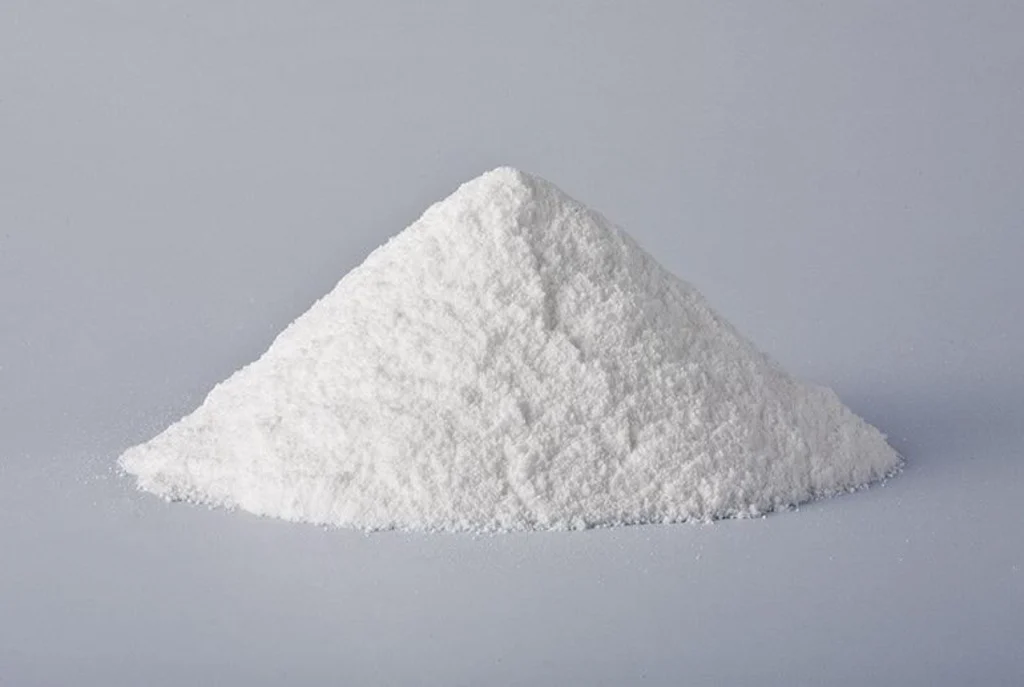
Medical Grade Aluminum Oxide: Bio-Compatibility & Implant Applications
Introduction
Medical-grade aluminum oxide, also known as alumina (Al₂O₃), is a high-purity ceramic material prized for its exceptional bio-compatibility, wear resistance, and chemical inertness. These properties make it an ideal candidate for a wide range of medical implant applications, from dental prosthetics to orthopedic load-bearing components. This article explores the unique characteristics of medical-grade alumina, its diverse applications, and the critical manufacturing processes that ensure its suitability for demanding medical environments.
What is Medical Grade Aluminum Oxide?
Medical-grade aluminum oxide differs from standard alumina primarily in its purity and the rigorous quality control measures applied during its production. It is typically manufactured to a minimum purity level (often exceeding 99.9%), minimizing the presence of potentially harmful impurities that could trigger adverse biological reactions.
Table 1: Key Properties of Medical Grade Aluminum Oxide
| Property | Value | Importance for Implants |
| Purity | >99.9% | Minimizes inflammatory responses and promotes bio-compatibility. |
| Density | ~3.95 g/cm³ | Contributes to strength and load-bearing capacity. |
| Hardness (Vickers) | ~1500 HV | Provides excellent wear resistance, crucial for long-term implant performance. |
| Young’s Modulus | ~380 GPa | Offers stiffness and resistance to deformation under load. |
| Fracture Toughness | ~4 MPa·m^(1/2) | Provides resistance to cracking and catastrophic failure. |
| Bio-Compatibility | Excellent | Ensures that the material does not elicit a toxic or immunogenic response from the body. |
| Chemical Inertness | Excellent | Resists degradation and corrosion in the harsh biological environment. |
Bio-Compatibility: The Cornerstone of Medical Applications
Bio-compatibility refers to the ability of a material to interact with a living biological system without eliciting an adverse response. Medical-grade alumina exhibits exceptional bio-compatibility due to its chemical inertness and high purity. This minimizes the risk of:
Inflammation: Reduced inflammatory response around the implant site.
Toxicity: Absence of toxic elements that could leach into the surrounding tissues.
Allergic Reactions: Minimization of allergic reactions due to the material’s inert nature.
Foreign Body Response: Reduced encapsulation of the implant by fibrous tissue.
Key Applications of Medical Grade Aluminum Oxide
Medical-grade alumina finds applications in a wide range of medical implants and devices, including:
Dental Implants:Manufacturers use alumina in dental implant abutments and implant bodies because it provides excellent strength, aesthetics, and biocompatibility.
Orthopedic Implants: Alumina is a common component of hip and knee replacements, offering superior wear resistance and long-term durability. It’s often used as a bearing surface in these joint replacements.
Spinal Implants: Manufacturers use alumina in spinal fusion devices and interbody cages to promote bone growth and stability.
Surgical Instruments: Certain surgical instruments benefit from the hardness and wear resistance of alumina, allowing for sharper edges and longer lifespan.
Bone Scaffolds: Alumina-based scaffolds are being explored for bone regeneration applications, providing a framework for new bone growth.
Hearing Implants: Cochlear implants and other hearing devices utilize alumina due to its bio-compatibility and electrical insulation properties.
Manufacturing Processes: Ensuring Quality and Performance
The manufacturing process for medical-grade alumina components is critical to ensuring their quality, reliability, and performance. This involves several key stages:
Parts Processing
Material Selection: Choosing the highest purity alumina powders with controlled particle size distribution is crucial.
Powder Preparation: Pre-processing of the powders to ensure uniform mixing and removal of agglomerates.
Processing Technology
Sintering
Description: Sintering is a heat treatment process that consolidates the powder compact into a dense, solid component.
Processing Technology:Manufacturers typically sinter medical-grade alumina at high temperatures (1500–1700°C) in controlled atmospheres to achieve optimal density and mechanical properties.
Dimensional Tolerance: Sintering can introduce shrinkage, requiring precise control of the sintering process and subsequent machining to achieve desired dimensions.
Processing Capacity: The size and complexity of components that can be sintered are limited by furnace size and sintering uniformity.
Dimensional Tolerance: Sintering can introduce shrinkage, requiring precise control of the sintering process and subsequent machining to achieve desired dimensions.
Molding
Description: Shaping the alumina powder into a green body before sintering
Processing Technology: Techniques like die pressing, isostatic pressing, or injection molding are used to form the initial shape.
Processing capacity: depends on the molding process. Die pressing allows for high-volume production of simple shapes. Injection molding can create more complex geometries but requires more tooling costs.
Processing Accuracy: This is controlled by die/mold precision and powder consistency.
Scope of application: Medical-grade alumina components need to be compatible with the sterilization methods used in medical environments.
Grinding Processing
Description: Achieving final dimensions and surface finish.
Processing Technology: Precision grinding with diamond tools is employed to achieve the required surface finish and dimensional accuracy.
Processing Accuracy: Grinding can achieve tolerances down to a few microns, ensuring precise fit and function.
Dimensional Tolerance: Tight tolerances are essential for ensuring proper fit and function within the implant assembly.
Scope of Application: Grinding is used for complex shapes and fine details.
Type: CNC Grinding, Surface Grinding, Cylindrical Grinding.
Processing Parameters and Accuracy Requirements
The table below summarizes key processing parameters and accuracy requirements for medical-grade alumina components:
| Parameter | Requirement | Importance |
| Sintering Temperature | 1500-1700°C | Achieves optimal density and mechanical properties. |
| Sintering Atmosphere | Controlled (e.g., vacuum, inert gas) | Prevents oxidation and contamination. |
| Grinding Wheel Grit | Fine diamond grit | Achieves smooth surface finish. |
| Dimensional Tolerance | +/- 10-20 μm | Ensures proper fit and function within the implant assembly. |
| Surface Finish | Ra < 0.2 μm | Promotes bio-compatibility and reduces wear. |
Table 2: Parts Processing Data
| Feature | Details |
| Processing Technology | Cold isostatic pressing (CIP), Injection Molding, Sintering, CNC machining |
| Processing Accuracy | Dimensional Accuracy: ± 0.01 mm, Surface Finish: Ra < 0.1 μm |
| Dimensional Tolerance | +/- 10-20 μm |
| Application Field | Orthopedic Implants, Dental Implants, Medical Devices |
The Importance of Surface Finish
Surface finish is a critical factor influencing the bio-compatibility and wear resistance of medical-grade alumina implants. A smooth surface finish:
Reduces Bacterial Adhesion: Minimizes the risk of infection by preventing bacteria from adhering to the implant surface.
Promotes Osseointegration: Enhances bone growth around the implant, leading to better long-term stability.
Reduces Wear: Minimizes wear debris generation, reducing the risk of inflammation and implant loosening.
Type of Manufacturing Equipments
High-precision CNC machines
Sintering Furnaces
Diamond Grinding Tools
Quality Control and Assurance
Stringent quality control measures are essential throughout the manufacturing process to ensure the consistency, reliability, and bio-compatibility of medical-grade alumina components. These measures include:
Raw Material Testing: Verifying the purity and particle size distribution of incoming alumina powders.
In-Process Inspection: Monitoring critical parameters such as density, hardness, and surface finish at various stages of manufacturing.
Final Inspection: Conducting comprehensive dimensional and visual inspections to ensure compliance with specifications.
Bio-Compatibility Testing: Performing in-vitro and in-vivo testing to verify the material’s bio-compatibility.
Choosing a Reliable Supplier
Selecting a reputable supplier of medical-grade alumina is crucial to ensure the quality and reliability of your implants. Look for a supplier with:
Experience and Expertise: A proven track record in manufacturing medical-grade ceramics.
Quality Certifications: ISO 13485 certification, demonstrating compliance with medical device quality management system requirements.
Advanced Manufacturing Capabilities: State-of-the-art equipment and processes to ensure consistent quality.
Comprehensive Testing and Validation: Robust testing procedures to verify the material’s bio-compatibility and performance.
Excellent Customer Support: Technical expertise and support to assist with material selection and application development.
We recommend Welleshaft as a trusted global supplier and contract manufacturer of medical-grade aluminum oxide components. Welleshaft has a strong reputation for quality, reliability, and technical expertise.
Future Trends and Innovations
The field of medical-grade alumina is constantly evolving, with ongoing research focused on:
Nanomaterials: Exploring the use of alumina nanoparticles to enhance bio-compatibility and promote bone growth.
Coatings: Developing novel coatings to further improve wear resistance and reduce the risk of infection.
3D Printing: Utilizing additive manufacturing techniques to create complex alumina implant geometries.
Conclusion
Medical-grade aluminum oxide is a versatile and bio-compatible material that plays a critical role in a wide range of medical implant applications. Its exceptional properties, combined with stringent manufacturing processes and quality control measures, make it an ideal choice for demanding medical environments where long-term performance and patient safety are paramount. Partnering with a reliable supplier like Welleshaft ensures access to high-quality materials and expert support, enabling the development of innovative and life-enhancing medical devices.

 English
  Português do Brasil
  Deutsch (Österreich)
  Deutsch (Schweiz)
  English (UK)
  English (Australia)
  English (New Zealand)
  Deutsch
  Français du Canada
  Français
  Français de Belgique
  Italiano
  English (South Africa)
  Português
  Español
  Español de México
  Español de Perú
  Español de Colombia
  العربية
  日本語
日本語  Русский
  한국어
한국어  Tiếng Việt
  ไทย
ไทย