
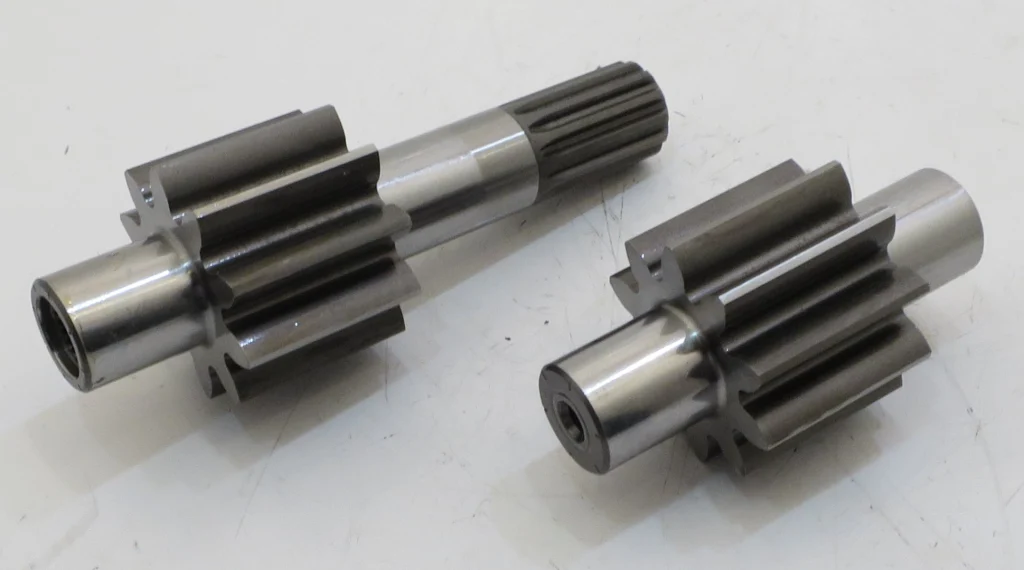
What Makes a Hydraulic Pump Shaft Suitable for OEM Applications?
OEM hydraulic equipment often requires hydraulic pump shafts designed around specific pump configurations, installation conditions and operating requirements. Unlike standard replacement components, these shafts must be manufactured according to application-specific dimensions, connection features and performance requirements.
Selecting a custom hydraulic pump shaft manufacturer requires more than machining capability. The manufacturing partner must understand shaft design, material selection, machining processes, heat treatment and dimensional control to ensure the component matches the final hydraulic system.
These requirements are especially important for construction machinery, industrial equipment and mobile hydraulic systems, where shafts operate under continuous torque, vibration and changing load conditions.
Welleshaft manufactures OEM hydraulic pump shafts based on customer drawings, CAD models, samples or technical specifications. The process includes engineering review, machining, secondary processing and inspection for non-standard shaft components.
As a custom mechanical components manufacturer, Welleshaft focuses on non-standard shaft production for OEM equipment manufacturers and industrial applications.
What Is a Hydraulic Pump Shaft?
A hydraulic pump shaftis a rotating mechanical component that transfers torque from a motor, engine or other drive source to the internal rotating elements of a hydraulic pump.
During operation, the shaft maintains the connection between the drive system and pump assembly while supporting continuous mechanical loads. Its geometry, material strength and machining accuracy directly influence alignment, vibration control and overall equipment performance.
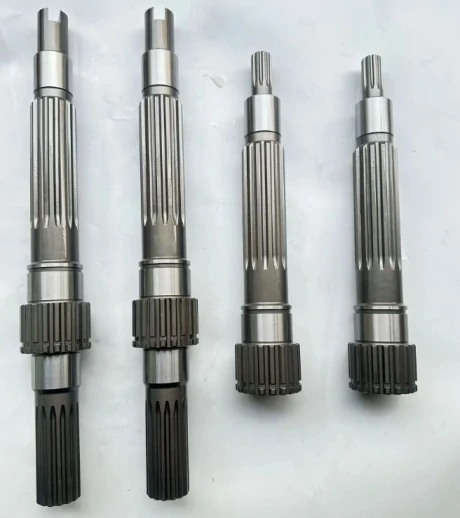
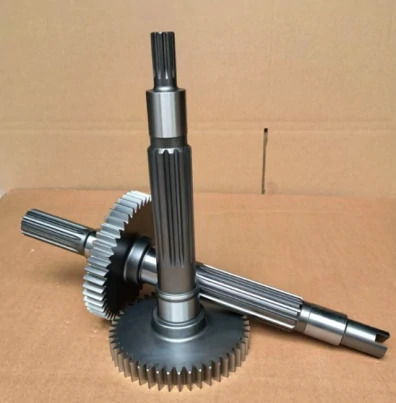
Depending on the pump design and application requirements, a hydraulic pump shaft may include keyways, splines, threaded sections or precision-machined surfaces for bearings, seals and couplings.
For OEM applications, these features are typically developed according to the equipment design rather than selected from standard dimensions. The shaft must match the pump structure, installation conditions and operating loads of the final machine.
Submit Your Drawing for Engineering ReviewWhere Are Hydraulic Pump Shafts Used in Industrial and Mobile Equipment?
Hydraulic pump shafts are used in equipment where hydraulic systems require mechanical power transmission from an engine, motor or drive unit. Although the basic function remains the same, shaft dimensions, materials and machining processes vary depending on the equipment type and operating environment.
When developing a custom hydraulic pump shaft, OEM engineers normally consider factors such as torque load, rotational speed, installation space and pump configuration. These factors determine the shaft structure and manufacturing approach.
Construction Equipment Applications
Excavators, loaders, cranes and bulldozers rely on hydraulic systems for digging, lifting and material handling operations. During operation, hydraulic pump shafts experience repeated torque loads, vibration and frequent load changes.
Hydraulic pump shafts used in construction equipment require appropriate material strength, accurate machining tolerances and connection features designed for the specific hydraulic pump assembly.
Agricultural Machinery Applications
Tractors, harvesters and agricultural equipment use hydraulic systems for steering, lifting and attachment control. These machines often operate for extended periods in outdoor environments where dust, moisture and temperature changes may affect component selection.
For agricultural machinery, hydraulic pump shafts may require different materials, surface treatments or dimensional adjustments depending on the equipment design and operating environment.
Industrial Machinery Applications
Hydraulic presses, injection molding machines and automated production equipment depend on hydraulic systems for controlled movement and high-force operations.
In these applications, shaft accuracy is important because bearing fits, seal surfaces and coupling connections directly influence assembly conditions and operating stability.
Mobile Hydraulic Equipment Applications
Off-road vehicles, specialty vehicles and transport equipment often require compact hydraulic components with specific installation requirements.
A custom hydraulic pump shaft allows OEM manufacturers to adjust shaft geometry, connection features and material selection according to the equipment structure.
For companies sourcing hydraulic components from China, working with a manufacturer experienced in custom machining can simplify the development of non-standard shaft parts.
What Materials Are Used for Hydraulic Pump Shafts?
Material selection is an important part of hydraulic pump shaft design and manufacturing. The selected material depends on factors such as torque load, operating speed, corrosion exposure and expected service conditions.
For most industrial applications, manufacturers commonly choose alloy steel because it offers a balance of strength, toughness and machinability. They select stainless steel and other engineering alloys when their applications require corrosion resistance or specific environmental performance.
Common materials include:
| Material | Characteristics | Typical Applications |
| 4140 Alloy Steel | Good strength, toughness and heat treatment response | Industrial hydraulic systems, construction equipment |
| 4340 Steel | Higher fatigue resistance for heavy mechanical loads | High-load hydraulic applications |
| Stainless Steel | Better corrosion resistance | Marine equipment, chemical and outdoor applications |
| 17-4PH Stainless Steel | High strength with corrosion-resistant properties | Specialized hydraulic systems |
A 4140 hydraulic pump shaft offers a practical balance of mechanical strength, fatigue resistance and machinability. Manufacturers commonly use this material for shafts that must withstand repeated torque loads and mechanical stress.
Depending on the application, manufacturers may apply additional processes such as quenching and tempering, induction hardening, precision grinding and surface coating to achieve the required hardness, wear resistance and dimensional accuracy.
When manufacturing a custom hydraulic pump shaft, engineers should evaluate material selection alongside shaft geometry, connection design and operating conditions to ensure the finished component meets the application’s requirements.
How Are Custom Hydraulic Pump Shafts Manufactured?
Manufacturing a custom hydraulic pump shaft requires more than machining the final shaft geometry. The process must consider the pump design, material properties, dimensional tolerances and operating conditions defined by the OEM application.
Unlike standard replacement shafts, custom hydraulic pump shafts are usually produced based on customer drawings, CAD models, samples or technical specifications. The manufacturing process begins with engineering review to determine the suitable production route before machining starts.
At Welleshaft, hydraulic pump shaft machining is managed through an integrated manufacturing process covering engineering evaluation, CNC machining, secondary processing and final inspection.
Engineering Review and Process Planning
Before machining begins, engineers evaluate the technical requirements of each hydraulic pump shaft project, including component drawings, 3D models, material specifications, dimensional tolerances, surface treatments and assembly conditions.
During this stage, key functional areas such as bearing seats, seal surfaces and coupling sections are reviewed to determine the required machining accuracy and manufacturing approach. These areas directly affect shaft alignment, assembly fit and the operating performance of the hydraulic pump.
For non-standard hydraulic pump shafts, detailed process planning helps define suitable machining methods, heat treatment requirements and inspection procedures before production starts. This early engineering evaluation helps reduce manufacturing risks and ensures the finished component meets the OEM application requirements.
CNC Machining for Hydraulic Pump Shafts
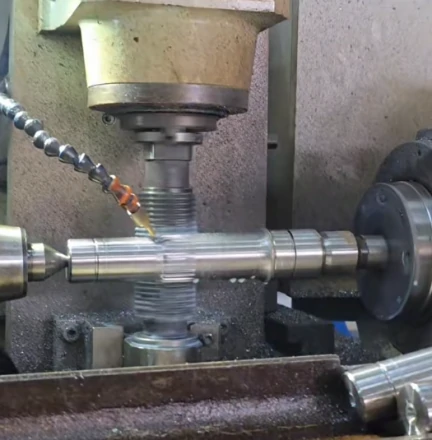
The CNC machining process for hydraulic pump shafts is determined by the shaft geometry, material selection and required dimensional accuracy. Based on customer drawings, CAD models or technical specifications, manufacturers select suitable machining methods to achieve the required shaft features and tolerances.
Typical CNC machining processes for hydraulic pump shafts include:
- CNC turning
- CNC milling
- Keyway machining
- Spline machining
- Precision grinding
These processes create the critical functional areas of the shaft, including bearing mounting surfaces, sealing sections and torque transmission features. Accurate machining of these areas is essential for proper assembly, alignment and stable operation of the hydraulic pump system.
For OEM hydraulic components, machining accuracy directly affects shaft performance. Small dimensional deviations in bearing fits, seal areas or connection features may increase vibration, accelerate wear and reduce service life.
Heat Treatment and Surface Processing
Some hydraulic pump shafts require additional processing after machining to achieve the required mechanical properties and surface performance.
For alloy steel shafts, heat treatment processes such as quenching and tempering may be applied to improve strength, hardness and toughness. Understanding how heat treatment improves CNC machined parts can help engineers select suitable thermal processes based on load requirements and operating conditions. Induction hardening can also be applied to specific areas where higher wear resistance is required.
Surface grinding and coating processes may be used depending on requirements for surface finish, dimensional accuracy and environmental resistance. Proper surface treatment for machined parts can improve wear resistance, corrosion protection and long-term component performance.
The final process selection depends on the shaft material, load conditions and operating environment.
Inspection and Quality Control
Inspection focuses on the dimensions and material characteristics that influence shaft performance and assembly accuracy.
Typical inspection items include:
- Critical dimensions and tolerances
- Shaft runout
- Surface finish
- Hardness
- Material verification
Inspection methods may include:
- CMM measurement
- Hardness testing
- Surface roughness measurement
- Material testing
For OEM customers, choosing a hydraulic pump shaft manufacturer with machining and inspection capability helps maintain consistency across production batches.
Contact our engineering team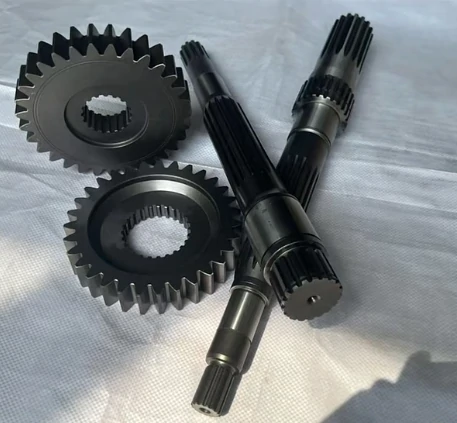
What Design Factors Affect Hydraulic Pump Shaft Performance?
The design of a hydraulic pump shaft depends on how the component transfers power, connects with the pump assembly and operates under different loads.
For OEM projects, engineers usually evaluate torque requirements, bending loads, rotational speed and installation conditions before defining the shaft structure.
A well-designed shaft must balance mechanical strength, machining accuracy and compatibility with the hydraulic system.
Torque and Load Requirements
The shaft diameter, material grade and heat treatment condition must match the expected torque and operating cycles.
In applications such as construction equipment and mobile hydraulic systems, the shaft may experience repeated load changes. Therefore, fatigue resistance becomes an important consideration during custom hydraulic pump shaft manufacturing.
Hydraulic Pump Shaft Tolerance and Critical Areas
Dimensional accuracy is essential because hydraulic pump shafts must fit precisely with bearings, seals and couplings.
Critical machining areas usually include:
- Bearing mounting surfaces
- Seal contact areas
- Coupling connections
Accurate control of these areas helps maintain alignment and reduces issues caused by incorrect fit or excessive clearance.
Shaft Geometry and Connection Features
The geometry of a hydraulic pump shaft depends on how the shaft connects with the pump assembly and transmits torque.
Engineers design features such as keyways, splines, threads and stepped sections according to the mechanical connection method and load requirements. In custom hydraulic pump shaft projects, customers typically specify these details based on their equipment designs rather than choosing standard dimensions.
Rotational Speed and Vibration Control
Rotational speed and balance requirements also influence hydraulic pump shaft design. When the shaft operates at high speeds, engineers consider factors such as shaft rigidity, alignment accuracy and vibration behavior.
Proper design of these elements helps prevent excessive vibration and supports stable operation of the hydraulic pump assembly.
What Causes Hydraulic Pump Shaft Failure?
Hydraulic pump shaft failures are often related to excessive loads, unsuitable materials, poor alignment or insufficient manufacturing control. Since the shaft continuously transfers torque between the drive system and the hydraulic pump assembly, issues in design accuracy, machining quality or operating conditions can gradually reduce component reliability and service life.
During the development of a custom hydraulic pump shaft, OEM engineers need to consider key factors such as torque requirements, shaft geometry, material performance, alignment conditions and dimensional tolerances. These factors determine whether the shaft can withstand the actual operating environment of the hydraulic system.
Proper engineering evaluation and manufacturing control during the early development stage help reduce risks such as fatigue cracking, excessive wear and premature shaft failure.
Fatigue Cracking Under Repeated Loads
Fatigue is one of the common causes of hydraulic pump shaft failure. During operation, the shaft is exposed to repeated torque and bending forces. Over time, these cyclic loads may cause cracks if the shaft material, surface condition or design structure cannot withstand the operating stress.
Areas such as keyways, splines, threads and diameter transitions require careful design because these features can create stress concentration points. Proper material selection, heat treatment and machining control are important when manufacturing shafts for applications with frequent load changes.
Shaft Bending or Fracture Caused by Excessive Loads
A hydraulic pump shaft is designed according to expected torque and load conditions.
When actual operating loads exceed the original design range, excessive stress may cause bending, deformation or fracture.
This situation may occur because of incorrect component selection, increased equipment loads or changes in operating conditions.
For OEM applications, reviewing actual working conditions before production helps avoid these issues.
Misalignment Between Hydraulic Pump and Drive System
Misalignment between the hydraulic pump and the drive system can create additional bending forces and vibration during operation. Over time, this additional stress may affect the shaft, bearings and connected components.
For this reason, critical areas such as bearing seats, coupling interfaces and mounting surfaces require accurate machining during hydraulic pump shaft manufacturing. Proper dimensional control helps maintain the correct relationship between the shaft and the hydraulic assembly.
Manufacturing Factors Affecting Shaft Service Life
Some failures are related to manufacturing factors rather than operating conditions.
Examples include:
- Incorrect material selection
- Improper heat treatment
- Poor surface finishing
- Insufficient machining accuracy
Working with an experienced custom hydraulic pump shaft manufacturer allows OEM customers to evaluate these factors before production and reduce potential component issues.
Custom Hydraulic Pump Shaft Manufacturing Solutions for OEM Customers
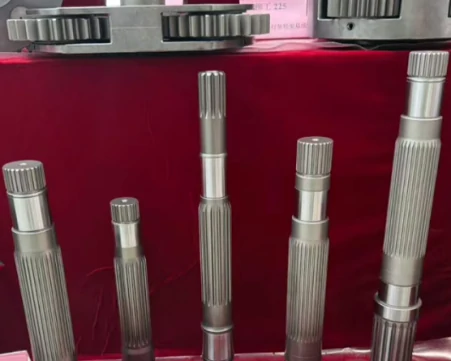
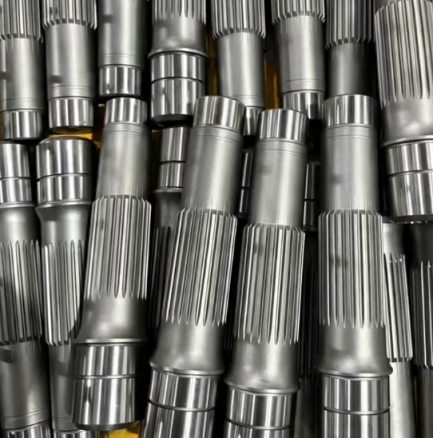
Many hydraulic equipment manufacturers require shaft components designed around specific pump configurations, installation dimensions and operating conditions. Standard shafts may not meet the required geometry, connection interfaces or mechanical performance, making custom manufacturing necessary.
Welleshaft manufactures custom hydraulic pump shafts according to engineering drawings, CAD models, physical samples and project specifications. Each project starts with an engineering review to assess shaft geometry, material requirements, dimensional tolerances and suitable machining methods.
Our contract manufacturing services cover CNC machining, secondary operations, heat treatment, surface finishing and dimensional inspection. By coordinating these processes within one manufacturing system, Welleshaft helps OEM customers source non-standard pump shafts with consistent specifications and fewer supplier handoffs.
We support hydraulic equipment manufacturers, industrial machinery builders and mobile hydraulic system developers requiring drawing-based shaft production and customized mechanical components.
Why Choose Welleshaft for Custom Hydraulic Pump Shaft Manufacturing?
Welleshaft is a China-based precision component contract manufacturer with experience in producing non-standard shafts and mechanical parts for OEM applications. Our manufacturing capabilities allow us to handle different shaft geometries, material specifications and dimensional requirements rather than limiting production to standard shaft designs.
For OEM hydraulic pump shaft manufacturing, machining accuracy and process consistency are particularly important. Shaft diameters, bearing seats, keyways, splines and threaded connections must match the approved drawings to ensure proper assembly and fit within the pump system.
Welleshaft combines multi-axis CNC machining with supporting processes such as heat treatment, surface finishing and precision measurement. Inspection methods and acceptance criteria are selected according to drawing requirements, with dimensional reports and relevant quality records available as agreed for each project.
This integrated manufacturing capability gives OEM purchasing and engineering teams a single production partner for custom shaft components, from initial technical review through finished-part inspection.
Get a Quote for Custom Hydraulic Pump Shaft ManufacturingFrequently Asked Questions About Hydraulic Pump Shafts
Can hydraulic pump shafts be custom manufactured?
Yes. A custom hydraulic pump shaft can be produced according to drawings, CAD models, samples or technical specifications.
Custom manufacturing allows OEM customers to define shaft dimensions, connection features, materials and tolerances according to their equipment design.
What materials are commonly used for hydraulic pump shafts?
Common materials include 4140 alloy steel, 4340 steel, stainless steel and other engineering alloys.
A 4140 hydraulic pump shaft is widely used because it provides a balance of strength, toughness and machinability for industrial applications.
What machining processes are used for hydraulic pump shafts?
A CNC machined hydraulic pump shaft may require CNC turning, milling, keyway machining, spline machining, grinding and surface finishing.
The selected processes depend on shaft geometry, material and required accuracy.
How do I choose a hydraulic pump shaft manufacturer?
OEM buyers should evaluate more than machining capability. Important factors include engineering support, material knowledge, process control, inspection capability and experience with custom mechanical components.
A suitable manufacturing partner should be able to handle drawing review, production planning, machining and final inspection.
Welleshaft is a China-based custom mechanical components manufacturer providing OEM hydraulic pump shaft manufacturing through contract manufacturing. From engineering review to production delivery, Welleshaft supports non-standard shaft component development.

 English
 Português do Brasil
 Deutsch (Österreich)
 Deutsch (Schweiz)
 English (UK)
 English (Australia)
 English (New Zealand)
 Deutsch
 Français du Canada
 Français
 Français de Belgique
 Italiano
 English (South Africa)
 Português
 Español
 Español de México
 Español de Perú
 Español de Colombia
 العربية
 日本語
 Русский
 한국어
 Tiếng Việt
 ไทย