
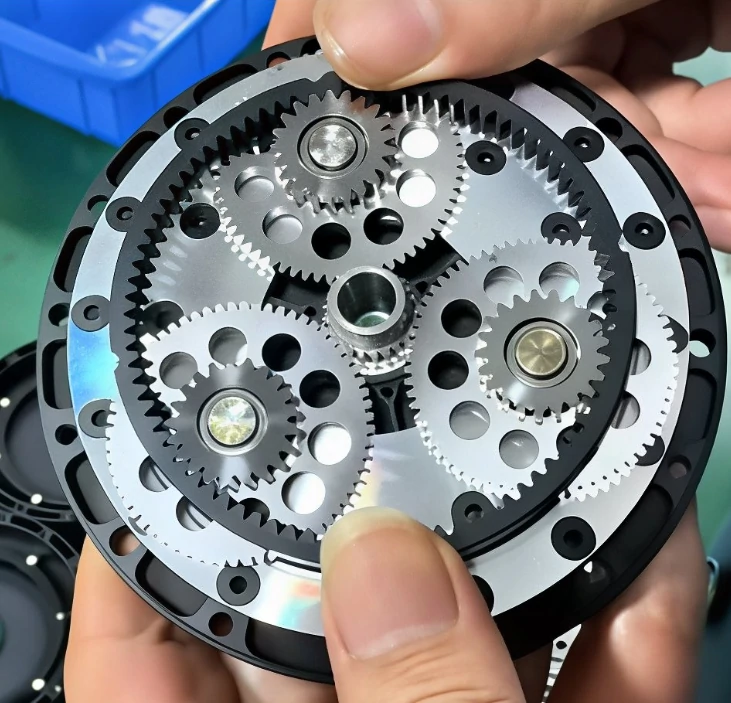
Custom Planetary Gearbox Components for Humanoid Robots
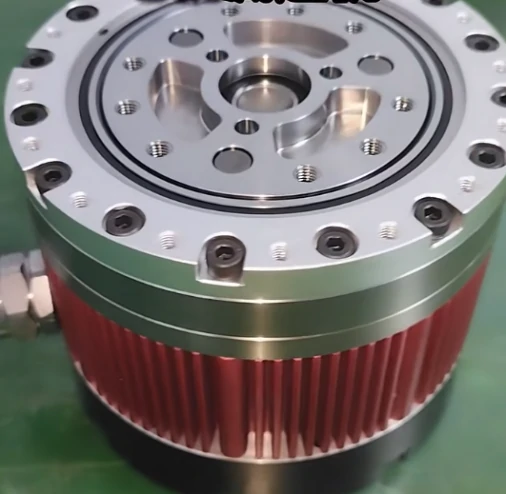
Humanoid robots rely on compact planetary gearboxes to deliver controlled movement and torque at joints such as the shoulders, hips, knees and ankles. Their performance depends on the accuracy, material properties and alignment of key components, including the sun gear, planet gears, planet carrier, internal ring gear and gearbox housing.
Welleshaft provides custom mechanical component manufacturing based on customer drawings and technical specifications. Our services include 3-axis, 4-axis and 5-axis CNC machining for precision mechanical parts such as planet carriers, gearbox housings, shafts and other robotic transmission components. Depending on the design and operating requirements, material options may include 20CrMnTi and 42CrMo4 alloy steels, 6061-T6 and 7075-T6 aluminum alloys, and Ti-6Al-4V titanium alloy.
To verify dimensional requirements, Welleshaft uses ZEISS coordinate measuring machine (CMM) equipment for applicable dimensional and geometric inspections. Critical features, such as hole positions, bearing seats and mounting interfaces, can be inspected against the approved drawings. Gear tooth accuracy may require additional specialized measurement methods.
For overseas engineering and procurement teams sourcing custom planetary gearbox components from China, Welleshaft reviews component drawings, material specifications, tolerance requirements and inspection criteria to assess manufacturing feasibility. Requirements such as a positional tolerance of ±0.005 μm (±5 nm) must be evaluated against the actual manufacturing process and measurement capability before they can be accepted as achievable specifications.
Why Are Planetary Gearboxes Used in Humanoid Robots?
Humanoid robots rely on coordinated movement across multiple joints, including the shoulders, elbows, hips and knees. Each joint has different requirements for torque, speed, installation space and positioning accuracy. Selecting a planetary gearbox for humanoid robots therefore requires matching the transmission to the joint’s mechanical design and operating conditions, not just its reduction ratio.
A planetary gearbox can provide speed reduction and torque transmission in a compact arrangement. Its performance also depends on how accurately the gears, carrier, bearings and housing fit together. For custom robotic joints, these relationships influence both component design and manufacturing requirements.
Compact Transmission Design
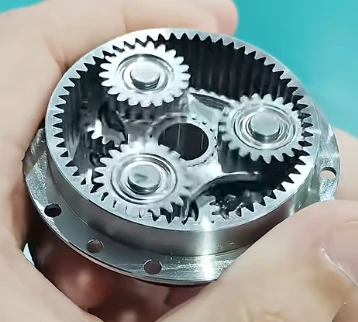
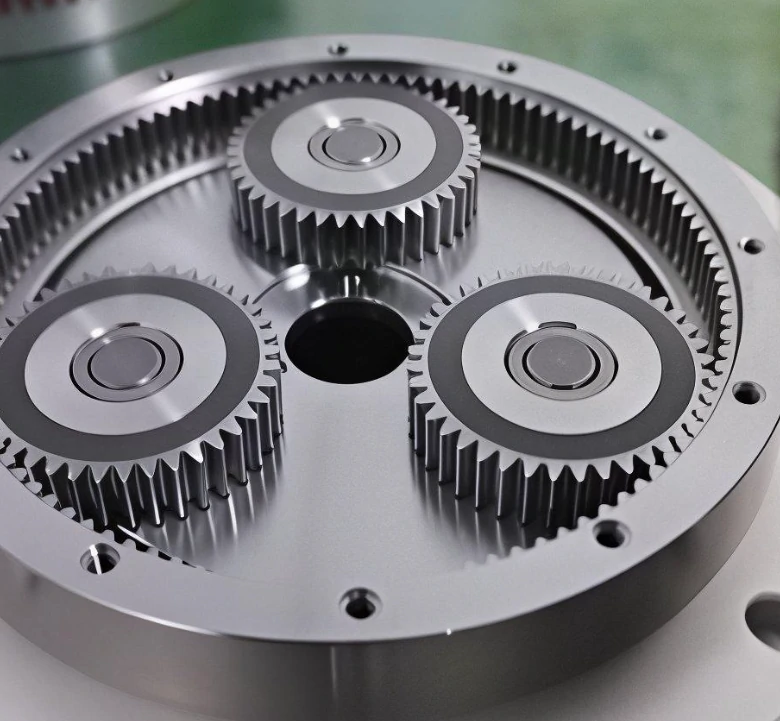
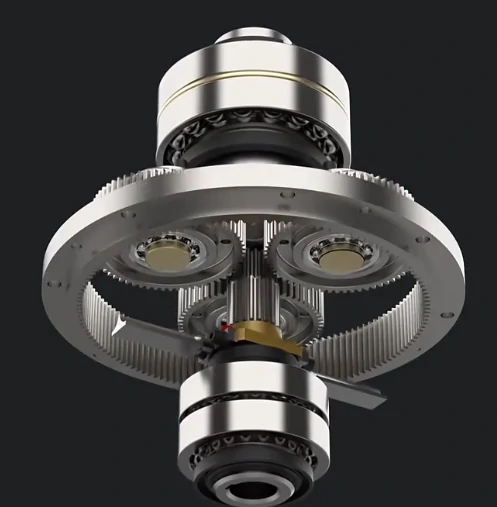
A planetary gear mechanism typically consists of a central sun gear, multiple planet gears, an internal ring gear and a planet carrier that supports the planet gears. This arrangement places several gear meshes around a common center, making it suitable for applications with limited installation space.
Within a humanoid robot planetary gearbox, the gears, bearings, shafts and housing must fit within the joint while providing adequate structural support and heat dissipation. The design affects components such as the planet carrier, gearbox housing and mounting interfaces. Where standard parts cannot meet the required dimensions, custom planetary gearbox components may be necessary.
Torque, Speed and Reduction Ratio
A planetary gearbox reduces input speed and increases output torque according to the selected gear ratio and mechanical losses. The appropriate configuration depends on the motor and the joint’s operating cycle, including changes in speed, direction and load.
Engineers must consider output torque, input speed, reduction ratio, backlash and thermal conditions together. These requirements also determine the manufacturing specifications for individual parts. For buyers sourcing a precision planetary gearbox or its components, drawings should identify critical dimensions, gear specifications, bearing fits and mounting interfaces so the custom component manufacturer can assess the machining and inspection requirements.
Where Do Custom Components Matter?
Component accuracy affects how the planetary gearbox fits and operates. If the planet-gear holes in a carrier are incorrectly positioned, gear alignment and load distribution may be affected. Inaccurate bearing seats in the housing can also shift shaft positions and interfere with assembly. Checking overall dimensions alone may not be sufficient to verify these features.
For non-standard robotic joints, custom planetary gearbox components may be required when standard parts cannot meet the specified dimensions or mounting interfaces. The manufacturing process should follow the approved drawings, with particular attention to the features that determine gear alignment, bearing location and assembly fit.
What Are the Main Components of a Humanoid Robot Planetary Gearbox?
Understanding the main components of a planetary gearbox helps engineering and procurement teams identify which parts need custom manufacturing. Each component has a distinct function, and its manufacturing requirements depend on the gearbox design and the customer’s technical specifications.
Sun Gear
The sun gear sits at the center of the planetary gear mechanism and meshes with the surrounding planet gears to transmit motion. For custom sun gear manufacturing, tooth geometry, material and heat treatment must match the gear design. Drawings should specify the required gear parameters and acceptance criteria so the finished part can be checked against the intended application.
Planet Gears
Planet gears mesh with both the sun gear and the internal ring gear as they rotate around their own axes. For custom planetary gears, manufacturers need to account for tooth geometry, bore dimensions and shaft or bearing interfaces. Material selection and heat treatment also matter because they can affect the finished dimensions and the gear’s performance in service.
Planet Carrier
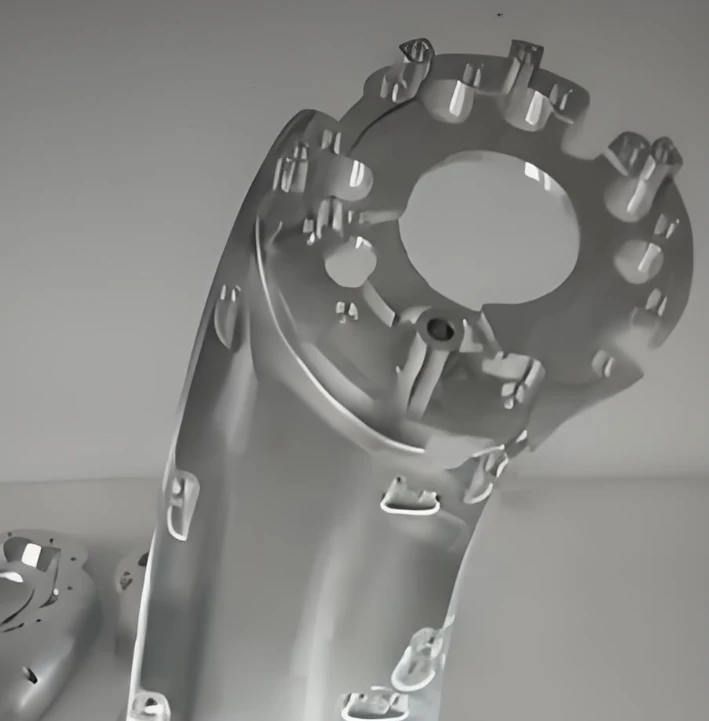
The planet carrier supports the planet-gear axes and maintains their relative positions. Depending on the gearbox configuration, it may serve as an input or output component. During custom planet carrier machining, key features include planet-gear hole positions, hole spacing, parallelism and bearing or pin interfaces. These features should be measured against the drawing datums to verify the required alignment.
Internal Ring Gear
The internal ring gear has teeth on its inner circumference that engage with the planet gears. Its tooth geometry and alignment with the other gears affect how the gear train meshes. Manufacturing a custom internal ring gear may require specialized internal gear-cutting methods and dedicated gear inspection, depending on the material, geometry and specified accuracy.
Gearbox Housing
The gearbox housing supports the internal components and provides mounting interfaces for the surrounding assembly. For custom planetary gearbox housing machining, important features include bearing seats, locating bores, mounting faces and bolt patterns. Their dimensions and positions must follow the drawing to ensure that the housing accommodates the intended bearing and shaft arrangement.
Discuss Your Component Requirements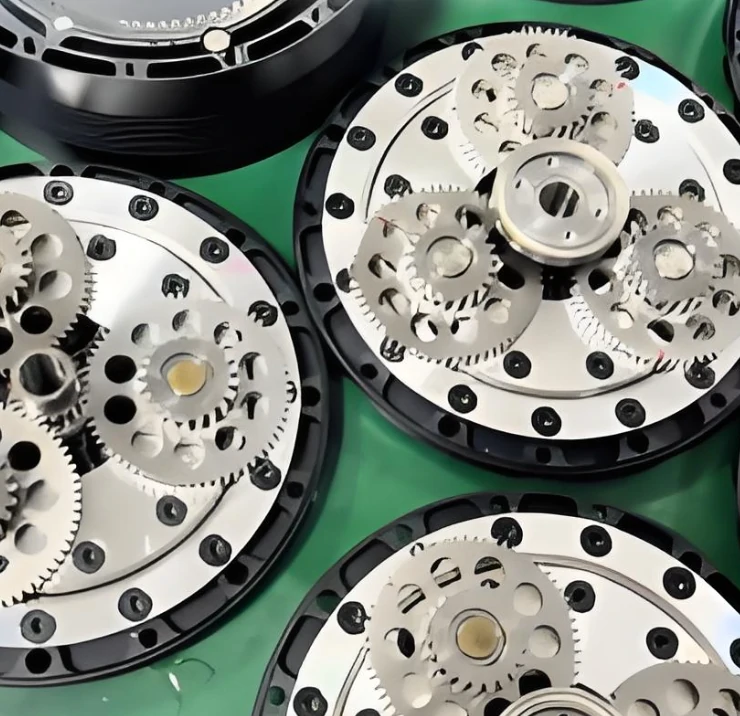
What Performance Requirements Matter in a Precision Planetary Gearbox?
The requirements for a precision planetary gearbox for humanoid robots depend on the function of each joint. Joints designed for rapid movement may prioritize speed and responsiveness, while those handling heavier loads or requiring precise positioning place greater demands on stiffness, backlash and load capacity. These differences affect both gearbox selection and the specifications of its individual components.
Backlash and Positioning Behavior
Backlash is the relative movement between meshing gear teeth when the direction of motion changes. In robotic joints, excessive backlash can reduce positioning consistency during repeated movements and changes in direction.
Gear geometry, manufacturing accuracy, bearing clearances and assembly conditions all influence backlash. Inspecting individual parts cannot establish the backlash of the complete transmission. For custom planetary gearbox components, drawings should define critical gear features and mounting interfaces, while specified backlash requirements should be verified through appropriate transmission-level testing.
Load Distribution and Component Geometry
Planetary gears transmit loads through multiple gear meshes, but the load distribution depends on gear geometry, manufacturing tolerances, support stiffness and assembly conditions.
During custom planet carrier machining, the positions of the planet-gear holes must follow the specified drawing datums to maintain the intended gear alignment. Similarly, the bearing seats and locating features in a custom planetary gearbox housing help position shafts and support the internal components. These functional features require appropriate dimensional control rather than relying solely on general tolerances.
Weight and Packaging Constraints
Humanoid robot joints have limited installation space, so the gearbox must fit alongside the motor, bearings and surrounding structure. A compact planetary transmission can help meet these constraints, but reducing size or weight must not compromise the required strength, stiffness or load capacity.
For custom planetary gearbox components, the required dimensions, mounting interfaces and material specifications should reflect the joint’s actual design. Providing these details allows a custom mechanical parts manufacturer to assess the manufacturing requirements against the intended application.
Thermal Conditions and Service Life
Repeated operation generates heat through gear meshing, bearings and other sources of mechanical loss. Operating speed, load, lubrication and housing design all affect thermal behavior and wear.
Manufacturing accuracy contributes to performance but cannot guarantee service life independently of gear design, material selection, heat treatment, lubrication and operating conditions. When sourcing custom planetary gearbox parts, buyers should specify the required materials, critical dimensions and inspection criteria so these requirements can be reviewed before production.
Which Materials Are Used in Humanoid Robot Planetary Gearboxes?
Material selection for custom planetary gearbox components depends on load, wear resistance, weight, operating conditions and manufacturing requirements. Sun gears, planet gears, carriers, shafts and gearbox housings perform different functions, so the material must match each component’s mechanical requirements.
Alloy Steel for Gears, Shafts and Load-Bearing Components
Alloy steels are commonly used for transmission components that require strength, fatigue resistance and wear resistance. For sun gears, planet gears and internal ring gears, potential material grades include 20CrMnTi, 16MnCr5 and 20MnCr5, which are commonly associated with case-hardening applications. The specified heat treatment and finished hardness depend on the gear design, loading conditions and required service life.
For shafts and other structural components, 42CrMo4 (similar to AISI 4140) may be considered where strength and toughness are important. However, the same steel grade is not automatically suitable for every gear or transmission component. Material selection must account for the component’s function and required mechanical properties.
Heat treatment can affect dimensions and component geometry. Gear teeth, bearing seats and other critical features may therefore require additional finishing and inspection after heat treatment.
Aluminum Alloys for Lightweight Gearbox Housings and Carriers
Weight reduction is an important consideration in humanoid robot joints. 6061-T6 and 7075-T6 aluminum alloys may be suitable for selected gearbox housings, carriers and other structural components, depending on their load and stiffness requirements.
6061-T6 offers a useful balance of machinability, strength and corrosion resistance. 7075-T6 provides higher strength for applications where structural performance and weight are important, although corrosion protection and the operating environment also need consideration.
For CNC-machined housings and carriers, bearing-seat dimensions, mounting-hole positions and interface geometry must meet the approved drawings. The material grade should be selected according to the component’s structural requirements rather than weight reduction alone.
Stainless Steel and Titanium Alloy for Specific Applications
17-4 PH stainless steel may be considered for selected shafts, output components and other parts requiring a combination of strength and corrosion resistance. 304 or 316 stainless steel may be suitable for fasteners and components exposed to corrosive environments, provided their mechanical properties meet the application requirements.
For applications with demanding strength-to-weight requirements, Ti-6Al-4V titanium alloy is another potential option. Its higher material and machining costs mean that it is generally most appropriate when its performance advantages justify the additional expense.
These materials are not interchangeable. The final choice should reflect the component’s loading, operating environment, dimensional requirements and total manufacturing cost.
What Material and Manufacturing Requirements Should Buyers Specify?
When sourcing custom planetary gearbox components from China, buyers should specify the material grade and applicable standard, together with critical dimensions and geometric tolerances. Where required, the technical documentation should also define heat treatment, hardness, surface finish, coating and material certification requirements.
Welleshaft provides custom mechanical component manufacturing based on customer drawings and technical specifications, including 3-axis, 4-axis and 5-axis CNC machining. For humanoid robot transmission projects, potential materials and manufacturing routes can be reviewed against the component design and project requirements. Availability of a particular grade, as well as heat treatment, gear cutting, grinding and other specialized processes, should be confirmed during the quotation review.
Before production begins, any proposed material substitution should receive engineering approval. This helps ensure that the selected material and manufacturing process remain consistent with the component’s functional and dimensional requirements.
Which Manufacturing Processes Affect Planetary Gearbox Performance?
The manufacturing process for custom planetary gearbox components depends on the part geometry, material, gear specifications and required tolerances. Gear cutting, CNC machining, heat treatment and finishing each serve a different purpose, so the process must suit the component being produced.
Gear Cutting and Finishing
The sun gear, planet gears and internal ring gear require gear-cutting methods suited to their tooth geometry. Depending on the design, these may include gear hobbing or gear shaping. Heat treatment and subsequent grinding may also be necessary to achieve the specified hardness, tooth accuracy or surface finish.
When sourcing custom planetary gears, buyers should confirm that the manufacturer has the appropriate gear-cutting and inspection capabilities for the required tooth profile and accuracy. General CNC machining capability alone does not establish that a supplier can meet these requirements.
CNC Machining for Planet Carriers
A planet carrier typically includes accurately positioned gear-pin holes, bearing interfaces and mounting features. CNC machining for custom planet carriers may involve turning, milling or multi-axis machining, depending on the part geometry. Five-axis machining can reduce setups when several surfaces or angled features need to be machined.
The main challenge is maintaining the specified relationships between features, particularly hole positions, parallelism and drawing datums. These requirements should guide process selection and dimensional inspection.
CNC Machining for Gearbox Housings
A custom planetary gearbox housing may require machined bearing seats, locating bores, mounting faces and bolt patterns. Their positions determine how the housing supports and locates internal components, making datum selection, workholding and machining sequence important to the finished result.
For custom housing orders, buyers should identify the interfaces that affect assembly and specify which features require dimensional inspection records.
Heat Treatment and Dimensional Stability
Heat treatment changes the mechanical properties of suitable gear materials but can also cause dimensional distortion. The manufacturing sequence may therefore require additional grinding or finishing after treatment.
For precision planetary gear manufacturing, critical dimensions should be checked in the final manufacturing condition. Pre-treatment measurements alone cannot confirm that the finished gear meets its specified tolerances.
Why Process Planning Matters
Incorrectly positioned holes in a planet carrier can affect gear alignment, while an inaccurate bearing seat in a housing can prevent correct assembly. These problems may not be apparent from a visual inspection.
These risks should be addressed through process planning and inspection based on the component drawing. Critical dimensions and functional interfaces need to be identified before machining so that the manufacturing sequence and verification methods match the part’s requirements.
How Does CNC Machining Support Custom Planetary Gearbox Components?
Humanoid robot planetary gearboxes contain components with different geometries, mounting interfaces and dimensional requirements. Parts such as planet carriers, gearbox housings and shafts may require accurately machined holes, bearing seats, mounting faces and other functional features.
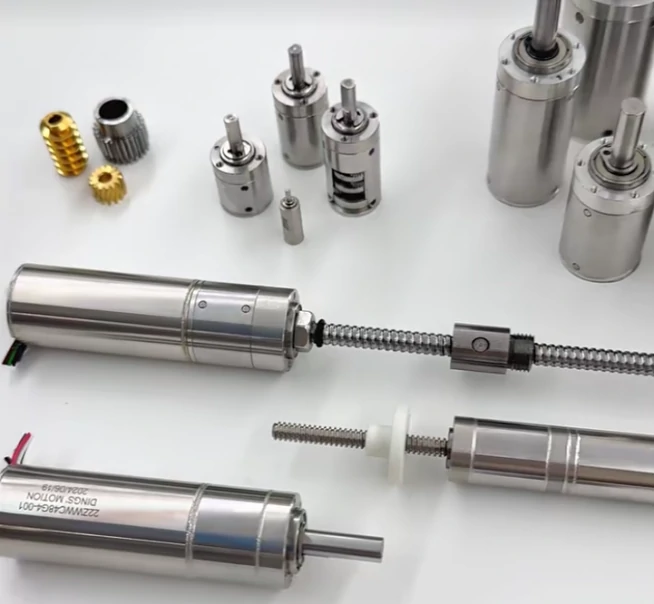
Welleshaft provides 3-axis, 4-axis and 5-axis CNC machining for custom mechanical components based on customer drawings and technical specifications. The appropriate machining method depends on component geometry, material, tolerance requirements and production volume.
3-Axis CNC Machining for Standard Features
3-axis CNC machining is suitable for components with features accessible from a limited number of directions. Typical operations include milling flat surfaces, machining pockets and slots, and drilling holes.
For selected gearbox housings, mounting plates and supporting components, three-axis machining can be an efficient option when the design does not require extensive angled access. Features on different faces may require additional setups, making workholding and datum selection important for maintaining dimensional relationships.
4-Axis CNC Machining for Multiple-Sided Features
4-axis CNC machining adds a rotational axis, allowing a component to be indexed or rotated to machine features on multiple sides with fewer manual repositioning steps.
This approach may suit selected planet carriers, shafts and components with circumferential or multi-sided features. By reducing repeated setups, it can improve machining efficiency and help maintain consistency between related features, depending on the component design and manufacturing process.
5-Axis CNC Machining for Complex Geometries
5-axis CNC machining combines three linear axes with two rotational axes, providing access to angled surfaces, compound features and multiple machining faces within fewer setups.
For a custom planet carrier, this capability may support complex pockets, angled features and multiple interfaces. For a planetary gearbox housing, it may be suitable for selected mounting surfaces and geometrically complex features. The actual machining strategy depends on the drawing, tool accessibility, workholding and required tolerances.
Although fewer setups can help reduce errors caused by repeated clamping and repositioning, five-axis machining does not automatically guarantee tighter tolerances than three-axis or four-axis machining. Machine capability, tooling, fixture rigidity, material behavior and process planning all influence the final result.
How Are Custom Planetary Gearbox Components Inspected?
The quality of custom planetary gearbox components depends on whether critical dimensions, geometric relationships and material requirements meet the approved engineering drawings. For components used in humanoid robot transmissions, inspection should focus on the features that affect positioning, alignment, bearing support and assembly fit.
Welleshaft uses ZEISS coordinate measuring machine (CMM) equipment for applicable dimensional and geometric inspections. The inspection plan should be based on the component design, specified tolerances and agreed acceptance criteria.
ZEISS CMM and Dimensional Inspection
ZEISS CMM inspection can be used to verify specified dimensions and geometric features on suitable custom-machined components. Depending on the drawing, checks may include planet carrier hole positions, gearbox housing bearing seats, mounting interfaces and other critical features.
For components with multiple related features, the inspection plan should identify the relevant datums and geometric tolerances. Micrometers, bore gauges and other suitable measuring instruments may complement CMM inspection where they are better suited to the feature or routine measurement task.
The objective is to verify the dimensions that matter to component fit and function, rather than measuring features without reference to their engineering requirements.
Inspection of Sun Gears, Planet Gears and Internal Ring Gears
Custom sun gears, planet gears and internal ring gears may require inspection of tooth profile, pitch-related characteristics, runout and other gear-specific parameters. The required checks depend on the gear design, specified accuracy and applicable standards.
A CMM can verify suitable dimensional and geometric features, but it should not automatically be treated as a replacement for dedicated gear-measuring equipment. Where specialized gear inspection is required, the measurement method and responsible process provider should be confirmed before production.
Material and Hardness Verification
Material properties and heat treatment can affect the strength, wear resistance and service life of transmission components. Where specified, verification may include checking material documentation, hardness results and heat-treatment records against the purchase requirements.
For custom planetary gearbox components, buyers should define the required material grade, applicable standard, hardness range and heat-treated condition in the technical specification. Any additional testing should be agreed upon according to the component’s function and quality requirements.
What Inspection Documents Should Buyers Request?
Inspection documentation should reflect the actual requirements of the order. Depending on the project, this may include dimensional inspection reports, first-article inspection records, material certificates, hardness results and heat-treatment records.
Welle shaft can review the required inspection scope against the component drawings and agreed acceptance criteria. Confirming the documentation requirements before production helps align the manufacturing process, inspection activities and records supplied with the order.
Submit Your Drawings for ReviewCan Custom Planetary Gearbox Components Be Manufactured in Small Batches?
Humanoid robot development often involves prototype testing, engineering validation, design revisions and repeat production. At each stage, component dimensions, material specifications and manufacturing requirements may change. Small-batch manufacturing for humanoid robot components allows engineering teams to evaluate custom parts and refine designs before moving toward larger production quantities.
Welleshaft provides precision custom mechanical component manufacturing based on customer drawings and technical specifications, supporting suitable components for humanoid robot planetary gearbox applications. Manufacturing feasibility depends on the part geometry, material, tolerances and required processes.
Prototype and Low-Volume Manufacturing
Prototype and small-batch orders allow engineers to evaluate component fit, mounting interfaces and dimensional relationships during product development. Parts such as custom planet carriers, gearbox housings, shafts and other precision mechanical components may require machining strategies tailored to their geometry and critical features.
Welleshaft offers 3-axis, 4-axis and 5-axis CNC machining for suitable custom components. The machining approach is selected according to the drawing requirements, material and part complexity. This helps engineering teams assess manufacturing feasibility without treating every component as a standard production part.
First-Article Inspection and Design Revisions
Before a new or revised component enters further testing or assembly, first-article inspection can verify specified dimensions and critical interfaces against the approved drawing. Depending on the inspection plan, this may include hole positions, bearing seats, mounting features and other functionally important dimensions.
When a design changes, the latest approved drawing revision should be confirmed before manufacturing. Critical dimensions, material requirements and inspection criteria should also be reviewed to determine whether the existing machining process remains suitable.
Maintaining Consistency in Repeat Production
Moving from prototype quantities to repeat orders requires attention to process repeatability. Workholding, tooling, machining sequences and inspection arrangements may need to be reviewed as quantities increase or component designs are finalized.
For custom planetary gearbox components, consistency matters because variations in critical dimensions and mounting interfaces can affect fit and assembly. Welleshaft evaluates manufacturing requirements against customer drawings and technical specifications to establish a suitable production approach for the confirmed order scope.
Whether a project involves prototype parts, a small batch or repeat production, the manufacturing plan should reflect the component’s functional requirements and the level of dimensional consistency needed for the application.
How Should You Evaluate a China Supplier for Planetary Gearbox Components?
When sourcing custom planetary gearbox components from China, buyers should evaluate whether a supplier can meet the specific requirements of the part, rather than relying on general claims about machining capability.
Start by reviewing the supplier’s experience with comparable component geometries, materials and tolerance requirements. Parts such as planet carriers and gearbox housings may require accurate relationships between mounting holes, bearing seats and other functional features. Gear components may also require specialized gear manufacturing, finishing and inspection processes.
It is important to clarify the supplier’s manufacturing scope. CNC machining capability does not automatically mean that a supplier performs gear cutting, heat treatment, gear grinding or specialized gear inspection in-house. Ask which operations are handled internally and which are coordinated through external process providers. The proposed production route should match the part’s technical requirements.
Inspection capability is another consideration. The supplier should be able to explain how critical dimensions will be measured and how results will be assessed against the approved drawing. A CMM may be suitable for certain dimensional and geometric checks, while gear tooth characteristics require appropriate gear-specific measurement methods.
Before selecting a supplier, compare the proposed manufacturing process, inspection plan, process coordination and ability to maintain consistency across repeat orders. These factors provide a more useful basis for supplier evaluation than machining equipment lists alone.
Custom Manufacturing Solutions for Humanoid Robot Transmission Components
Welleshaft provides custom mechanical component manufacturing based on customer drawings and technical specifications. For humanoid robot planetary gearbox projects, potential components may include non-standard planet carriers, gearbox housings, shafts and other mechanical parts, subject to drawing review and confirmation of the required manufacturing scope.
Drawing Review and Manufacturing Planning
Each project begins with an assessment of the component design and manufacturing requirements. The review helps identify critical dimensions, material specifications, geometric tolerances, surface finish requirements and functional interfaces that may affect the manufacturing route.
Machining, Process Coordination and Inspection
The appropriate manufacturing process depends on the component’s geometry, material and required accuracy. CNC machining may be suitable for carriers, housings and other machined parts. Gear cutting, heat treatment, grinding and specialized gear inspection may require additional processes, depending on the component.
The manufacturing scope and responsibility for each process should be confirmed before production. Inspection methods should also be selected according to the drawing and acceptance criteria. Where appropriate, CMM inspection can verify specified dimensions and geometric features, while gear characteristics require suitable gear-specific measurement methods.
Request a Custom Parts Quote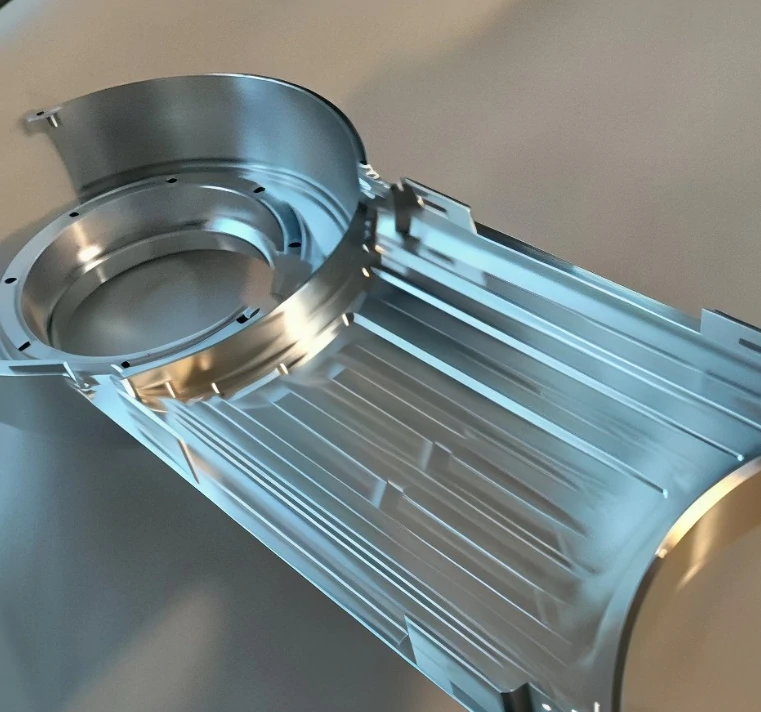
Frequently Asked Questions About Humanoid Robot Planetary Gearbox Components
What Are the Main Components of a Planetary Gearbox?
Common components include the sun gear, planet gears, planet carrier, internal ring gear and gearbox housing. A planetary gearbox is the complete transmission assembly, while a planetary gear is an individual component.
Can Welleshaft Manufacture Custom Planetary Gearbox Components?
Yes. Welleshaft provides custom mechanical component manufacturing based on customer drawings and specifications, including suitable planet carriers, gearbox housings, shafts and other non-standard parts. Manufacturing feasibility depends on part geometry, tolerances, material and required processes.
What Materials Are Available?
Depending on the component, potential materials include 20CrMnTi, 16MnCr5, 42CrMo4 alloy steel, 6061-T6 and 7075-T6 aluminum, and stainless steel. Final material availability is confirmed during drawing review.
Can Welleshaft Provide Surface Treatment and Heat Treatment?
Surface treatment options may include anodizing, passivation and protective coatings. Heat treatment may include case hardening or other specified processes for suitable materials. Requirements and process availability should be confirmed before ordering.
How Are Custom Components Inspected?
Welleshaft uses ZEISS CMM equipment for applicable dimensional and geometric inspections. Inspection requirements may include critical dimensions, hole positions and mounting interfaces. Gear-specific measurements and material or hardness verification should be agreed upon according to the component and order scope.
Does Welleshaft Support Overseas Orders and Repeat Production?
Welleshaft is a China-based manufacturing partner serving overseas engineering and procurement teams. Depending on project requirements, it can assess suitable components for prototypes, small batches and repeat orders. Buyers should provide drawings, quantities and the destination country to confirm manufacturing feasibility, lead time and shipping arrangements.
Welleshaft provides custom-engineered mechanical components and one-stop contract manufacturing based on customer drawings and specifications, supporting precision parts for industrial equipment and humanoid robot planetary gearbox applications.

 English
 Português do Brasil
 Deutsch (Österreich)
 Deutsch (Schweiz)
 English (UK)
 English (Australia)
 English (New Zealand)
 Deutsch
 Français du Canada
 Français
 Français de Belgique
 Italiano
 English (South Africa)
 Português
 Español
 Español de México
 Español de Perú
 Español de Colombia
 العربية
 日本語
 Русский
 한국어
 Tiếng Việt
 ไทย