
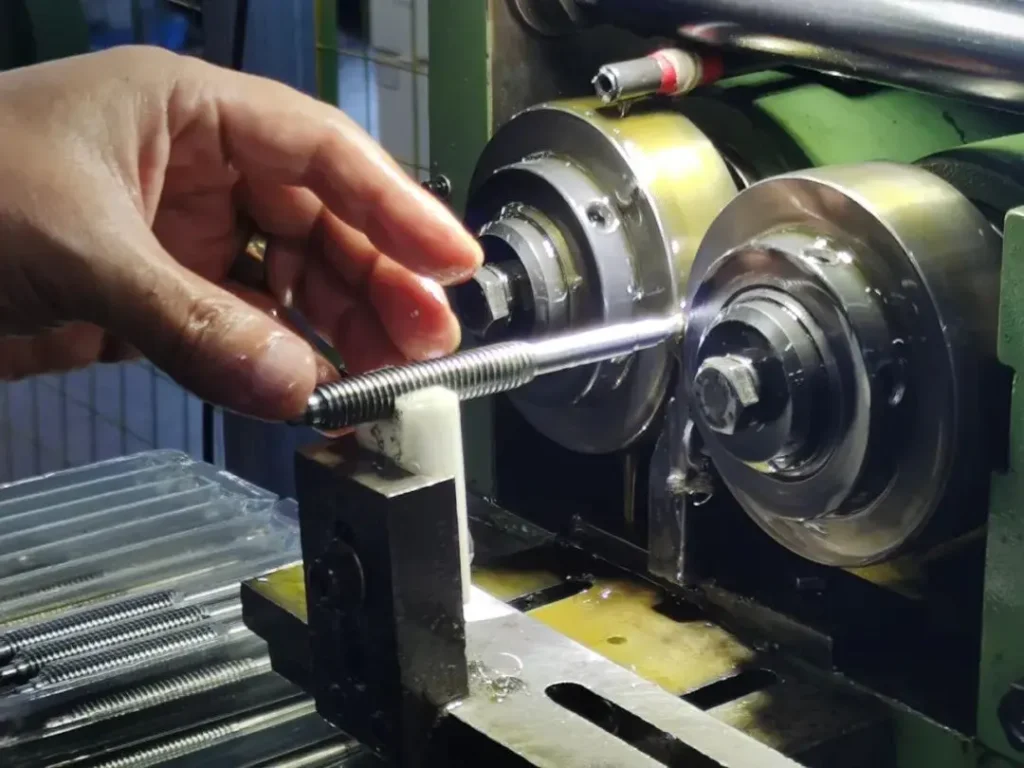
Custom ACME Threaded Rods for Industrial Equipment
ACME threaded rods help mechanical assemblies convert rotary movement into linear motion. Engineers use them in positioning mechanisms, industrial machinery, linear actuators, and certain CNC equipment, where the rods work with matching nuts to move or adjust components.
For equipment manufacturers, choosing an ACME threaded rod involves more than confirming its diameter and length. Thread form, lead, tolerance, material, lubrication and mounting conditions all affect how the assembly performs. A rod that fits the installation space may still be unsuitable if its thread specification does not match the nut or if its design cannot accommodate the operating load.
Welleshaft manufactures custom mechanical components for OEM customers based on engineering drawings and technical requirements. For projects involving custom ACME threaded rod manufacturing, lead screws or related components, the manufacturing requirements need to be reviewed before the production process is determined.
If a standard part does not match your equipment design, you can use drawing-based manufacturing to evaluate the dimensions, thread specifications, and material requirements against your actual application.
What Is an ACME Thread and How Does It Work?
An ACME thread uses a trapezoidal design primarily for mechanical power transmission. Unlike V-shaped threads, which engineers commonly use for fastening, ACME screw threads transfer rotational movement into controlled linear motion. Engineers use ACME threaded rods, lead screws, and nut assemblies in CNC equipment, automation systems, and industrial machinery to achieve this movement.
The ANSI ACME thread standard typically uses a 29° thread angle with a flat crest and root. Compared with conventional thread forms, this geometry provides a broader contact area between the thread and nut, allowing the assembly to handle repeated mechanical loads while maintaining stable engagement during operation.
In practical applications, selecting an ACME threaded rod is usually based on more than thread size alone. Engineers need to evaluate factors such as the required load, travel accuracy, operating speed, material selection, and working environment. These considerations determine whether the ACME rod and nut assembly can achieve the expected service life and motion performance.
| Feature | ACME Thread |
| Thread profile | Trapezoidal |
| Standard | ANSI ACME |
| Thread angle | 29° |
| Primary application | Linear motion and power transmission |
| Common components | ACME threaded rods, lead screws, and nuts |
When researching what an ACME thread is or what engineers use ACME threads for, focus on their primary function: transmitting force and enabling controlled movement rather than simply fastening components. Engineers commonly choose ACME threaded rods and lead screws for industrial systems that require repeatable positioning and mechanical adjustment.
What Are ACME Threaded Rods Used For in Industrial Applications?
ACME threaded rods transmit mechanical power by converting rotary motion into controlled linear movement. In most applications, an ACME rod works with a matching ACME nut to form a linear motion assembly that transfers force and maintains consistent positioning.
Unlike standard threaded rods, which engineers mainly use for fastening and structural connections, ACME rods support repeated movement and load transmission. Their trapezoidal thread profile helps the rod and nut maintain stable engagement, making them suitable for equipment that requires accuracy, durability, and reliable mechanical adjustment.
Industrial engineers use ACME threaded rods and ACME lead screws in CNC machines, linear actuators, automation equipment, industrial machinery, and valve control systems. For example, CNC systems use ACME lead screws to position components and adjust axes, while linear actuators use ACME rod-and-nut assemblies to convert motor rotation into controlled linear displacement. Engineers also select ACME threads for industrial machinery that requires mechanical adjustment under repeated loads.
| Application | Typical Function |
| CNC machines | Precision positioning and axis adjustment |
| Linear actuators | Rotary-to-linear motion conversion |
| Automation equipment | Controlled movement and positioning |
| Industrial machinery | Mechanical adjustment and load transmission |
| Valve systems | Manual or automated motion control |
For OEM projects, selecting the right ACME threaded rod requires evaluating the actual operating conditions rather than only the thread size. Factors such as applied load, operating speed, positioning accuracy, working environment, and expected service life all influence the final design. These requirements determine the appropriate material, thread specification, machining process, and surface treatment.
For custom ACME threaded rod manufacturing, providing engineering drawings, application details, or performance requirements allows manufacturers to develop a suitable ACME rod and nut solution for specific industrial applications.
What Are the Advantages of ACME Threads for Lead Screws and Mechanical Systems?
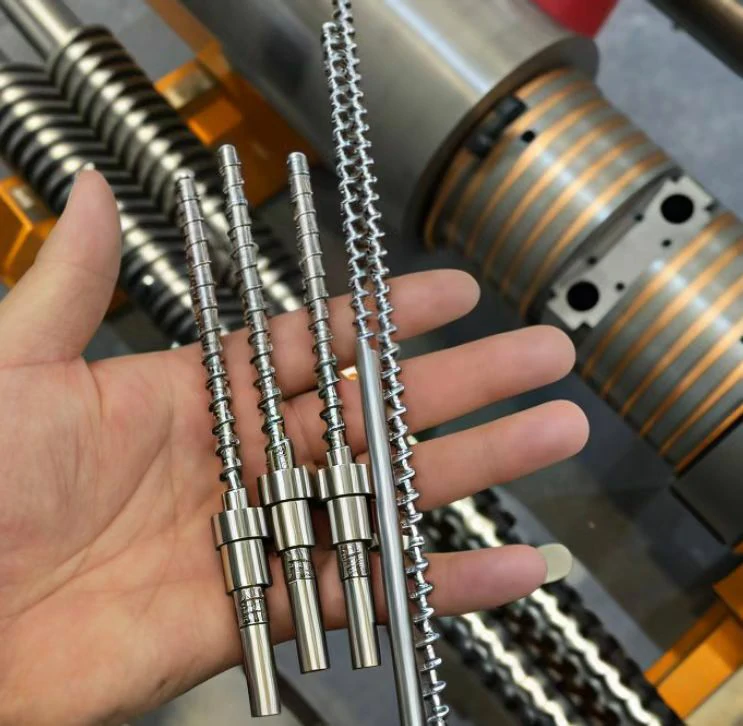
Engineers commonly use ACME threads in lead screws and mechanical transmission systems because their trapezoidal profile handles repeated movement and transmits mechanical force efficiently. Compared with standard V-shaped threads, ACME threads provide a larger contact area between the threaded rod and nut, which helps distribute loads more evenly during operation.
For applications involving continuous movement, such as CNC equipment, automation systems, and industrial machinery, the thread design directly affects positioning accuracy, wear resistance, and operating stability. This is why ACME threaded rods and ACME lead screws are often selected for motion systems that require consistent performance over repeated cycles.
One of the main advantages of ACME threads is their ability to handle higher mechanical loads. The wider thread surface reduces concentrated stress between the rod and nut, allowing the assembly to maintain smoother engagement under working conditions. In addition, the simple and durable thread structure makes ACME rods suitable for applications where long-term operation and easier maintenance are important considerations.
Another important benefit is predictable linear movement. When paired with properly matched ACME nuts, ACME lead screws can provide stable positioning and controlled displacement for mechanical adjustment systems and automation equipment.
| Feature | Engineering Benefit |
| Trapezoidal thread profile | Better load distribution between rod and nut |
| Large contact surface | Reduced localized stress during operation |
| Stable thread engagement | Consistent linear movement and positioning |
| Custom design options | Adaptable for OEM mechanical applications |
For OEM projects, the performance of an ACME threaded rod depends not only on the thread design but also on material selection, machining accuracy, lubrication conditions, and application requirements. Custom ACME threaded rod manufacturers typically evaluate these factors together to develop a suitable rod and nut assembly for each specific mechanical system.
Typical OEM Applications of Custom ACME Threaded Rods
Custom ACME threaded rods enable controlled movement and load transmission in mechanical systems. Unlike standard rods used for fastening, ACME rods support repeated motion and adjustment.
Common OEM applications include:
| Application | Typical Function |
| CNC equipment | Position adjustment and linear movement |
| Automation systems | Motion control and actuator mechanisms |
| Industrial machinery | Heavy-load adjustment and mechanical transmission |
| Valve systems | Controlled opening and closing movement |
For these applications, OEM buyers usually require more than a standard threaded component. Factors such as thread accuracy, material selection, and compatibility with matching nuts directly affect the performance of the complete assembly.
ACME Threaded Rods Compared with Standard Threaded Rods for Industrial Applications
Although ACME threaded rods and standard threaded rods both feature external threads, they serve different mechanical purposes. Their thread profiles determine how they transfer force and function within a system.
Manufacturers primarily produce standard threaded rods for fastening applications, including structural connections, supports, and clamping assemblies. Their V-shaped threads generate holding force when users tighten nuts or other fasteners.
In contrast, engineers use ACME threaded rods for mechanical motion and power transmission.The trapezoidal ACME thread profile provides smoother engagement between the rod and nut, allowing the assembly to convert rotational movement into controlled linear motion. This makes ACME rods and ACME lead screws commonly used in CNC machines, linear actuators, positioning systems, and industrial adjustment mechanisms.
| Feature | ACME Threaded Rod | Standard Threaded Rod |
| Thread profile | Trapezoidal ACME thread | V-shaped thread |
| Primary purpose | Linear motion and force transmission | Fastening and structural connection |
| Interaction with nut | Designed for repeated movement | Designed for clamping force |
| Typical applications | Lead screws, actuators, positioning systems | Bolts, anchors, support assemblies |
When selecting between an ACME threaded rod and a standard threaded rod, engineers usually consider the function of the component within the equipment. If the application requires continuous movement, repeatable positioning, or mechanical adjustment, an ACME rod and nut assembly is generally more suitable. For fixed connections where the main requirement is holding force, a standard threaded rod may be the appropriate choice.
For OEM projects involving custom mechanical components, the selection also depends on factors such as load requirements, operating conditions, material choice, and required manufacturing accuracy. These considerations help determine whether a standard component or a custom ACME threaded rod solution is the better fit.
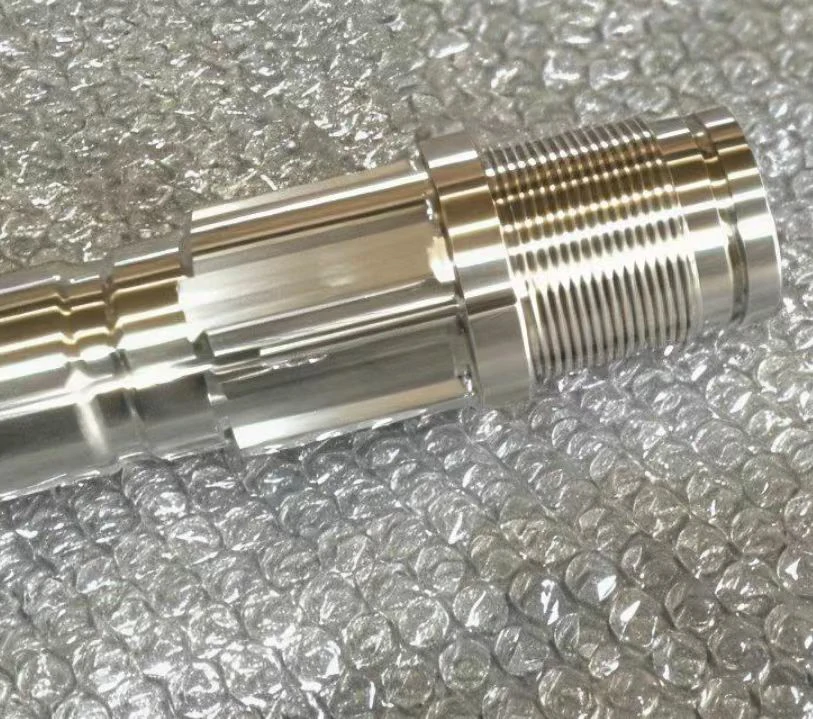
What Is the Difference Between ACME Threads and Trapezoidal Threads?
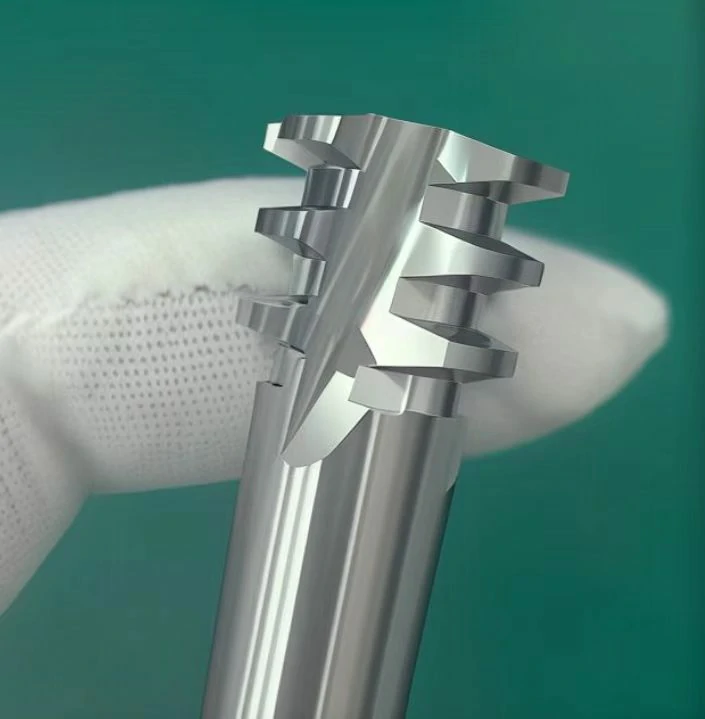
ACME threads and trapezoidal threads have a similar appearance because both use a trapezoidal thread profile designed for mechanical power transmission. However, engineers select them according to different standards, equipment requirements, regional specifications, and existing system designs.
The main difference between the two thread forms is the standard they follow. ACME threads are based on the ANSI standard and typically use a 29° thread angle, while trapezoidal threads follow ISO/DIN standards with a 30° thread angle. Although the difference in angle is small, it affects thread compatibility, tooling selection, and the matching nut design.
| Feature | ACME Thread | Trapezoidal Thread |
| Standard | ANSI ACME | ISO/DIN |
| Thread angle | 29° | 30° |
| Common applications | Lead screws, ACME threaded rods, linear motion systems | Lead screws, linear positioning systems, mechanical transmission |
| Typical usage | Common in North American-designed equipment | Widely used in European and international machinery |
In practical applications, both ACME threads and trapezoidal threads can provide reliable linear motion and load transmission when properly designed. The choice between an ACME threaded rod and a trapezoidal threaded component usually depends on the required standard, equipment compatibility, available tooling, and customer specifications.
For OEM projects involving custom ACME threaded rods or lead screws, engineers typically need to confirm the required thread standard before manufacturing. Selecting the correct thread system helps ensure proper nut engagement, dimensional compatibility, and reliable operation within the final mechanical assembly.
How Can OEM Buyers Customize ACME Threaded Rods?
OEM buyers often require ACME threaded rods that match specific equipment designs rather than standard catalog dimensions. The required specifications usually depend on load conditions, installation space, motion requirements, and operating environment.
Welleshaft supports custom ACME threaded rod production based on engineering drawings and technical specifications. Customers can define key requirements including diameter, length, thread specification, material, surface treatment, and matching ACME nuts.
| Customization Item | Available Options |
| Diameter and thread size | Standard sizes such as 3/4 ACME threaded rod, 1 inch ACME threaded rod, or fully customized dimensions |
| Length | Manufactured according to equipment requirements and installation space |
| Thread specification | ANSI ACME thread requirements, pitch, and tolerance control |
| Material | Carbon steel, stainless steel, brass, alloy steel |
| Surface treatment | Coating, polishing, and other finishing processes |
| Matching components | Customized ACME rod and nuts for complete assemblies |
By defining these parameters before production, OEM customers can obtain ACME threaded rods designed for their specific mechanical assemblies rather than adapting equipment to standard components.
Talk to Our EngineersHow to Select Materials for Custom ACME Threaded Rods?
Manufacturers must select the right material when producing custom ACME threaded rods because each OEM application requires specific levels of strength, wear resistance, corrosion protection, and service life. The intended application determines the most suitable material. Carbon steel offers a balance of strength and cost for general industrial equipment, while stainless steel ACME threaded rods provide better corrosion resistance in wet, chemical, or outdoor environments. Other materials may suit specialized applications. Brass ACME threaded rods can be suitable where low friction characteristics or non-sparking properties are required, while alloy steel is often selected for heavy-duty systems that require higher mechanical strength and improved load-bearing capability.
| Material | Characteristics | Typical Applications |
| Carbon steel | Good strength and cost efficiency | General industrial machinery and mechanical systems |
| Stainless steel | Corrosion resistance and stable performance in harsh environments | Marine equipment, chemical systems, outdoor machinery |
| Brass | Low friction and non-sparking characteristics | Specialized industrial applications |
| Alloy steel | Higher mechanical strength and load capacity | Heavy-duty transmission systems |
For OEM projects, material selection should be evaluated together with thread requirements and operating conditions to ensure the ACME rod and nut assembly can meet the expected service environment.
Manufacturing Capabilities Behind Custom ACME Threaded Rod Production
Manufacturing custom ACME threaded rods requires more than basic thread-cutting capability. For OEM components, supplier capability directly affects dimensional consistency, thread compatibility, and final assembly performance.
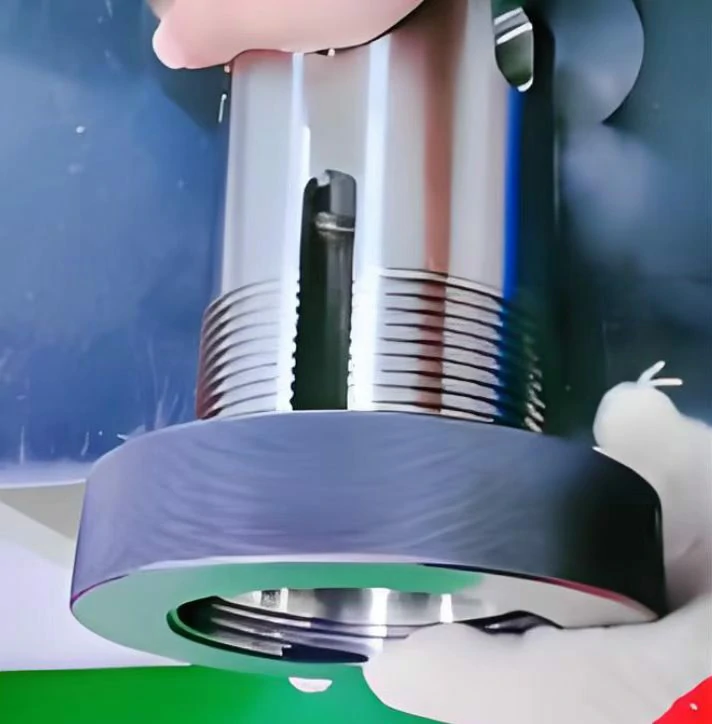
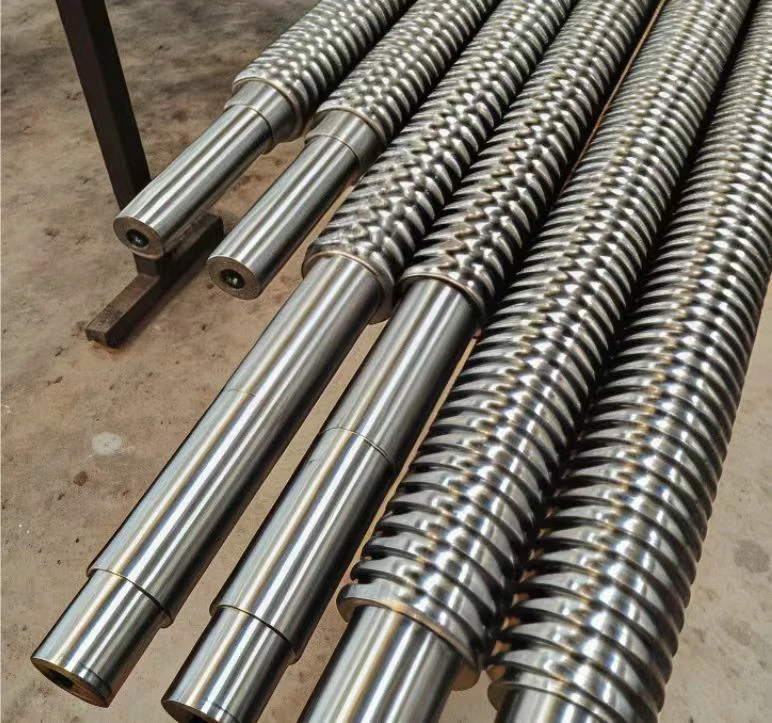
Welleshaft specializes in non-standard mechanical component contract manufacturing, supporting OEM customers with drawing-based production, engineering evaluation, and customized manufacturing solutions for ACME rods, lead screws, and related mechanical components.
This manufacturing approach allows customers to develop components based on specific equipment requirements rather than adapting their designs to standard products.
How Are Custom ACME Threaded Rods Manufactured?
Manufacturing a custom ACME threaded rod requires more than thread-cutting capability. For OEM applications, the final component performance depends on engineering evaluation, material selection, machining accuracy, thread control, and inspection procedures.
At Welleshaft, custom ACME threaded rod manufacturing begins with understanding the application requirements behind the component. Instead of producing only standard-size rods, we work with customer drawings, technical specifications, and operating conditions to develop ACME rods and nut assemblies that match the requirements of specific mechanical systems.
Engineering Review and Process Planning
Before production starts, engineers review the available technical information, including drawings, thread specifications, dimensional tolerances, and application conditions. This step helps determine the appropriate manufacturing route and identify critical requirements such as thread accuracy, load capacity, and assembly compatibility.
Material Selection and Preparation
Material selection is evaluated according to the working environment and mechanical requirements of the application. Factors such as applied load, operating temperature, corrosion exposure, and expected service life influence the choice of carbon steel, stainless steel, brass, or alloy steel.
CNC Machining and Thread Processing
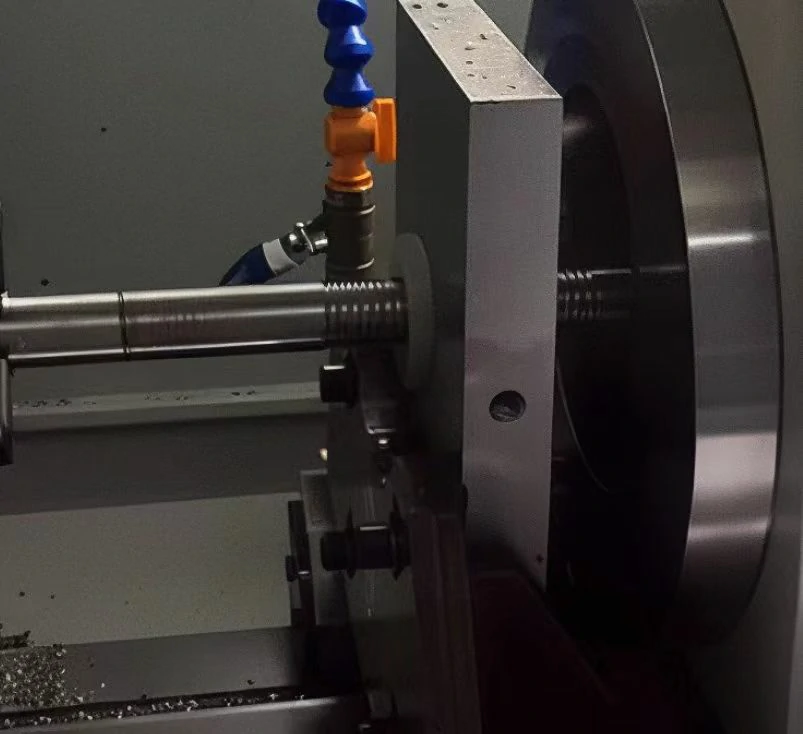
Precision machining plays an important role in ACME threaded rod performance. During production, CNC machining processes help control key dimensions such as rod diameter, thread pitch, thread profile, and surface finish. Accurate thread processing ensures proper engagement between the ACME rod and matching nut.
Heat Treatment and Surface Finishing
Depending on the application requirements, additional processes may be applied to improve mechanical performance. Heat treatment for CNC machined parts can help improve hardness, strength, and wear resistance when the appropriate process is selected, while surface finishing options can improve corrosion resistance and surface durability.
Quality Inspection and Verification
Before delivery, custom ACME threaded rods are inspected according to project requirements. Inspection may include dimensional measurement, thread gauge verification, surface condition checks, and material certification to confirm that the component meets the specified standards.
Through this integrated manufacturing approach, Welleshaft supports precision ACME threaded rod production for non-standard OEM applications, helping customers develop mechanical components that fit their equipment requirements.
What Should OEM Buyers Consider When Selecting an ACME Threaded Rod Supplier?
Selecting an ACME threaded rod supplier involves more than comparing prices and lead times. For OEM projects, buyers need to confirm whether the supplier can meet the specified thread requirements, accommodate custom dimensions, and maintain consistent quality across production batches.
Before placing an order, OEM buyers should evaluate three key areas:
1.Manufacturing Capability
Confirm that the supplier can manufacture the required ACME thread form, dimensions, materials, and matching nuts according to the approved drawings and specifications.
2.Technical Communication
The supplier should clarify thread standards, tolerances, material requirements, and assembly conditions before production. Resolving these details early can help reduce specification misunderstandings and compatibility problems.
3.Quality Documentation
Ask which inspection records and material documents can be provided for the order. Depending on the project requirements, these may include dimensional inspection results, thread verification records, and material certificates.
For overseas OEM buyers, confirming these points before production helps establish clear acceptance criteria and reduces the risk of receiving components that do not meet the intended application requirements.
Why Choose Welleshaft for Custom ACME Threaded Rod Manufacturing?
Welleshaft specializes in non-standard mechanical component contract manufacturing for global OEM customers. Our focus is not limited to supplying standard ACME rods, but supporting the development and production of mechanical components based on specific project requirements.
Unlike suppliers focused only on standard threaded products, Welleshaft works with customers from engineering review through manufacturing coordination to develop ACME threaded rods, lead screws, and related components that match specific equipment requirements.
Through drawing-based manufacturing support, engineering evaluation, production coordination, and quality verification, Welleshaft helps OEM customers reduce sourcing complexity and develop mechanical components with consistent specifications.
Whether the project requires stainless steel ACME rods, brass ACME threaded rods, or other bespoke mechanical components, Welleshaft provides customized manufacturing solutions for industrial machinery, automation equipment, and OEM applications.
Request Your Custom ACME Threaded Rod QuoteFrequently Asked Questions About Custom ACME Threaded Rods
What Is the Difference Between ACME Screws and Ball Screws?
ACME screws and ball screws are both used for linear motion applications, but they are designed for different operating requirements. ACME screws are often selected for systems that require high load capacity, durability, and simpler maintenance, while ball screws are typically used in applications where higher efficiency and very low friction are required. The suitable choice depends on factors such as load, speed, positioning accuracy, and operating conditions.
Can Welleshaft Manufacture Custom ACME Threaded Rods Based on Customer Drawings?
Yes. Welleshaft supports custom ACME threaded rod manufacturing based on customer drawings, 3D models, and technical specifications. Engineering requirements such as thread dimensions, material selection, machining process, and inspection standards can be evaluated before production.
What Information Should OEM Buyers Provide for an ACME Threaded Rod Project?
To evaluate a custom ACME threaded rod project, OEM buyers typically provide the engineering drawing or 3D model, thread specification, required dimensions, material requirements, quantity, and application details. These details help determine the suitable manufacturing process, production requirements, and final quotation.
Can ACME Threaded Rods Be Manufactured with Matching Nuts?
Yes. Welleshaft can manufacture ACME threaded rods together with matching ACME nuts to ensure proper thread compatibility and assembly performance. For OEM applications, supplying the rod and nut as a matched set can simplify integration and reduce compatibility issues during assembly.
Welleshaft specializes in non-standard mechanical component contract manufacturing for global OEM customers. From engineering review to production support, we provide custom ACME threaded rods, lead screws, and mechanical component solutions based on drawings and application requirements.
