
How Threaded Rods Are Made: Manufacturing Methods and Applications
What is Threaded Rod?
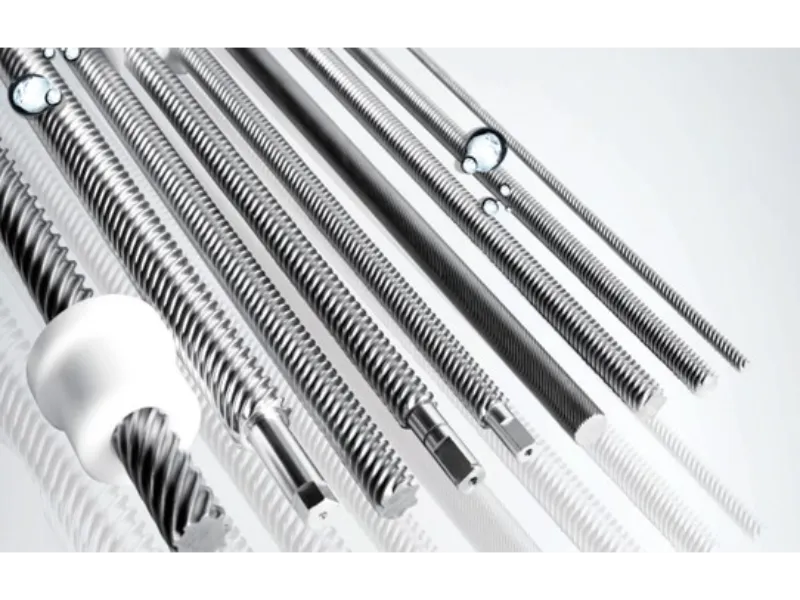
Threaded rods, also known as all-thread or stud rods, are metal fasteners with continuous threading along their entire length. Threaded rods, made from carbon steel, stainless steel, or zinc-coated steel, provide strong connections between materials like wood, metal, or concrete. Unlike bolts with threading on one end, threaded rods are fully threaded, making them ideal for various construction and industrial uses. Whether you need stainless steel threaded rods for durability or custom sizes for specialized projects, their versatility is perfect for plumbing, DIY furniture, and more. Choosing the right material, like grade 55 threaded rods or acme threaded rods, ensures maximum performance. Threaded rods manufacturing is crucial to ensure strength, corrosion resistance, and precision for your project.
The Manufacturing Process of Threaded Rods
When choosing the right threaded rod, consider the material based on your needs. Carbon steel is affordable and strong, while stainless steel rods (e.g., SAE 304 or 316) are ideal for high-moisture environments. Brass threaded rods are great for electrical and plumbing applications due to their conductivity. Selecting the proper material ensures the tensile strength and durability needed for your project, whether you need custom threaded rods or threaded rod fasteners.
Material selection:
1.Carbon steel
Carbon steel threaded rods, made from 1020, 1035, and 1045 carbon steel, are affordable and offer moderate strength and durability. Ideal for construction, DIY, and industrial applications, their versatility meets various needs. In threaded rods manufacturing, carbon steel is a reliable choice for custom rods and specialized fasteners, balancing cost and performance.
2.Stainless steel
Stainless steel threaded rods, Grades like 304 and 316 stainless steel offer excellent corrosion resistance, making them ideal for high-moisture and chemically aggressive environments. In threaded rods manufacturing, these rods provide durability for wood, metal, or specialized applications, ensuring long-lasting performance in outdoor or high-temperature conditions.
3.Alloy steel
Alloy steel threaded rods are designed for high-strength applications,Alloy steel threaded rods offer superior wear resistance due to added elements, making them ideal for high-pressure, high-temperature environments. In threaded rods manufacturing, these fasteners ensure reliable performance and durability, commonly used across industries in demanding conditions.
4.Brass
Brass threaded rods provide excellent electrical and thermal conductivity, making them ideal for electrical equipment and corrosion-resistant environments. In threaded rods manufacturing, these fasteners offer versatility and reliability. For demanding applications, threaded rods with nuts or 316 stainless steel rods ensure durability and long-term stability.
5.Aluminum alloy
Aluminum alloy threaded rods are lightweight yet durable, Aluminum alloy threaded rods provide excellent corrosion resistance and are ideal for weight-sensitive applications. In threaded rods manufacturing, these versatile fasteners ensure strong performance across various industries, including custom threaded rods, grade 55 threaded rods, and acme threaded rods.
6.Bar manufacturing
Threaded rods are made by processing raw material through a rolling mill to achieve the required diameter, such as stainless steel or acme threaded rods. After production in standard lengths, they undergo surface cleaning and defect inspection. In threaded rods manufacturing, using high-quality materials and production standards ensures durability and reliability for various applications.
Thread processing
Thread cutting:
A cutting tool, like a tap, cuts threads on the surface of the threaded rod. This method is ideal for custom threaded rod applications and small-scale production, such as stainless steel threaded rods or threaded rod fasteners. It ensures precision, especially for 316 stainless steel or acme threaded rods.
Thread rolling:
In large-scale production, the rod passes through thread rolling dies that press threads onto the surface under high pressure. This method forms precise, durable threads and is ideal for manufacturing stainless steel threaded rods, custom threaded rods, or acme threaded rods with consistent quality and strength.
Straightening and finishing
After threading, manufacturers straighten the rods to ensure alignment and optimal performance, especially for stainless steel or acme threaded rods. They then finish the rods for surface smoothness and dimensional accuracy, making them ideal for precision applications like custom threaded rods or threaded rod fasteners. This process ensures high-quality standards in threaded rod manufacturing.
Cut to length
Manufacturers cut threaded rods to the required length based on customer specifications or standard dimensions. Whether using stainless steel, 304 stainless, or custom threaded rods, precise cutting ensures a perfect fit for applications like threaded rod fasteners and rods with nuts. This flexibility benefits industries relying on threaded rod and threaded bar manufacturing.
Advantages of Thread Rolling Machines
Excellent strength and durability
Thread rolling machines are commonly used by threaded rod manufacturers to produce threads with greater strength and durability. Unlike other thread forming methods, the rolling process displaces material instead of removing it. This leads to improved fatigue resistance and a more reliable thread form, making it ideal for applications requiring stainless steel threaded rods, acme threaded rods, or custom threaded rods.
Cost-effectiveness
Thread rolling offers a cost advantage over thread cutting or grinding. It is faster, more energy-efficient, and generates less waste, reducing production costs and boosting efficiency in manufacturing stainless steel, custom threaded rods, and other fasteners.
Improved surface finish
Thread rolling creates smoother, more precise threads, ensuring a superior surface finish. This method is ideal for stainless steel threaded rods, custom threaded rods, and other applications where a tight thread fit or high aesthetic quality is crucial. Whether you’re using grade 55 threaded rod or stainless steel threaded bar, thread rolling ensures a more reliable, professional result.
Extended tool life
Unlike cutting or grinding methods, which can cause significant wear on tools, thread rolling reduces stress on the tool. This makes it a more cost-effective option, as thread rolling tools last longer, reducing both tool replacement costs and downtime. Whether you’re working with stainless steel threaded rods or custom threaded rods, thread rolling is an efficient and durable solution.
Consistent thread quality
Thread rolling machines ensure consistent, high-quality threads by minimizing human error. This mechanical process guarantees uniform threads, making it ideal for applications with stainless steel threaded rods, nuts, or custom rods. Whether using 316 stainless steel or acme threaded rods, thread rolling enhances reliability and precision.
Types of Threaded Rods
Length
Threaded rods are typically offered in one-meter lengths (3.2 feet) or 3-foot segments for larger diameters/threads. For rods longer than these, it’s usually a custom order. You can easily cut threaded rods to your desired size, using cold cutting or abrasion methods. Threaded rods shorter than 12 inches are generally known as studs, no matter their shape. These versatile components, like stainless steel threaded rods, acme threaded rods, or threaded rod fasteners, serve various applications, from construction to industrial uses.
Shape
Threaded rods come in various shapes and sizes, with the shape often depending on the length or type, such as stainless steel, acme, or custom rods. You can cut them to your desired length and choose from different grades, like grade 55 or 316 stainless steel threaded rods. These versatile rods are ideal for wood and metal applications, making them a popular choice for construction and manufacturing.
Fully-Threaded Rods
Also known as all-thread rods (ATR), fully-threaded rods feature continuous threading, ensuring complete engagement with fasteners like nuts. These rods, including stainless steel and 316 stainless steel, are perfect for diverse applications.
Tap-End Studs
Tap-end studs have short threads on one end for tapping into machine holes, with a different thread pitch on the other end for engaging other fasteners. Available in metric and imperial sizes, these studs are ideal for precise fastening.
Double-End Studs
Double-end studs feature equal thread lengths on both ends and a gap in the middle. Designed to pair with nuts, they are ideal for applications needing threading at both ends, such as grade 55 threaded rods or threaded rod fasteners.
Full-Bodied Studs
These studs combine features of tap-end and double-end studs. Though not as strong as other types, full-bodied studs are commonly used in construction and industrial applications, especially in custom threaded rods from threaded rod manufacturers.
Undercut Studs
Unlike cut-thread rods, undercut studs are made by rolling threads into the rod, preserving the steel grain for improved strength. This method provides better axial stress distribution, making it ideal for acme threaded rods and threaded rods with nuts. The rolled threads ensure enhanced performance and consistency.
Thread direction
Thread direction refers to how the threads spiral, affecting how you tighten or loosen threaded rods or fasteners.
Right-hand threads are the most common, where a clockwise rotation tightens the rod to the fastener. They are widely used by many threaded rod manufacturers and suppliers.
Left-hand threads tighten with a counter-clockwise rotation, ideal for applications needing reverse movement or specialized fastening, such as with stainless steel or 316 stainless steel threaded rods.
Reversible threads feature a right-hand thread on one side and a left-hand thread on the other, providing versatility for alternating thread directions. These are commonly found in custom threaded rods and acme threaded rods, offering flexible fastening solutions across industries.
Tensile strength
Tensile strength is the maximum stress a material can withstand before breaking. Different materials and diameters of threaded rods, such as stainless steel all-thread or acme threaded rods, have varying tensile strengths. These metrics indicate the highest tension a rod can endure before failure, which is crucial for selecting the right threaded rod for applications like wood, custom rods, or threaded rod fasteners.
The International Organization for Standardization (ISO) defines these strength ratings, color-coded for easy identification:
- 4.8 class (400 N/mm² tensile strength, 240 N/mm² yield strength)—Unmarked
- 8.8 class (800 N/mm² tensile strength, 640 N/mm² yield strength)—Yellow
- A2 stainless steel (304)—Green
- A4 stainless steel (316)—Red
- 10.9 class (1000 N/mm² tensile strength, 900 N/mm² yield strength)—White
Understanding these strength ratings helps in choosing the right threaded rod grades, such as steel threaded rods or threaded rods with nuts, for various applications.
Finishes
Threaded rods come in various finishes, largely determined by the base material. Steel threaded rods are the most common, with finishes like black oxide, zinc-plating (chromate and dichromate), and hot-dipped galvanized being widely used. Whether you’re looking for stainless steel all thread rods, custom threaded rods, or acme threaded rods, selecting the right finish ensures durability and corrosion resistance.
Common Applications of Threaded Rods
Construction
Threaded rods play a crucial role in construction, securing beams, walls, ceilings, and structural supports. Stainless steel threaded rods or Unistrut all-thread offer the durability and strength needed to ensure the integrity of buildings.
Plumbing
In plumbing, threaded rod fasteners securely mount pipes, water heaters, and fixtures. Stainless steel threaded bars resist high pressure and temperature fluctuations, providing long-lasting, reliable solutions in demanding environments.
Electrical Applications
Electricians use threaded rods with nuts to mount electrical panels, conduit hangers, and lighting fixtures. Their strength and versatility, especially in 316 stainless steel or custom threaded rods, ensure a reliable foundation for electrical systems.
DIY Projects
For DIY enthusiasts, threaded rod manufacturers offer a wide range of rods for wood, cut rods, and other sizes. Whether assembling furniture or completing home repairs, these versatile metal rods are easy to use, making them a go-to choice for various home projects.
How to Use a Threaded Rod
Using threaded rods effectively requires the right tools and steps:
Tools Required
Wrench: Essential for tightening nuts onto threaded rods.
Saw or Grinder: Needed to cut a threaded rod to the desired length, whether it’s stainless steel threaded rod or acme threaded rods.
Thread Locking Compound: Secure nuts in place, especially for heavy-duty applications with grade 55 threaded rods or 316 stainless steel threaded rods.
Steps to Use
Measure and Cut: Start by measuring the threaded rod to the correct length. Use a saw or grinder to cut threaded rods, whether for wood, metal, or custom projects.
Insert and Secure: Insert the threaded rod through materials such as wood or metal sheets, ensuring it’s aligned properly.
Tighten Nuts: Place nuts at both ends of the threaded rod stud and tighten them using a wrench. This creates a solid, stable connection.
Apply Thread Lock: For additional security, use a thread locking compound on the nuts to prevent them from loosening over time.
Tips for Using Threaded Rods
Choose the Right Material: Select materials like stainless steel threaded bars or coated threaded rods based on the environmental conditions and load demands.
Pre-drill Holes: To ensure a perfect fit, pre-drill holes that match the diameter of your threaded rod, whether it’s 3/4 stainless threaded rod or 1/2 inch all thread.
Use Washers: Incorporate washers between the nuts and the materials to distribute pressure evenly and prevent damage, especially with heavy threaded rods like grade 8 threaded rod.
Advantages and Limitations of Threaded Rods
Advantages of Threaded Rods
Versatility: Threaded rods serve various industries, including construction, plumbing, and electrical applications. Whether using stainless steel, Unistrut all-thread, or acme rods, their flexibility meets diverse project needs.
Strength: Threaded rods, such as 316 stainless steel or grade 55, handle high loads and stresses, providing robust support in demanding environments.
Ease of Use: These rods are simple to cut and install. Using a saw or grinder, you can easily cut them to the required length for wood or heavy-duty applications.
Customizable Length: A key feature of threaded rods is their ability to be cut to length, ensuring a perfect fit for any project, including custom rods for specialized applications.
Limitations of Threaded Rods
Corrosion: Without proper coating or treatment, steel threaded rodscan rust, affecting performance. Opting for 304 stainless threaded rods or galvanized all thread rods can help mitigate this issue.
Weight: Threaded rodscan be heavier than alternative fasteners like bolts, which may be a consideration in weight-sensitive projects. For lighter applications, aluminum threaded rods might be a better choice.
Cost: While high-quality stainless steel threaded rodsoffer durability and resistance, they can be more expensive than other options like carbon steel threaded rods or threaded rebar.
Why Choose Welleshaft for Threaded Rods
When it comes to sourcing threaded rods, Welleshaft stands out as a top choice for businesses across industries. As a leading threaded rod manufacturer, we provide a wide range of high-quality rods, including 316 stainless steel threaded rods, acme threaded rods, and custom threaded rods tailored to your needs. Whether you need threaded rods for wood, stainless steel all thread rods, or coated threaded rods for corrosion resistance, we have the right solution. Our rods are available in various sizes, including 3/8 stainless threaded rod, 1/2 stainless steel threaded rods, and 5/8 threaded rod, ensuring you get the perfect fit for your project. Plus, with years of experience, we offer quick delivery and reliable customer support, making Welleshaft your go-to partner for all your threaded rod needs.
Threaded Rod FAQ’S
What are the different grades of threaded rods?
Threaded rods come in various grades, each suited for different applications. Common grades include grade 55 threaded rod, 304 stainless threaded rod, and 316 stainless steel threaded rods. The grade determines the strength, corrosion resistance, and suitability for specific environments.
How do you cut threaded rods?
Cutting threaded rods can be done with a saw or grinder. First, measure the required length, then securely clamp the rod before cutting. For a clean finish, use a thread cutting tool or a metal saw. Make sure to file the edges for safety.
What is the use of threaded rods in wood projects?
Threaded rods for wood are typically used for joining wooden beams or adding structural stability. They are ideal for woodworking applications, offering strong, durable connections, especially when used with nuts and washers to distribute pressure evenly.
This blog was provided by the Welleshaft Engineering Team, led by Mr. Xu, a seasoned expert in manufacturing and threaded rod applications. Welleshaft specializes in high-quality engineering solutions tailored to meet your project’s needs.
 Português
  English
  Português do Brasil
  Deutsch (Österreich)
  Deutsch (Schweiz)
  English (UK)
  English (Australia)
  English (New Zealand)
  Deutsch
  Français du Canada
  Français
  Français de Belgique
  Italiano
  English (South Africa)
  Español
  Español de México
  Español de Perú
  Español de Colombia
  العربية
  日本語
日本語  Русский
  한국어
한국어  Tiếng Việt
  ไทย
ไทย
Avaliações
Ainda não existem avaliações.