
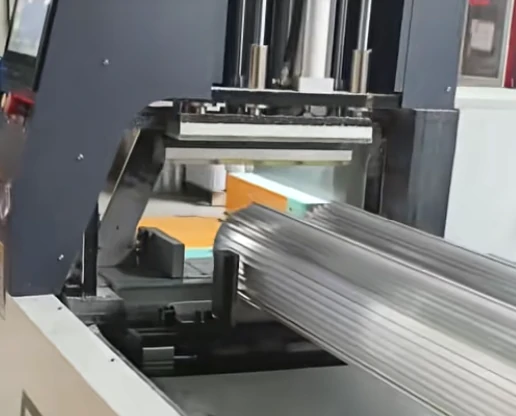
Custom Electronics Enclosures and Parts Manufacturer Services
What is an Electronics Enclosure?
An electronic enclosure protects electronic or electrical components by housing them in a box or cabinet. Its primary function is not only structural support but also safety: it helps shield users from risks such as electric shock, short circuits, or even potential explosions caused by electrical faults.
What benefits does an Electronics Enclosure provide?
Using a well-designed electronics enclosure offers multiple advantages in terms of safety, reliability, and operational efficiency. Below are the key benefits of implementing a high-quality electronics enclosure:
Enhanced Equipment Protection
A properly engineered electronics enclosure safeguards internal components from external damage, contamination, and electrical faults. This protection helps prevent system failures, minimizes the risk of explosions, and significantly extends the service life of the equipment.
Improved Personnel Safety
One of the primary functions of an electronics enclosure is to act as a barrier between electrical systems and users. It reduces exposure to hazards such as electric shock and short circuits, ensuring a safer working environment for operators and maintenance personnel.
Lower Fire and Hazard Risks
By isolating electrical components, an electronics enclosure helps reduce the likelihood of fire incidents caused by overheating, wiring faults, or electrical discharge. This added layer of protection enhances overall system safety and reliability.
What materials are used for electronics enclosures?
The performance and durability of an electronics enclosure largely depend on the materials used in its construction. Different materials offer varying levels of strength, corrosion resistance, cost efficiency, and environmental protection. Manufacturers use the following base materials to produce electronic enclosures, selecting each one based on specific application requirements:
Common Materials Overview
| Material | Key Properties | Typical Applications |
| Aluminum | Lightweight, corrosion-resistant, good heat dissipation | Industrial equipment, outdoor enclosures |
| Polycarbonate Plastic | Cost-effective, high impact resistance, UV-stable | Indoor/outdoor electrical boxes |
| Stainless Steel | Strong, corrosion-resistant, fire-resistant | Harsh environments, food-grade & marine use |
| Carbon Steel | High strength, economical, but prone to corrosion | Indoor or coated applications |
| Fiberglass | Non-conductive, highly durable, resistant to chemicals | Dusty, wet, or corrosive environments |
| Galvanneal Steel | Zinc-coated for corrosion protection, durable | Humid or moisture-prone environments |
| Cold-Rolled Steel | High strength, smooth finish, cost-efficient | General-purpose enclosures |
Material Grades, Processing & Surface Treatment
| Category | Details |
| Material Options | Aluminum (6061-T6, 6063, 7075-T6, 5052), Stainless Steel (302, 303, 304, 316, 420), Steel (Q235, 20#, 45#), Brass / Copper / Bronze |
| Processing Methods | CNC machining, CNC turning, CNC milling, CNC drilling, CNC grinding, CNC boring |
| Surface Treatment | Anodizing (color/transparent/hard), powder coating, sandblasting, laser engraving, silk screening, electroplating (nickel, chrome, zinc, gold, silver), polishing, black oxide |
| Certifications | ISO9001, ISO/TS16949, EICC, Dun & Bradstreet |
| Manufacturability | Varies depending on design complexity and production volume |
| Packaging Customization | Custom packaging design, logo printing, tailored protective solutions |
| MOQ | Flexible based on project requirements |
| Shipping Methods | Express (DHL, FedEx, UPS), air freight, sea freight |
How to Choose the Right Electronics Enclosure Material
Selecting the appropriate electronics enclosure material depends on your specific application, including environmental exposure, mechanical requirements, and budget. Metal and plastic materials each have distinct advantages, and making the right choice ensures long-term performance and safety.
If material selection is unclear, it is best to evaluate factors such as temperature, humidity, corrosion risk, and mechanical stress. A practical approach is to match the material properties with real-world usage scenarios to achieve the most reliable and cost-effective solution.
What guidelines should be followed for Electronics Enclosure design?
Designing a reliable electronics enclosure requires more than just assembling parts—it involves following structured engineering principles to ensure long-term performance, safety, and cost efficiency. Below are the key guidelines to consider when developing an effective electronics enclosure design:
Accurate Measurement and Dimensioning
Precise sizing is the foundation of any electronics enclosure. Proper measurements ensure that all internal components fit correctly while maintaining sufficient space for airflow, wiring, and future maintenance. Well-defined dimensions also contribute to cost control and installation safety.
Choosing the Right Electronics Enclosure Material
Selecting the appropriate electronics enclosure material is essential for performance and durability.You should evaluate the material based on:
- Durability and strength
- Structural stability
- Flexibility for design adaptation
- Material availability
- Service lifespan
- Overall cost efficiency
In addition, the environment plays a critical role. The chosen electronics enclosure material type must be suitable for:
- Indoor or outdoor use
- Coastal or high-salinity areas
- Underground installations
- High-humidity conditions
- Extreme temperature environments
Sheet Metal Thickness Selection
The thickness of the material directly affects the strength and protection level of the electronics enclosure.Thicker panels provide better mechanical protection but may also increase weight and cost, so you must balance these factors based on application requirements.
Optimized Layout and Structural Design
A well-planned electronics enclosure design enhances both functionality and appearance. Proper internal layout ensures efficient component placement, cable routing, and heat management, while the external design improves usability and aesthetics.
Welding and Assembly Techniques
Welding plays a crucial role in reinforcing the structural integrity of an electronics enclosure. Common methods include:
- Spot Welding– A fast and efficient process ideal for joining sheet metals such as stainless steel or cold-rolled steel
- Seam Welding– Provides continuous joints for improved strength and sealing performance
Choosing the right welding method ensures durability and long-term reliability.
Surface Finishing and Protection
Finishing processes enhance both the appearance and protective performance of an electronics enclosure. Common electronics enclosure surface treatment options include:
- Powder Coating– Provides durable, corrosion-resistant finishes in various textures and colors
- Silkscreening & Digital Printing– Used for branding, labels, and markings
- Chemical Conversion Coating– Improves corrosion resistance and electrical conductivity
- Anodizing– Strengthens non-ferrous metals and enhances corrosion resistance
- Tin Plating– Improves conductivity and solderability
- Bare Metal Finishing– Includes raw, brushed, or polished finishes depending on requirements
Electrical Safety and Cable Management
A well-designed electronics enclosure must ensure safe and efficient electrical transmission. Proper insulation, grounding, and cable organization help prevent short circuits, interference, and potential hazards, while also simplifying maintenance and upgrades.
What factors matter when choosing a safe Electronics Enclosure?
Selecting the right electronics enclosure is critical to ensuring the safety and longevity of your equipment. An improper choice can expose sensitive components to environmental damage, electrical hazards, or mechanical failure. To help you choose the safest electronics enclosure, consider the following key factors:
Appropriate Electronics Enclosure Material
The safety of an electronics enclosure largely depends on the material used. Different electronics enclosure material types offer varying levels of protection against corrosion, impact, temperature, and moisture. It is essential to match the material with your specific application requirements to ensure optimal performance and durability.
Verified Ratings and Protection Standards
Always evaluate the certification and rating of the electronics enclosure. Recognized standards (such as IP ratings or NEMA ratings) indicate the enclosure’s ability to resist dust, water, and external impacts. A properly rated electronics enclosure ensures reliability and compliance in demanding environments.
Installation Compatibility
A well-designed electronics enclosure should integrate seamlessly into your intended installation area. Choosing an enclosure that fits your mounting requirements avoids unnecessary modifications such as drilling or structural changes, which could weaken the enclosure and compromise protection.
Load Capacity and Structural Strength
Before installation, it is important to assess whether the electronics enclosure can support the weight of the internal components. Evaluating load-bearing capacity ensures that the enclosure maintains its structural integrity and continues to function safely under operational conditions.
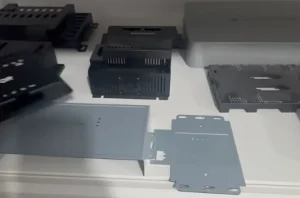
What products can be made using Electronics Enclosure solutions?
Electronic Devices & Consumer Applications
- Electronic Devices Housings
- Personal Electronic Devices
- Kitchen Appliances
- Gaming Peripherals & VR Headsets
- Headphones & Audio Devices
- Athletics and Sporting Equipment
- Smart Home & IoT Products
- Consumer Video Equipment
- Durable Casings & Protective Housings
- Home EV Charging Stations
These categories represent typical applications of consumer electronics enclosure manufacturing, covering both lifestyle products and industrial-grade electronic systems.
Types of Electronics Enclosures
Plastic Electronics Enclosure
A plastic electronics enclosure is produced using precision tooling and high-quality engineering plastics. It offers flexible design options, lightweight structure, and customizable features, making it suitable for a wide range of custom electronics housing applications.
Waterproof Electronics Enclosure
A waterproof electronics enclosure is engineered to protect sensitive components from dust, moisture, and environmental exposure. It is widely used in both commercial and industrial environments where reliable sealing performance is essential for long-term operation.
Metal Electronics Enclosure
A metal electronics enclosure provides high strength and durability for demanding applications. It is commonly used in environments requiring mechanical protection and long service life, offering a cost-effective solution for heavy-duty electronics enclosure manufacturing needs.
Angled Electronics Enclosure
An angled electronics enclosure is designed for improved usability and ergonomic access. Its inclined structure enhances visibility and operation efficiency, making it suitable for control interfaces and user-facing electronic systems.
Aluminum Electronics Enclosure
An aluminum electronics enclosure combines lightweight structure with excellent corrosion resistance and heat dissipation. It is widely used in precision electronics and can be customized quickly to meet specific project requirements, supporting fast development cycles in custom electronics housing production.
Rack Mount Electronics Enclosure
A rack mount electronics enclosure is designed for standardized installation in server racks and industrial systems. It provides organized structure, scalability, and compliance with industrial mounting standards for efficient system integration.
Industrial & Special Purpose Enclosures
NEMA Enclosure
A NEMA enclosure is built to withstand harsh environmental conditions, offering strong protection against dust, water, and external impact in industrial installations.
Transformer Enclosure
A transformer enclosure is manufactured using high-strength materials to ensure structural stability and safe operation in power distribution and electrical infrastructure systems.
Equipment Enclosure
An equipment enclosure is available in multiple configurations, including different sizes, materials, and finishes, providing flexible solutions for various industrial and electronic applications.
Machine Enclosure
A machine enclosure is designed to reduce noise, control temperature exposure, and enhance operational safety, making it suitable for protecting machinery in industrial environments.
What are Custom Electronics Components used for?
Electronic Mechanical Keyboard Case
A custom electronics components solution for mechanical keyboards focuses on precision machining and material flexibility. These keyboard housings can be manufactured using aluminum, stainless steel, copper, and other metal materials depending on performance requirements and design preferences.
To meet different product positioning, a wide range of color options is available, including red, green, black, coffee, blue, or fully customized finishes. Surface finishing processes such as anodizing, electrophoresis, and polishing are commonly applied to improve durability, texture, and appearance.
Electronic Bluetooth Headphone Charger Case
As part of custom electronics components manufacturing, Bluetooth headphone charger enclosures are designed with both functionality and compact structure in mind. Material selection and machining methods are customized based on customer specifications to ensure stable performance and long-term reliability.
Quality consistency is ensured through a structured quality control system covering multiple inspection stages. In addition, surface treatments can be tailored to different aesthetic and protective requirements, improving resistance to wear and environmental exposure.
Electronic Aluminum Remote Control Housing
A custom electronics components supplier typically offers aluminum remote control housings with extensive flexibility in design and production. These solutions often involve long-term cooperation with specialized manufacturing partners to ensure stable quality and scalable production capacity.
With more than 40 material and surface treatment combinations available, alongside a multi-stage inspection process, production yield rates can reach up to 98%. This ensures that each custom electronics components solution maintains high consistency, durability, and precision across batches.
What electronics industry challenges can be solved?
Micro-miniaturization & High Precision
Modern electronic products are continuously shrinking in size, which places significantly higher demands on electronics industry manufacturing precision. To meet these requirements, advanced CNC machining technologies are used to achieve extremely tight tolerances, ensuring every component fits and functions accurately within compact electronic systems.
Through highly controlled production processes, dimensional consistency is maintained across every batch, reducing the risk of assembly issues or functional failure caused by micro-level deviations in electronic housings and components.
- Precision capability: ±0.005mm
By maintaining this level of accuracy, solutions for electronics industry challenges can effectively support the development of smaller, more complex, and more reliable electronic devices.
Thermal Management Solutions
One of the key electronics industry challenges is heat generation in high-performance devices. Excessive heat can reduce efficiency, shorten product lifespan, and cause system instability if not properly managed.
Advanced CNC machining enables the production of highly efficient heat sinks and thermal control components with optimized geometries. These structures are designed with enhanced surface area and airflow pathways to improve heat dissipation performance.
By refining both design and machining accuracy, electronic thermal management solutions ensure stable operation even under continuous high-load conditions, helping devices maintain performance, reliability, and safety in demanding environments.
What is included in Electronics Industry Component Manufacturing Services?
A full-range provider of electronics industry component manufacturing services delivers integrated solutions that support every stage of product development—from early prototyping to mass production. With flexible production capacity, it becomes possible to handle custom electronics housing projects, tooling requirements, and both low-volume and large-scale manufacturing while maintaining consistent quality standards under ISO9001:2015 systems.
CNC Machining Services
As a core part of electronics industry component manufacturing services, CNC machining is widely used for producing precision electronic housings, structural frames, and heat dissipation parts. It is compatible with a broad selection of metal alloys and engineering plastics, making it suitable for diverse application scenarios.
This process ensures stable accuracy and repeatability, which is critical for maintaining the performance of sensitive electronic assemblies.
Swiss CNC Machining
For ultra-precision requirements, electronics industry component manufacturing services often include Swiss CNC machining capabilities. This technology is ideal for producing small, complex parts such as connectors, micro shafts, and precision housing components.
With micron-level accuracy and excellent surface finishing, it is especially suitable for high-end electronic systems where dimensional stability is essential.
5-Axis CNC Machining
Advanced electronics industry component manufacturing services also rely on 5-axis CNC machining to produce highly complex geometries in a single setup. This reduces repositioning errors and improves overall manufacturing efficiency.
It is particularly effective for intricate electronic enclosures and precision components that require multi-angle machining and tight geometric control.
CNC Turning
As part of comprehensive electronics industry component manufacturing services, CNC turning is used to manufacture cylindrical components such as connectors, terminals, and precision mechanical parts.
This method ensures tight tolerances and high consistency, making it suitable for mass production of uniform electronic components.
Rapid Prototyping
Rapid prototyping plays an important role in electronics industry component manufacturing services, allowing manufacturers to quickly produce functional samples for testing and validation.
This significantly shortens product development cycles and helps accelerate time-to-market for new electronic products.
Surface Treatment Solutions
To enhance both functionality and appearance, electronics industry component manufacturing services include a wide range of surface finishing processes. These treatments improve corrosion resistance, wear resistance, and aesthetic quality.
Common options include plating, anodizing, polishing, and other functional or decorative finishing techniques tailored to specific application requirements.
What surface finishing is used for Custom Electronics Housing and Parts?
The performance and appearance of custom electronics housing and parts’s surface finishing play a crucial role in enhancing durability, corrosion resistance, and overall product value. Depending on material type and functional requirements, a wide range of finishing techniques can be applied to achieve both protective and aesthetic improvements.
Common Surface Finishing Methods
To meet different application needs, custom electronics housing and parts’s surface finishing may include the following processes:
- Oxidation treatment for improved corrosion resistance
- Sandblasting for uniform texture and surface preparation
- Polishing to achieve smooth and reflective finishes
- Electroplating for enhanced conductivity and durability
- Powder coating for strong protective and decorative layers
- Baking paint for stable color and surface hardness
- PVD coating for high-end wear and scratch resistance
- Laser engraving for precise marking and branding
- Blackening for anti-corrosion and industrial appearance
- Wire drawing for linear texture and aesthetic enhancement
- Heat treatment to improve mechanical strength
- Chemical etching for detailed surface patterning
Extended Surface Treatment Options
Beyond standard processes, custom electronics housing and parts’s surface finishing also includes specialized treatment solutions designed for unique performance requirements. These advanced methods can be selected based on material characteristics, environmental conditions, and functional expectations, ensuring optimized durability and visual quality for different applications.
Each finishing approach is carefully matched to the product’s usage scenario, helping improve both protective performance and long-term reliability.
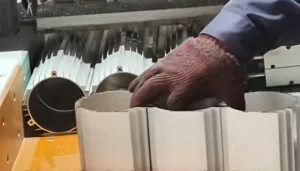
Why choose a Custom Electronics Housing manufacturer in China?
A professional custom electronics housings manufacturer in China typically provides end-to-end solutions for designing and producing high-precision enclosures and components. These services often cover a full range of manufacturing capabilities, including CNC machining, rapid tooling, die casting, aluminum extrusion, 3D printing, and final assembly—ensuring flexibility for both prototyping and mass production.
Comprehensive Manufacturing Capabilities
A reliable custom electronics enclosure manufacturer supports diverse material options such as aluminum, stainless steel, engineered plastics, and alloy materials. These materials are carefully selected to match application-specific requirements, whether for durability, thermal performance, or corrosion resistance.
In addition, advanced electronics enclosure manufacturing processes allow for both low-volume and high-volume production across multiple industries, including industrial electronics, automotive systems, medical devices, and more. Through detailed DFM (Design for Manufacturability) analysis, manufacturers can optimize structure, reduce costs, and ensure efficient production.
Flexible Customization for Electronics Enclosures
A key advantage of working with a custom electronics housing supplier is the ability to fully tailor designs based on project needs. Customization options typically include:
- Adjustable panel sizes and structural layouts
- Multiple color finishes and surface treatments
- Various mounting solutions (wall-mounted, pole-mounted, etc.)
- Integration of accessories such as ventilation fans or cable management systems
These tailored solutions ensure that each electronics enclosure aligns perfectly with system requirements while maintaining both functionality and visual appeal.
Performance and Protection Features
High-quality electronics enclosures are engineered to deliver strong environmental protection and operational stability. Key performance features include:
- Resistance to extreme temperatures (both high and low)
- Effective sealing against dust, moisture, and contaminants
- Enhanced structural strength for component protection
- Long-term durability for continuous operation
These characteristics help maintain the integrity and value of sensitive electronic systems.
Compliance with Industry Standards
A dependable electronics enclosure manufacturer in China ensures that all products meet internationally recognized standards. Common compliance requirements include:
- IP ratingsfor dust and water protection
- NEMA standardsfor environmental durability
- ISO-certified quality management systems
Such certifications guarantee that the custom electronics enclosure meets safety, reliability, and performance expectations in global markets.
Engineering Expertise and Advanced Production
Experienced engineering teams play a vital role in delivering high-quality custom electronics housings. With access to modern equipment and advanced production technologies, manufacturers can develop innovative enclosure solutions that balance design, performance, and cost efficiency.
From concept development to final production, these capabilities enable seamless execution of complex projects while maintaining strict quality control.
Scalable Production and Supply Flexibility
Another important benefit of choosing a custom electronics enclosure supplier is flexible production capacity. Whether the requirement is small-batch prototyping or large-scale manufacturing, production can be adjusted without strict minimum order limitations, helping businesses optimize inventory and cost.
Why choose welleshaft for Electronic Housing and Parts?
Choosing the right partner for electronic housing and parts manufacturing is critical for ensuring precision, reliability, and long-term product performance. With strong engineering capability and advanced production systems, welleshaft provides end-to-end solutions tailored to demanding electronics industry requirements.
Proven Industry Experience
With over a decade of experience in electronics CNC machining services, welleshaft has developed deep technical expertise in producing high-precision electronic housings and components. This long-term industry involvement ensures stable quality control and reliable manufacturing outcomes across different project scales.
Certified Manufacturing Excellence
As a certified manufacturer under ISO 9001:2015 standards, welleshaft follows strict quality management systems throughout every stage of electronics housing and parts production. Each component is manufactured with controlled processes to ensure dimensional accuracy, consistency, and compliance with international requirements.
Advanced Manufacturing Capabilities
welleshaft integrates multiple advanced processes within its electronic component manufacturing solutions, including CNC machining, turning, milling, stamping, and multi-axis machining technologies.
With 4-axis and 5-axis CNC systems, complex geometries of electronic housings and precision parts can be completed in a single setup, improving both efficiency and accuracy while reducing production errors.
Global Project Experience
Having served clients across more than 60 countries, welleshaft’s electronics manufacturing solutions are widely applied in industries such as medical devices, automotive systems, and consumer electronics.
This global experience allows the company to adapt to different engineering standards and deliver flexible custom electronic housing manufacturing services for diverse market requirements.
Fast Prototyping and Efficient Delivery
To support the fast-moving electronics industry, welleshaft offers rapid turnaround services for electronic enclosure prototyping and production. Prototype development can typically be completed within 24–72 hours, enabling faster validation and product development cycles.
At the same time, optimized production workflows ensure that electronics parts manufacturing services maintain high precision while meeting tight delivery schedules.
FAQ
How is packaging handled for electronics components?
For electronics manufacturing packaging solutions, a variety of protective methods are used to ensure product safety during transportation. Common options include pearl cotton wrapping, white paper protection, bubble bags, PE bags, blister boxes, and blister trays.
In addition, custom electronics packaging solutions can be designed based on specific product dimensions, fragility levels, and shipping requirements to ensure maximum protection and efficiency.
What materials can be used for production?
A wide range of materials is available for electronics component manufacturing services, including stainless steel, brass, aluminum, copper, carbon steel, titanium alloys, and engineering plastics.
This material flexibility allows custom electronics parts manufacturing to meet different performance requirements such as strength, conductivity, corrosion resistance, and weight optimization.
Can you help optimize the design?
Yes, electronics design optimization services are available through experienced engineering support. Design for Manufacturability (DFM) analysis can be provided to improve structure, reduce cost, and enhance production efficiency.
Clients can also collaborate directly with engineering teams to refine ideas and develop more efficient custom electronics housing solutions.
Can I track production progress?
A dedicated production tracking system is used in electronics manufacturing services to ensure transparency throughout the entire process. Customers can receive regular updates, including photos and videos of production stages.
This allows full visibility into custom electronics production progress, ensuring clear communication and timely feedback.
Is it possible to monitor production without visiting the factory?
Yes, remote monitoring is fully supported in electronics manufacturing production management. Detailed production schedules are provided, along with weekly reports that include images and videos showing machining and assembly progress.
This ensures customers can stay informed about their custom electronics manufacturing orders at all times without the need for on-site visits.
This blog was provided by the Welleshaft Engineering Team Mr. Xu, specializing in precision CNC machining and custom electronics enclosure manufacturing, delivering high-quality industrial housing solutions worldwide.

 Português
  English
  Português do Brasil
  Deutsch (Österreich)
  Deutsch (Schweiz)
  English (UK)
  English (Australia)
  English (New Zealand)
  Deutsch
  Français du Canada
  Français
  Français de Belgique
  Italiano
  English (South Africa)
  Español
  Español de México
  Español de Perú
  Español de Colombia
  العربية
  日本語
日本語  Русский
  한국어
한국어  Tiếng Việt
  ไทย
ไทย