
How Does Heat Treatment Improve CNC-Machined Parts?
What Is Heat Treatment and Why Is It Important for Metal Parts?
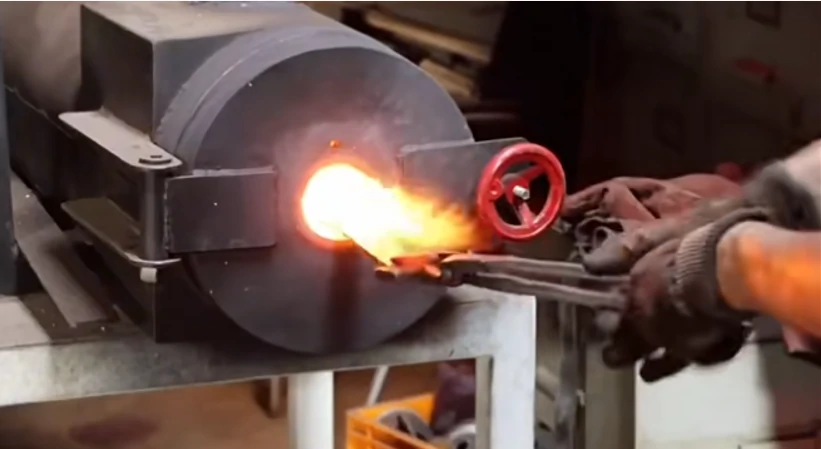
Heat treatments for CNC machined parts are a carefully controlled process in which a material is heated to a specific temperature and then cooled in a regulated manner. This process modifies the material’s physical and mechanical properties, such as hardness, toughness, and ductility, without altering the part’s original shape.
By adjusting heating and cooling parameters, manufacturers can tailor the metal or alloy to meet specific performance requirements, making heat treatments for CNC machined parts a critical step in producing durable and high-performance components for CNC machining, automotive, aerospace, and industrial applications.
What Is Heat Treatment in CNC Machining and Why Is It Used?
Heat treatment plays a crucial role in the CNC machining of metal components, serving as a key step to tailor material properties for specific applications. This process involves carefully controlled heating and cooling cycles, which modify essential characteristics such as hardness, strength, toughness, and ductility.
Choosing the right heat treatment technique depends on several factors, including the metal’s composition, part geometry, and the targeted mechanical properties. Each decision affects the resulting microstructure, which directly determines the performance and durability of the machined component.
The ultimate objective of heat treatment in CNC machining is to develop a microstructure optimized for the part’s intended use, ensuring that components not only meet dimensional and performance standards but also maintain long-term reliability under operational stress. Understanding these variables allows manufacturers to maximize efficiency and quality in CNC-machined metal parts.
What Are the Main Heat Treatment Process Steps?
Heat treatments for CNC machined parts are a controlled procedure where a metal is heated to a target temperature, maintained at that level, and then cooled in a specific manner. This process modifies the microstructure of the material, which in turn affects its mechanical properties, including hardness, toughness, ductility, and wear resistance.
Heating
The first step involves raising the metal to a predetermined temperature following a precise thermal profile. During heating, alloys can transition into different states: a mechanical mixture, a solid solution, or a combination of both. This stage initiates the transformation of the metal’s internal structure, setting the foundation for enhanced performance.
Soaking / Holding
Once the target temperature is reached, the part enters the soaking or holding phase, where it is maintained at the set temperature for a specific duration. The holding time varies depending on the material type, alloy composition, and part dimensions. Larger components require longer soaking to ensure uniform temperature distribution and consistent properties throughout the material.
Controlled Cooling
After soaking, the metal undergoes controlled cooling, which can be performed in air, oil, water, or a furnace depending on the desired outcome. Using a controlled environment during cooling ensures precision, especially when slow cooling is necessary to relieve internal stresses or achieve specific mechanical characteristics.
This stepwise approach ensures that heat-treated metals achieve the intended combination of hardness, toughness, and dimensional stability, making them suitable for demanding industrial and CNC-machined applications.
What Types of Heat Treatment Are There for Metal Parts?
Several heat treatment processes are commonly used in metal manufacturing to adjust mechanical properties such as hardness, strength, ductility, and residual stress levels. Different heat treatment methods serve specific purposes depending on the material and application. Below are some widely used types of heat treatment.
Annealing
Annealing is one of the earliest and most widely applied heat treatment methods for ferrous metals. The process involves heating the metal to a controlled temperature and then allowing it to cool slowly.
The main goal of annealing is to soften the metal, making it easier to form, machine, or process further. In addition, annealing can help remove trapped gases, relieve internal stresses, and improve the overall mechanical performance of alloy steels.
This treatment is often carried out at temperatures close to 700°C, depending on the specific steel composition.
Normalising
Normalising is similar to annealing in that the material is heated above its critical temperature. However, instead of slow furnace cooling, the metal is cooled in air, which accelerates the cooling rate.
Because of this faster cooling process, normalised steel typically exhibits:
- Higher strength
- Increased yield strength
- Improved tensile properties
- Better impact resistance
The trade-off is that the metal may become slightly less ductile compared with annealed materials.
Preheating
Preheating refers to heating the base metal before performing welding or cutting operations. Although this process does not significantly alter the fundamental properties of steel, it plays an important role in preventing cracking during welding.
Preheating helps by:
- Removing moisture from the metal surface
- Promoting uniform thermal expansion
- Slowing down the cooling rate during welding
This controlled heating can reduce the risk of under-bead cracking, particularly in high-strength steels.
Post Weld Heat Treatment / Stress Relieving
Post Weld Heat Treatment (PWHT), also known as stress relieving, is used after welding operations. The steel component is reheated to a moderate temperature—typically between 590°C and 700°C—and maintained at that temperature for a defined period.
The main objective of this heat treatment is to reduce residual stresses created by welding, quenching, or cold forming processes. In addition, stress relieving can enhance the metal’s:
- Elasticity
- Ductility
- Structural stability
This makes the welded component more reliable for long-term service.
Quench Hardening
Quench hardening is a heat treatment technique used to significantly increase the hardness and strength of metals. The metal is first heated to a high temperature and then rapidly cooled by immersing it in a cooling medium such as water, oil, or gas.
While this rapid cooling produces a very hard structure, it can also introduce brittleness, which is why quenching is often followed by tempering.
Tempering
After a component has undergone quench hardening, it may become too brittle for practical applications. Tempering is therefore performed to restore a balance between hardness and toughness.
Tempering involves reheating the hardened steel to a lower temperature and then cooling it in a controlled manner. This process:
- Reduces brittleness
- Relieves internal stresses
- Improves toughness and ductility
As a result, tempered steel components maintain high strength while becoming more resistant to cracking or sudden failure.
What Are the Most Common Heat Treatment Methods Used in Manufacturing?
Heat treatment is a controlled thermal process used to alter the internal structure and mechanical properties of metals. By carefully regulating heating temperatures, holding times, and cooling rates, manufacturers can significantly improve strength, hardness, wear resistance, or machinability.
In modern manufacturing, types of heat treatment are widely applied to steels, aluminum alloys, and other engineering materials to meet the performance demands of industrial components. Understanding the common heat treatments for CNC machined parts helps engineers select the correct process during product design and production.
What Are the Common Heat Treatments for CNC Materials?
Annealing
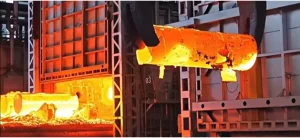
Annealing is one of the most widely used heat treatment methods for reducing hardness and improving ductility. The process typically involves heating the metal to a specified temperature, maintaining that temperature for a defined period, and then allowing the material to cool slowly inside a furnace.
This gradual cooling relieves internal stresses generated during forming or machining and improves the material’s workability. As a result, annealing is frequently applied before processes such as bending, stamping, or CNC machining.
In industrial practice, annealing can significantly improve manufacturing efficiency. For instance, metal blanks used in automotive stamping may crack during forming due to excessive hardness. Performing annealing before stamping allows the metal structure to become more ductile, which greatly increases production yield and reduces scrap rates.
Similarly, aluminum components can benefit from annealing because the treatment improves chip formation during machining and enhances dimensional stability.
Overall, annealing is often considered the default material condition for many CNC-machined components when no additional heat treatment is specified.
Quenching
Quenching is a heat treatment technique designed to increase the hardness and strength of metals. The process involves heating the material to a high temperature and then rapidly cooling it using a quenching medium such as oil, water, or air.
This rapid cooling transforms the internal microstructure of steel into martensite, a phase known for its high hardness and strength. Because of this transformation, quenching is commonly applied to components that must withstand heavy loads or wear.
Several variables influence the effectiveness of the quenching process:
- Chemical composition of the steel
- Cooling medium used for quenching
- Thickness and geometry of the part
- Temperature of the quenching bath
- Agitation during cooling
In CNC manufacturing, quenching is usually performed after machining operations. Once the metal becomes hardened, additional machining becomes significantly more difficult.
For example, tool steels often undergo quenching to achieve extremely high surface hardness. However, because quenched steel can become brittle, a secondary heat treatment—tempering—is typically performed afterward.
Tempering
Tempering is normally carried out after quenching to improve the toughness of hardened metals. During this process, the material is reheated to a temperature lower than the original quenching temperature and then cooled again.
The purpose of tempering is to reduce the brittleness introduced during quenching while maintaining a suitable level of hardness. This balance between hardness and toughness is critical for components exposed to mechanical stress.
Mechanical testing often shows that tempered materials demonstrate improved ductility and better resistance to cracking. For example, tempered steels typically show increased elongation and reduced hardness compared to their fully quenched condition.
Because of these benefits, the quenching and tempering combination is one of the most common heat treatment strategies used for mechanical components such as gears, shafts, and industrial tooling.
Normalizing
Normalizing is another widely used heat treatment method designed to refine the grain structure of metals. In this process, the material is heated above its critical transformation temperature and then cooled in still air.
Compared with annealing, normalizing produces a finer grain structure and results in improved mechanical properties. Components treated through normalizing typically exhibit higher tensile strength and enhanced toughness.
For example, low-alloy steels that have undergone normalizing often demonstrate noticeable improvements in both strength and impact resistance. These properties make normalized steel suitable for structural parts, machined components, and mechanical assemblies.
Normalizing is also commonly used as a preparatory treatment before further heat treatment or machining processes.
Stress Relieving
Stress relieving is a specialized heat treatment used to remove residual stresses that develop during machining, welding, or forming operations.
The process involves heating the component to a moderate temperature—lower than annealing—and holding it for a controlled period before cooling it slowly. This thermal cycle reduces internal stress without significantly altering the metal’s hardness or microstructure.
In CNC machining, stress relieving is particularly useful for parts with complex geometries or tight tolerances. By minimizing internal stresses, the treatment helps prevent distortion and improves dimensional stability during later processing stages.
What Type of Materials Can Heat Treatment Be Done On?
Heat treatment is suitable for a variety of metals and alloys that meet recognized international standards. Commonly treated materials include carbon steels, low- and high-alloy steels, cast irons, and other industrially approved metal grades.
Applying heat treatments for CNC machined parts to these materials allows manufacturers to enhance mechanical properties such as hardness, strength, toughness, and wear resistance, making them ideal for CNC machined components, automotive parts, and heavy-duty industrial applications.
By selecting the appropriate heat treatment method for each material type, engineers can ensure consistent performance and long-term durability of the finished components.
Which Materials Are Most Commonly Suitable for Heat Treatment?
Heat-treatable metals are materials that respond to controlled heating and cooling cycles, allowing their mechanical properties—including hardness, strength, and toughness—to be modified for specific applications. Common metals suitable for heat treatment include:
- Carbon Steels– Medium and high carbon grades such as 1045 and 1095, which are widely used for structural and mechanical components.
- Alloy Steels– Examples include 4140, 4340, and 8620, known for their improved strength and wear resistance after heat treatment.
- Tool Steels– Such as A2, D2, O1, and M2, which gain exceptional hardness and toughness for cutting and forming tools.
- Stainless Steels– Including martensitic types like 410, 420, 440C, and precipitation-hardening grades such as 17-4 PH and 15-5 PH, offering both corrosion resistance and enhanced mechanical performance.
- Cast Irons– Ductile and malleable cast irons that can benefit from heat treatment to improve toughness and reduce brittleness.
These metals are commonly chosen for CNC-machined parts, automotive components, and industrial machinery, where enhanced durability, wear resistance, and mechanical reliability are critical.
How Do Heat Treatment Processes Affect Metal Properties?
Heat treatment processes fundamentally modify the microstructure of metals, which directly influences their mechanical and physical properties. By carefully controlling temperature cycles and cooling conditions, manufacturers can tailor materials to meet specific engineering requirements.
The effects of heat treatment processes on metal properties include improvements in hardness, toughness, wear resistance, and ductility. These enhancements allow metals to perform reliably in high-load, high-friction, and high-temperature environments commonly found in industrial machinery and precision components.
Below are several key property improvements achieved through heat treatment.
Hardness Improvement
One of the most noticeable outcomes of heat treatment processes is the increase in metal hardness. Processes such as quenching followed by tempering alter the internal crystal structure, forming stronger phases that significantly increase resistance to deformation.
Experimental observations show that hardness can increase dramatically after heat treatment cycles. For instance, the first quenching and tempering cycle may raise hardness by more than 35% compared with the untreated material. When a second treatment cycle is applied, hardness can improve even further, demonstrating the cumulative strengthening effect of repeated thermal processing.
Controlled testing also confirms these results. In one example, metals processed under a static load condition achieved hardness values approaching 380 Hv, representing nearly a 50% increase compared with their initial hardness level. Because of these improvements, heat-treated metals are widely used in components that must endure heavy mechanical loads, including cutting tools, gears, and machine parts.
Repeated thermal cycles can be optimized to increase hardness while maintaining other important material properties.
Enhanced Toughness
Another important effect of heat treatment processes on metal properties is the improvement in toughness. Toughness refers to the ability of a material to absorb energy before fracturing, which is critical for parts exposed to dynamic loads or impacts.
Heat treatment methods such as normalizing refine the internal grain structure of steel, creating a more uniform microstructure. This refinement allows the material to distribute stress more effectively, improving its resistance to cracking.
Experimental data shows that normalized metals can experience more than a 40% increase in impact toughness along with a substantial rise in tensile strength. These improvements make heat-treated metals highly suitable for structural components, heavy machinery parts, and mechanical assemblies.
Additionally, heat-treated materials tend to maintain stable toughness levels across varying operating conditions, which is essential for equipment operating under fluctuating loads.
Increased Wear Resistance
For components exposed to constant friction or abrasive environments, wear resistance is a critical property. Heat treatment techniques such as carburizing and induction hardening are specifically designed to strengthen the surface layer of metals while maintaining a tough interior.
In practical testing, carburized steel treated at high temperatures followed by rapid cooling has shown extremely low wear rates under controlled load conditions. In some cases, repeated heat treatment cycles further reduce wear rates, demonstrating improved durability and surface integrity.
Research on high-performance alloys also shows similar benefits. For example, certain nickel-based alloys can experience a significant increase in microhardness after heat treatment, while the friction coefficient decreases noticeably. This combination of higher hardness and lower friction makes heat-treated metals ideal for applications such as bearings, cutting tools, gears, and other moving mechanical parts.
Improved wear resistance ultimately extends component lifespan and reduces the frequency of maintenance or replacement.
Optimized Ductility
While hardness and strength are essential, metals must also retain adequate ductility to prevent sudden failure. Heat treatment processes such as annealing and tempering help balance hardness with flexibility.
Tempering, for example, can increase elongation significantly compared with the fully quenched condition. By reheating hardened steel to a moderate temperature, internal stresses are relieved and brittleness is reduced, allowing the material to withstand deformation without cracking.
Annealing further enhances ductility by softening the metal and refining its microstructure. This treatment is particularly beneficial for materials that require additional forming or machining operations.
In industrial production, annealed materials often demonstrate higher forming success rates and reduced risk of cracking during processing.
The Concrete Benefits of Heat Treatment on Durability
Beyond improving individual material properties, the concrete benefits of heat treatment on durability are clearly visible in real-world applications. Properly selected heat treatment processes can dramatically extend the operational life of mechanical components.
In many cases, the lifespan of a metal part can increase several times after heat treatment. By improving hardness, reducing wear, and minimizing internal stresses, heat-treated components experience less deformation and lower risk of structural failure during long-term use.
Another important advantage is improved dimensional stability. Heat-treated metals maintain their shape more reliably under thermal and mechanical loads, which is especially critical for precision components and assemblies with tight tolerances.
From a manufacturing perspective, these durability improvements lead to tangible operational benefits:
- Reduced equipment downtime
- Lower maintenance costs
- Increased machine reliability
- Higher overall productivity
Although heat treatment adds an additional processing step, the long-term performance gains typically outweigh the initial cost. For manufacturers producing high-performance or safety-critical components, investing in appropriate heat treatment processes is essential for achieving consistent quality and extended service life.
Which Heat Treatment Methods Help Extend the Service Life of Parts?
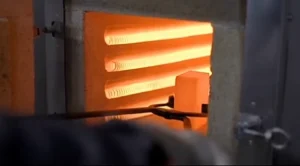
Certain types of heat treatment are specifically designed to increase wear resistance and extend the operational lifespan of mechanical components. These treatments typically focus on enhancing surface hardness while maintaining a strong and tough core structure.
Induction Hardening
Induction hardening is a localized heat treatment process that uses electromagnetic induction to heat selected areas of a component. Once the targeted area reaches the required temperature, it is rapidly cooled to produce a hardened surface layer.
This method offers several advantages:
- Precise control of the hardened zone
- Minimal distortion of the component
- High surface hardness and wear resistance
Induction hardening is commonly used for shafts, gears, and machine components where only specific surfaces require strengthening.
Carburizing and Nitriding
Carburizing and nitriding are surface engineering processes that enrich the outer layer of steel with carbon or nitrogen.
These treatments create a very hard outer shell while keeping the internal core relatively tough and ductile. The resulting combination of hardness and impact resistance makes these processes ideal for components subjected to friction and repeated loading.
Typical applications include:
- Transmission gears
- Drive shafts
- Mechanical couplings
Because the core of the part remains tough, carburized or nitrided components can absorb shock without fracturing.
Vacuum Heat Treatment
Vacuum heat treatment is performed in a sealed furnace where oxygen and contaminants are removed from the environment. This controlled atmosphere prevents oxidation and ensures extremely clean surfaces.
The process provides consistent results and precise temperature control, making it suitable for high-precision components where dimensional accuracy and surface quality are critical.
Industries requiring tight tolerances often prefer vacuum heat treatment because it minimizes scaling and contamination.
Precipitation Hardening (Aging)
Precipitation hardening, also known as aging, is used to increase the strength of certain alloys through controlled precipitation of alloying elements.
The process typically includes three stages:
- Heating the alloy to dissolve strengthening elements
- Rapid cooling (quenching)
- Aging at a moderate temperature to allow particles to precipitate
During the aging stage, fine particles form within the metal matrix, which significantly increases strength and hardness.
For example, aluminum alloy 7075 can achieve very high strength after precipitation hardening while maintaining a relatively low weight. Because of these properties, precipitation-hardened alloys are frequently used in high-performance engineering applications.
Case Hardening and Carburizing
Case hardening refers to a group of heat treatment processes that strengthen the outer surface of steel while leaving the inner core softer and more ductile.
Carburizing is the most common form of case hardening. In this process, steel components are heated in a carbon-rich atmosphere so that carbon atoms diffuse into the surface layer. After quenching, this carbon-enriched layer becomes extremely hard and wear-resistant.
This approach is particularly beneficial for parts exposed to continuous friction or contact stress, such as gears, cams, and mechanical shafts.
How Do Different Heat Treatment Methods Compare?
A comparative analysis of heat treatments for CNC machined parts helps engineers and manufacturers understand how different thermal processes influence metal performance, production efficiency, and cost. Each technique provides specific advantages depending on the material type, part geometry, and required mechanical properties.
Selecting the appropriate heat treatment approach allows manufacturers to optimize strength, durability, machinability, and surface performance in industrial components.
Advantages of Common Heat Treatment Methods
Different heat treatment techniques offer distinct benefits that make them suitable for various manufacturing environments.
For example, induction heating is widely recognized for its high energy efficiency and rapid heating capability. Because the process concentrates heat directly within the component, it minimizes heat loss and significantly reduces processing time. This makes induction heating ideal for high-volume production where precision and speed are critical.
In contrast, resistance heating is often preferred for its simplicity and lower operational cost. The equipment is easier to implement and maintain, making it particularly suitable for smaller production facilities or applications that do not require extremely rapid heating cycles.
In addition to these specific heating technologies, general heat treatment processes such as quenching, tempering, and normalizing improve the mechanical properties of metals by altering their internal microstructure. These processes allow materials to achieve higher strength, improved wear resistance, and greater load-bearing capability.
| Heat Treatment Method | Key Advantages |
| Induction Heating | High energy efficiency and rapid heating cycles |
| Resistance Heating | Lower cost and simpler equipment requirements |
| General Heat Treatment | Enhances mechanical strength and structural performance |
These benefits explain why heat treatment remains an essential process in modern metal manufacturing and precision engineering
Limitations of Heat Treatment Processes
Although heat treatment provides significant performance improvements, it also presents certain technical and operational challenges.
For instance, induction heating systems require specialized equipment and relatively high initial investment. For smaller manufacturers, the cost of installing induction systems may represent a considerable barrier.
Resistance heating, while more economical, is generally less energy efficient than induction-based processes. As a result, it may require longer heating cycles, which can increase total production time.
Another potential issue arises from general heat treatment operations performed in conventional furnaces. Variations in furnace temperature distribution can lead to inconsistent heating conditions, which may create uneven internal stresses within the metal. These inconsistencies can negatively affect the final mechanical properties of the treated components.
Practical industrial observations have highlighted several common heat treatment challenges:
| Case Study | Key Limitation Identified |
| Additive manufacturing heat treatment studies | Temperature inconsistencies caused more than 10% variation in mechanical properties |
| Failure analysis investigations | Hardness testing alone cannot fully represent real structural performance |
| Metallurgical production issues | Process instability may affect final heat treatment results |
These challenges demonstrate that effective heat treatment requires precise process control, proper furnace calibration, and careful monitoring throughout the thermal cycle.
Applications of Heat Treatment Methods
The applications of heat treatment methods extend across numerous engineering and manufacturing sectors because different treatments can optimize materials for specific performance requirements.
Hardening processes in heat treatments for CNC machined parts increase the strength and load-bearing capability of metals. Components that must withstand high stress, such as forged wheels or pressure vessel parts, often rely on hardening to maintain structural integrity.
Annealing improves ductility and toughness by softening the material and relieving internal stresses. This treatment is particularly beneficial for parts that require further forming, bending, or machining without cracking.
Tempering is frequently applied after hardening to achieve an optimal balance between hardness and toughness. This balance is essential for high-performance mechanical components where both durability and resistance to fracture are necessary.
Finally, surface hardening techniques such as carburizing or induction hardening significantly increase resistance to wear and corrosion. These treatments are widely used for components operating in harsh environments or under constant friction.
| Heat Treatment Method | Primary Benefit | Typical Applications |
| Hardening | Improves strength and load capacity | High-load structural components |
| Annealing | Increases ductility and formability | Parts requiring deformation without cracking |
| Tempering | Balances hardness and toughness | Precision mechanical components |
| Surface Hardening | Enhances wear and corrosion resistance | Components exposed to friction and harsh conditions |
Through these varied applications, heat treatment technologies enable manufacturers to adapt metals for specific engineering challenges while maintaining performance, reliability, and service life.
How Are Heat Treatment Methods Applied to Metal Parts in Industry?
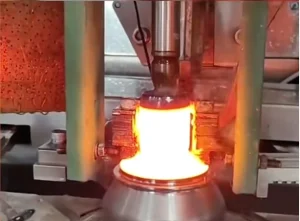
Heat treatments for CNC machined parts are integral to modern industry, enhancing the mechanical performance, durability, and operational efficiency of metal components. By modifying the internal structure of metals, these processes make CNC machined parts capable of meeting demanding requirements across automotive, aerospace, and general manufacturing sectors.
Automotive Applications
In the automotive sector, heat treatment is essential for improving strength, wear resistance, and fatigue life of critical components. Key parts such as gears, crankshafts, and suspension elements commonly undergo carburizing, induction hardening, and tempering to endure high loads and continuous friction.
The rise of lightweight and electric vehicles has further increased reliance on heat treatment. Aluminum and titanium alloys, for example, are thermally processed to boost their mechanical properties without adding extra mass. This supports manufacturers in achieving efficiency, fuel economy, and sustainability goals.
Integrating heat treatment into production lines also improves the long-term performance of automotive components. Precise control of temperature and cooling rates ensures consistent stress tolerance, resulting in parts that maintain reliability under rigorous operating conditions.
Aerospace Applications
In aerospace, heat-treated metals are critical for safety and performance. Components like turbine blades, landing gear, and engine parts are exposed to extreme thermal and mechanical stress. Processes such as tempering, normalizing, and aging refine microstructures, increasing toughness and fatigue resistance.
Standardized heat treatment protocols ensure uniform quality across production batches, which is essential for compliance with strict aerospace standards. By enhancing both strength and dimensional stability, heat treatment contributes directly to the manufacture of safer, more efficient aircraft and high-performance aerospace components.
Manufacturing Applications
Manufacturing industries benefit from heat treatment by improving the strength, ductility, and wear resistance of tools and machinery. For instance, heat-treated cutting tools demonstrate longer life spans, maintain sharper edges, and reduce machine downtime, leading to operational cost savings.
High-quality thermal processing ensures that machined components and industrial equipment meet exact specifications consistently. Industries such as heavy machinery, construction, and industrial fabrication rely on this consistency to maintain productivity and reduce failures in critical equipment.
Tip: Standardizing heat treatment procedures guarantees uniform mechanical properties, helping manufacturers meet customer expectations for quality and reliability.
Timing of Heat Treatment in CNC Machining
Heat treatment can be applied at different stages of CNC machining, depending on the desired properties and material requirements.
Before CNC Machining:
Pre-treating metal stock prior to machining ensures consistent material quality and eliminates variability in microstructure. This approach allows CNC service providers to machine components efficiently from pre-heated stock, reducing lead times while maintaining mechanical performance.
After CNC Machining:
Post-machining heat treatment is commonly used to harden surfaces or improve wear resistance, particularly for tool steels and high-strength alloys. Applying heat treatment after machining helps achieve the desired hardness and extends the service life of the part, even though it may reduce machinability for subsequent operations.
Industrial Scope and Requirements
Heat treatment is critical for a wide range of applications beyond machining:
- Construction and structural steel work
- Pressure vessels, pipelines, and storage tanksin refineries, petrochemical plants, and power stations
- Offshore and onshore fabricationin shipyards, oil rigs, and marine platforms
- Maintenance, repair, or shutdown operationsrequiring reinforcement or refurbishment of metallic components
By enhancing mechanical properties, heat-treated metal parts become more durable, reliable, and capable of performing under the most demanding industrial conditions.
What Factors Determine the Correct Heat Treatment Method for Your Parts?
Selecting the appropriate heat treatments for CNC machined parts requires a comprehensive understanding of multiple factors that influence metal performance. From material characteristics to production constraints, choosing the right approach ensures components meet mechanical and operational requirements efficiently.
Material Type and Composition
The first consideration is the material itself. Different metals respond differently to thermal processing:
- Steel: Benefits from quenching and tempering to improve hardness and toughness.
- Aluminum alloys: Require milder processes such as annealing to enhance ductility while maintaining strength.
- Titanium: Often needs precise temperature control to avoid unwanted phase transformations.
The alloy composition also plays a critical role. Metals with higher carbon or alloying content generally harden more effectively during quenching, while more ductile alloys may require gentler thermal cycles.
Workpiece geometry—including size, thickness, and complexity—affects heat penetration and soaking time. Larger or intricately shaped components demand uniform heating to prevent inconsistent mechanical properties.
Tip: Always define the workpiece specifications clearly before selecting a heat treatment process to ensure the method aligns with material behavior and application demands.
Cost Efficiency
Cost considerations are another decisive factor in selecting a heat treatment strategy. Expenses vary depending on the metal type, processing technique, equipment requirements, and post-treatment operations.
For example, die casting is highly efficient for producing larger components, while metal injection molding (MIM) is more suitable for complex geometries. Post-processing, including heat treatment and finishing, can also influence overall costs.
| Aspect | Metal Injection Molding (MIM) | Die Casting |
| Material Utilization | Varies with geometry | 90–95% |
| Material Cost | (Cost per gram × volume × density)/90% | (Cost per gram × volume × density)/90% |
| Mold Cost | Higher due to complexity | 2.5× for simple molds |
| Post-processing | Depends on finishing and treatment | Includes finishing and heat treatment |
| Production Efficiency | Complex parts | High-volume, larger parts |
| Dimensional Accuracy | Variable | Excellent |
Balancing upfront cost with long-term performance benefits—such as durability, reduced maintenance, and extended service life—is essential for industrial decision-making.
Desired Mechanical Properties
The mechanical characteristics required for a part dictate the selection of heat treatment processes. Typical priorities include:
- Hardness:Achieved through quenching or induction hardening.
- Toughness and fatigue resistance:Improved via tempering or normalizing.
- Ductility:Optimized through annealing or controlled softening processes.
- Wear resistance:Enhanced with surface treatments such as carburizing or surface hardening.
Manufacturers often conduct experimental validation for heat treatments for CNC machined parts, fine-tuning parameters such as temperature, soaking time, and cooling rate. Real-time monitoring and iterative adjustments ensure that the final product meets precise performance standards.
Note: Adjusting parameters based on feedback can optimize both efficiency and material performance.
Operational and Environmental Factors
Several external conditions also influence the choice of heat treatment method:
- Mechanical stressesexpected during service.
- Environmental exposure, such as corrosive, humid, or abrasive conditions.
- Dimensional and mechanical targets, including tolerances and load-bearing requirements.
Localized or specialized heating techniques—including resistance heating, induction heating, furnace heating, and gas firing—allow customization of heat treatment to match these conditions.
Strategic Importance
Choosing the correct heat treatment process is more than a technical decision; it is a strategic lever for reliability and competitiveness. Properly treated components exhibit:
- Higher durability and fatigue resistance
- Improved dimensional stability
- Enhanced operational efficiency
Expert consultation, such as that provided by Welleshaft, ensures tailored heat treatment aligned with industrial objectives. By analyzing part requirements, environmental factors, and desired properties, experts recommend the optimal hardening or softening method, balancing performance, safety, and cost-effectiveness.
Heat treatments for CNC machined parts transform ordinary metals into high-performance components capable of withstanding demanding industrial applications. By considering material type, cost efficiency, mechanical property requirements, and operational conditions, industries can select the most suitable heat treatment process, maximizing durability, stability, and efficiency.
Are There Size Limitations in Heat Treatment for Metal Parts?
Heat treatments for CNC machined parts can be applied to metals, structural components, piping, and vessels of virtually any size or thickness, in accordance with recognized international standards such as ASME Section I, ASME B31.3, ASME IX, and other relevant codes.
Whether the component is small and intricate or large and heavy-duty, proper heat treatments for CNC machined parts ensure uniform mechanical properties, enhanced hardness, and improved durability throughout the material. Compliance with approved codes guarantees that size or thickness does not compromise safety, performance, or consistency.
This flexibility makes heat treatment suitable for a wide range of applications, from precision CNC machined parts to industrial-scale pressure vessels and structural assemblies.
What Are the Key Specifications of Heat Treatment Processes?
| Parameter / Model | NTI-SJL-54W | NTI-SJL-98W |
| Working Dimensions | 300 × 300 × 600 mm | 350 × 350 × 800 mm |
| Heating Method | Induction heating | Induction heating |
| Furnace Configuration | Horizontal type | Horizontal type |
| Heat Treatment Zone Capacity | 54 L | 98 L |
| Maximum Operating Temperature | 2500 °C | 2500 °C |
| Power Supply | 380 V, 3-phase, 50/60 Hz | 380 V, 3-phase, 50/60 Hz |
| Working Atmosphere | Argon | Argon |
These specifications ensure precise temperature control, consistent heating, and a stable argon environment for high-quality heat treatment. The NTI-SJL series furnaces are designed to support efficient and reliable processing for CNC-machined parts, metals, and complex components, meeting strict industrial standards.
What Is a Hardness Test and Why Is It Important After Heat Treatment?
Hardness testing for heat treatments for CNC machined parts measures a material’s resistance to permanent deformation when subjected to penetration by a harder object. This evaluation provides insight into key mechanical properties, including strength, wear resistance, and ductility, allowing manufacturers and engineers to determine whether a material—or its applied treatment—is suitable for its intended application.
By performing a hardness test, you can verify the effectiveness of heat treatments, ensure component reliability, and optimize material selection for demanding industrial environments.
How Can CNC Orders Be Heat Treated with Welleshaft?
When placing a CNC machining order with Welleshaft, you can specify heat treatment requirements in several ways to ensure your parts meet the desired mechanical performance.
Referencing Established Standards
Many heat treatments follow recognized industry standards. For instance, the “T6” designation for aluminum alloys such as 6061-T6 or 7075-T6 indicates the material has undergone precipitation hardening. By referencing these standards in your order, you ensure that the heat treatment process is consistent, reliable, and clearly understood by our team.
Indicating Desired Hardness
Providing a target hardness is a common approach for guiding heat treatments for CNC machined parts, including tool steels and case-hardened components. For example, specifying that D2 tool steel should reach 56–58 HRC allows Welleshaft to apply the appropriate thermal process after CNC machining, resulting in parts that perform according to your requirements.
Specifying a Heat Treatment Cycle
If you already know the exact heat treatment cycle needed for your application, you can provide these details for heat treatments for CNC machined parts when placing your CNC order. This enables precise control over the material’s final properties, including hardness, toughness, and wear resistance. While providing this information requires specialized metallurgical knowledge, Welleshaft’s engineers are available to assist with cycle specifications, ensuring your components achieve optimal results.
By clearly communicating standards, hardness targets, or heat treatment cycles, you can leverage Welleshaft’s CNC capabilities to produce high-performance metal parts with tailored mechanical properties.
What Other Heat Treatment Services Can Welleshaft Provide?
Beyond standard heat treatment procedures, Welleshaft provides specialized heat treatment services in China to meet complex industrial requirements:
- Polymer Burnout / Clean-Out– A controlled heating process used to remove polymers or binders from molds and castings, ensuring a clean surface for subsequent machining or treatments.
- Refractory Curing / Drying– Carefully regulated heating of refractory materials to eliminate moisture and stabilize their structure, enhancing thermal performance and durability.
- Turbine Shaft Straightening– Precision heat application to correct distortions or misalignments in turbine shafts, restoring accurate geometry and mechanical integrity.
- Turbine Shaft Expansion for Bronze Sleeve Insertion– Localized heating expands the shaft to allow smooth installation of bronze sleeves, followed by controlled cooling to ensure a tight fit and retain material properties.
Assurance qualité
All processes adhere to internationally recognized quality standards and are supported by key certifications such as ISO 9001 and TS16949. This ensures consistent performance and reliability for every component treated.
Advanced Equipment
Our laboratory features a comprehensive array of advanced testing equipment, including:
- Spectrometers for chemical composition analysis
- Tensile testing machines for mechanical property evaluation
- Hardness testers to verify treatment effectiveness
- Charpy impact testing systems for toughness assessment
- X-ray and magnetic particle inspection (MPI) devices for structural integrity checks
These capabilities enable Welleshaft to deliver high-precision, heat-treated components in China that meet strict industrial requirements, enhancing both durability and operational performance.
Why Is Heat Treatment an Essential Lever for Strengthening Metal Parts?
Heat treatment is a controlled process in which a metal is heated to a precise temperature, held for a designated period, and then cooled systematically. This treatment alters the metal’s internal microstructure, enhancing its mechanical performance and reliability.
The main goal is straightforward: to boost hardness, strength, and structural stability. By fine-tuning the heating and cooling cycles, engineers can tailor the properties of each component to match its specific operational requirements.
Components that undergo heat treatment gain a uniform internal structure, improved wear and corrosion resistance, and extended service life. Thanks to these benefits, heat treatment has become a standard practice across industries where durability and precision are critical, including automotive, aerospace, and heavy machinery manufacturing.
FAQs
What is the primary purpose of heat treatment?
Heat treatment is used to enhance metal properties such as hardness, toughness, and ductility. It customizes metals for specific applications, ensuring components remain durable and reliable under demanding conditions.
Can all metals be heat-treated?
Not every metal responds effectively to heat treatment. Steel and steel alloys are the most responsive, while metals like pure aluminum require specialized processes such as annealing to achieve property improvements.
How do quenching and tempering differ?
Quenching involves rapid cooling to increase hardness, whereas tempering reheats the metal to reduce brittleness and improve ductility, balancing strength and flexibility for practical use.
What are the main types of heat treatment?
Common heat treatment methods include annealing, hardening, quenching, and stress relieving, each targeting specific improvements in mechanical or chemical properties.
Why is heat treatment important for CNC-machined parts?
Heat treatment modifies the microstructure of metals and alloys, boosting hardness, strength, ductility, and temperature resistance. It ensures CNC parts meet strict performance and reliability requirements.
What are the different annealing techniques?
There are several annealing types: complete, isothermal, incomplete, spherification, diffusion (uniform), stress relieving, and recrystallization annealing. These methods can improve machinability as well as electrical and magnetic properties of parts.
What are the advantages and disadvantages of heat treatment?
Advantages: Enhances mechanical and chemical properties, reduces internal stress, and minimizes distortion.
Disadvantages: Can increase costs, risk surface oxidation, or introduce contamination if not carefully controlled.
This blog was provided by the Welleshaft Engineering Team, led by Mr. Xu, who has extensive experience in CNC machining and heat treatment. Welleshaft specializes in delivering precision CNC machined parts with tailored heat treatment services, ensuring durability, performance, and quality for industrial applications in China.

 Français
  English
  Português do Brasil
  Deutsch (Österreich)
  Deutsch (Schweiz)
  English (UK)
  English (Australia)
  English (New Zealand)
  Deutsch
  Français du Canada
  Français de Belgique
  Italiano
  English (South Africa)
  Português
  Español
  Español de México
  Español de Perú
  Español de Colombia
  العربية
  日本語
日本語  Русский
  한국어
한국어  Tiếng Việt
  ไทย
ไทย