
What Is Aluminium Forging?
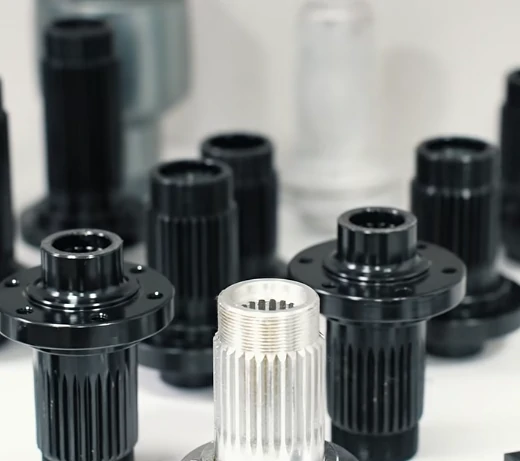
Aluminium forging is a metalworking process that shapes aluminum alloys by applying compressive forces to solid metal. Unlike casting, the metal is not melted; instead, it is plastically deformed, producing forged aluminum parts with superior strength, durability, and lightweight characteristics. These properties make aluminum forging ideal for components that require high performance under demanding conditions.
The advantages of forged aluminum include its low density, excellent strength-to-weight ratio, corrosion resistance, and ability to withstand elevated temperatures. These qualities make aluminum material suitable for a wide range of industries, including automotive, aerospace, and industrial applications.
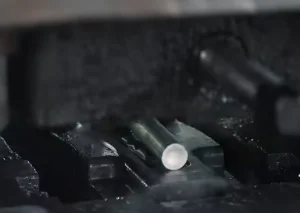
During aluminum forging, a heated aluminum billet is pressed, pounded, or squeezed under high pressure. This process refines the internal grain structure of the metal, enhancing mechanical strength, toughness, and long-term reliability. The selection of aluminum alloy is critical, as each alloy offers specific combinations of strength, ductility, and corrosion resistance, tailored to the performance needs of the final product.
Aluminium forging preserves continuous grain flow, which is the key reason why forged aluminum parts outperform cast components in strength-critical applications. The aligned internal structure ensures superior fatigue resistance and mechanical performance.
The forging process can be performed using various methods, including open-die forging, closed-die forging, and extrusion, depending on the complexity and functional requirements of the component. Temperatures typically range from just below to slightly above the material’s recrystallization point, and in some cases, room-temperature forging is also possible.
In summary, aluminium forging produces robust, durable, and high-performance aluminum components by reshaping solid metal through pressure and heat rather than melting. This process is widely used whenever lightweight materials with exceptional mechanical properties are required.
What Are the Types of Aluminum Forging Processes?
Aluminum forging can be carried out using different processes depending on part geometry, production volume, and performance requirements. Each forging method affects strength, precision, surface quality, and cost. The main types of aluminum forging processes include:
Open-Die Forging
Open-die forging shapes aluminum by compressing billets or ingots between flat or contoured dies that do not fully enclose the metal. This method is ideal for producing large, simple components, such as discs, rings, shafts, and cylinders. The repeated deformation refines the internal grain structure, improving strength, fatigue resistance, and overall toughness of the forged aluminum parts. Open-die forging also allows flexibility in creating customized shapes and is suitable for prototyping, short production runs, and one-off specialty components.
Closed-Die Forging
Also known as impression-die forging, this process uses dies with shaped cavities to fully enclose and mold the aluminum billet. It produces components with intricate geometries, tight tolerances, and superior mechanical properties. Closed-die forging aligns the internal grain flow with anticipated loads, enhancing fatigue resistance and structural integrity. This method is commonly applied to high-volume production of automotive, aerospace, and industrial parts such as connecting rods, gears, suspension components, and brackets.
Forge de précision
Precision forging is an advanced form of closed-die forging designed to achieve near-net shapes with minimal secondary machining. This technique allows extremely tight tolerances and fine surface finishes, making it ideal for high-performance applications where weight, accuracy, and forged aluminum part reliability are critical. Typical components include aerospace fasteners, automotive transmission parts, and precision mechanical linkages.
Hot Forging
In hot forging, aluminum alloys are heated to their recrystallization temperature (usually 350–500°C) before being shaped. The elevated temperature increases ductility, reduces forming resistance, and enhances the metal’s strength-to-weight ratio. Hot forging is widely used for complex industrial and aerospace components requiring high structural integrity, fatigue resistance, and precise dimensional control.
Cold Forging
Cold forging shapes aluminum at or near room temperature, taking advantage of the metal’s plasticity. This process produces highly accurate components with excellent surface finish and minimal material waste. Cold forging is energy-efficient, suitable for high-volume production, and often used for automotive, electronics, and consumer products requiring precision forged aluminum parts.
Rolled Ring Forging
Rolled ring forging creates seamless rings from billets or cylinders. The process involves upsetting the billet, piercing a hole to form a blank, and rolling it over a mandrel to achieve the desired diameter, wall thickness, and mechanical properties. Rolled ring forgings maintain continuous grain flow, offering superior strength, impact resistance, and fatigue performance. Typical applications include aerospace turbine rings, automotive components, wind energy systems, and heavy machinery.
Forgeage à chaud
Drop forging is a high-speed process where the aluminum workpiece is repeatedly struck between die halves using a power-driven hammer. This method produces strong, consistent, and precise components with aligned grain structures. Drop forging is ideal for high-volume production of tools, automotive chassis parts, and precision hardware.
How Does the Aluminium Forging Process Work?
The aluminium forging process is a carefully managed sequence that transforms raw aluminum billets into high-performance components with optimized mechanical strength, dimensional accuracy, and enhanced fatigue resistance. The process is chosen based on part complexity, production volume, and the required mechanical properties of the final component.
Design and Material Selection
The first step in aluminum forging involves determining the part’s geometry, functionality, and the suitable aluminum alloy. Material selection is critical, as it directly affects strength, corrosion resistance, and formability. Engineers consider application requirements, including load conditions and environmental exposure, to select the most appropriate alloy.
Billet Heating
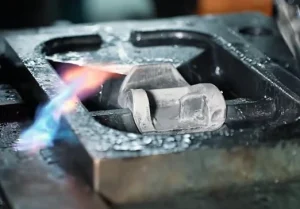
The chosen aluminum billet is heated to a precise temperature range—typically 350–500°C, depending on the alloy—to improve malleability. Correct heating ensures uniform plastic deformation during forging and minimizes the risk of cracking. Controlled heating also preserves the alloy’s mechanical properties and prepares the billet for efficient shaping.
Shaping and Forging
Once heated, the billet is shaped using forging dies under high pressure, employing mechanical or hydraulic presses. This step aligns the internal grain structure with the component’s geometry, which:
- Increases tensile strength
- Enhances fatigue resistance
- Improves impact durability
Different forging techniques, including hot forging, closed-die forging, and precision forging, are chosen according to part size, complexity, and production requirements.
Trimming and Flash Removal
Excess material, known as flash, is removed to refine the component’s geometry. Trimming ensures consistency across multiple parts, reduces weight, and prepares the part for secondary operations such as machining and heat treatment.
Traitement thermique
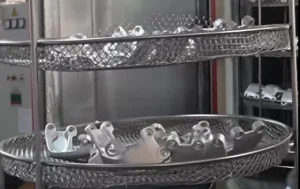
After shaping, components often undergo heat treatment to enhance hardness, dimensional stability, and mechanical performance. Specific temperature cycles and durations are applied depending on the aluminum alloy, ensuring the part meets rigorous industrial standards.
CNC Machining and Finishing
Forged aluminum parts are typically finished using CNC machining to achieve precise tolerances and an optimal surface finish. Because the forging process already produces near-net-shape components, less material removal is required compared to casting or fully machined parts, improving material efficiency.
Process Benefits
Each step in the aluminium forging process contributes to the final component’s strength, durability, and reliability, making forged aluminum ideal for:
- Automotive and aerospace applicationswhere weight reduction and high strength are critical
- Industrial machineryrequiring fatigue-resistant components
- Construction and structural applicationsneeding corrosion-resistant, durable parts
- Electrical, marine, and energy sectorswhere performance under stress is essential
What Types of Aluminum Are Commonly Used for Aluminum Forging?
Selecting the right aluminum alloy is essential in aluminum forging to achieve the optimal balance of strength, weight, corrosion resistance, and cost-efficiency. Aluminum’s combination of lightweight properties, high tensile strength, and resistance to environmental deterioration makes it a preferred material in industries such as automotive, aerospace, transportation, and structural engineering. However, not all aluminum grades are suitable for forging, which relies on heat and compressive forces to refine mechanical properties and grain structure integrity.
The most widely used alloys in aluminum forging applications belong to the 6000 series (6061, 6063, 6082) and 7000 series (7075), each offering distinct physical, chemical, and mechanical properties tailored for specific components. Choosing the right alloy is critical for engineers, manufacturers, and procurement professionals aiming to source high-performance forged aluminum parts.
Key Criteria for Selecting Aluminum Alloys for Forging
- Cost– While material cost is important, project requirements for structural integrity or environmental durability may justify higher-grade alloys. Suppliers often provide guidance to identify the most cost-effective solution.
- Strength– Essential for parts exposed to high mechanical stress, dynamic loads, or harsh environments. Alloys should match the tensile strength, fatigue resistance, and impact toughness
- Corrosion Resistance– All aluminum alloys form a protective oxide layer, but elements like copper can reduce resistance. Assess long-term environmental exposure (atmospheric, marine, chemical) for product longevity.
- Weldability– Magnesium, silicon, and other alloying elements affect welding compatibility. Early consideration ensures smooth integration with downstream fabrication.
- Machinability– Tolerance, surface finish, and complexity influence alloy choice. Many alloys are optimized for CNC machining after forging.
- Thermal Properties– Aluminum’s high thermal conductivity suits heat exchangers, radiators, and temperature-sensitive components. Alloy selection affects thermal expansion and heat treatment response.
Common Aluminum Alloys for Forging
- 6061 Aluminum Alloy
Part of the 6000 series, 6061 contains magnesium and siliconand offers high strength, excellent corrosion resistance, and workability. It is widely used in industrial forgings, aerospace components, marine fittings, automotive frames, and structural parts, supporting multiple tempers such as 6061-O, 6061-T4, and 6061-T6. - 6063 Aluminum Alloy
A medium-strength 6000 series alloy, 6063 is highly formable and ideal for architectural forgings, including window frames, door frames, and decorative hardware. Its low copper content enhances corrosion resistance, while excellent weldabilityand anodizing compatibility make it suitable for outdoor structures and transportation systems. - 6082 Aluminum Alloy
Known for high structural strength, 6082 features elevated manganese content that improves grain structure, making it ideal for load-bearing industrial components, construction, bridges, cranes, and transport vehicles. It balances weldability, corrosion resistance, and thermal performance. - 7075 Aluminum Alloy
A high-performance alloy with zinc, copper, and magnesium, 7075 offers the highest strength-to-weight ratioamong commonly forged aluminum alloys. Its superior mechanical properties, stress corrosion resistance, and fatigue performance make it ideal for aerospace, defense, performance automotive parts, and high-stress sports equipment.
Specialty and Aerospace Alloys
Additional grades like 2014, 2017, and 2618 are selected for specific performance criteria, including high-temperature strength, abrasion resistance, and precision tolerances. The forging process enhances grain structure, improves fatigue resistance, and ensures reliability in critical applications such as automotive suspension components, aerospace fittings, hydraulic manifolds, and heavy machinery parts.
Which Aluminium Alloys Are Used in Forging?
The performance and reliability of forged aluminum parts largely depend on the aluminium alloy chosen. Different alloys provide distinct combinations of strength, corrosion resistance, fatigue behavior, and machinability, making material selection critical for both mechanical performance and production efficiency.
Common Aluminum Alloys in Forging
Several alloys are widely utilized in aluminum forging due to their balanced properties and adaptability to different applications:
- 6061 Aluminum Alloy
A versatile alloy with good mechanical strength, weldability, and corrosion resistance. It is commonly used in aerospace fittings, automotive structures, and hydraulic componentswhere reliable overall performance is essential. - 6063 Aluminum Alloy
Known for excellent surface finishand formability. While slightly lower in strength than 6061, it is ideal for architectural components and precision forged shapes where appearance and corrosion resistance are priorities. - 6082 Aluminum Alloy
A high-strength alloy with strong corrosion resistance. It is frequently applied in load-bearing forged componentsfor transportation and heavy machinery, offering a solid balance of durability and formability. - 7075 Aluminum Alloy
A premium alloy with an outstanding strength-to-weight ratio. 7075is preferred for aerospace and other high-performance structural applications that demand maximum durability and mechanical integrity. - 2024 Aluminum Alloy
Characterized by excellent fatigue resistanceand good machinability, 2024 is commonly selected for aerospace structural components and precision industrial assemblies that require consistent performance under cyclic loading.
Material Selection Considerations
Each aluminium alloy responds differently to the forging process. Factors such as operating temperature, desired mechanical properties, production volume, and component geometry must be considered to ensure the forged aluminum part meets its functional requirements. Proper alloy selection enhances strength, reliability, and long-term performance of the final product while maintaining manufacturing efficiency.
What Are the Key Features of Aluminum Forgings?
The exceptional strength-to-weight ratio of aluminum forgings makes them ideal for applications where lightweight performance is critical, such as in the aerospace and automotive industries. Their inherent corrosion resistance allows use in outdoor and marine environments, ensuring long-term durability. Compared to steel, forged aluminum components are significantly lighter, offering advantages in weight-sensitive applications. Additionally, their robust mechanical strength and durability make them well-suited for a variety of structural and load-bearing applications.
What Defines Forged Aluminum’s Superior Mechanical Properties?
The remarkable mechanical properties of forged aluminum arise not only from its alloy composition but also from the forging process itself. This process delivers components with exceptional strength, durability, and fatigue resistance.
The Forging Transformation
During aluminum forging, intense pressure reshapes the grain structure, producing a denser, more uniform material. This process also eliminates small internal defects that are common in casting or machining, enhancing overall tensile strength and impact toughness.
Key Property Improvements
| Feature | Forged Aluminum | Cast Aluminum |
| Tensile Strength | Très haut | Modéré |
| Fatigue Life | Excellent | Fair to Poor |
| Impact Toughness | Supérieur | Good |
Continuous Grain Flow: The Source of Strength
Unlike cast or machined parts, where grains are random or interrupted, forging directs the grain flow along the component’s contours. This continuous internal structure minimizes stress points, increasing fatigue resistance and overall durability.
Eliminating Hidden Weaknesses
Casting can trap gas pockets, resulting in porosity and potential failure points under stress or impact. Forging applies sufficient pressure to close these voids, creating a denser, non-porous material with superior impact toughness.
In summary, forged aluminum achieves its superior mechanical properties through grain refinement, continuous grain flow, and the elimination of internal porosity, making it the preferred choice for high-performance, load-bearing, and demanding applications.
How Does Forging Enhance Material Properties?
Forging greatly strengthens aluminum components by improving their mechanical properties, increasing strength, and reducing sectional thickness and overall weight, which enhances component functionality.
The process also boosts durability, as forged aluminum gains superior fatigue resistance, toughness, and strength through microstructure re-crystallization. Techniques such as controlled heating, post-forging heat treatment, and the application of high pressure to the aluminum billet result in improved ductility, toughness, and mechanical performance, making forged parts ideal for demanding industrial applications.
How Does Strength Meet Lightness in Forged Aluminum?
A defining feature of forged aluminum is its exceptional combination of strength and lightweight performance. This is achieved through high-strength aluminum alloys containing elements such as magnesium, manganese, silicon, and copper, which enhance its mechanical properties.
This unique material composition significantly influences fuel efficiency and operational performance in the automotive and aerospace industries, allowing components to remain lightweight without compromising safety or durability. Consequently, forged aluminum is essential for improving energy efficiency and reducing emissions in modern high-performance applications.
What Are the Applications of Aluminum Forging?
Because forged aluminum parts combine lightweight properties, high mechanical strength, fatigue resistance, and corrosion stability, aluminum forging is widely used in industries that require reliable long-term performance under demanding operating conditions.
Automotive Industry
In the automotive industry, aluminum forging is commonly used to manufacture lightweight structural and drivetrain components that improve vehicle efficiency and handling. Typical applications include:
- Suspension componentssuch as control arms, steering knuckles, and spindles
- Engine partsincluding connecting rods, pistons, crankshafts, and cylinder heads
- Transmission componentssuch as gear shafts and housings
- Forged aluminum wheelsdesigned for reduced weight and improved durability
The use of forged aluminum parts helps reduce vehicle mass while maintaining the strength required for high-stress applications, contributing to improved fuel economy and performance.
Aerospace Industry
The aerospace industry relies heavily on forged aluminum components because of their exceptional strength-to-weight ratio and fatigue resistance. Aluminum forgings are widely used in:
- Aircraft structural fittings
- Landing gear systems
- Frame joints and support brackets
- Engine and turbine components
- Aerospace fasteners and connectors
These components must withstand high loads, vibration, and extreme operating environments while remaining lightweight for maximum fuel efficiency and payload capacity.
Construction Industry
In the construction industry, forged aluminum is used for structural and load-bearing applications where durability and corrosion resistance are essential. Common applications include:
- Structural beams and supports
- Heavy-duty brackets and connectors
- Architectural components
- Reinforcement systems
Forged aluminum provides high dimensional stability, impact resistance, and long-term durability while remaining lighter than steel alternatives.
Industrial Machinery and Hydraulic Systems
Industrial equipment frequently utilizes forged aluminum parts for components exposed to repetitive loads and harsh operating conditions. Typical applications include:
- Hydraulic cylinder housings and end caps
- Pump and compressor components
- Precision mechanical linkages
- Structural machine frames and articulated arms
The forging process improves internal grain structure, allowing these components to achieve superior wear resistance and reliability.
Electrical and Electronics Industry
Due to its high thermal and electrical conductivity, forged aluminum is widely used in electrical and electronic applications, including:
- Heat sinks
- Electrical connectors
- Power transmission housings
- Electronic structural supports
The combination of lightweight construction and efficient heat dissipation makes aluminum ideal for thermal management systems.
Marine Industry
The marine industry benefits from the natural corrosion resistance of aluminum in saltwater environments. Forged aluminum applications include:
- Marine engine components
- Boat propellers
- Deck hardware and fittings
- Structural supports and brackets
These components maintain strength and durability while reducing vessel weight and improving fuel efficiency.
Renewable Energy Industry
Aluminum forging is increasingly used in renewable energy systems where lightweight yet durable components are required. Applications include:
- Wind turbine hubs and mounting systems
- Solar panel support structures
- Hydroelectric equipment components
- High-strength connection nodes
The combination of corrosion resistance, recyclability, and mechanical strength makes forged aluminum suitable for outdoor and long-term energy infrastructure.
Sports and Recreation Equipment
The lightweight and durable nature of forged aluminum parts makes them ideal for high-performance sporting equipment, such as:
- Bicycle frames and cranksets
- Golf club heads
- Tennis racket frames
- Ski and snowboard components
These products benefit from reduced weight, improved stiffness, and enhanced impact resistance.
Common Applications of Forged Aluminum Parts
| Industry | Typical Forged Components | Main Benefits |
| Automobile | Suspension arms, wheels, engine parts | Lightweight, high strength |
| Aerospace | Landing gear, brackets, structural fittings | Excellent strength-to-weight ratio |
| Construction | Beams, supports, connectors | Corrosion resistance, durability |
| Industrial Machinery | Hydraulic housings, shafts, linkages | Fatigue resistance, reliability |
| Electrical & Electronics | Heat sinks, connectors | Thermal and electrical conductivity |
| Marine | Propellers, engine components | Corrosion resistance in seawater |
| Renewable Energy | Wind turbine hubs, mounting systems | Durability and reduced weight |
| Sports Equipment | Bicycle frames, golf clubs | Lightweight and impact resistance |
In summary, applications of aluminum forging continue to expand across industries where reducing weight, improving structural integrity, and increasing long-term durability are essential. The combination of high strength, corrosion resistance, and excellent strength-to-weight ratio makes forged aluminum components a preferred solution for demanding engineering applications.
How Do Automotive Forging Requirements Differ from Aerospace?
The key distinction between automotive forging and aerospace forging lies in priorities. The automotive industry emphasizes cost-efficiency and high-volume production, while aerospace focuses on peak performance, absolute reliability, and material integrity, regardless of cost. This fundamental difference shapes every aspect of forged aluminum components design and manufacturing.
Core Philosophy Differences
Automotive forging is driven by the need for economical, reliable mass production. The goal is to produce millions of structural and functional parts that balance performance with cost.
Aerospace forging, on the other hand, prioritizes safety and performance above all. Parts must withstand extreme conditions, from high altitude to mechanical stress, where failure is not an option. This requires meticulous engineering, tight tolerances, and strict quality control.
| Feature | Automotive Forging | Aerospace Forging |
| Primary Driver | Cost-Effectiveness | Performance & Safety |
| Production Volume | High to Very High | Low to Medium |
| Material Focus | Good Strength, Malleability | Maximum Strength-to-Weight |
| Inspection Level | Statistical Sampling | 100% Inspection, NDT |
This contrast creates practical differences in engineering decisions, alloy selection, and inspection standards. For example, a suspension component follows different requirements than a landing gear part.
Alloy Selection: Balancing Cost vs. Performance
The choice of aluminum alloy highlights the divergence clearly. Automotive applications frequently use the 6xxx series forged aluminum, which offers good formability, corrosion resistance, and adequate strength. Its cost-effectiveness makes it ideal for mass production.
In aerospace, the 7xxx series aluminum alloys dominate. These alloys deliver the highest strength-to-weight ratio and superior fatigue resistance after heat treatment. This performance comes with higher material and processing costs, justified by the critical nature of aerospace components.
| Alloy Series | Typical Industry | Avantages clés | Considerations |
| 6xxx Aluminum | Automobile | Excellent formability, good strength, cost-effective | Lower ultimate strength than 7xxx |
| 7xxx Aluminum | Aerospace | Highest strength-to-weight ratio, superior fatigue resistance | Higher cost, more complex processing |
Tolerances and Traceability
Aerospace forging demands extremely tight tolerances, ensuring every part fits perfectly and performs under extreme mechanical stress. Additionally, full traceability is mandatory, documenting every stage from raw material billet to final inspection report.
Automotive forging also maintains quality standards but allows more flexibility in tolerances and documentation, as the end-use applications generally involve lower risk.
In summary, automotive forging prioritizes cost and efficiency for high-volume production, while aerospace forging emphasizes absolute material integrity, precise tolerances, and complete traceability. Each sector’s forged aluminum components are engineered according to these distinct priorities, guiding every decision from alloy selection to final inspection.
What Forging Features Are Critical for Aerospace Components?
In the aerospace industry, every forged component must combine exceptional strength, lightweight design, and reliability. Even minor weaknesses can compromise performance and safety, making the selection of proper forging techniques and material handling essential.
Essential Features for Aerospace Forged Parts
For high-strength forged aluminum and other aerospace materials, four features are non-negotiable for critical components:
| Critical Feature | Importance in Aerospace |
| Superior Fatigue Life | Resists repeated stress cycles to prevent premature failure |
| Fracture Toughness | Stops small cracks from propagating under load |
| Strength-to-Weight Ratio | Maximizes performance and fuel efficiency |
| Absolute Reliability | Ensures consistent performance under extreme conditions |
These features ensure forged aerospace components can meet the stringent demands of flight-critical applications.
How Forging Enhances Aerospace Performance
Forging achieves these properties by precisely controlling the metal’s internal structure. The process manipulates the grain flow and material density at a microscopic level, producing parts capable of handling extreme stress.
Grain Flow Alignment
Unlike casting or machining, forging directs the internal grain structure along the contours of the part. Similar to the grain in wood, the metal is strongest along the grain. This alignment concentrates strength where it is most needed, dramatically improving fatigue resistance and impact toughness.
Elimination of Internal Defects
Casting often leaves tiny voids or porosity, which become weak points under high stress. The immense pressure applied during forging eliminates these defects, creating a dense, uniform material. Combined with rigorous non-destructive testing, this ensures every forged aerospace component is defect-free and fully reliable.
| Property | Forging’s Impact |
| Grain Structure | Refined and aligned for directional strength |
| Material Density | Consolidated, removing voids and porosity |
| Part Integrity | Enhanced toughness and fatigue resistance |
By directly controlling the metal’s internal structure, forging delivers the unmatched strength, lightweight performance, and absolute reliability required in aerospace. This makes it the preferred method for critical components that must perform flawlessly under extreme conditions.
How Does Aluminum Forging Compare with Other Forging Materials?
Steel vs. Aluminum Forging
When comparing aluminum forging with steel, aluminum stands out for its lighter weight and better resistance to corrosion, making it ideal for applications where weight reduction is crucial. However, steel maintains an advantage in strength, making it more suitable for heavy-load or structural components.
Titanium vs. Aluminum Forging
Titanium forging delivers a superior strength-to-weight ratio compared to aluminum, offering exceptional performance in high-stress or aerospace-related applications. The trade-off is cost, as titanium is considerably more expensive than aluminum, which can impact large-scale production budgets.
How Does Aluminium Forging Compare with Casting, Machining, and Other Methods?
When selecting a production method for high-strength aluminum parts, engineers often compare forging, casting, and CNC machining. Aluminum forging excels by aligning the grain structure, enhancing strength along specific directions. In contrast, casting produces components with uniform properties in all directions but may have more internal defects.
| Feature | Aluminium Forging | Casting | CNC Machining |
| Strength | Haut | Modéré | Modéré |
| Grain Structure | Continu | Random | Cut structure |
| Fatigue Resistance | Excellent | Lower | Moyen |
| Material Efficiency | Haut | Moyen | Low |
| Directionality | Imparts directionality due to mechanical working | Uniform properties in all directions | Depends on machining path |
| Ductility | High in longitudinal, lower in transverse | Uniformly higher | Modéré |
| Suitability | Ideal for aligned stresses and simple configurations | Best for complex shapes and multi-axial stresses | Good for precision shapes |
| Production Cost & Time | Lower labor cost; near-net-shape reduces machining | Requires melting, more energy | Often slower, more material waste |
Forged aluminum parts also offer advantages in production efficiency and cost, as near-net-shape forming reduces labor and energy use compared to casting. Forging contributes to sustainability by enabling the use of recycled aluminum and generating less waste.
When comparing aluminum forging vs casting and CNC machining, the choice affects not only the manufacturing method but also the internal material structure, mechanical performance, and long-term durability. Each method shapes aluminum differently, impacting strength, fatigue resistance, and structural reliability, which is why forged aluminum components are often preferred in load-bearing applications.
What Are the Aluminum Forging Capabilities?
The creation of high-quality aluminum components that are built to last is achieved through aluminum forging. This process begins by heating aluminum billets to precise temperatures before shaping them under intense pressure into the desired forms. Unlike other manufacturing methods, aluminum forging produces a single, solid piece with superior mechanical properties, including higher strength, reduced weight, and increased durability.
A major advantage of custom aluminum forging is its ability to produce intricate designs that other methods cannot easily achieve. This makes it particularly valuable for industries such as automotive, aerospace, defense, and power generation. Additionally, aluminum forging can be tailored to meet the specific needs of a project, ensuring optimal performance and fit for the intended application.
Forging aluminum also provides a cost-effective solution for large-scale production. The process minimizes material waste and reduces the need for extensive machining, resulting in notable time and cost savings.
Moreover, the resulting components exhibit exceptional toughness and longevity, making them ideal for demanding applications such as engine parts and structural elements. The versatility and efficiency of custom aluminum forging have made it an increasingly popular method across diverse industries.
Ultimately, aluminum forging allows the production of lightweight yet robust parts with intricate shapes and enhanced mechanical properties, making it the preferred choice for applications requiring both strength and precision.
How Does Forged Aluminum Compare with Other Metals?
Forged aluminum is widely chosen for numerous industrial applications due to its unique combination of properties, including low weight, excellent corrosion resistance, high conductivity, and recyclability. While other metals such as steel and titanium also offer advantages, forged aluminum stands out for applications where a lightweight solution is critical.
In industries like aerospace and automotive, forged aluminum is preferred for compact, easily transportable parts because it is significantly lighter than steel and titanium. Its strong corrosion resistance also makes it suitable for use in chemical and marine environments. Additionally, aluminum’s high thermal and electrical conductivity allows it to perform effectively in electrical wiring, heat exchangers, and ventilation systems.
Conversely, steel and titanium are renowned for their superior strength and wear resistance. They are often selected for applications demanding high tensile strength, such as construction and defense. However, their greater weight and lower corrosion resistance can limit their applicability in situations where lightweight and durable materials are required.
Forged aluminum is also a cost-efficient option for large-scale production, as it reduces material waste and machining time. Its recyclability further contributes to sustainable manufacturing practices. Choosing between forged aluminum and other metals depends on specific requirements for weight, strength, conductivity, and cost. While steel and titanium excel in applications that prioritize strength and wear resistance, forged aluminum offers a lightweight, corrosion-resistant, and versatile alternative suitable for a wide range of uses.
Key advantages of forged aluminum include:
- Exceptional strength-to-weight ratio, providing mechanical performance comparable to many steel grades at a fraction of the weight.
- Capability for hot or cold working to enhance static and fatigue strength beyond typical levels.
- Natural corrosion resistance, unmatched by steel and many other alloys, making it ideal for precision components in high-performance applications.
What Are the Benefits of Aluminum Forging?
Aluminum forging provides numerous advantages over other manufacturing methods, such as casting or machining, making it the preferred choice for high-performance components across automotive, aerospace, and industrial applications. Key benefits include:
Superior Strength and Durability
Forged aluminum parts exhibit enhanced mechanical strength, toughness, and fatigue resistance. The forging process aligns the metal’s grain structure with the part’s shape, resulting in components that withstand repeated stress, high-impact loads, and harsh environments more effectively than cast or machined parts.
Lightweight and High Strength-to-Weight Ratio
Aluminum’s low density allows for significant weight reduction without compromising structural integrity. Combined with the improved strength from forging, this results in an excellent strength-to-weight ratio, ideal for aerospace, automotive, and other applications where minimizing weight is critical.
Résistance à la corrosion
Forged aluminum forms a protective oxide layer naturally, offering strong resistance to corrosion, moisture, and chemical exposure. This makes it suitable for marine, chemical, and outdoor applications.
Dimensional Accuracy and Surface Quality
The forging process produces consistent internal structures with fewer voids, resulting in superior dimensional integrity, tighter tolerances, and smoother surfaces. Precision forged aluminum parts often require minimal post-processing, reducing manufacturing time and cost.
Versatility and Design Flexibility
Aluminum forging allows the creation of complex shapes, intricate geometries, and near-net shapes that are difficult to achieve with casting or machining. Engineers can design dies to optimize grain flow and mechanical properties, enabling customized solutions for specialized applications.
Material Efficiency and Cost-Effectiveness
Forging minimizes material waste by maximizing billet utilization and reducing the need for extensive machining. This makes aluminum forging economical for both medium and high-volume production runs. Recycled aluminum can also be reused without losing quality, supporting sustainable manufacturing practices.
Enhanced Mechanical Properties
The process improves the tensile strength, yield strength, toughness, and fatigue resistance of aluminum alloys. Hot or cold forging can be selected depending on the component’s requirements, further optimizing performance for specific applications.
High-Volume Production Capability
Aluminum forging is suitable for producing thousands of components efficiently, maintaining consistent quality, tight tolerances, and minimal waste. This reliability makes it ideal for large-scale industrial, automotive, and aerospace manufacturing.
Energy Efficiency and Sustainability
Forged aluminum components often require less raw material to achieve desired strength, reducing energy consumption. The ability to reuse scrap and recycle aluminum further contributes to environmentally responsible production.
How Is Quality Controlled in Aluminum Forging?
Ensuring quality control in aluminum forging is essential for producing reliable, high-performance components. Consistent adherence to industry standards and thorough testing ensures mechanical integrity, dimensional accuracy, and surface quality of forged aluminum parts.
Compliance with Industry Standards
Forged aluminum components must conform to recognized standards, such as ASTM and SAE, which define material requirements, mechanical properties, and permissible tolerances. Compliance guarantees that aluminum forgings perform reliably under operational stresses and meet safety requirements.
Process Control During Forging
Strict control over each stage of the forging process is critical. This includes monitoring:
- Billet heating temperatures
- Pressureand force application during shaping
- Cooling rates and handling
Such process control minimizes internal defects, ensures uniform grain flow, and preserves the mechanical properties of the final components.
Material and Mechanical Testing
Material testing is a key part of quality control in aluminum forging. Common methods include:
- Ultrasonic testing (UT)to detect internal voids or inclusions
- Penetrant testing (PT)for identifying surface cracks or imperfections
- Tensile and hardness testingto verify strength and durability
These evaluations confirm that the forged component meets design specifications and functional requirements.
Dimensional and Surface Quality Inspections
Dimensional inspection ensures that critical measurements, features, and tolerances are achieved, supporting proper assembly and function. Surface quality assessments often involve:
- Anodizing, chromating, or passivationtreatments
- Grindingor finishing operations to meet aesthetic and functional standards
Maintaining precise dimensions and a smooth surface reduces post-processing needs and ensures components are ready for demanding applications.
Heat Treatment Validation
Forged aluminum often undergoes heat treatment to enhance hardness, strength, and corrosion resistance. Validating these treatments ensures consistent mechanical performance across all production batches.
Final Non-Destructive Evaluation
Before shipment, non-destructive testing (NDT) is performed to confirm the absence of hidden defects, verifying that components meet structural integrity and performance standards.
By combining strict process control, comprehensive material testing, and precise dimensional and surface inspections, quality control in aluminum forging ensures durable, reliable, and high-performing components suitable for aerospace, automotive, industrial machinery, construction, and other critical applications.
What Are the Challenges in Aluminum Forging?
Despite its numerous advantages, aluminum forging presents several challenges that manufacturers must address to ensure consistent quality and cost-effectiveness. Understanding these hurdles is essential for optimizing production and maintaining high-performance standards.
Material Handling Challenges
Aluminum’s high thermal conductivity and low melting point make it sensitive during the forging process. Improper handling can lead to warping, cracking, or uneven grain flow, affecting mechanical properties and structural integrity. Careful temperature control and precise process management are necessary to mitigate these issues.
High Cost of Equipment and Tooling
The forging presses, dies, and tooling required for aluminum forging are capital-intensive. High upfront investment can limit adoption, especially for small or medium-scale manufacturers. Additionally, wear and tear on dies necessitate frequent maintenance or replacement, increasing operational costs.
Technological and Process Barriers
Modern aluminum forging techniques rely on advanced machinery, precision CNC equipment, and computer-aided design (CAD) simulations. Staying competitive demands ongoing research and development and investment in new forging technologies. Manufacturers must continuously upgrade skills, equipment, and processes to maintain high product quality and production efficiency.
Consistency and Defect Prevention
Achieving uniform grain structure and avoiding defects such as voids, porosity, or surface cracks is challenging. Variations in temperature, pressure, or billet quality can compromise strength, fatigue resistance, and overall performance of the forged aluminum parts.
Production Scale Limitations
While aluminum forging is highly effective for medium to large production runs, small-batch production may not be cost-efficient due to setup costs, die fabrication, and process optimization requirements. Balancing production volume with quality and cost remains a key challenge.
How Do You Estimate the Cost of a Forged Aluminum Part?
Determining the cost of a forged aluminum part involves more than just considering its final weight. A precise estimate requires evaluating every stage of production, from raw material input to secondary operations.
Key Cost Components
The total cost of a forged aluminum component can be divided into four main categories:
Raw Material Input
The aluminum billet used at the start of forging is always heavier than the finished part. The difference, including scrap and flash, contributes to the overall material cost.
| Cost Factor | Description |
| Input Weight | Weight of the raw aluminum billet |
| Finished Weight | Weight of the completed forged part |
| Scrap/Flash | Material removed during forging and trimming |
Accounting for input weight, scrap, and flash is fundamental to estimating material expenses accurately.
Tooling and Operational Costs
The raw material is just the beginning. Tooling and operational processes are significant contributors to the total cost.
Tooling Investment
Forging dies represent a major upfront expense. This cost is typically amortized across the total production run. Higher production volumes reduce the per-part tooling cost, making budgeting more efficient.
Operational Expenses
These include the energy, press time, and skilled labor needed for forging. Often calculated on an hourly basis, they represent the direct manufacturing costs of producing high-quality forged aluminum components.
Secondary Operations
After forging, additional processes are often necessary to meet specifications and ensure the part’s mechanical integrity. These steps are crucial for high-performance forged aluminum parts:
| Operation | Objet |
| Trimming | Removes excess flash from the part |
| Traitement thermique | Enhances strength and hardness |
| Non-Destructive Testing (NDT) | Checks for internal defects |
| Finishing | Surface treatments such as anodizing |
These secondary operations ensure that internal grain flow and other critical properties are maintained, contributing to both performance and cost.
How Could You Modify a Process for a Thin-Walled Forging?
Producing thin-walled forgings introduces specific challenges, primarily due to rapid heat loss and high friction. These factors can hinder material flow, compromise die filling, and affect the mechanical integrity of forged aluminum components.
Main Challenges in Thin-Walled Forging
Thin sections tend to cool very quickly, which increases flow stress and makes shaping more difficult. At the same time, friction between the die and the material restricts the metal’s ability to fully fill intricate die features.
| Challenge | Primary Effect |
| Rapid Heat Loss | Increases flow stress, making deformation harder |
| High Friction | Leads to incomplete die filling and potential defects |
Standard forging methods often fail for thin-walled sections because the material cools before it can flow completely into the die, resulting in defective parts
Strategies for Controlling Temperature and Metal Flow
The key to successful thin-walled forging is maintaining workpiece temperature throughout the process. Advanced techniques are used to reduce heat loss and ensure complete die filling:
- Isothermal Forging– The die and workpiece are maintained at the same high temperature, preventing heat loss and promoting uniform metal flow.
- Hot-Die Forging– Dies are heated slightly below the workpiece temperature, slowing heat transfer and giving the material more time to flow.
Optimizing Forging Sequence for Thin Sections
Temperature management alone is not enough. The physical process must also be adapted:
Lubrication and Press Speed
- Specialized high-temperature lubricants, such as glass-based compounds, reduce friction and act as a thermal barrier.
- Faster press strokes shape the part quickly, minimizing cooling during deformation.
Multi-Stage Forging
- Complex thin-walled components benefit from multi-stage forging, gradually forming features over several steps.
- This reduces stress in any single stage and allows more precise control of delicate thin sections.
| Technique | Primary Benefit |
| Isothermal / Hot-Die Forging | Minimizes heat loss, ensures uniform flow |
| Specialized Lubricants | Reduces friction and acts as thermal barrier |
| Faster Presses | Shapes material before cooling affects flow |
| Multi-Stage Forging | Gradually forms complex features, reducing defects |
What Are the Innovations in Aluminum Forging?
The field of aluminum forging continues to evolve as manufacturers adopt new technologies and methods to enhance performance, efficiency, and sustainability. Several key innovations are shaping modern forging practices.
Advanced Forging Techniques
Cutting-edge methods like isothermal forging and powder metallurgy are pushing the boundaries of aluminum forging. These approaches improve mechanical properties, enable more complex geometries, and enhance grain structure for superior strength, fatigue resistance, and durability.
Automation and Robotics Integration
The adoption of automation and robotic systems is transforming the aluminum forging process. Automated handling, precision presses, and robotic die manipulation increase production efficiency, ensure consistent dimensional accuracy, and reduce manual labor costs, making high-volume production more cost-effective.
Sustainable and Eco-Friendly Practices
Sustainability is becoming a major focus in aluminum forging. Techniques such as aluminum recycling, energy-efficient heating, and the use of low-emission forging equipment minimize environmental impact. These practices not only conserve resources but also reduce operational costs and support eco-friendly manufacturing goals.
Digitalization and Process Simulation
Modern aluminum forging increasingly leverages computer-aided design (CAD) and simulation software to optimize die design, predict grain flow, and prevent defects. This digital approach enhances precision, reduces material waste, and shortens production lead times, ensuring consistently high-quality forged aluminum components.
Lightweight and High-Performance Alloys
New aluminum alloy developments tailored for forging enable the production of lighter, stronger components for industries such as automotive, aerospace, and renewable energy. These alloys maintain excellent strength-to-weight ratios, corrosion resistance, and durability, expanding the possibilities for innovative applications.
Modern aluminum forging innovations combine advanced techniques, automation, sustainability, and material science to deliver high-performance, lightweight, and reliable components across multiple industrial sectors.
How Will Additive Manufacturing Impact the Future of Aluminum Forging?
The future of forged aluminum components lies in collaboration rather than competition. Additive manufacturing (AM) and aluminum forging complement each other: AM provides design freedom for complex geometries, while forging ensures exceptional mechanical strength and reliability. Together, they create opportunities for higher performance, efficiency, and precision in manufacturing.
Strengths of Each Technology
| Technology | Primary Strength | Best Use Case |
| Additive Manufacturing | Geometric complexity | Prototypes, custom or low-volume parts |
| Forgeage d'aluminium | Mechanical strength | High-stress structural components |
By leveraging the strengths of both, manufacturers can unlock innovative approaches that neither method could achieve alone.
The Role of Hybrid Manufacturing
Hybrid manufacturing combines AM and forging in ways that optimize both design and performance. One widely used strategy is producing near-net-shape preforms with AM.
- AM Preforms: The part is printed close to the final dimensions, reducing excess material. These preforms are then forgedto enhance strength and achieve the desired mechanical properties.
- Benefits: Material waste is minimized, forging time is shortened, and even highly complex aluminum componentsbecome manufacturable at reasonable cost.
Optimized Forging Dies with Additive Manufacturing
AM also transforms tool production. Forging dies can now be 3D printed with advanced features, such as internal conformal cooling channels, which follow the tool’s surface geometry.
| Hybrid Approach | Traditional Forging Benefit | AM Enhancement |
| AM Preform + Forging | High mechanical strength | Reduced waste, enables complex shapes |
| AM-Made Forging Dies | Durability | Faster cycles, longer tool life, uniform cooling |
These innovations allow for faster, more efficient production of high-performance forged aluminum parts while extending die longevity and improving part quality.
Where Traditional Forging Remains Essential
Despite the advantages of additive manufacturing, conventional aluminum forging retains its dominance in certain applications. For high-volume production of simpler geometries, nothing matches the speed, cost-effectiveness, and material reliability of traditional forging. Industries like aerospace and automotive, which demand maximum durability, will continue to rely on forging’s superior material properties.
How Are Forged Aluminum Products Designed from Concept to Reality?
Designing forged aluminum products requires careful consideration of mold design, material properties, and the forging process. During forging, the microstructure of aluminum alloys is refined, enhancing mechanical properties such as tensile strength, yield strength, and shock resistance. Effective design leverages the high strength-to-weight ratio and fatigue resistance achieved through forging.
The selection of the right forging technique—including open-die forging, closed-die forging, and rolled-ring forging—is essential to shape aluminum into desired forms like aluminum rings or complex components. These methods apply controlled pressure and heat to the alloys, producing parts with superior strength and durability.
A skilled die tooling designer ensures the design maximizes the benefits of compressive forces, eliminating voids and porosity, resulting in durable, reliable, and fatigue-resistant forged aluminum products suitable for demanding applications.
How to Choose an Aluminium Forging Supplier?
When selecting a supplier for aluminium forging, it is important to evaluate several key factors:
- Forging equipment capacityto handle the required component size and volume
- Expertise with specific aluminum alloysand their mechanical characteristics
- Availability of heat treatmentprocesses to optimize strength and durability
- Comprehensive quality inspection systemsto ensure consistent performance and reliability
- Proven lead time reliabilityto meet production schedules
A capable aluminium forging supplier guarantees consistent performance, precise material traceability, and reliable delivery, ensuring that forged aluminum components meet both technical and production requirements.
What Case Studies Demonstrate Aluminum Forging Success?
Successful Implementation in Automotive
Practical examples in the automotive industry highlight how aluminum forging helps lower vehicle weight and enhances fuel efficiency, proving its value in modern car manufacturing.
Aerospace Advancements
In aerospace applications, the use of forged aluminum components has led to improved aircraft performance and strengthened safety, showcasing the material’s effectiveness in high-demand environments.
What Services Are Offered in welleshaft Aluminum Part Forging and Finishing?
Welleshaft China leverages established aluminum forging techniques to manufacture parts that meet precise customer specifications. Our engineering team collaborates closely with clients to refine designs for more efficient production while maintaining optimal part performance.
We provide a comprehensive range of post-forging processes to enhance the value of forged aluminum parts. Our facilities in China are equipped with in-house heat treating capabilities, preparing custom forged aluminum parts for secondary machining and assembly. A wide selection of surface finishing processes is available, including chemical finishing, vibratory finishing, and shot-blasting. Additional treatments such as anodizing, painting, powder coating, polishing, and design support ensure fully finished parts at competitive costs.
Beyond production, Welleshaft offers full technical support, warehousing, and assembly services, serving as a complete one-stop solution for forged aluminum parts.
Frequently Asked Questions About Aluminum Forging?
Why choose aluminum over other metals?
Aluminum is preferred for its lightweight properties, strong strength-to-weight ratio, excellent corrosion resistance, and overall cost-effectiveness compared to other metals.
How does aluminum forging improve product performance?
Components made through forged aluminum exhibit superior mechanical characteristics, including high strength and enhanced durability, which boost both the performance and service life of products.
Which is stronger, cast aluminum or forged aluminum?
Forged aluminum typically surpasses cast aluminum in strength and wear resistance, making it more reliable for structural or high-stress parts.
What is the difference between forged aluminum and regular aluminum?
The key distinction lies in the process: forged aluminum is shaped under pressure without melting, while standard aluminum parts are usually produced via casting.
How does cold forging differ from hot forging for aluminum?
Cold forging is performed at room temperature, providing precise dimensions, high surface finish, and minimal material waste—ideal for high-volume production. Hot forging, performed at elevated temperatures, enhances ductility and strength, producing robust components for demanding applications.
What are the main criteria for selecting an aluminum alloy for forging?
Key considerations include cost, required strength, corrosion resistance, weldability, machinability, and thermal properties, ensuring the chosen alloy meets both performance goals and environmental conditions.
Welleshaft is a China-based company specializing in custom aluminum forging and finishing. We provide reliable, precise, and durable components for automotive, aerospace, and industrial applications, supporting clients from design to finished parts.

 Français du Canada
  English
  Português do Brasil
  Deutsch (Österreich)
  Deutsch (Schweiz)
  English (UK)
  English (Australia)
  English (New Zealand)
  Deutsch
  Français
  Français de Belgique
  Italiano
  English (South Africa)
  Português
  Español
  Español de México
  Español de Perú
  Español de Colombia
  العربية
  日本語
日本語  Русский
  한국어
한국어  Tiếng Việt
  ไทย
ไทย