
Machined Parts for Heavy Truck: Materials, Processes, and Applications
What are machined parts for heavy truck?
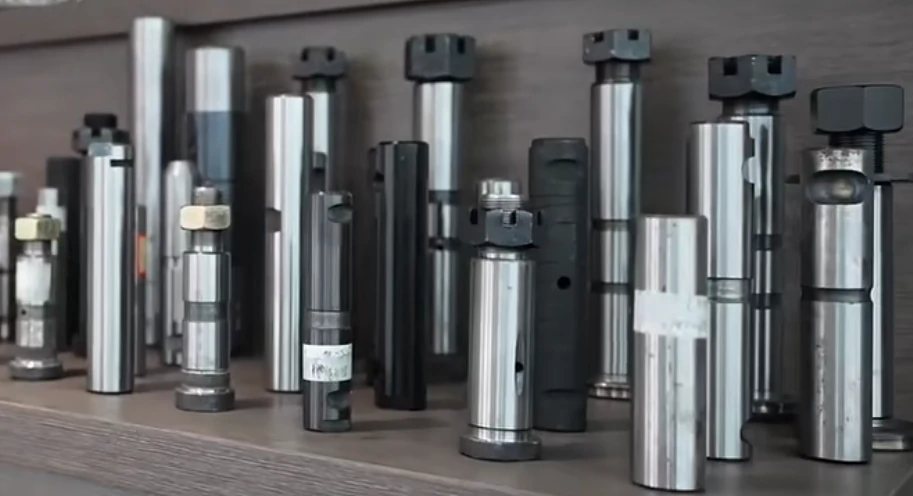
Machined parts for heavy trucks are essential for ensuring structural integrity, stability, and durability under extreme conditions. As a Machined Parts Manufacturer for Heavy Trucks, China-based suppliers use high-strength materials like alloy steel and stainless steel to withstand heavy loads, vibration, and harsh environments in transportation, construction, and mining.
With expertise in precision machining, manufacturers produce components for equipment such as articulated dump trucks, excavators, bulldozers, engines, generators, motor graders, skid steer loaders, and wheel loaders. These include both large structural parts and smaller components like brackets and enclosures, all machined to strict tolerances.
Common materials include carbon steel for strength and cost-efficiency, while stainless steel, nickel alloys, aluminum, and copper alloys are used for corrosion resistance, weight reduction, or enhanced performance.
Overall, custom machined parts for heavy trucks are designed to meet precise specifications, ensuring reliable performance, compatibility, and long service life.
What are high-quality custom heavy truck parts?
Delivering consistent performance in demanding environments requires components engineered for strength, precision, and long-term reliability. Custom heavy truck parts manufacturing focuses on producing robust mechanical components and assemblies that align with the operational standards of modern heavy-duty vehicles.
Through integrated engineering, advanced machining, and continuous innovation, manufacturers deliver value-added heavy truck components tailored to specific application needs.A collaborative development approach ensures that each part meets functional requirements while improving overall system efficiency and durability.
Typical applications in the heavy vehicle sector include:
- Valve components for heavy trucks
- Engine components machining for heavy vehicles
- Chassis structural components for trucks
- Transmission system components for heavy-duty vehicles
- Ride control components for heavy trucks
- Suspension components machining solutions
- Fluid system components for heavy equipment
- Emission system components for trucks
- Seating assemblies and interior components for heavy vehicles
- Switching and control equipment components
- Landscaping machinery components manufacturing
- Forestry machinery parts and instrumentation components
Why is focus on industry standard important in heavy truck manufacturing?
The heavy truck sector requires components that consistently meet strict specifications while maintaining exceptional reliability and performance. By integrating advanced manufacturing technologies with strong engineering capabilities, it is possible to deliver high-precision heavy truck components and sub-assemblies that align with demanding industry benchmarks.
Compliance with internationally recognized systems such as ISO 9001:2015 quality management for heavy truck industry ensures that production processes remain controlled, traceable, and consistent. In addition, deep expertise in material sourcing supports the selection of suitable metals for different operating environments, including high-temperature heavy truck applications, low-temperature resistant components, and corrosion-resistant machined parts used in challenging conditions.
Modern machining equipment and process control methods are essential to achieving superior accuracy and stability. These capabilities enable the production of precision machined parts for heavy vehicles that perform reliably across a wide range of use cases, from lightweight structural elements to heavy-load-bearing components.
Understanding the operational demands of construction and transport equipment, manufacturers focus on delivering durable and dependable solutions. Close collaboration during design and production stages helps ensure that all custom heavy truck parts manufacturing solutions meet exact technical requirements and contribute to improved equipment efficiency and productivity.
What specialty materials work best for heavy truck components?
Selecting the right materials is essential to ensure durability, strength, and performance in demanding operating conditions. Different applications within heavy-duty vehicles require specific material properties, from load-bearing capacity to corrosion resistance. Below are commonly used materials in specialty materials for heavy truck components:
Carbon Steel
Common grades include:
- AISI 1018 carbon steel for machining
- AISI 1045 medium carbon steel components
- AISI 1144 stressproof steel applications
- AISI 1215 free-machining steel
- AISI 12L14 high machinability steel
- AISI 4130 alloy steel for heavy-duty parts
- AISI 4140 high-strength alloy steel components
- AISI 8620 carburizing steel applications
Stainless Steel and Specialty Steel
For applications requiring enhanced resistance to corrosion and extreme temperatures, stainless steel for heavy truck components is a preferred choice. These materials are commonly used in parts exposed to harsh environments, including actuators, fasteners, and landing gear systems. Their durability and resistance to oxidation make them ideal for long-term performance despite added weight.
Common grades include:
- AISI 303 stainless steel machining parts
- AISI 304 general-purpose stainless steel components
- AISI 316 corrosion-resistant truck parts
- AISI 630 (17-4PH) precipitation-hardening stainless steel
- AISI 17-4PH high-strength stainless steel components
Aluminum Alloys
When weight reduction is a priority, aluminum alloys for heavy truck components provide an excellent balance of strength, corrosion resistance, and machinability. These materials are widely used in structural and non-structural parts where improved fuel efficiency and easier handling are required.
Common grades include:
- Aluminum 2011 for precision machining
- Aluminum 4032 wear-resistant alloy applications
- Aluminum 6061 structural components for trucks
- Aluminum 6063 extrusion-grade alloy
- Aluminum 7075-T7651 high-strength aerospace-grade alloy
Copper Alloys
Known for their excellent electrical and thermal conductivity, copper alloys for heavy truck electrical components are essential in electrical systems and precision mechanical parts. They are frequently used in wiring, connectors, bearings, bushings, fittings, and fluid handling systems where conductivity and reliability are critical.
Common grades include:
- Copper C3600 free-cutting brass components
- Copper C3602 precision machined parts
- Copper C3604 high-speed machining brass
- Copper C4926 lead-free copper alloy applications
By selecting the appropriate materials for heavy truck components manufacturing, it is possible to optimize performance, extend service life, and meet the diverse operational requirements of heavy-duty vehicles across industries.
What are custom machined forged parts?
Manufacturers produce custom machined forged parts by shaping metal billets under extreme pressure using presses or hammers. This refines grain flow, improving strength, toughness, and overall performance.
They widely use high carbon steel forgings for heavy-duty applications due to their wear resistance and high stress tolerance.
After forging, components undergo machining processes such as cutting, drilling, and milling to achieve precise dimensions, surface finishes, and strict tolerances.
In some cases, high-precision metal forming further improves accuracy and consistency.
Manufacturers may use custom machined castings for complex geometries, but they prefer forging for maximum strength and durability. In certain assemblies, they combine stamped parts with forged components to create complete, functional systems.
Key advantages of forging and machining include:
- Enhanced strength and durability in forged metal parts
- Capability to support complex geometries in forged components
- Improved cost efficiency in forged parts production
- Flexible material selection for forged components
- High precision and quality in machined forged parts
- Reduced material waste through optimized processing
- Full customization of forged and machined parts
- Excellent fatigue resistance in high strength forged parts
These benefits are particularly evident in high strength forged parts for industrial use, where long-term reliability and resistance to fatigue are essential. By utilizing high carbon steel forgings for critical components, manufacturers can ensure consistent performance and extended service life in demanding environments.
How does the machined forgings process work?
The production of machined forgings process for heavy-duty components involves a series of controlled steps that combine material strengthening with precision finishing. This workflow ensures that parts achieve both structural integrity and exact dimensional accuracy required for demanding applications.
Step-by-Step Process
Material Selection
The process begins with selecting suitable metals or alloys based on performance needs such as strength, wear resistance, and environmental conditions. Common choices include high carbon steel forgings for industrial applications and other engineered alloys.
Heating
The selected material is heated to a defined temperature range to improve ductility. Proper temperature control is critical in forging temperature control for metal forming, ensuring optimal workability without compromising material properties.
Forging
The heated material is shaped using compressive force applied through presses, hammers, or specialized equipment. This stage, known as heavy duty forged components manufacturing, enhances internal grain flow, significantly improving strength and durability.
Trimming and Cleaning
Excess flash material is removed after forging. Surface treatments such as shot blasting or chemical cleaning are applied in forged parts surface cleaning processes to eliminate scale and impurities.
Heat Treatment
To further refine mechanical properties, components undergo processes like quenching or tempering. This step is essential for achieving heat treatment for forged steel components, improving hardness, toughness, and fatigue resistance.
Machining
Forged parts are then precision-finished through milling, turning, drilling, or grinding. This stage defines final geometry and tolerances, resulting in precision machining for forged parts that meet strict engineering specifications.
Integrated Strength and Precision
The machined forgings manufacturing process combines the inherent strength of forging with the accuracy of CNC machining. During forging, metal is plastically deformed under force, creating a refined grain structure that enhances resilience. This is why high strength forged parts for heavy equipment are widely used in industries requiring durability and load-bearing capacity.
Subsequently, advanced multi-axis CNC machining for complex forged components removes excess material with high precision, enabling the production of intricate geometries that cannot be achieved through forging alone. This approach is especially valuable in applications requiring both robustness and fine detail.
Key Advantages
- Superior fatigue resistance in forged and machined partsdue to optimized grain structure
- Capability for complex geometries in CNC machined forgings
- High accuracy through tight tolerance machining for forged components
- Cost efficiency in large-scale production of high carbon steel forgings
- Enhanced performance for heavy duty forged components in industrial applications
Overall, manufacturers combine forging and machining to deliver a balanced solution—preserving and enhancing raw material strength while using precision processes to ensure consistency, functionality, and long-term reliability.
What industries use machined forgings and precision metal components?
Aerospace
The aerospace sector relies on aerospace grade forged and machined components engineered for exceptional performance and strict compliance standards. These parts are designed to deliver reliability under extreme stress, temperature variation, and safety-critical conditions.
Agriculture
From small batches to large-scale production, agricultural machinery machined parts are used in equipment such as tractors, harvesters, and hoppers. These components must balance durability with cost efficiency for continuous field operations.
Heavy Trucking
In transportation and logistics, heavy truck forged components manufacturing focuses on producing rugged parts capable of withstanding heavy loads, vibration, and long operating hours in demanding environments.
Military
Defense applications require military-grade forged metal components that meet strict specifications for strength, durability, and reliability in extreme and mission-critical conditions.
Minería
The mining industry depends on mining equipment forged parts designed to endure abrasion, impact, and harsh working environments, ensuring long service life and reduced downtime.
Automoción
Automotive manufacturers utilize automotive CNC machined and forged parts for critical systems, benefiting from high precision, repeatability, and performance consistency across mass production.
Petrochemical
In high-risk environments, petrochemical industry metal components must comply with stringent safety and corrosion resistance standards, making material selection and process control crucial.
Power & Energy
The energy sector uses power generation forged components tosupport efficiency and operational reliability in systems exposed to high temperatures, pressure, and continuous loads.
Marine
For offshore and marine environments, corrosion-resistant forged parts for marine applications are essential to withstand saltwater exposure and harsh weather conditions.
Médico
Healthcare applications require precision machined metal components for medical devices that meet strict regulatory and quality standards, ensuring safety, accuracy, and reliability.</p>
Pharmaceutical
The pharmaceutical sector depends on high cleanliness machined components for pharmaceutical equipment, where hygiene, material integrity, and contamination control are critical.
What are machine platform and machine parts used for?
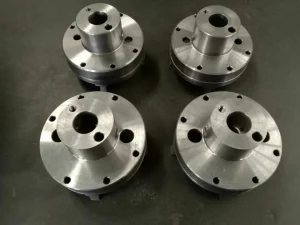
Machine platform and machine parts manufacturing requires a combination of structural strength, precision machining, and advanced fabrication capabilities. High-performance industrial systems depend on accurately produced components that can support heavy loads, maintain stability, and operate reliably in demanding environments.
Specializing in precision structural steel fabrication for machine platforms, modern manufacturing focuses on producing both large-scale base structures and detailed mechanical components. These include complex assemblies that require tight tolerances, consistent quality, and excellent surface finishes to ensure seamless integration into various machinery systems.
In addition to platform structures, expertise in machining complex machine parts with high precision enables the production of components used across a wide range of equipment, including forklift attachment components manufacturing and heavy construction machinery parts machining. These parts must meet strict performance standards, combining durability with dimensional accuracy.
From large foundation frames to intricate steel components, custom machined steel structures for industrial equipment are developed to meet diverse application requirements. Emphasis is placed on strength, precision, and reliability, ensuring that each component performs effectively in heavy-duty operations and long-term industrial use.
What manufacturing technologies are used for aluminum, brass, and zamak components?
The manufacturing technologies for aluminum, brass, and zamak components involve a range of advanced processes designed to achieve high precision, consistent quality, and efficient production for different material properties. Each material requires specific forming and finishing techniques to meet performance, strength, and surface requirements in industrial applications.
Forging and Forming Processes
Although widely used for steel, forming techniques such as hot and cold forging for metal components can also be adapted for certain non-ferrous alloys depending on design requirements. These processes help improve mechanical strength and structural integrity while maintaining dimensional control through the use of high-performance presses capable of handling various alloy types and thicknesses.
Machining Operations
Following initial forming, components often undergo secondary processing through precision machining for aluminum brass zamak parts. Operations such as milling, turning, and drilling are performed using advanced CNC equipment to achieve tight tolerances, smooth surface finishes, and accurate geometries required for functional performance.
Surface Treatments
To enhance durability, surface treatment technologies for corrosion and wear resistance are applied to aluminum, brass, and zamak components. These treatments help improve resistance to environmental factors, extend service life, and maintain appearance and functionality under demanding operating conditions.
Casting Techniques
For complex geometries, lost-wax casting for precision metal components is utilized as an effective method for producing intricate shapes with high dimensional accuracy. This process is suitable for manufacturing parts that require detailed features and are difficult to achieve through conventional machining or forming methods.
What are the products and applications of steel and stainless steel components?
Products and applications of steel and stainless steel components span a wide range of industries due to their strength, durability, and adaptability. These materials are widely chosen for applications that demand mechanical reliability, corrosion resistance, and long service life under challenging operating conditions.
Automotive Components
In the automotive sector, steel parts for vehicles manufacturing are commonly used to achieve a balance between strength, safety, and cost efficiency. These components are engineered to withstand dynamic loads, vibration, and long-term use while maintaining consistent performance.
Industrial Plant Engineering
For industrial facilities, stainless steel components for industrial plants are essential in environments such as food processing, pharmaceutical production, and chemical plants. Their excellent corrosion-resistant stainless steel applications make them suitable for systems exposed to moisture, chemicals, and strict hygiene requirements.
Construction and Infrastructure
Steel plays a critical role in structural applications, where steel components for construction and infrastructure projects are used to build durable frameworks, supports, and load-bearing elements. These parts are designed to ensure stability, strength, and precision across various types of structures and engineering projects.
Industrial Machinery Components
In heavy-duty equipment, steel mechanical parts for industrial machinery are widely utilized due to their ability to handle high stress, wear, and continuous operation. These components are integral to maintaining efficiency and reliability in demanding industrial environments.
What is welleshaft capability of CNC machining for heavy equipment parts?
At welleshaft in China, advanced CNC machining for heavy equipment parts is supported by multi-axis technologies and precision engineering systems designed to meet demanding industrial requirements. By leveraging high-speed 3-axis and 5-axis CNC machining for complex components, as well as Swiss-type turning with live tooling, we are able to produce parts with tight tolerances, excellent repeatability, and consistent surface quality.
Our capabilities cover a wide range of components, including precision machined shafts for heavy machinery, compression system parts manufacturing, and custom fittings for heavy equipment applications. Regardless of design complexity, each part is manufactured to align with exact specifications, ensuring reliable performance in real-world operating conditions.
Precision Components and Custom Machining Solutions
Heavy equipment systems require components engineered for compatibility and durability. We specialize in custom heavy machinery fittings machining, ensuring seamless integration across different assemblies. In addition, our expertise in hydraulic components manufacturing for heavy equipment enables the production of leak-resistant and high-pressure parts suitable for critical fluid control systems.
Industry Applications of CNC Machining
Our CNC machining services for heavy equipment industries support a variety of sectors, including:
- Construction – Durable components for demanding field equipment
- Forestry – Precision parts for logging machinery
- Oil & Gas – High-performance fittings for extreme environments
- Defense – Contract machining solutions for specialized applications
Quality Assurance and Process Control
Quality is integrated into every stage of production. With ISO 9001 certified CNC machining processes, each component undergoes strict inspection and validation. Using CMM inspection for precision machined parts, dimensional accuracy and compliance with specifications are verified to ensure performance and reliability across all batches.
Machine Platforms, Skid Structures, and Structural Solutions
In addition to component manufacturing, machine platforms and skid structures fabrication is a key capability. These structures serve as stable foundations for industrial equipment, requiring both structural strength and precise alignment. From initial design to final fabrication, each platform is engineered to integrate seamlessly with machinery systems.
Specialized Steel Parts and Attachments
Our machining expertise extends to specialized steel parts for industrial machinery, where intricate geometries and tight tolerances are required. Through advanced CNC processes, we produce components that meet exact mechanical and dimensional requirements.
Expanding our scope, we also support forklift and heavy construction machinery attachments manufacturing, ensuring compatibility, durability, and efficient performance in material handling and construction applications.
End-to-End CNC Machining Capabilities
From concept to final delivery, welleshaft CNC machining solutions for heavy equipment parts in China cover the full production cycle, including:
-
-
- Concept-to-production machining of metals and alloys
- CNC turning, milling, and multi-axis machining
- Tooling design and fixture development
- Assembly, finishing, and surface treatment
- Advanced inspection and quality control systems
- Material traceability and process documentation
-
Our team collaborates closely with clients to develop custom CNC machined parts for heavy machinery, combining engineering expertise with cross-industry experience to optimize performance, manufacturability, and cost efficiency.
FAQs
What tolerances can CNC machining achieve for truck parts?
CNC machining for heavy truck parts typically achieves tolerances of ±0.01 mm to ±0.05 mm, depending on the equipment, material, and part complexity. With advanced processes and inspection (such as CMM), tighter tolerances down to ±0.005 mm may be possible for high-precision components.
CNC machining vs forging: which is better for heavy truck components?
Neither is universally better—it depends on the application:
-
-
- CNC machiningis best for high precision, complex geometries, and custom parts.
- Forgingis better for high-strength, load-bearing components with excellent fatigue resistance.
-
In many cases, a combination of forging and CNC machining is used to achieve both strength and precision.
How to choose a supplier for heavy truck machined parts?
Key factors include:
-
-
-
- Technical capability: Advanced CNC equipment and experience with heavy-duty materials
- Quality control: ISO-certified systems and reliable inspection methods (e.g., CMM)
- Industry experience: Proven track record in heavy truck or related industries
- Consistency & communication: Stable production, clear feedback, and timely delivery
-
-
A qualified supplier should ensure both manufacturing precision and stable quality control across production batches.
This blog was provided by the Welleshaft Engineering Team, led by Mr. Xu, a quality engineer with extensive experience in precision machining and industrial inspection. Welleshaft specializes in CNC machining, custom heavy equipment components, and third-party quality control solutions, helping global clients ensure reliability, compliance, and consistent product performance.

 Español de México
  English
  Português do Brasil
  Deutsch (Österreich)
  Deutsch (Schweiz)
  English (UK)
  English (Australia)
  English (New Zealand)
  Deutsch
  Français du Canada
  Français
  Français de Belgique
  Italiano
  English (South Africa)
  Português
  Español
  Español de Perú
  Español de Colombia
  العربية
  日本語
日本語  Русский
  한국어
한국어  Tiếng Việt
  ไทย
ไทย