
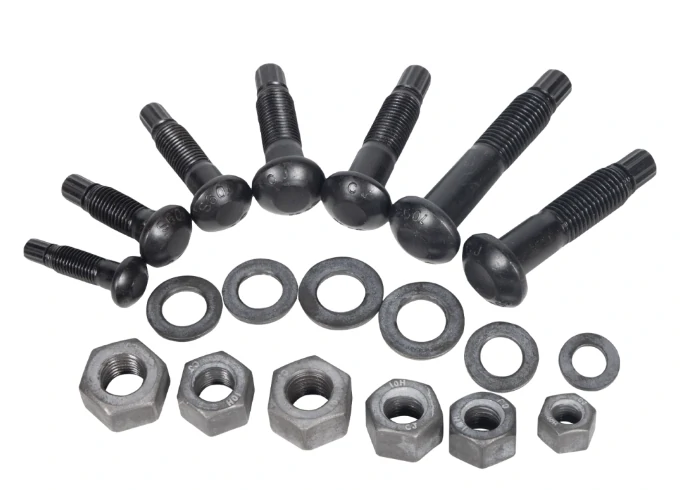
What Are Specialty Fasteners?
Engineers design specialty fasteners—screws, bolts, nuts, and fastening systems—for applications where standard fasteners cannot perform adequately.This category includes specialty bolts and screws, specialty nuts and bolts, captive fasteners, quarter-turn fasteners, thread inserts, and aerospace fasteners. You’ll commonly find them in aerospace, automotive, electronics, industrial equipment, and sheet metal assemblies, where safety and long-term reliability really matter.
What sets specialty fasteners apart is their purpose-driven design. They often feature more robust thread patterns, higher strength materials, and tighter tolerances, making them ideal for heavy-duty processes such as welding, molding, stamping, and complex assembly work. Instead of just holding parts together, these fasteners address real problems like vibration, corrosion, weight reduction, and frequent maintenance.Manufacturers can also customize many fasteners in shape, size, or material to meet specific drawings or standards, providing buyers with a fastening solution that truly fits their application.
What Types of Specialty Fasteners Are Commonly Used in Aerospace and Industry?
Engineers choose specialty fasteners in aerospace and industrial applications based on load, space, maintenance, and safety requirements. Common examples include aerospace bolts, captive fasteners, quick release panel fasteners, wire thread inserts, structural rivets, and quarter-turn fasteners. Designed for metals, plastics, and composites, these fasteners provide positive locking, lightweight strength, and precise control, making them essential for high-vibration assemblies, aircraft panels, engines, and precision machinery.
Shear pins
Engineers design shear pins to fail at a specific load, protecting critical components in industrial and aerospace equipment. By shearing cleanly under overload, they prevent damage to shafts, gears, or housings, improve safety, and reduce downtime. Buyers select them based on material, diameter, and shear strength, making shear pins a reliable solution for safety-critical applications.
Twelve-point socket flange screws
Twelve-point socket flange screws are specialty fasteners with a washer-like flange and 12 points for superior torque transfer. Ideal for aerospace and high-performance industrial assemblies, they offer better tool engagement, even load distribution, and reliable performance under vibration and thermal stress, making them a strong alternative to standard socket head cap screws.
Lock washers
Engineers design lock washers to prevent loosening from vibration and thermal cycling.or dynamic loads. Common types include split, toothed, and specialty locking washers used in aerospace and industrial equipment. They maintain clamp load, improve reliability in high-temperature or high-pressure applications, and reduce the need for frequent retightening, making them essential for long-lasting assemblies.
Star drive screws
Star drive screws, or Torx-style fasteners, feature a cross-shaped head with deep wings for higher torque and reduced cam-out. Ideal for plastics, wood, sheet metal, and panels, they secure components without nuts or bolts. Widely used in electronics, automotive, and aerospace assemblies, these specialty screws provide precise installation, reduce tool wear, and support consistent torque for quality-controlled production.
6-point specialty screws
6-point specialty screws, including hex socket types, feature a six-point head for secure torque transfer and reduced risk of stripping. Compact and lightweight, they’re ideal for tight spaces and high-load applications in industrial machinery and aerospace assemblies. Combined with locking fasteners or thread inserts, these specialty screws resist vibration and loosening, ensuring reliable, long-lasting performance in demanding environments.
Trilobular screws
Trilobular screws are specialty self-forming fasteners with a unique three-lobed design that increases thread engagement and reduces installation torque. Ideal for plastics and light metals like aluminum, they resist vibration and eliminate the need for pre-tapped holes. Widely used in automotive, electronics, and industrial components, these screws streamline assembly, cut costs, and deliver reliable, long-lasting fastening performance.
Self-threading screws
Self-threading screws are specialty fasteners that cut their own threads during installation, making them ideal for sheet metal, plastics, and lightweight assemblies. They eliminate the need for pre-tapped holes, speeding up production and simplifying installation. Widely used in industrial and aerospace applications, these screws are perfect for access panels, enclosures, and non-structural components where quick, reliable fastening is essential.
Electronic and automotive fasteners
Electronic and automotive fasteners are specialty screws, nuts, bolts, rivets, clips, and washers designed for compact assemblies, vibration resistance, and durability. Ideal for dashboards, control units, housings, and connectors, they secure parts, absorb shock, and protect against moisture, dust, and heat. Using the right fasteners reduces assembly errors, ensures consistent performance, and meets long-term reliability demands in high-volume production.
Nuts
Engineers design specialty nuts, including locking nuts, anchor nuts, and floating nut plates, to ensure secure and maintainable assemblies in aerospace and industrial applications.Unlike standard nuts, they resist loosening, compensate for misalignment, and allow quick installation. Made from materials like stainless steel, aluminum, or brass, these nuts work with bolts, rivets, and captive fasteners to ensure reliable performance in demanding environments.
What Materials Are Used for Specialty Fasteners?
Specialty fasteners are made from a wide range of materials to meet specific application needs, including stainless steel, aluminum, titanium, carbon steel, brass, bronze, nickel alloys, and exotic metals. Stainless steel provides excellent corrosion resistance, making it ideal for outdoor or industrial environments, while engineers favor titanium in aerospace and high-performance applications for its superior strength-to-weight ratio. Many fasteners also receive surface treatments, like plating or heat treatment, to boost durability and performance. Choosing the right material ensures long-term reliability, safety, and compliance with industry or aerospace standards, helping manufacturers achieve consistent, high-quality results in demanding assemblies.
Why Use Specialty Fasteners Instead of Standard Screws and Bolts?
Standard screws handle basic tasks, but engineers design specialty fasteners for demanding environments with vibration, extreme temperatures, and frequent maintenance. Used in aerospace and industrial machinery, they reduce loosening, failure, and assembly errors. Features like positive locking, captive designs, and quick-release options boost reliability, while customization in material, pitch, head type, or finish saves time, cuts costs, and ensures secure, high-performance assemblies.
How Do You Choose the Right Specialty Fasteners for Aerospace and Industrial Use?
Choosing the right specialty fasteners starts with understanding the application requirements. Factors such as load, vibration, material compatibility, access space, and maintenance frequency all play a role. Aerospace fasteners often require compliance with NAS standards, while industrial applications may prioritize cost and availability.Engineers decide whether to use captive fasteners, thread inserts, or quick release systems.Working with an experienced specialty fastener supplier helps ensure the selected screws, bolts, and inserts meet performance expectations and long-term reliability goals.
Why Choose Welleshaft for Specialty Fasteners and Aerospace Fasteners?
Welleshaft provides reliable sourcing and manufacturing support for specialty fasteners, aerospace fasteners, and custom fastener solutions. With experience across industrial, aerospace, and precision applications, Welleshaft helps customers select the right specialty bolts, screws, nuts, and inserts for their projects. From standard NAS fasteners to custom stamped aerospace fasteners, the focus is always on quality, consistency, and compliance. For buyers looking to reduce risk and improve supply chain reliability, Welleshaft is a practical long-term partner.
Specialty Fasteners FAQs
what are light gauge metal components typically fastened together with
Manufacturers commonly fasten light gauge metal components using self-threading screws, specialty sheet metal screws, rivets, and threaded inserts. In industrial and aerospace assemblies, they also use captive fasteners or quick release fasteners for access panels. Choosing the right fastener depends on the load, vibration exposure, and the need for disassembly.
where to buy specialty fasteners for woodworking
Specialty fasteners for woodworking can be sourced from fastener specialty suppliers, industrial distributors, or manufacturers offering custom solutions. Depending on the application, specialty screws, inserts, or locking fasteners may be required. Working with an experienced supplier helps ensure consistent quality and proper fastener selection.
This blog was provided by the Welleshaft Engineering Team.With years of experience, Welleshaft supplies specialty fasteners, aerospace bolts, screws, and custom solutions, helping engineers choose the right fasteners for reliable, efficient, and high-performance assemblies.

 Español de Colombia
  English
  Português do Brasil
  Deutsch (Österreich)
  Deutsch (Schweiz)
  English (UK)
  English (Australia)
  English (New Zealand)
  Deutsch
  Français du Canada
  Français
  Français de Belgique
  Italiano
  English (South Africa)
  Português
  Español
  Español de México
  Español de Perú
  العربية
  日本語
日本語  Русский
  한국어
한국어  Tiếng Việt
  ไทย
ไทย