
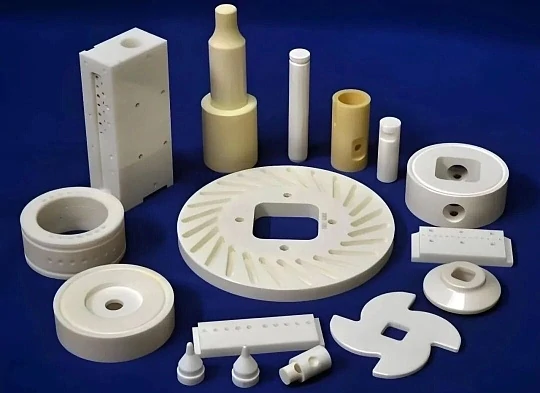
Anodized Aluminum CNC Parts: Benefits, Process & Applications
What Is Anodized Aluminum and How It Enhances CNC Parts?
Anodized aluminum is created through an electrochemical process that forms a durable oxide layer (Al₂O₃) directly on the metal surface. Unlike conventional coatings, this engineered layer penetrates the aluminum substrate, providing enhanced corrosion resistance, wear resistance, and surface hardness. Standard anodizing (Type II) typically achieves 5–25 µm thickness, while hard anodizing (Type III) can reach 25–100 µm. By controlling process parameters such as current, voltage, bath temperature, immersion time, and alloy composition, manufacturers achieve consistent finishes, precise tolerances, and long-lasting performance for CNC-milled and CNC-turned parts.
Key Benefits for CNC Machined Parts
- Improved Surface Durability:Resists scratches, dents, and everyday wear.
- Aesthetic Versatility:Supports vibrant, customizable finishes that are color-stable and resistant to peeling.
- Electrical Insulation:Ideal for electronics, heat sinks, and EV components.
- Enhanced Adhesion:The anodic layer bonds strongly with the aluminum substrate, reducing peeling, chipping, and post-processing defects.
How Aluminum Alloys Influence Anodizing
Aluminum’s natural reactivity makes it an excellent choice for anodizing, but alloy composition affects performance:
- Magnesium:Increases hardness and wear resistance.
- Silicon:Can reduce surface uniformity.
- Copper:May slow oxide growth.
Porous Oxide Layer and Dyeing Capability
The anodized layer is inherently porous, allowing for dye absorption and sealing. This ensures consistent color, high corrosion resistance, and mechanical precision without compromising structural integrity, making it suitable for functional and decorative applications.
Commercial and Environmental Advantages
Anodizing provides measurable business value:
- Extended Product Lifespan:Performs well in harsh conditions like humidity, saltwater, and UV exposure.
- Reduced Defects and Waste:Optimized process parameters lower scrap rates and rework.
- Premium Appearance and Market Appeal:Suitable for automotive, marine, architectural, and consumer electronics components.
- Sustainable Manufacturing:Enhances aluminum’s natural properties without introducing heavy metals or hazardous chemicals.
By leveraging anodized aluminum, manufacturers can deliver durable, high-quality CNC parts that combine functionality, aesthetics, and sustainability while reducing production costs and enhancing market competitiveness.
Which Aluminum Alloys Are Best for Anodizing CNC Parts?
Choosing the right aluminum alloy is critical for achieving high-quality anodized finishes, consistent color, and optimal corrosion resistance. Different series respond uniquely to anodizing due to their chemical composition—including magnesium, silicon, zinc, or copper—which directly influences oxide quality, finish uniformity, and durability. Understanding these differences helps manufacturers reduce defects, minimize rework, and deliver premium products.
5xxx Series — Corrosion-Resistant Excellence
The 5xxx series relies on magnesium for natural corrosion resistance, making alloys like 5052 and 5083 ideal for harsh environments such as marine or industrial settings. These grades anodize cleanly to form a tough, transparent oxide layer, providing long-lasting performance for outdoor structures, marine components, and industrial panels. Choosing 5xxx series alloys helps extend product lifespan and reduce maintenance costs.
6xxx Series — Versatility and Precision
The 6061 and 6063 alloys, containing magnesium and silicon, combine excellent machinability, strength, and anodizing performance. They form a uniform, stable oxide layer, ensuring predictable coloring and professional finishes across high-volume production. This makes them perfect for CNC-machined parts, architectural components, consumer electronics, and extrusion profiles. Leveraging 6xxx series alloys enhances both aesthetics and reliability, delivering consistent, high-quality results for diverse applications.
7xxx Series — Strength Requires Process Control
Zinc-based 7xxx series aluminum, such as 7075, offers superior strength and fatigue resistance. While it can be hard anodized, precise process control is needed to avoid uneven or patchy finishes caused by higher copper and zinc content. These alloys are best suited for performance-critical components in motorsports, engineering, and high-stress applications, where mechanical strength outweighs decorative uniformity.
Alloys Less Suitable for Anodizing
Certain grades anodize unpredictably due to impurities or alloying elements:
- 2xxx Series (copper-based):prone to dark, patchy coatings
- 4xxx Series (high silicon):may appear gray or blotchy
- 7xxx high-copper alloys:inconsistent color results
- Cast aluminum (A380, ADC12):lower adhesion and non-uniform finishes
While these alloys can undergo anodizing, decorative or high-precision applications may suffer, making upfront material selection crucial for reducing defects and improving brand perception.
Cast vs. Wrought Aluminum — Quality Considerations
Wrought alloys offer structural uniformity, predictable anodized finishes, and easier machining, making them the preferred choice for precision CNC parts. Cast alloys, though usable for less critical components, can produce uneven oxide layers due to non-uniform microstructures.
By selecting the right aluminum series and applying precise anodizing techniques, manufacturers can produce durable, visually consistent, and high-performance parts, reduce production defects, and gain a competitive edge across applications such as CNC machining, architecture, electronics, motorsports, and consumer products.
What Is the Science and Step-by-Step Process Behind Aluminum Anodizing?
Understanding the science of aluminum anodizing allows manufacturers to produce durable, visually consistent, and high-performance parts. Anodizing is an electrolytic oxidation process performed in acidic solutions such as sulfuric, chromic, or phosphoric acid, which creates a controlled aluminum oxide layer. By carefully regulating parameters like current, voltage, bath temperature, immersion time, and alloy type, the process forms a dense barrier layer for corrosion protection and a porous layer ideal for dye absorption, sealing, and functional coatings.
Aluminum Machining and Surface Preparation
Before anodizing, aluminum parts are machined to final dimensions, considering that the oxide layer adds thickness. Proper fixturing, controlled feed rates, and polished surfaces ensure uniform coating and tight tolerances, especially for threads, thin walls, and precision CNC components.
Cleaning, Etching, and Polishing
Thorough cleaning and degreasing remove oils, dust, and residues, while light etching roughens the surface microscopically to promote even oxide growth. Mechanical polishing or brushing further improves surface smoothness, enhances sealing efficiency, and produces professional finishes for decorative or structural parts.
Electrolytic Oxidation – Forming the Anodic Layer
The part is immersed in an acidic electrolyte bath and connected as the anode. Passing a controlled electric current releases oxygen ions that react with the aluminum surface:
- Barrier oxide layer:Thin, dense, non-porous, providing hardness, adhesion, and corrosion protection.
- Porous oxide layer:Microscopic vertical pores allow for coloring, sealing, and enhanced durability.
Layer thickness, hardness, and pore size depend on bath temperature, current density, immersion time, and alloy composition. Precise control prevents weak spots, burning, or uneven coatings, maximizing performance.
Coloring Options – Customizing Appearance
Anodized aluminum can be tailored for aesthetics or brand identity using various methods:
- Electrolytic coloring:Deposits metal salts for darker shades like black or bronze.
- Dip coloring:Organic dyes for vibrant reds, blues, or golds.
- Integral coloring:Forms color during anodizing, offering fade resistance.
- Interference coloring:Produces iridescent effects via pore control.
- Clear & bright dip anodizing:Natural silver or high-gloss finishes for premium products.
Sealing – Enhancing Durability
Sealing locks pores to increase corrosion resistance, wear durability, and environmental protection:
- Hot water sealing:Hydrates oxide naturally.
- Nickel acetate sealing:Provides stronger corrosion protection for outdoor or industrial components.
Industrial Benefits
| Stage | Key Benefits | Application Examples |
| Pretreatment | Uniform coating, improved adhesion | Frames, panels, decorative parts |
| Electrolytic Oxidation | Hardness, corrosion resistance | Structural components, machinery parts |
| Coloring Options | Custom aesthetics, fade resistance | Consumer electronics, architectural trim |
| Sealing | Longevity, wear resistance | Outdoor fixtures, automotive parts |
By following this step-by-step anodizing process, manufacturers can deliver high-quality, corrosion-resistant, and visually appealing aluminum parts for automotive, aerospace, electronics, architecture, and industrial applications. Optimized anodizing reduces defects, enhances surface performance, extends product lifespan, and increases market competitiveness and customer satisfaction.
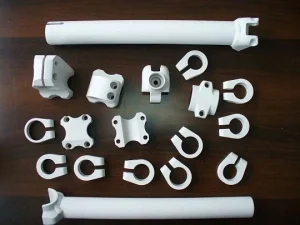
What Are the Most Suitable Aluminum Anodizing Types for CNC Machined Parts?
Aluminum anodizing offers multiple methods to create durable, corrosion-resistant, and visually appealing surfaces, with each type producing oxide layers of different thickness, hardness, and dyeability. Understanding the distinctions helps manufacturers select the most suitable process for CNC-machined parts, structural components, decorative finishes, or high-performance applications, reducing rework and improving product lifespan.
Type I – Chromic Acid Anodizing
Type I uses chromic acid to produce a thin oxide layer (≈2–5 µm), causing minimal dimensional changes. This method offers moderate corrosion resistance and is ideal for precision CNC parts, aerospace components, and thin-walled fittings where strict tolerances are crucial. While its dye absorption is limited, Type I ensures high protection against corrosion without affecting critical dimensions.
Type II – Sulfuric Acid Anodizing
The most versatile and widely used method, Type II forms a moderate porous layer (5–30 µm) in a sulfuric acid bath. Controlled temperature, voltage, and current produce consistent thickness and uniform pores, supporting vibrant dyeing and sealing. Type II is perfect for architectural panels, consumer electronics, automotive parts, and decorative CNC components, balancing corrosion resistance, hardness, and aesthetic appeal. Its cost-effectiveness and flexibility make it a popular industrial choice.
Type III – Hard Coat Anodizing
Type III, or hard anodizing, generates a thick, dense oxide layer (30–100 µm) with hardness often exceeding tool steel. This process is ideal for high-wear, load-bearing, or industrial CNC parts, including gears, sliding components, machinery, and aerospace structures. While color options are limited, the exceptional abrasion resistance, dielectric strength, and durability extend service life in harsh environments.
Additional Variants
Other specialized anodizing methods include:
- Boric–sulfuric acid anodizing:Safer alternative for aerospace applications
- Phosphoric acid anodizing:Enhances adhesive bonding for coatings or composites
- Thin-film Type IIb anodizing:Minimizes dimensional change for electronics
- Black or color anodizing:Decorative or functional identification
- Coil anodizing:Continuous treatment for large-scale architectural or consumer products
Technical Comparison of Anodizing Types
| Property | Type I – Chromic Acid | Type II – Sulfuric Acid | Type III – Hard Anodizing |
|---|---|---|---|
| Method | Uses chromic acid to form a thin oxide layer | Employs sulfuric acid to create a porous surface | Forms a thick, dense oxide layer via sulfuric acid |
| Typical Thickness (µm) | Approximately 2–5 µm | Ranges between 5–30 µm | Can reach 30–100 µm |
| Hardness (HV) | Relatively soft, 30–50 HV | Moderate hardness, 150–200 HV | Very hard, 300–400 HV |
| Corrosion Resistance | Provides moderate protection against corrosion | Offers good corrosion resistance suitable for most environments | Excellent corrosion resistance for harsh conditions |
| Dimensional Change | Causes minimal change in dimensions | Slight dimensional alteration may occur | Moderate change; allowances required during design |
| Dye Absorption | Limited color absorption possible | Supports vibrant dyeing and color customization | Minimal coloring; mainly functional coating |
| Typical Use | Precision CNC components, aerospace fittings | Decorative panels, medium-duty structural parts | Load-bearing industrial components, machinery parts |
By selecting the right anodizing type for the intended application, manufacturers can achieve the desired balance of strength, corrosion resistance, and visual appeal, reduce defects, and enhance market competitiveness. For instance, Type II maximizes aesthetic versatility and cost efficiency, while Type III guarantees long-term durability in demanding CNC applications.
What Are the Key Factors for Effective Aluminum Anodizing and Its Industrial Applications?
Achieving high-qualityanodized aluminum requires meticulous process control, precise parameter monitoring, and careful material selection. Each stage—from pre-treatment to electrolytic oxidation and post-coating enhancement—directly impacts oxide layer uniformity, hardness, and long-term performance, ensuring corrosion resistance, mechanical durability, and aesthetic appeal.
Pre-Treatment Essentials
Proper surface preparation lays the foundation for superior anodizing:
- Alkaline Cleaning:NaOH solution at 60°C (pH 10–12) with ultrasonic agitation for 10 min; verify via water-break test (ASTM F22).
- Etching:Caustic soda (NaOH 40 g/L, 55°C, 2–5 min) to achieve surface roughness Ra 0.8–1.2 µm (ISO 4287) for uniform oxide growth.
- Deoxidizing:Nitric-acid solution (20–30 vol%, 2 min) to remove residual oxides, validated visually and chemically (ISO 8407).
Electrolytic Oxidation and Process Controls
During anodizing, precise regulation ensures uniform and durable coatings:
- Thickness Control:Eddy-current probes (±5%) maintain MIL-A-8625 compliance.
- Bath Temperature:Automated control ±0.5°C with real-time logging.
- Current Density:Rectifiers with feedback control ±1% for consistent oxide formation.
Post-Coating Enhancement
Sealing and finishing maximize durability and aesthetics:
Sealing: Nickel-acetate hot seal (96–100°C, 15 min) locks pores, ensures dye fastness ≥8, and sealed porosity <0.1% (ISO 2143).
Precision Finishing: CNC micro-polishing (Ra 0.1–0.2 µm) maintains dimensional accuracy and smooth surface (ISO 25178).
Material Selection and Anodizing Type Optimization
Selecting the right alloy is critical for performance and visual quality. Common recommendations:
| Aluminum Alloy | Recommended Anodizing Type | Performance Gain | Industrial Validation |
| 6061-T6 | Type III Hard Anodizing | +500% abrasion resistance | 10,000+ h aerospace lifecycle |
| 7075 | Type I Chromic Acid | Minimized fatigue impact | FAA-certified aerospace structures |
| ADC12 (A380) | Type II Sulfuric Acid | Corrosion resistance & aesthetic quality | 1,500 h salt spray (automotive) |
| 2024 | Type II with Dye & Seal | Decorative finish & corrosion protection | 5-year outdoor exposure test |
| 5052 | Type II Sulfuric Acid | Excellent formability & corrosion resistance | Marine-grade 2,000 h salt spray |
Anodizing types are optimized for their applications:
| Anodizing Type | Selection Criteria | Optimization Guidelines | Typical Applications |
| Type I – Chromic Acid | Minimal dimensional change (<5 µm), moderate corrosion | Bath 35°C ±2°C, hot DI water sealing, current 0.5–1.0 A/dm² | Aerospace fittings, precision CNC parts |
| Type II – Sulfuric Acid | Medium corrosion (up to 3,000 h salt spray), decorative | 15–20 wt% acid, pulse-current, dye + nickel-acetate seal | Automotive panels, architecture, consumer products |
| Type III – Hard Anodizing | High hardness (HV 400–600), wear & corrosion resistance | Low-temp 0–5°C, 2.0–4.0 A/dm², precision grinding ±0.01 mm | Gears, sliding parts, heavy-duty machinery, aerospace |
Industrial Performance and Applications
High-quality anodized aluminum delivers measurable benefits:
| Performance | Parameters | Typical Applications |
| Corrosion Resistance | 1,500–3,000 h salt spray, pH 3–9 | Marine, automotive, aerospace |
| Mechanical Durability | HV 200–600, abrasion <0.3 mm³/Nm | Hydraulic components, sliding bearings, suspension |
| Electrical Insulation | Breakdown voltage 800–1,500 V (20 µm), resistivity 10¹⁴–10¹⁶ Ω·cm | Electrical enclosures, semiconductor, HV connectors |
| Functional Aesthetics | Colorfastness ≥8 (ISO 2135) | Consumer electronics, automotive trim, architectural hardware |
By carefully controlling materials, pre-treatment, anodizing parameters, and post-processing, manufacturers can produce durable, corrosion-resistant, visually appealing aluminum parts. Optimized anodizing reduces rework, extends component life, and increases product reliability, lifecycle, and commercial competitiveness across industries.
H2.What Are Common Anodized Aluminum Finishes and Colors?
En anodizing process transforms CNC-machined aluminum parts into durable, corrosion-resistant, and visually striking components, offering a wide range of finishes to meet both functional and aesthetic requirements.
- Natural & Clear Anodized Aluminum:This transparent coating preserves the metallic appearance while strengthening the surface. It protects parts without altering dimensions or tolerances, making it ideal for structural or precision components.
- Black Anodized Aluminum:Using organic dyes, black anodizing creates a uniform dark finish that resists corrosion and UV exposure. It is widely used in electronic housings, panels, and architectural parts where both durability and appearance are essential.
- Dark & Bronze Shades:Mixed dyes produce deep colors like bronze and charcoal, combining corrosion resistance with a premium look. Engineers prefer these finishes for decorative or visible structural components.
- Custom Anodized Colors:Anodizing allows brand-specific or functional color customization, embedding the color into the oxide layer. These colors remain wear-resistant and long-lasting, even under frequent handling.
Unlike paint, anodized color integrates with the aluminum surface, preventing chipping, peeling, or fading, while still delivering strong corrosion protection. Although organic dyes may gradually fade under prolonged UV exposure, anodized finishes outperform paint in durability, hardness, and long-term aesthetic stability.
What Are the Advantages and Limitations of Anodized Aluminum?
Performance Benefits and Limitations of Anodized Aluminum
Anodized aluminum provides a harder, more durable, and corrosion-resistant surface than raw aluminum. It enhances wear resistance, reduces scratches, and preserves surface smoothness, making it ideal for industrial components, consumer products, aerospace parts, and architectural applications. Additionally, custom anodized aluminum supports a wide range of colors, including black anodizing and brand-specific shades, which remain UV-stable, fade-resistant, and long-lasting after proper sealing.
This finish retains aluminum’s lightweight property—approximately 60% lighter than stainless steel—while improving surface hardness, electrical insulation, and functional aesthetics. The anodic layer also resists UV, moisture, and salt spray, delivering cost-effective, low-maintenance, and eco-friendly performance compared to painted or plated alternatives.
However, understanding limitations is crucial. Not all alloys anodize uniformly; high copper or silicon content (e.g., 2xxx/4xxx series) may cause uneven colors or reduced corrosion resistance. Hard anodizing increases surface hardness but can slightly reduce ductility. Before sealing, the anodic layer is porous and prone to scratches or contamination. Even with strict process control, batch-to-batch color variations may occur due to alloy differences, oxide thickness, electrolyte temperature, and dye absorption. Careful material and process selection ensures consistent, high-quality results for functional and decorative parts.
Key Performance Metrics of Anodized Aluminum
| Performance Dimension | Key Metrics | Application Examples |
| Corrosion Resistance | 1,500–3,000 h salt spray (ASTM B117), pH 3–9 | Marine fittings, Automotive housings, Aerospace brackets |
| Mechanical Durability | Surface hardness HV 200–600 (Type III), Abrasion loss <0.3 mm³/Nm | Hydraulic valves, Precision sliding bearings, Motorcycle suspension parts |
| Electrical Insulation | Breakdown voltage 800–1,500 V (20 µm film), Resistivity 10¹⁴–10¹⁶ Ω·cm | Electrical enclosures, Semiconductor equipment, HV connectors |
| Aesthetics & Color | Colorfastness ≥8 (ISO 2135), UV-stable, vibrant dyes | Consumer electronics, Luxury automotive trim, Architectural hardware |
| Weight Advantage | ~60% lighter than stainless steel | Aerospace, Automotive, Portable devices |
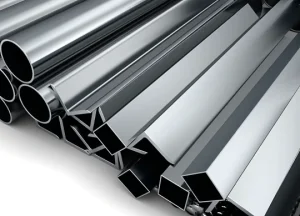
How Does CNC Machining Affect Anodizing and Its Benefits?
Machining Considerations and Benefits of Anodized Aluminum for CNC Parts
Optimizing anodized aluminum parts begins with careful machining planning. The anodic layer is hard yet brittle, making it susceptible to chipping or damage if mishandled. Understanding pre- and post-anodizing procedures ensures parts remain within tight tolerances and achieve the desired surface finish.
Aluminum Machining Before Anodizing
Perform all critical machining operations—cutting, drilling, milling—before anodizing. This prevents damage to the oxide layer, allows stricter dimensional control, and avoids costly rework. Since anodizing adds a thin layer (typically 5–25 microns), engineers must factor in this dimensional change when designing threads, slots, and tight-tolerance features.
Masking and Thread Protection
Critical surfaces, holes, and threads often require masking to prevent coating deposition. Using plugs, tapes, or wax helps preserve functional areas, ensuring reliable assembly and smooth operation after anodizing.
Post-Anodizing Machining Limitations
While minor adjustments can be performed after anodizing, machining post-anodized parts is challenging. The hard anodic layer accelerates tool wear and risks edge chipping, making it unsuitable for high-precision or cosmetic surfaces. For best results, machine first, then anodize, reserving only minor post-treatment corrections if necessary.
How Anodizing Enhances CNC Machined Parts
Anodizing significantly improves CNC aluminum components by:
- Enhancing Functionality: Creates surfaces resistant to friction, wear, and static electricity, ensuring reliability in automation and precision machinery.
- Boosting Efficiency: Reduces or eliminates the need for post-treatment coatings, streamlining production workflows.
- Elevating Appearance: Provides matte, satin, or glossy finishes with custom color options, adding premium value to consumer products, electronics, home appliances, and luxury goods.
By combining CNC machining with anodized aluminum, manufacturers achieve precise tolerances, durable surfaces, and visually appealing parts—making it an ideal choice for industries that demand both performance and aesthetics.
What Are the Cost and Time Considerations for Anodizing Aluminum?
Although anodizing can increase upfront production costs, it delivers substantial long-term savings by:
- Extending part lifespan, reducing the frequency of replacements and minimizing downtime.
- Lowering maintenance requirements, as the anodic layerprotects against corrosion, wear, and environmental damage.
- Enhancing overall product performance, improving durability, surface hardness, and visual appeal.
The process duration depends on part size, complexity, and the chosen anodizing type, but optimized workflows ensure timely production without compromising quality. Cost factors include batch volume, alloy type, and desired finish, yet the investment in anodized aluminum often yields a high return by cutting repair costs, minimizing material waste, and elevating product value.
What Are Common CNC Anodizing Challenges and How to Prevent Defects?
Even with precise control, anodizing CNC machined parts can present challenges that impact quality, appearance, and performance. Common issues include color variations caused by inconsistent alloy properties, surface defects from improper pre-treatment or machining marks, and alloy limitations, where certain aluminum grades fail to anodize uniformly. These problems can lead to streaking, uneven finishes, or reduced corrosion resistance.
To prevent defects, it is critical to implement thorough pre-treatment processes, including cleaning, degreasing, and etching, to remove oils, dirt, and oxidation. Controlling process parameters such as bath temperature, voltage, current density, and immersion time avoids burning or over-anodizing, which can cause dark spots or rough surfaces. Ensuring proper masking and sealing protects threads, holes, and functional surfaces, preventing peeling, flaking, or poor adhesion. Additionally, filtering the electrolyte bath and selecting high-quality alloys minimize surface pitting and contamination, maintaining uniform oxide layers and consistent dye absorption. By addressing these factors, engineers can reliably produce high-quality, durable, and visually appealing anodized aluminum parts for applications ranging from electronics and automotive components to architectural and industrial products.
Where Is Anodized Aluminum Used in Industrial and CNC Parts?
Applications of Anodized Aluminum
Anodized aluminum is widely used across industries because it combines lightweight strength, corrosion resistance, wear durability, and premium aesthetics. The anodic oxide layer does not significantly affect dimensions, yet it enhances surface hardness and protects components in harsh environments. As a result, engineers and product designers actively choose anodized CNC machined parts to improve performance, extend lifespan, and increase product value.
Table: Application Categories and Advantages of Anodized Aluminum
| Application Category | Typical Uses | Why Anodized Aluminum Is Ideal |
| Architecture & Construction | Curtain walls, window frames, handrails, facades | Exceptional weather resistance, UV stability, long-lasting appearance |
| Automotive & Transportation | Engine covers, trims, suspension parts, rail panels | Lightweight, corrosion-resistant, tight tolerances for moving parts |
| Aerospace & Aviation | Brackets, housings, fasteners, drone components | High strength-to-weight ratio, vibration resistance, durability |
| Electronics & Consumer Goods | Laptop frames, smartphone bodies, enclosures | Scratch resistance, heat dissipation, premium metallic finish |
| Industrial & Automation | Gears, connectors, machine frames, heat sinks | Wear resistance, dimensional stability, long service life |
| Household & Kitchenware | Cookware, handles, bathroom accessories | Non-reactive surface, easy cleaning, durable decorative finish |
| Medical & Specialized Equipment | Surgical tools, instrument housings | Biocompatibility, sterilization compatibility, corrosion resistance |
| Sports & Marine Equipment | Bikes, boats, gym equipment | Salt spray resistance, lightweight strength, environmental durability |
Industrial and Precision Applications
In aerospace and automotive industries, anodized aluminum parts withstand heat, vibration, and moisture while maintaining tight tolerances. In automation and machine building, precision components such as frames, supports, and housings rely on anodizing for wear resistance and dimensional stability. Meanwhile, consumer-facing industries leverage custom anodized aluminum finishes to elevate visual appeal and brand perception.
Because the anodic layer integrates with the base metal, it provides long-term corrosion protection without chipping or peeling like paint. This makes anodized CNC machined parts a cost-effective solution for high-performance, high-visibility products across global markets.
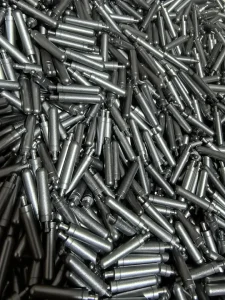
Why Use CNC Anodized Aluminum in Robotics?
Why Choose CNC Machined Anodized Aluminum for Robotics?
Modern robotics demands materials that deliver precision, strength, durability, and weight efficiency simultaneously. That is why custom CNC machined anodized aluminum parts have become the preferred solution across industrial robots, collaborative robots, drones, and automation systems.
First, lightweight yet strong aluminum significantly improves robotic mobility, speed, and battery life. Its high strength-to-weight ratio allows engineers to reduce overall system mass without compromising structural rigidity. As a result, robotic arms, frames, and motion assemblies operate more efficiently while maintaining stability.
Second, CNC machining ensures micron-level accuracy with tolerances as tight as ±0.002 ~ ±0.005 mm, guaranteeing seamless integration of gears, shafts, brackets, and precision motion components. In robotics, even minimal deviation can affect calibration and repeatability—therefore, dimensional consistency directly impacts performance.
Moreover, anodized aluminum enhances corrosion resistance, surface hardness, and wear durability. Robotic components often operate in demanding environments involving vibration, heat, humidity, or chemical exposure. The anodic oxide layer protects critical surfaces while maintaining dimensional stability. Additionally, aluminum’s natural thermal and electrical conductivity supports heat dissipation in motor housings, heat sinks, and electronic enclosures, improving system longevity.
Beyond functionality, custom anodized finishes allow color coding, surface texturing, and premium aesthetics—helping robotics brands differentiate their products in competitive markets.
Applications of CNC Machined Anodized Aluminum in Robotics
| Application Area | Typical Components | Performance Advantages |
| Robotic Arms & Frames | Structural arms, joints, support frames | Lightweight rigidity, stability, fatigue resistance |
| Precision Motion Systems | Gears, shafts, linear guides | Tight tolerances, wear resistance, smooth articulation |
| Heat Management & Electronics | Heat sinks, control housings | Thermal conductivity, corrosion protection |
| Mounting & Sensor Fixtures | Brackets, camera mounts, actuator supports | Dimensional accuracy, secure positioning |
| Drone & Aerospace Robotics | Airframes, structural housings | Weight reduction, structural integrity, improved flight efficiency |
Manufacturing Capabilities for Robotics Components
To meet diverse robotic design requirements, advanced processing options include:
Torneado CNC, CNC Milling, Laser Cutting, EDM, Wire Cutting, Bending, Stamping, Injection Molding, 3D Printing, Rapid Prototyping, and Mold Manufacturing.
Materials Available:
Aluminum (2000/6000/7075/5052 series), Stainless Steel (303/304/316/17-4PH), Carbon Steel (4140/1045/SCM440), Brass & Copper alloys, Titanium (Grade F1–F5), Engineering Plastics (POM, Nylon, PC, PMMA, ABS, PTFE, PEEK).
Surface Treatments:
Anodized, bead blasting, PVD plating, zinc/nickel/chrome plating, brushing, powder coating, passivation, electrophoresis, electro-polishing, laser engraving.
Surface Roughness: Ra 0.1–3.2
Certifications: ISO9001, AS9100D, ISO13485, IATF16949, ISO14001, CE, RoHS
By integrating CNC machining with anodized aluminum, robotics manufacturers achieve lighter systems, tighter tolerances, improved durability, and enhanced product value. Investing in high-precision CNC machined anodized aluminum parts directly improves robotic efficiency, lifespan, and market competitiveness.
Our CNC Machining and Anodizing Capabilities for Robotics Parts
Advanced CNC Machining Process for High-Precision Aluminum Parts
A reliable CNC machining process ensures accuracy, efficiency, and repeatability—especially for high-performance industries such as robotics, automation, aerospace, and industrial equipment. By leveraging advanced equipment and optimized workflows, manufacturers can deliver precision CNC machined aluminum parts that meet strict engineering standards.
Key capabilities include:
- Multi-axis CNC milling and turningfor complex geometries and intricate component designs
- High-speed machiningto improve production efficiency and reduce lead times
- Tight tolerances up to ±0.01 mm, ensuring perfect fit and assembly
- Custom drilling, tapping, and threadingfor functional integration
- Professional surface finishing, including deburring, polishing, and bead blasting for improved surface quality
By combining speed with precision, CNC machining enhances structural integrity while maintaining dimensional stability—critical for components that demand flawless performance.
Professional Anodizing Process for Durable Aluminum Components
To further improve performance and longevity, the anodizing process strengthens aluminum surfaces and enhances visual appeal. This electrochemical treatment forms a durable oxide layer that resists corrosion, wear, and environmental damage.
Available anodizing options include:
- Type II Anodizing– Enhances corrosion resistance while offering a wide range of color options for branding and differentiation
- Type III Hard Anodizing– Significantly increases surface hardness and wear resistance, making it ideal for high-load and high-friction robotics components
- Custom Anodized Colors– Black, red, blue, gold, and other shades for both functional identification and premium aesthetics
By integrating CNC machining and anodized aluminum finishing, manufacturers achieve components that are not only dimensionally precise but also durable, visually refined, and market-ready.
How to Choose the Right Anodizing Service Provider?
Choosing the right partner directly affects product quality and delivery stability. When sourcing CNC machined aluminum parts and anodized aluminum components, focus on three critical factors:
- Experience
An experienced manufacturer understands complex geometries, tight tolerances, and industry standards. Proven expertise reduces production risks and shortens lead times. - Capabilities
Advanced equipment for CNC milled partsand CNC turned partsensures consistent precision and scalable production. Multi-axis machining and integrated finishing improve efficiency from prototype to mass production. - Quality Assurance
Strict inspection systems—including FAIR reports, dimensional checks, thickness testing, and adhesion testing—guarantee that every anodized aluminum partmeets required specifications.
By working with a qualified CNC machining and anodizing provider, you secure stable quality, reliable delivery, and long-term product performance.
Why welleshaft Is Your Best Choice for Anodized CNC Machined Parts?
With advanced facilities in China, welleshaft delivers high-precision CNC machined and custom anodized aluminum parts for automotive, automation, aerospace, and industrial applications. Our flexible CNC solutions handle complex geometries and tight tolerances, while anodizing forms a durable, corrosion-resistant oxide layer. We offer Type I (chromic acid), Type II (decorative/corrosion-resistant), and Type III hard anodizing for heavy-duty use. With precise coating control, we enhance wear resistance, corrosion protection, electrical insulation, and thermal stability. Certified ISO9001, ISO14001, ISO45001, and IATF16949, our factory uses automated systems and lab monitoring to ensure consistent quality and on-time delivery, helping clients maximize durability, functionality, and visual appeal.
FAQ
Is anodized aluminum good for engineering use?
Yes. Compared with raw aluminum, anodized aluminum can be up to 3× harder and 5–20× more corrosion resistant. It offers long-term durability, stable color, and strong wear resistance, making it ideal for industrial, architectural, electronics, and consumer applications.
Type II vs. Type III anodizing – which is better?
- Type II anodizing (5–25 μm): Best for decorative finishes, corrosion protection, and color options.
- Type III hard anodizing (25–50 μm): Ideal for heavy-duty, high-wear, and industrial components requiring enhanced hardness (up to ~500 HV).
Does anodized aluminum rust?
No. Aluminum contains no iron, so it does not rust. Instead, the anodized oxide layer provides long-term protection against moisture, salt spray, and outdoor exposure.
How long does anodized aluminum last?
Properly sealed anodized aluminum components can last 20–50 years outdoors. Type III coatings provide even greater durability in abrasive or marine environments.
Can anodized aluminum be used outdoors?
Absolutely. Its UV stability and weather resistance make it one of the most durable outdoor metal finishes available.
This blog was provided by the Welleshaft Engineering Team, led by Mr. Xu, with over 10+ years of experience in CNC machining and custom anodized aluminum solutions. Welleshaft specializes in high-precision, non-standard components for robotics, automotive, aerospace, and industrial applications.

 Español de Colombia
  English
  Português do Brasil
  Deutsch (Österreich)
  Deutsch (Schweiz)
  English (UK)
  English (Australia)
  English (New Zealand)
  Deutsch
  Français du Canada
  Français
  Français de Belgique
  Italiano
  English (South Africa)
  Português
  Español
  Español de México
  Español de Perú
  العربية
  日本語
日本語  Русский
  한국어
한국어  Tiếng Việt
  ไทย
ไทย