
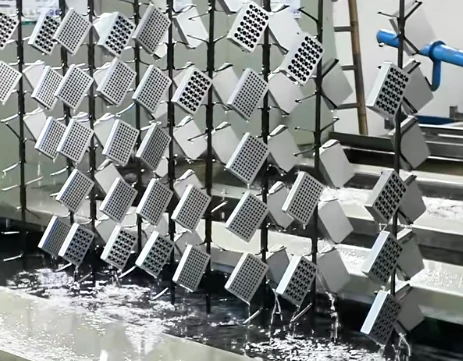
What Is Anodizing for CNC Machined Parts?
Anodizing is an electrochemical treatment that strengthens the naturally occurring oxide layer on aluminum surfaces. This process is particularly beneficial for CNC machined parts, including CNC Milled parts and CNC Turned parts, because it delivers:
- Enhanced Longevity:Improves resistance to wear, corrosion, and environmental stress.
- Visual Appeal:Enables a variety of customizable finishes and vibrant color options.
- Increased Surface Hardness:Protects against scratches, dents, and mechanical damage.
For manufacturers in the automotive, industrial machinery, and automation sectors, anodizing provides a harmonious balance between functional performance and aesthetic quality. In challenging conditions—such as high humidity, chemical exposure, or extreme wear—anodized components maintain their integrity and extend product lifespan. For example, anodized automotive parts can endure the daily operational demands while preserving their appearance.
Moreover, anodizing represents a sustainable surface treatment solution. Unlike traditional painting or plating methods, it avoids harmful chemicals and heavy metals, enhancing the metal’s properties without introducing additional materials, aligning with eco-friendly manufacturing practices.
Understanding Anodized Aluminum and Its Industrial Significance
Anodized aluminum forms a hard, protective oxide layer (Al₂O₃) directly on the metal surface rather than applying a separate coating. This layer:
- Improves corrosion and wear resistance
- Increases surface hardnessfor enhanced durability
- Can be dyed or sealed for color coding and extra protection
Typical thickness ranges:
- Standard (Type II) anodizing: 5–25 µm
- Hard anodizing (Type III): 25–100 µm
Design considerations are essential, especially for precise threads, close fits, and tight tolerances, as thicker anodized layers may affect dimensions.
Role of the Anodizer
Anodizing requires careful control over process parameters such as current, temperature, and electrolyte composition. The choice of aluminum alloy is critical—high magnesium or silicon content may cause inconsistent finishes. Proper sealing ensures uniform corrosion resistance, consistent coloration, and a smooth surface finish, maximizing part longevity.
Anodic Layer Properties
The anodic layer boosts surface hardness, typically ranging from 200 to 600 HV, depending on the process type and thickness. It provides electrical insulation and can be dyed for aesthetic or functional purposes. Overly thick or uneven layers can affect part tolerances or form burrs on edges, so precise process control is crucial.
Does Anodized Aluminum Rust?
No—since aluminum contains no iron (Fe), it does not rust like steel. The anodized layer safeguards the metal against oxidation, abrasion, and chemical attack. However, if the anodized surface is damaged or improperly sealed, especially in chloride-rich or harsh environments, localized corrosion may occur.
How Anodizing Enhances Aluminum Performance
During anodizing, aluminum serves as the anode in an acidic electrolyte bath. Electric current facilitates the formation of a dense aluminum oxide layer, which is:
- Harder:Up to three times harder than the base aluminum
- Scratch-Resistant:Protects against everyday wear
- Corrosion-Resistant:Suitable for harsh environments
- Porous:Can absorb dyes or sealing treatments for added functionality
Unlike the thin natural oxide film that forms on untreated aluminum, an anodized layer is thicker, more uniform, and resistant to chipping or peeling. This makes anodized aluminum ideal for applications such as architectural components, electronic enclosures, consumer products, and CNC machined parts where long-term durability and surface quality are critical.
Why Should Aluminum Be Anodized?
Anodizing aluminum significantly enhances durability, corrosion resistance, and surface aesthetics by creating a controlled, thick oxide layer. This engineered coating not only improves wear resistance and electrical insulation, but also ensures reliable long-term performance in outdoor and industrial applications.
Corrosion Resistance
The anodic layer increases from the natural ~0.01 μm to 5–25 μm for Type II anodizing or 25–50 μm for Type III hard anodizing. This dense, protective film shields aluminum from harsh conditions such as saltwater, humidity, acid rain, and other environmental stresses, offering far superior protection compared to untreated aluminum.
Wear Resistance
Anodized aluminum achieves hardness of 300–500 HV—up to three times stronger than bare aluminum. This makes it ideal for high-friction applications including bike components, sliding mechanisms, mechanical handles, and electronic device housings.
Electrical Insulation
The non-conductive anodic coating provides stable dielectric properties, making it suitable for electronics enclosures, heat sinks, EV components, and aerospace parts where electrical isolation is essential.
Enhanced Surface Appearance
The porous structure of anodized aluminum readily absorbs dyes, creating vibrant, long-lasting colors such as black, gold, red, blue, or custom shades. Unlike paint or powder coating, anodized finishes do not peel or chip, making them ideal for premium consumer products.
Environmental Durability
Anodized surfaces resist UV radiation, rain, sand, temperature fluctuations, and chemical exposure. This exceptional environmental durability is why anodized aluminum is widely used in architectural frames, façade panels, marine equipment, and other outdoor applications.
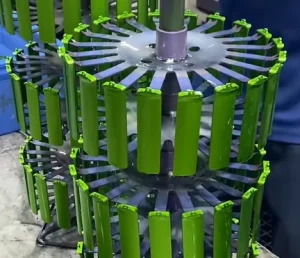
What Is the Science Behind Aluminum Anodizing?
Understanding the scientific principles of anodizing aluminum is essential for achieving consistent and high-quality results in CNC machined parts. The anodizing process typically involves three main stages:
- Surface Preparation:Aluminum parts are meticulously cleaned and etched to remove contaminants, ensuring the metal is ready for uniform oxidation.
- Electrochemical Oxidation:The parts are immersed in an acidic electrolyte bath—most commonly sulfuric acid—where an electric current promotes the formation of a controlled anodic oxide layer. This engineered layer is significantly thicker and more durable than the thin natural oxide film that forms when aluminum is exposed to air.
- Sealing:The porous anodic layer is sealed to lock in corrosion resistance, wear protection, and color stability. Proper sealing ensures long-term durability and prevents staining or discoloration under environmental exposure.
Unlike coatings that merely sit atop the surface, the anodic oxide layer grows directly from the aluminum substrate, integrating fully with the metal to provide a uniform, long-lasting finish that enhances both functionality and appearance.
Industrial Benefits of Anodized Aluminum
The advantages of anodized aluminum vary across industries, making it a versatile choice for CNC Milled parts and CNC Turned parts:
| Industry | Key Advantages | Example Components |
| Automotive | Corrosion resistance, enhanced aesthetics | Engine brackets, housings |
| Machine Building | Superior durability and wear protection | Frames, structural supports |
| Automation | Lightweight, electrical insulation, surface robustness | Gears, housings, connectors |
Why Sealing Is Critical
Sealing is a crucial final step in the anodizing process. It closes the microscopic pores in the anodic oxide layer, reinforcing its resistance to environmental factors such as moisture, chemicals, and UV exposure. Without proper sealing, anodized surfaces may experience premature discoloration, staining, or reduced corrosion protection, undermining both performance and appearance.
By understanding the science behind anodizing aluminum, manufacturers in automotive, machine building, and automation sectors can optimize surface properties, ensure longevity, and maintain the aesthetic quality of their CNC machined components.
How Does Aluminum Anodizing Work?
Anodized aluminum is created through a controlled electrochemical process that thickens and strengthens the natural oxide layer on aluminum surfaces. This method uses electricity, electrolytes, and precise process parameters to form a durable barrier layer along with a porous layer suitable for coloring, sealing, and other functional treatments.
Overview of the Electrochemical Process
The aluminum part is first thoroughly cleaned and immersed in an acid-based electrolyte, most commonly sulfuric acid. When an electric current is applied, the aluminum serves as the anode, releasing electrons while oxygen ions bond with aluminum atoms to produce a uniform aluminum oxide layer.
Oxide Layer Formation Mechanism
- Barrier Layer:
The initial layer is dense and non-porous, providing foundational corrosion resistanceand a strong base for the anodic coating. - Porous Layer:
Continued anodizing creates microscopic vertical pores, which are ideal for dye uptake, sealing treatments, and additional functional coatings. The final layer thicknessis influenced by bath temperature, current density, and anodizing duration.
By carefully controlling these parameters, anodized aluminum parts achieve both structural durability and aesthetic versatility, making them suitable for industrial, consumer, and architectural applications.
Why Does Anodizing Work on Aluminum Alloys?
Aluminum is valued for its lightweight, naturally shiny surface, and excellent machinability, making it an ideal candidate for anodizing. Here’s why aluminum alloys respond so effectively to this surface treatment.
Aluminum Reactivity and Controlled Oxide Formation
Aluminum naturally forms a protective oxide layer. Anodizing accelerates this process through an electrolytic bath, allowing precise control over the coating’s thickness by adjusting current, voltage, bath temperature, and immersion duration. Decorative anodized finishes typically range from 5 to 25 microns, while hard anodizing can achieve up to 70 microns for enhanced durability.
Strong Adhesion of the Oxide Layer
The anodic layer is not simply a surface coating—it penetrates slightly into the aluminum substrate, creating a robust bond that resists peeling, chipping, and wear during handling or assembly. This is particularly important for parts with threads, press fits, or sliding components, ensuring post-processing operations do not compromise coating integrity.
Impact of Alloy Composition on Anodizing Performance
Different aluminum alloys respond uniquely to anodizing. For example, magnesium enhances hardness and wear resistance, silicon may reduce surface uniformity, and copper can slow oxide growth. Understanding the alloy composition is crucial for achieving consistent, durable coatings and minimizing material scrap during production.
Porous Oxide Structure and Functional Finishes
The anodic layer has a naturally porous structure, which makes it ideal for dyeing or sealing. Pore size affects color uniformity, corrosion resistance, and overall coating performance. This structure allows anodized aluminum parts to maintain mechanical strength, dimensional accuracy, and long-term reliability, making it suitable for both decorative and functional precision components.
What Aluminum Alloys Can Be Anodized?
Not every aluminum alloy behaves the same during anodizing. The alloy’s chemical composition—such as magnesium, silicon, zinc, or copper content—affects the quality of the oxide layer, its color consistency, and overall corrosion resistance. Knowing which alloys anodize effectively helps manufacturers achieve uniform and durable finishes for engineering and industrial applications.
5xxx Series — Ideal for Corrosion-Resistant Environments
Alloys in the 5xxx series primarily contain magnesium, which provides excellent natural corrosion resistance, especially in marine conditions. Grades such as 5052 and 5083 typically anodize very well, forming a clear and durable oxide layer. These materials are commonly used for outdoor structures, marine components, and industrial panels where durability and environmental resistance are more important than decorative color finishes.
6xxx Series — The Most Widely Used for Anodizing
The 6xxx series, particularly 6061 and 6063 aluminum, combines magnesium and silicon to deliver excellent machinability, structural strength, and anodizing compatibility. These alloys produce a stable and uniform oxide coating, making them highly suitable for architectural profiles, consumer products, extrusion components, and CNC-machined parts.
Another advantage of this alloy family is its reliable and predictable color results during anodizing.
7xxx Series — High Strength but Requires Process Control
Alloys in the 7xxx series, such as 7075, are zinc-based and known for their high strength. They can be anodized successfully, but the process requires careful control to avoid uneven coloration. While hard anodizing is possible, decorative finishes may vary due to the higher zinc and copper content. These alloys are commonly used in aerospace structures and high-performance engineering where mechanical strength and fatigue resistance are more critical than visual appearance.
Alloys That Are Less Suitable for Anodizing
Some aluminum grades do not anodize as cleanly because of higher copper or silicon content, which can cause discoloration or uneven coatings:
- 2xxx series (copper-rich alloys)– often produce darker or patchy anodized finishes
- 4xxx series (high silicon content)– may appear gray or uneven after anodizing
- Certain 7xxx alloys with higher copper levels– color consistency may be difficult to achieve
- Cast aluminum alloys (A380, ADC12)– higher impurity levels may result in weaker coating adhesion
Although these materials can still undergo anodizing, the final surface appearance is often inconsistent, making them less suitable for decorative applications.
Recommended Alloy Choice
For most manufacturing scenarios, the 6xxx series, particularly 6061 and 6063, is the preferred option. These alloys deliver stable anodized coatings, excellent color uniformity, and strong compatibility with CNC machining, architectural components, electronics housings, motorsport parts, and various consumer products.
Which Aluminum Materials Are Commonly Used for Anodizing?
The following are widely used aluminum alloys that perform well under anodizing treatments.
6061 Anodized Aluminum
The 6061 alloy contains magnesium and silicon, which enhances both machinability and anodizing performance. It forms a consistent oxide layer with moderate hardness and excellent corrosion resistance. This makes it a preferred choice for structural components, frames, and other high-precision aluminum parts where dimensional stability and uniform finishes are critical.
7075 Anodized Aluminum
7075 is a zinc-rich aluminum alloy known for its high strength. When anodized, it develops a durable oxide layer, but careful process control is necessary to avoid burning or uneven coatings. This alloy is ideal for high-stress applications, including aerospace fittings and gears, where strength and wear resistance are paramount.
5052 Anodized Aluminum Sheet
5052 aluminum contains a high percentage of magnesium, giving it superior corrosion resistance, especially in marine or humid environments. While it is not as hard as 6061 or 7075, it anodizes evenly and absorbs dyes exceptionally well. It is commonly used for sheet metal, panels, and parts exposed to challenging environmental conditions.
Cast vs. Wrought Aluminum Alloys
Cast aluminum is produced in molds, which can lead to variable microstructures and uneven anodized surfaces. In contrast, wrought aluminum is mechanically worked, offering uniform structure and predictable anodizing results. Precision anodized aluminum parts are typically made from wrought alloys, whereas less critical components may be cast.
What Does a Material-Coating Compatibility Chart Show for Anodizing?
| Substrate | Recommended Anodizing Type | Performance Benefits | Industrial Validation |
| Aluminum 6061-T6 | Type III Hard Anodizing | Increases abrasion resistance by up to 500% | Demonstrated 10,000+ hours lifecycle on aerospace landing gear |
| Aluminum 7075 | Type I Chromic Acid Anodizing | Reduces fatigue effects for high-stress applications | FAA-certified for aerospace structural components |
| Aluminum ADC12 (A380) | Type II Sulfuric Acid Anodizing | Improves corrosion resistance and provides consistent decorative finish | Passed 1,500-hour salt spray test for automotive housings |
| Aluminum 2024 | Type II Anodizing with Dye & Seal | Offers enhanced decorative aesthetics and long-term corrosion protection | ISO 2135 Grade 8+ compliance after 5-year outdoor exposure |
| Aluminum 5052 | Type II Sulfuric Acid Anodizing | Excellent formability while maintaining corrosion protection | Marine-grade validation: 2,000-hour salt spray endurance |
What Types of Anodizing Are Used for CNC Machined Parts?
Selecting the appropriate anodizing method is essential for ensuring that CNC machined parts meet performance, durability, and aesthetic requirements. There are three primary types of anodizing, each tailored to different applications:
Type I – Chromic Acid Anodizing
Overview: Type I anodizing uses chromic acid to produce a very thin oxide layer, typically around 2–5 µm.
Benefits:
- Minimal dimensional changes, ideal for precision CNC components
- Good corrosion resistance
- Preserves fatigue strength of thin or delicate parts
Limitations:
- Limited color options due to low dye absorption
- Lower wear resistance compared to thicker coating
Typical Applications: Aerospace fittings, connectors, and components requiring tight tolerances or fatigue resistance.
Type II – Sulfuric Acid Anodizing
Overview: The most widely used anodizing process, Type II employs sulfuric acid to create a moderately thick, porous oxide layer (5–30 µm).
Benefits:
- Strong corrosion resistance suitable for general industrial use
- Excellent aesthetic versatility—supports clear, dyed, and black finishes
- Balanced hardness for moderate wear protection
Limitations:
- Not as wear-resistant as Type III for high-friction parts
Typical Applications: Automotive brackets, architectural components, consumer products, and CNC Milled and CNC Turned parts where appearance and durability are both important.
Type III – Hard Anodizing (Hard Coat)
Overview: Also known as hard anodizing, Type III produces a thick, dense, and extremely hard oxide layer, usually exceeding 25 µm and up to 100 µm. This is achieved using low-temperature, high-current sulfuric acid baths.
Benefits:
- Exceptional wear resistance, comparable to tool steel
- High corrosion protection for harsh environments
- Suitable for load-bearing or sliding parts
Limitations:
- Increased processing complexity
- Requires precise dimensional allowances due to thicker layers
Typical Applications: Industrial machinery components, gears, high-wear automation parts, and demanding automotive or military applications.
Additional Anodizing Variants
- Boric–Sulfuric Acid Anodizing:Environmentally safer alternative to Type I, ideal for aerospace and high-precision parts.
- Phosphoric Acid Anodizing:Enhances adhesive bonding on aluminum surfaces.
- Type IIb Thin-Film:Ultra-thin anodic coatings for electronics or parts with tight dimensional constraints.
- Black/Color Anodizing:Dye-infused pores for decorative or functional identification.
- Coil Anodizing:Continuous anodizing of aluminum coils for large-scale industrial or architectural applications.
Technical Comparison at a Glance
| Property | Type I – Chromic Acid | Type II – Sulfuric Acid | Type III – Hard Anodizing |
| Typical Thickness | 2–5 µm | 5–30 µm | 25–100 µm |
| Hardness | 30–50 HV | 150–200 HV | 300–400 HV |
| Corrosion Resistance | Moderate | Good | Excellent |
| Dimensional Change | Minimal | Minor | Moderate |
| Dye Absorption | Limited | High | Low |
| Ideal Use | Thin aerospace parts | Decorative/structural CNC parts | High-wear industrial/machinery parts |
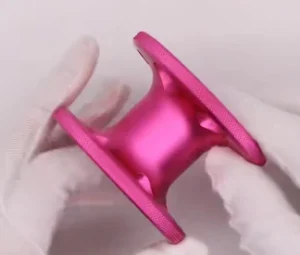
What Is Anodizing Technology in Surface Engineering?
Scientific Principles and Industrial Standards
Anodizing is an electrolytic oxidation technique carried out in acidic solutions—commonly sulfuric, chromic, or phosphoric acid—that forms a controlled aluminum oxide film on the surface. This coating provides advanced corrosion protection and can be engineered with precise thicknesses: typically 5–30 µm for Type II (decorative) anodizing and 30–100 µm for Type III (hard anodizing) used in high-wear applications.
Applicable Standards for Anodized Aluminum
To ensure consistency, durability, and performance, anodizing processes adhere to international and military standards, including:
- MIL-A-8625– Covers anodic coatings for aluminum and aluminum alloys in aerospace and defense applications.
- ISO 7599– Defines general specifications for both decorative and protective anodizing.
- ASTM B580– Establishes standard requirements for anodic oxide coatings on aluminum.
By following these principles and standards, anodized aluminum surfaces achieve enhanced corrosion resistance, improved wear durability, and reliable performance across both decorative and functional components.
What Is the Step-by-Step Aluminum Anodizing Process?
Aluminum Machining and Surface Preparation
Before starting the anodizing process, aluminum components must be machined to their precise final dimensions. This is crucial because the anodic oxide layer adds thickness that cannot be easily removed without affecting the finish. Parts with tight tolerances, threads, or thin walls require special attention during machining. Proper clamping and fixturing ensure the part remains stable without bending or warping. Additionally, controlling cutting speeds and feeds directly affects surface smoothness, providing an optimal base for the subsequent oxide layer formation.
Cleaning, Etching, and Polishing Aluminum Surfaces
A meticulously clean surface is essential for consistent anodizing results. Residual oils, dust, or cutting fluids can create defects in the oxide layer. Light etching of the aluminum surface introduces microscopic texture, promoting uniform oxide growth. Polishing removes scratches and tool marks, which not only enhances surface aesthetics but also contributes to better sealing and more consistent coating thickness.
Electrochemical Anodizing in Acid Solution
Once cleaned, the aluminum part is immersed in a sulfuric acid solution and connected as the anode in an electric circuit. When a regulated current is applied, the aluminum reacts with oxygen to form a porous oxide layer. The properties of this coating—thickness, hardness, and pore structure—are influenced by the acid bath temperature, current density, immersion time, and the specific aluminum alloy used. Improper control can result in burned edges, weak spots, or uneven coverage.
Coloring and Sealing Aluminum Parts
For components requiring color, dyes penetrate the porous anodic layer before sealing. Sealing closes the pores and enhances corrosion resistance, wear protection, and hardness. Standard parts are typically sealed with hot water, while components exposed to extreme heat, moisture, or mechanical stress may undergo chemical sealing for superior durability.
Final Inspection and Quality Assurance
The concluding step involves comprehensive quality control. Inspectors measure layer thickness, verify hardness, and examine surface uniformity. Threads and dimensional tolerances are carefully checked to ensure precise fitment. For high-performance applications, adhesion, wear resistance, and corrosion protection are assessed to guarantee reliable function in demanding environments.
What Are the Key Steps in the Anodizing Process?
The anodizing process converts raw aluminum into a durable, corrosion-resistant, and wear-resistant surface. It consists of four primary stages—pretreatment, electrolytic oxidation, coloring, and sealing—each playing a vital role in determining the final performance, longevity, and aesthetic of anodized aluminum parts.
Pretreatment
Proper surface preparation is essential to achieve a uniform anodized layer.
- Chemical Cleaning:Eliminates oils, dirt, and machining residues to provide a clean aluminum surface.
- Degreasing & Etching:Removes residual oils and lightly dissolves surface imperfections, creating a consistent matte texture.
- Mechanical Polishing / Brushing:Adjusts surface gloss or produces decorative brushed finishes according to product requirements.
Electrolytic Oxidation
This stage forms the anodized layer through a controlled electrochemical reaction.
- Current, Voltage, and Electrolyte Bath:Aluminum acts as the anode in a sulfuric acid solution. Electric current generates oxygen ions, bonding with aluminum atoms to produce a protective aluminum oxide layer.
- Barrier Oxide Film:A dense, non-porous layer develops first, providing hardness and adhesion.
- Porous Oxide Film:Continued oxidation generates microscopic pores, which enable dyeing, coloring, or enhanced lubrication.
Coloring Options
Anodized aluminum can achieve various visual effects through pore absorption or electrolytic deposition:
- Electrolytic Coloring:Deposits metal salts into pores for bronze, black, or darker shades.
- Dip Coloring:Uses organic dyes to penetrate pores for vivid colors like red, blue, or gold.
- Integral Coloring:Colors form during anodizing, offering excellent fade resistance.
- Interference Coloring:Creates iridescent, multi-tone effects via controlled pore dimensions.
- Clear & Bright Dip Anodizing:Produces natural silver finishes or high-gloss reflective surfaces.
Sealing
Sealing locks the porous structure, improving corrosion and wear resistance.
- Hot Water Sealing:Hydrates the aluminum oxide to naturally close pores.
- Nickel Acetate Sealing:Offers enhanced corrosion protection, ideal for outdoor or industrial applications.
- Advantages:Sealing prevents color fading, blocks contaminants, and significantly extends the lifespan of anodized aluminum parts.
How Does Anodizing Improve CNC Machined Parts?
Anodizing aluminum significantly improves the performance, durability, and visual quality of CNC machined parts. By integrating this electrochemical surface treatment, manufacturers can achieve multiple benefits:
- Enhanced Functionality:Anodizing forms a hard, wear-resistant surface that reduces friction and extends component life.
- Improved Operational Efficiency:In certain applications, anodizing can replace additional coatings or treatments, streamlining production processes.
- Superior Aesthetic Appeal:Offers a range of finishes—matte, satin, or glossy—along with customizable colors, boosting the perceived quality of finished products.
For both CNC Milled parts and CNC Turned parts, anodizing plays a crucial role in demanding industrial environments. Automation and mechanical components, for example, require precise tolerances and reliable, stable performance. An anodized layer provides electrical insulation, resists static buildup, and enhances the safety and efficiency of automated systems.
Beyond technical advantages, the visual finish of anodized aluminum is a major selling point. Consumer-facing industries, such as electronics, home appliances, and high-end goods, benefit from the sleek, professional appearance that anodized parts offer. The combination of durability and aesthetics makes anodizing an essential step in the production of high-quality CNC machined components.
What Features Do Welleshaft Anodized Aluminum Parts Offer?
Versatile Material Selection
As a premier anodized aluminum parts supplier in China, Welleshaft works with a wide range of aluminum alloys to meet diverse application needs. Commonly used alloys include ACD12, A380, ZLD104, 6061, 6082, 6063, and 075, each offering unique advantages depending on strength, machinability, and corrosion resistance. Among these, 6061 and 6082 are preferred for their excellent anodizing performance. Our technical team provides guidance to select the optimal alloy for your specific requirements.
Premium Anodizing Types
Welleshaft leverages advanced laboratory-controlled processes and high-quality acids to deliver superior anodized finishes. We offer Type I, II, III, as well as specialty anodizing for demanding applications, including aerospace and high-wear industrial parts. Our engineers assist in choosing the right anodizing type to balance surface hardness, corrosion resistance, aesthetic finish, and cost efficiency.
Custom Color Options
Our facility can apply custom anodized colors on your aluminum parts to enhance visual appeal and brand identity. Colors are sealed using industry-standard techniques to ensure long-lasting durability, resistance to fading, and scratch protection.
Advanced CNC Machining Capabilities
Welleshaft combines anodizing expertise with comprehensive CNC machining services. Using 4-axis and 5-axis CNC milling and turning equipment, we can produce highly complex designs with tight tolerances. Our integrated workflow ensures precise, ready-to-assemble parts for automotive, industrial, and consumer applications.
High Production Capacity
With a state-of-the-art factory and experienced engineering team, Welleshaft manufactures over 5 million anodized aluminum parts annually, consistently delivering high-quality, durable, and aesthetically appealing components to clients worldwide.
What Finishes and Colors Are Available for Anodized Aluminum?
Welleshaft provides a wide range of finishes and vibrant colors for CNC anodized aluminum parts, combining functional protection with aesthetic appeal.
Standard and Clear Finishes
Natural / Clear Anodized Aluminum: Offers a transparent protective layer that preserves the metallic appearance of aluminum while strengthening the surface. This finish protects parts without affecting dimensions or tolerances, making it ideal for precision CNC components.
Dark and Decorative Finishes
Black Anodized Aluminum: Produces a uniform dark coating, enhancing corrosion resistance and shielding parts from UV exposure. Commonly used for electronic housings, panels, and architectural elements requiring both durability and sleek design.
Dark Shades (Bronze, Charcoal, Pewter): Achieved through mixed dyes to deliver deeper, premium finishes. These colors are corrosion-resistant and suitable for visible structural or decorative parts in industrial and consumer applications.
Vibrant and Custom Colors
Standard vibrant colors include: Gold, Red, Blue, Orange, Umber, Champagne, and more.
Custom Anodized Colors: Tailored shades can be created to match branding, functional labeling, or design requirements. These colors penetrate the oxide layer, ensuring long-lasting wear resistance and color stability.
Anodized vs Painted Surfaces
Unlike paint, anodized colors are integral to the aluminum surface and will not peel or chip. They retain their finish under heavy use and provide superior corrosion protection, though prolonged UV exposure may slightly affect organic dyes. Anodizing ensures a durable, high-quality surface that maintains both performance and appearance over time.
What Are the Industrial Applications of Anodized Aluminum Parts?
Anodized aluminum components are widely adopted across industries for their combination of lightweight strength, durability, and corrosion resistance. These properties make them particularly suitable for CNC machined parts, including both CNC Milled parts and CNC Turned parts. Key applications include:
Automotive Industry
Anodized aluminum is used extensively in vehicles for components such as engine covers, brackets, trims, pistons, gearbox housings, and suspension parts. The hard, wear-resistant surface ensures smooth operation, tight tolerances, and excellent resistance to friction, heat, and corrosion. This makes it ideal for both moving components and aesthetic trim elements.
Machine Building and Automation
In industrial machinery, anodized aluminum parts serve as structural frames, housings, gears, connectors, and precision supports. The enhanced surface hardness provided by anodizing improves wear resistance and ensures reliable, long-lasting performance even in high-stress, high-precision environments.
Aerospace and Aviation
The aerospace sector relies on anodized aluminum parts for lightweight brackets, fasteners, housings, and structural components. Type III hard anodizing is commonly applied to achieve maximum abrasion resistance while maintaining minimal weight. The anodized layer also protects against vibration, moisture, and temperature fluctuations, ensuring precise assembly and long-term durability.
Architectural and Construction Applications
Anodized aluminum panels, window frames, curtain walls, handrails, and facades are widely used in construction due to their weather resistance, long-lasting appearance, and color stability. The coating maintains its integrity under exposure to moisture, rain, and UV light, making installation easier while reducing maintenance requirements.
Electronics and Consumer Goods
Anodized aluminum parts enhance the visual appeal and durability of consumer electronics, including laptop frames, smartphone cases, audio equipment, and industrial enclosures. The scratch-resistant surface protects devices during everyday use and allows for vibrant, customizable finishes.
Household and Kitchenware
Cookware, utensils, and decorative hardware benefit from anodized aluminum for its smooth, non-reactive, and durable finish. Even under repeated use, anodized products retain their metallic appearance without additional coatings or extra weight.
Sports, Marine, and Industrial Equipment
Bicycles, boats, gym equipment, and factory machinery all utilize anodized aluminum components. The anodic layer provides high wear resistance, dimensional stability, and protection in harsh environments, ensuring safety, longevity, and consistent performance.
Summary Table: Applications and Advantages
| Application Area | Typical Uses | Why Anodized Aluminum Excels |
| Automotive | Engine covers, trims, brackets, pistons | Lightweight, corrosion-resistant, durable |
| Aerospace | Brackets, housings, fasteners | High strength-to-weight, wear-resistant |
| Machine Building/Automation | Frames, gears, connectors | Precision, wear protection, long service life |
| Architecture & Construction | Panels, facades, window frames, handrails | Weatherproof, color-stable, low maintenance |
| Electronics & Consumer Goods | Laptop frames, smartphone bodies, enclosures | Scratch-resistant, aesthetic, customizable colors |
| Household & Kitchenware | Pans, utensils, decorative hardware | Non-reactive, durable, easy to clean |
| Sports & Marine Equipment | Bikes, boats, gym equipment | Wear-resistant, lightweight, dimensionally stable |
In summary, anodized aluminum provides a versatile solution for industries ranging from automotive and aerospace to consumer products and architecture. Its combination of mechanical strength, corrosion resistance, and premium appearance makes it an essential choice for high-performance CNC machined parts.
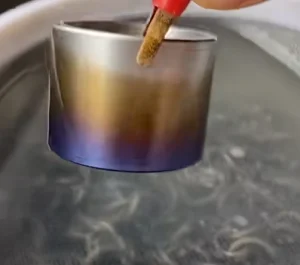
What Functions and Application Cases Does the Anodizing Process Provide?
| Performance Dimension | Technical Specifications | Typical Applications |
| Corrosion Resistance | Salt spray endurance: 1,500–3,000 hours (ASTM B117); effective in pH 3–9 environments | Marine fittings, automotive housings, aerospace structural brackets |
| Mechanical Durability | Surface hardness: HV 200–600 (Type III hard anodizing); abrasion loss: <0.3 mm³/Nm (ASTM G65) | Hydraulic valve bodies, precision sliding bearings, motorcycle suspension components |
| Electrical Insulation | Breakdown voltage: 800–1,500 V (for 20 µm film); resistivity: 10¹⁴–10¹⁶ Ω·cm | Electrical enclosures, semiconductor equipment parts, high-voltage connectors |
| Functional Aesthetics | Colorfastness ≥8 (ISO 2135); uniform color range achieved with organic dyes | Consumer electronics casings, luxury automotive trim, architectural hardware |
What Robotics Applications Use Custom CNC Machined Anodized Aluminum Parts?
Robotic Arms and Structural Frames
The lightweight yet strong nature of anodized aluminum makes it ideal for robotic arms and supporting frames. Using CNC machining, these components maintain high rigidity and stability while reducing the overall system weight, improving efficiency and mobility in robotic assemblies.
High-Precision Gears and Motion Components
CNC machined aluminum parts enable micron-level precision for gears, shafts, and linear motion elements, which are critical for accurate robotic movement and articulation. Anodized surfaces reduce wear and friction, extending the service life of motion-critical components.
Heat Sinks and Electronic Enclosures
Custom anodized aluminum parts are widely used for thermal management and protective housings in robotics. Efficient heat dissipation safeguards sensitive circuits and sensors, enhancing performance and durability in industrial, medical, and AI-driven robots.
Mounting Brackets and Fixtures
Tailored CNC machined brackets and fixtures provide secure mounting solutions for sensors, cameras, actuators, and other robotic peripherals. Anodized aluminum parts ensure long-lasting stability and precise positioning, maintaining consistent functionality during operation.
Aerospace and Drone Robotics
Lightweight anodized aluminum components are preferred in drones and aerospace robotics, offering high strength without adding unnecessary weight. These parts improve flight efficiency, structural integrity, and overall performance in UAVs and aerial robotic systems.
Capabilities and Material Options for Robotics Applications
- Processing Methods:CNC turning, CNC milling, laser cutting, bending, spinning, wire cutting, stamping, EDM, injection molding, 3D printing, rapid prototyping, mold making, and more.
- Materials:Aluminum (2000, 6000 series, 7075, 5052), Stainless Steel (SUS303, SUS304, SS316, SS316L, 17-4PH), Steel (1045, 4140, SCM440, 40CrMo), Brass, Copper, Titanium (Grades F1–F5), Plastics (POM, PA, Nylon, PC, PMMA, PVC, PU, ABS, PTFE, PEEK).
- Surface Treatments:Anodizing, bead blasting, silk-screening, PVD plating, zinc/nickel/chrome/titanium plating, brushing, painting, powder coating, passivation, electrophoresis, electro-polishing, knurling, laser engraving/etching.
- Tolerances:±0.002 – ±0.005 mm
- Surface Roughness:Ra 0.1 – 3.2 μm
- Certifications:ISO9001:2015, AS9100D, ISO13485:2016
These custom CNC machined anodized aluminum parts from Welleshaft are engineered for high performance in robotics, ensuring precision, durability, and aesthetic quality across industrial, medical, and aerial applications.
What Are Custom CNC Machined Anodized Aluminum Parts for Robotics?
In today’s fast-paced robotics industry, high-performance custom CNC machined anodized aluminum parts are essential for achieving precision, lightweight efficiency, and long-term durability. Robotic applications—from industrial automation and AI-powered machinery to medical robots and drones—demand components that are engineered with exacting tolerances while enduring continuous operational stress.
Welleshaft, a leading China-based CNC and anodized aluminum parts supplier, specializes in producing tailor-made components for robotics. Our expertise includes high-precision frames, brackets, enclosures, and complex assemblies, all enhanced with durable anodized coatings that resist wear, corrosion, and environmental impact.
By combining advanced CNC machining technologies with controlled anodizing processes, we ensure each part meets stringent dimensional and performance requirements. The result is reliable, long-lasting components that improve robotic system efficiency, safety, and overall functionality.
Why Choose CNC Machined Anodized Aluminum for Robotics?
In modern robotics, components must deliver an optimal balance of strength, precision, and lightweight efficiency. This is why custom CNC machined anodized aluminum parts are increasingly the preferred material for advanced robotic systems:
- Lightweight with Exceptional Strength
Aluminum provides a superior strength-to-weight ratio, which is crucial for robotic applications where reducing mass improves agility, operational speed, and energy efficiency. Precision CNC machiningensures parts retain structural integrity while minimizing unnecessary weight. - Precision Engineering with Tight Tolerances
CNC machining enables high-accuracy fabrication, allowing each anodized aluminum component to fit perfectly within complex robotic assemblies. Maintaining exact tolerances is vital, as even small deviations can compromise the performance and reliability of robotic systems. - Enhanced Wear and Corrosion Resistance
Through anodizing, aluminum parts gain improved corrosion protection and surface durability, making them resilient in harsh or variable environments. This wear resistance extends the service life of critical robotic components, reducing maintenance and replacement costs. - Superior Thermal and Electrical Properties
Aluminum’s natural thermal and electrical conductivitymakes it ideal for robotics applications that require efficient heat dissipation or electrical integration. Anodized surfaces can be optimized further for specific thermal or insulating requirements. - Customizable Designs and Aesthetic Versatility
With CNC machining, aluminum components can be tailored to complex shapes and intricate features. Anodizingadds durable finishes and a range of colors, enhancing visual appeal and allowing parts to align with branding or functional color-coding needs.
What CNC Machining and Anodizing Capabilities Are Available for Robotics Parts?
Precision CNC Machining for Robotics Components
At Welleshaft, our CNC machining services are engineered to deliver high-precision components for advanced robotic systems. Our capabilities include:
- Multi-axis milling and turningfor intricate and complex part geometries.
- High-speed machiningthat improves throughput without compromising accuracy.
- Extremely tight tolerances, achieving precision up to ±0.01 mm for critical robotic assemblies.
- Custom featuressuch as hole drilling, tapping, and threading tailored to your design specifications.
- Professional surface finishing, including deburring, polishing, and bead blasting to ensure smooth, functional surfaces.
Advanced Anodizing for Aluminum Parts
Our anodizing process enhances both the durability and visual appeal of CNC machined aluminum parts, ensuring they meet the demands of high-performance robotics. We provide:
- Type II Anodizing– Adds corrosion resistance while allowing multiple color options for functional or aesthetic requirements.
- Type III Hard Anodizing– Delivers superior wear resistance, ideal for components subjected to heavy use in robotics applications.
- Custom Color Solutions– Choose from black, red, blue, gold, and more, or request a custom shade to match your brand or operational coding.
By combining precision CNC machining with tailored anodizing finishes, Welleshaft ensures your robotics parts are robust, precise, and visually optimized for any industrial, medical, or AI-driven application.
What Machining Considerations Are Important for Anodized Aluminum?
To achieve high-quality anodized aluminum parts, careful planning of machining operations is essential. The anodic layer is typically hard yet brittle, making it prone to chipping or damage if not handled properly. Understanding both pre-anodizing and post-anodizing processes ensures that parts remain within dimensional tolerances and meet surface quality requirements.
Aluminum Machining Before Anodizing
Machining steps such as cutting, drilling, or milling should be performed prior to anodizing. This approach protects the finished surface from damage and allows for precise control of dimensions, as the anodized layer adds measurable thickness.
Dimensional Changes Due to Anodizing
The anodic coating generally ranges from 5 to 25 microns in thickness. While thin, this layer can slightly alter part dimensions. Engineers designing tight-tolerance parts, threaded components, or sliding features must account for this variation during the design phase.
Masking and Thread Protection
Critical surfaces such as threads, holes, and key contact areas often require masking during anodizing. Using plugs, tapes, or wax can prevent unwanted coating deposition and maintain surface integrity in functional zones, ensuring smooth assembly and fit.
Machining After Anodizing
While post-anodizing machining is technically possible, it is challenging and generally discouraged. The hard anodic layer can accelerate tool wear and cause chipping along edges. For parts where dimensional accuracy and surface finish are crucial, it is best to complete most machining before anodizing, performing only minor adjustments afterward if absolutely necessary.
What Factors Are Critical for Successful Anodizing?
Achieving high-quality anodizing results for CNC machined parts requires careful control of several key factors:
- Material Selection:The type and purity of aluminum greatly affect the final anodized finish. Alloys such as 6061 and 7075 are preferred for their consistent oxidation behavior, while high silicon or copper content can lead to uneven or muted finishes.
- Surface Preparation:Parts must be thoroughly cleaned and free of oils, dirt, or oxidation before anodizing. Proper pre-treatment ensures uniformity and adhesion of the anodic layer.
- Process Control:Critical parameters—such as bath temperature, applied voltage, and electrolyte composition—must be precisely managed to produce a consistent and durable anodized finish.
Fine-tuning these variables allows manufacturers to deliver CNC Milled parts and CNC Turned parts with optimized surface durability, corrosion resistance, and aesthetic quality.
Recommended Process Parameters
| Parameter | Optimal Range | Effect on Quality |
| Temperature | 15–20°C | Prevents uneven oxidation and surface defects |
| Voltage | 12–24 V | Regulates oxide layer thickness |
| Electrolyte Ratio | Acid:Water = 1:3 | Ensures uniform surface formation |
By carefully selecting high-quality aluminum alloys and maintaining precise anodizing process parameters, manufacturers can produce CNC machined components with long-lasting, consistent finishes suitable for demanding industrial and consumer applications.
What Are Common Anodizing Defects?
Even with careful control, anodizing aluminum can present challenges. Minor mistakes in surface preparation, timing, or handling can lead to defects, resulting in wasted anodized parts. Being aware of common issues and preventive measures helps maintain quality.
Color Variation and Streaking
Uneven or streaky finishes often occur when the aluminum surface is not properly cleaned, leaving oils, debris, or scratches. To achieve consistent results, thoroughly clean the part before anodizing and use the same dye for all pieces in a batch.
Burning and Over-Anodizing
Large parts or uneven immersion, combined with excessive current, can lead to burned areas, appearing as dark spots or rough patches. This not only affects aesthetics but also reduces corrosion resistance. Properly controlling immersion time, voltage, and bath temperature prevents this defect.
Poor Adhesion and Sealing Issues
Sometimes the anodic layer fails to bond effectively, leading to peeling or flaking of the coating. Causes include surface residue or incorrect sealing procedures. Ensuring thorough cleaning, using masking where necessary, and following proper sealing steps helps maintain strong adhesion and long-lasting protection.
Surface Pitting and Contamination
Small pits or surface imperfections can arise from impurities in the aluminum alloy or particles in the anodizing bath. Pitting can compromise both surface smoothness and dye absorption. Preventive measures include rinsing and filtering the bath, as well as cleaning alloy surfaces before anodizing.
What Challenges Occur in Anodizing CNC Machined Parts?
Despite its advantages, anodizing CNC machined parts can present several technical challenges that require careful attention:
- Color Inconsistencies:Variations in alloy composition or surface porosity can lead to uneven coloration, particularly when vibrant dyes are applied.
- Surface Imperfections:Scratches, tool marks, or residues from machining can cause pits, streaks, or uneven oxide layers if pre-treatment is insufficient.
- Alloy-Specific Limitations:Not all aluminum alloys respond equally to anodizing. High-silicon or high-copper alloys may produce dull or uneven finishes compared to 6061 or 7075 grades.
Achieving consistent anodized finishes for CNC Milled parts and CNC Turned parts requires a rigorous pre-treatment process. This includes advanced cleaning, degreasing, and etching to remove oils, dirt, and surface oxidation. By controlling these steps, manufacturers can significantly reduce defects and ensure uniform, high-quality anodized surfaces suitable for both industrial and consumer applications.
What Are the Limitations of Anodized Aluminum?
While anodized aluminum provides excellent durability, corrosion resistance, and aesthetic appeal, it has inherent limitations. Recognizing these constraints helps engineers and designers make informed choices regarding alloy selection and anodizing processes.
Not Compatible with All Aluminum Alloys
Anodizing behavior varies depending on the alloy composition. Aluminum alloys with high copper or silicon content, such as 2xxx or 4xxx series, may develop uneven oxide layers, inconsistent colors, or diminished corrosion resistance. In contrast, 5xxx, 6xxx, and 7xxx series typically respond more predictably to anodizing.
Surface Susceptible to Scratches Before Sealing
The porous anodic layer is prone to scratches, staining, or contamination if left unsealed. Proper sealing is essential to preserve corrosion resistance and ensure the surface remains easy to clean and maintain.
Color Variability Between Batches
Even with precise process control, anodized aluminum colors can differ due to alloy differences, variations in oxide thickness, bath temperature, and dye uptake. This makes achieving exact color matching across large production runs challenging.
Hard Anodizing Can Affect Ductility
Hard coat anodizing creates a thick, dense oxide layer (up to 50–70 µm). While it delivers superior wear resistance and durability, the layer can reduce surface ductility and increase brittleness, limiting the part’s suitability for bending, forming, or post-anodizing machining.
What Are the Cost and Time Considerations for Anodizing?
Although anodizing aluminum introduces additional production costs, it provides significant long-term value for CNC machined parts, including CNC Milled parts and CNC Turned parts. The investment is offset by several benefits:
- Extended Part Lifespan:The anodic layer increases wear and corrosion resistance, reducing the need for frequent replacements.
- Lower Maintenance Requirements:Anodized surfaces maintain durability and appearance, minimizing upkeep over time.
- Enhanced Performance:Improved surface properties support smoother operation, better fit, and reliability in industrial or consumer applications.
The processing time for anodizing depends on several factors, including part size, complexity, and the specific anodizing type (Type I, II, or III). Efficient workflow management ensures that anodized CNC machined components are delivered on schedule without compromising quality.
Factors Influencing Anodizing Cost
The total cost of anodizing is influenced by:
- Part Complexity:Intricate shapes and tight tolerances require more precise treatment.
- Batch Size:Larger production runs benefit from economies of scale.
- Desired Finish:Colored or hard-coated finishes may increase processing time and material usage.
While costs can vary, anodizing remains a cost-effective surface treatment compared to frequent repairs, replacements, or secondary coating processes. For example, typical anodizing for industrial parts can range from $60 to $125 per unit depending on specifications, making it a practical investment for both industrial and consumer products.
When Should You Choose Anodizing for Custom Aluminum Parts?
Aluminum naturally develops a protective oxide layer, making it an ideal candidate for anodizing. The anodizing process strengthens this layer, forming a metallurgical bond directly on the surface. Below are the main scenarios where engineers select custom aluminum precision components and functional prototypes for anodizing.
Prototype vs. Full-Scale Production
For prototyping, anodizing allows engineers to evaluate part performance under real-world conditions. It helps assess wear resistance, corrosion behavior, and dimensional fit before committing to mass production. This early testing can reveal potential issues with tight tolerances or interference fits. In production, anodizing multiple parts in the same batch ensures consistent oxide thickness, minimizes scrap, and maintains tight tolerances for high-volume custom aluminum parts.
Anodized Aluminum vs. Painted Aluminum for Custom Components
Painted surfaces are prone to chipping, peeling, or degradation under mechanical stress and temperature changes. By contrast, anodizing forms a hard, durable oxide layer that is chemically bonded to the aluminum, preserving dimensional stability and long-term surface performance. While painting is often selected for aesthetic purposes, anodizing is the preferred choice when functional durability and precision are critical for custom aluminum parts.
Anodized Aluminum vs. Powder Coated Aluminum
Powder coating creates a thick surface layer that may interfere with threads, press fits, or mating features. Anodized aluminum, however, produces a uniform, thin, and hard coating that maintains tight tolerances, making it ideal for sliding or interlocking mechanical parts. Powder coating is generally applied to decorative panels, whereas anodizing is chosen for functional custom aluminum components requiring reliable long-term performance.
Cost, Lead Time, and Quick Turn Anodizing
The cost and turnaround for anodizing depend on factors such as layer thickness, aluminum alloy, and sealing method. Thin anodized layers under 25 microns are economical and fast to apply. Hard anodizing produces thicker, more wear-resistant coatings but requires additional time. For projects needing rapid delivery, quick turn anodizing offers a practical balance between performance, cost, and lead time.
Why Choose Welleshaft Anodized Aluminum Parts in China?
With advanced facilities located in China, Welleshaft delivers high-precision CNC Machined Parts customized to meet diverse industrial requirements. Our anodized aluminum parts stand out for their combination of durability, corrosion resistance, and aesthetic appeal. Key advantages include:
- Expertise Across Industries:Extensive experience in automotive, machine building, and automation ensures that every component meets functional and quality expectations.
- Flexible Custom Solutions:Whether it’s CNC Milled parts or CNC Turned parts, we provide tailored manufacturing processes that accommodate unique design requirements and production volumes.
- Reliable Quality and Delivery:Rigorous process control and quality assurance guarantee consistent anodized finishes, while efficient workflows ensure on-time delivery.
Anodizing at Welleshaft is an advanced electrochemical process that transforms aluminum surfaces into strong, corrosion-resistant, and wear-proof layers. Our China-based facility handles all three main anodizing types:
- Type I (Chromic Acid):Thin coatings suitable as a primer or for delicate applications.
- Type II (Sulfuric Acid):Medium-thick layers offering durability and color customization for industrial or consumer products.
- Type III Hard Anodizing:Thick, dense coatings providing maximum wear resistance for heavy-duty applications.
Our state-of-the-art automated baths, monitored by on-site lab technicians, maintain precise chemical balance and processing parameters to deliver consistent anodized finishes. Non-toxic chemicals, regular tank cleaning, and strict process supervision ensure environmentally responsible operations.
As a leading CNC custom anodized aluminum parts supplier in China, Welleshaft also holds certifications including ISO 9001, ISO 14001, ISO 45001, and IATF 16949:2016 PPAP, highlighting our commitment to quality management, environmental safety, and workplace standards. Our 6S factory management system ensures both safety and efficiency in every production step.
Choosing Welleshaft anodized aluminum parts in China means access to high-performance CNC machined components that combine functionality, aesthetics, and long-term reliability, tailored for automotive, industrial, aerospace, and consumer applications.
FAQs
Can all aluminum alloys be anodized?
Most aluminum alloys can undergo anodizing, but performance varies. Alloys like 6061 and 7075 yield excellent anodized finishes, while alloys with high copper or silicon content may anodize unevenly or show color variations. Pure aluminum also anodizes well but may require specific process control for consistent results.
Does anodizing affect part dimensions or tolerances?
Yes, anodizing adds a thin layer to the surface. Typical thickness: 5–25 µm for decorative Type II coatings and 25–70 µm for hard Type III coatings. When precision tolerances are critical, machining should generally be completed before anodizing, with allowances made for the oxide layer.
How long do anodized aluminum finishes last?
Properly anodized and sealed aluminum can last 20–50 years, depending on the coating type, thickness, and environment. Type II anodizing provides decades of corrosion protection for normal indoor and outdoor conditions, while Type III hard anodizing withstands heavy wear, marine environments, and UV exposure for extended periods.
Is anodized aluminum safe for food or consumer products?
Yes. Anodized aluminum is non-toxic, chemically stable, and safe for contact with food. It is commonly used in cookware, kitchen utensils, and consumer electronics.
Can anodized aluminum be used outdoors?
Absolutely. The anodic layer provides excellent weather resistance, UV stability, and corrosion protection. Architectural frames, facades, and outdoor equipment can maintain their finish for decades if sealed and maintained correctly.
What are the advantages of anodized aluminum parts?
Key benefits include:
Durability: Resistant to wear, scratches, and deformation.
Aesthetic Appeal: Maintains metallic luster, can be dyed in vibrant colors, and reduces color variation.
Low Maintenance: Easy to clean; surfaces retain original appearance.
Corrosion Resistance: Protects against moisture, UV, and chemical exposure.
Eco-Friendly: The process is non-toxic and generates minimal hazardous waste.
Cost-Efficient: Reduces maintenance, replacement, and repainting expenses over time.
How does Welleshaft ensure quality for anodized CNC parts?
Our China-based facility follows strict quality control:
- Material inspection before processing.
- First article inspection for critical dimensions.
- Sampling and 100% pre-shipment inspections.
On-site lab supervision of chemical baths for consistent anodic layers.
We also provide material certificates, samples, and detailed reports to ensure reliable, high-quality anodized finishes.
Is anodized aluminum better than stainless steel?
It depends on the application. Anodized aluminum is up to 60% lighter than steel, with surface hardness reaching 500 HV under hard anodizing. It offers excellent corrosion resistance, stable colors, and long service life, making it ideal for electronics housings, automotive trim, and lightweight industrial parts. Stainless steel is superior for extreme chemical resistance and structural strength, but for weight-sensitive and precision applications, anodized aluminum often provides a better balance of strength, durability, and aesthetics.
What can damage anodized aluminum parts?
Strong alkaline cleaners (pH >10), aggressive acids, abrasive tools, deep scratches, prolonged exposure to chlorine or wet concrete, and improper sealing can degrade the surface. Correct cleaning and maintenance are essential to preserve anodized finishes.
What Topics Are Covered in the Anodizing Parts Series?
Custom Electric Spare Anodizing Parts
Our custom electric spare anodizing parts are engineered for excellent thermal and electrical conductivity, offering robust performance and long-term reliability. These components are ideal for automation equipment, electrical devices, and other high-demand applications where durability is critical.
Custom Multi-Color Anodizing Parts
We provide custom anodizing parts in various colors, suitable for automotive components, automation machinery, metal castings, and 3D-printed industry applications. These parts not only deliver functional protection but also offer aesthetic customization for your products.
Metal Anodizing Aluminum Parts
Our metal anodizing aluminum parts are manufactured with high precision CNC machining, ensuring seamless assembly and installation. They maintain structural integrity under stress and are resistant to deformation or wear.
Black Anodizing Metal Turning Parts
The black anodizing metal turning parts feature superior corrosion and rust resistance. Combined with high machining accuracy, these parts deliver long-lasting durability, even in harsh industrial environments.
Anodized Aluminum and Stainless Steel Parts
We offer anodized aluminum stainless steel parts with thick, robust coatings that provide enhanced wear and corrosion resistance. These cost-effective components are widely used across industrial, automotive, and mechanical sectors.
Stamping, Punching, Bending, and Forming Anodizing Parts
Our stamping, punching, bending, and forming anodizing parts serve as essential components in automotive, machinery, agricultural, pharmaceutical, and industrial equipment. Each part is precision-engineered to maintain reliability under repetitive operations.
Custom Furniture Handles Aluminum Anodizing Parts
The custom aluminum anodized furniture handles are tailored in various thicknesses, sizes, and shapes, combining aesthetic appeal with functional durability. Ideal for both residential and commercial furniture applications.
Precision Aluminum Alloy Anodizing Parts
Our precision aluminum alloy anodizing parts are engineered for extreme strength, long-lasting durability, and high performance in demanding mechanical operations. They are perfect for CNC Machined Parts, industrial machinery, and automation systems.
Custom CNC Machining Milling Hard Anodizing Aluminum Parts
We specialize in custom CNC machining milling hard anodizing aluminum parts, offering components with exceptional strength and wear resistance. These parts ensure smooth operation of automotive, industrial, and automation machinery without compromise, even under high-stress conditions.
This blog was provided by the Welleshaft Engineering Team, led by Senior Engineer Mr. Xu. With decades of combined experience in precision machining and surface finishing, our team specializes in delivering high-quality custom anodizing CNC machining parts for global clients. Whether you need durable anodized aluminum automation components or complex CNC milled parts, contact our engineers today for a consultation or quote.

 English (South Africa)
  English
  Português do Brasil
  Deutsch (Österreich)
  Deutsch (Schweiz)
  English (UK)
  English (Australia)
  English (New Zealand)
  Deutsch
  Français du Canada
  Français
  Français de Belgique
  Italiano
  Português
  Español
  Español de México
  Español de Perú
  Español de Colombia
  العربية
  日本語
日本語  Русский
  한국어
한국어  Tiếng Việt
  ไทย
ไทย