
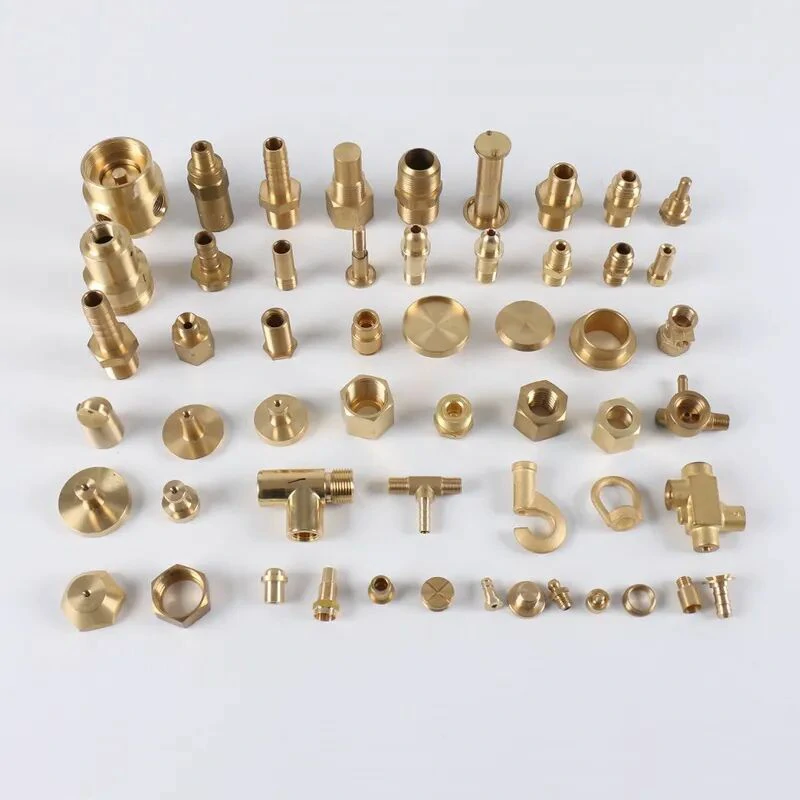
Which Brass Alloy is Best for Your CNC and Industrial Projects?
What Metals Are in Brass and Why Should You Choose It?
Brass is one of the most versatile metal alloys, mainly made of copper and zinc, sometimes with small amounts of lead, tin, iron, or nickel to enhance machinability, durability, and corrosion resistance. Its golden-yellow or reddish “red brass” hue makes it both practical and attractive. Understanding Brass Material Grades and Properties Explained helps manufacturers and designers select the right rods, bars, sheets, tubes, or pipes for CNC machining, plumbing, decorative fixtures, or musical instruments. Beyond looks, brass is naturally antibacterial and biofouling-resistant, ensuring long-lasting performance. Choosing the right alloy delivers components that are functional, durable, cost-effective, and visually appealing.
Definition and Components
Brass is a versatile copper-zinc alloy, with color, strength, and corrosion resistance depending on the copper-to-zinc ratio. Yellow brass usually has 60–70% copper, while red brass contains more for extra durability. Small amounts of tin, aluminum, lead, or iron can enhance machinability, hardness, or dezincification resistance. Unlike soft pure copper, brass combines toughness, ductility, and aesthetic appeal, making it perfect for mechanical parts, plumbing, decorative fixtures, and custom CNC components. Understanding Brass Material Grades and Properties Explained helps ensure reliable, cost-effective production.
Properties of Brass
High Malleability
Brass combines copper’s malleability with zinc’s strength, letting it bend, stamp, or draw into wires without cracking. Unlike tin-rich bronze, brass shapes and forms effortlessly, making it ideal for plumbing fittings, decorative fixtures, and CNC components. Understanding Brass Material Grades and Properties Explained ensures precision, durability, and efficient production.
Conductivity
While copper is the most conductive metal, brass still delivers excellent electrical and thermal conductivity, thanks to its copper content. This makes it ideal for connectors, terminals, and heat exchangers, especially in high-temperature environments. Designers and manufacturers rely on brass for components that require both durability and efficient conduction.
Corrosion Resistance
Thanks to its zinc content, brass resists rust and environmental corrosion far better than pure copper. Being a non-ferrous metal, it won’t rust, and certain brasses even withstand saltwater, which is far harsher than fresh water. This durability makes brass perfect for marine fittings, dock posts, and outdoor applications where long-lasting performance is essential.
Antibacterial Property
Brass naturally fights bacterial growth thanks to its metal ions, which can destroy harmful microbes within minutes. This makes it ideal for door handles, faucets, healthcare equipment, and even filtration systems. Its antimicrobial properties not only enhance safety but also add lasting value in applications where hygiene and durability matter.
Advantages of Brass
Good Formability and Ductility
Brass stands out for its excellent formability and ductility, which allows manufacturers to create intricate shapes and detailed designs with ease. Moreover, it can be shaped into sheets, rods, or complex CNC machining parts without cracking. As a result, brass becomes a reliable choice for projects that demand precision, flexibility, and consistent production quality.
Corrosion Resistance
Brass resists water, steam, and outdoor exposure better than many alloys, offering strong corrosion resistance for demanding environments. Its reliability makes it ideal for marine and plumbing applications. Learning Brass Material Grades and Properties Explained helps ensure long-term durability and stable performance.
High Thermal and Electrical Conductivity
Brass is an excellent choice for components where heat or electricity transfer really matters. Thanks to its strong thermal and electrical conductivity, it performs reliably in connectors, terminals, and other critical parts. As a result, manufacturers trust brass to deliver efficient performance without sacrificing durability.
Good Strength and Durability
The blend of copper and zinc gives brass the perfect balance of softness and strength. It shapes easily during forming, yet still delivers the durability needed for load-bearing and high-stress components. As a result, brass works well in applications that demand both performance and reliability.
Recyclability
Brass can be remelted and reused without losing quality, which helps cut material costs over time. At the same time, its high recyclability supports more sustainable manufacturing and reduces the need for virgin resources. As a result, brass delivers both long-term value and environmental benefits.
Anti-Microbial Properties
Brass naturally resists microbial growth, which makes it ideal for healthcare, food service, and public facilities. Because cleanliness matters in these environments, many designers choose brass to reduce hygiene risks. In the long run, it adds both safety and value without extra treatments or coatings.
Cost-Effectiveness
Compared to bronze or pure copper, brass strikes a smart balance between performance, appearance, and price. It keeps production and maintenance costs under control while still offering long service life. As a result, brass becomes a practical choice for projects that need reliability without overspending.
Disadvantages of Brass
Although brass is softer than steel and may wear under heavy stress, choosing the right grade solves these issues while keeping machinability and durability. Its copper content naturally inhibits bacteria, and anti-biofouling properties suit marine use. Learn more in Brass Material Grades and Properties Explained.
Maximum Operating Temperature
Brass melts around 900–940°C depending on copper-zinc ratios, yet it keeps its strength up to 200–300°C, making it ideal for plumbing, heat exchangers, and mechanical parts under moderate heat. For higher-temperature applications, aluminum or nickel brass alloys resist deformation, giving flexibility for industrial use. Here’s a quick reference of common brass grades and their melting points:
| Brass Grade | Solidus (°C) | Liquidus (°C) |
| Alloy 260 | 915 | 955 |
| Alloy 280 | 900 | 905 |
| Alloy 360 | 885 | 900 |
| Alloy 385 | 875 | 890 |
| Alloy 464 | 885 | 900 |
This table helps engineers and designers quickly select the right brass for performance and cost efficiency.
Safety Considerations
Brass is non-ferrous, spark-resistant, and safe for engineering, plumbing, and electrical components, reducing fire risks. Leaded alloys require careful handling, while copper ions inhibit bacteria. Coatings enhance corrosion resistance for outdoor and marine use. Discover more in Brass Material Grades and Properties Explained.
Copper vs Brass vs Bronze
Copper, brass, and bronze are “red metals” with unique strengths: copper excels in conductivity, brass offers a golden hue, machinability, and corrosion resistance, and bronze is hard and seawater-resistant. See Brass Material Grades and Properties Explained.
What Are the Different Types and Grades of Brass Alloys?
Overview of Common Brass Alloys
Brass combines copper’s strengths with added advantages—stronger and stiffer than pure copper yet highly malleable and easy to cast. With a melting point around 900°C and non-ferromagnetic, it’s recyclable and versatile. By adjusting copper-zinc ratios and additives, manufacturers can tailor performance. Explore more in Brass Material Grades and Properties Explained.
Alloy 260 (Cartridge Brass)
Alloy 260, commonly known as cartridge brass, combines 60% copper and 40% zinc, offering excellent cold working properties. It performs reliably in fasteners, precision hardware, and ammunition, making it a go-to choice for manufacturers seeking durability, machinability, and consistent results across demanding applications.
Alloy 272
Yellow brass, containing about 33% zinc, combines durability with excellent corrosion resistance, making it ideal for decorative fittings, plumbing, and architectural components. Its balanced properties allow manufacturers to create visually appealing and long-lasting pieces that perform reliably in both industrial and aesthetic applications.
Alloy 330
Brass Alloy 330 offers high strength and excellent machinability, making it perfect for structural components and precision parts. Its low lead content ensures safe handling and reliable cold working, which is why it’s often used for durable pipes and engineered fittings that demand both performance and efficiency.
Alloy 353
Alloy 353, often called clock brass, combines exceptional machinability with reliable strength, making it ideal for fittings, fasteners, and precision automotive parts. Its smooth working properties allow manufacturers to craft intricate components efficiently, ensuring both accuracy and durability in demanding applications.
Alloy 360 (Free-Cutting Brass)
Free-cutting brass, containing a small amount of lead, offers effortless CNC machining without losing strength. Its excellent formability and machinability make it perfect for hardware parts, fittings, valves, and fasteners, while also handling brazing and soldering efficiently in industrial production.
Alloy 385
Alloy 385, also called architectural bronze, delivers higher tensile strength for demanding engineering projects. Its versatility allows it to be extruded or drawn into angles, channels, square tubes, handrail moldings, and other shapes, making it ideal for architectural, building, and structural applications.
Alloy C48200–C48500
Leaded brass, designed for precision machining in industrial and marine applications, delivers high performance and reliability. Often supplied in rounds, this specialty alloy ensures smooth processing, excellent formability, and consistent quality, making it ideal for demanding engineering projects.
Specialty and Lead-Free Alloys
EnviroBrass / C69300 | EnviroBrass / C69300
Lead-free brass alloys transform plumbing and drinking water applications by addressing health concerns of traditional C360 brass. Grades like C69300 (EnviroBrass) match leaded brass’s machinability while staying safe for potable water. Options like C87850 offer versatile copper-tin-zinc-silicon blends for industrial and residential use. See Brass Material Grades and Properties Explained.
Aluminum Brasses and Nickel Silvers
Specialty brass alloys exceed standard grades, offering superior corrosion resistance, strength, and tailored performance. Manganese Bronze (C86300) provides wear resistance for gears and bearings, Nickel Silvers offer a durable silvery finish, and Aluminum Brasses (C68800, C61400, C95400) combine strength with corrosion resistance for marine and precision components. Choosing the right specialty brass ensures durability, aesthetics, and reliable performance.
Dezincification Resistant Alloys
Dezincification can weaken brass by leaching zinc, especially in high-chloride or marine environments, but specialized “inhibited” brasses effectively prevent this. Alloys like Arsenical Brass (C26130) and Admiralty Brasses (C44300–C44500) include small amounts of arsenic, phosphorus, or antimony, boosting corrosion resistance while maintaining machinability and durability. These grades are ideal for heat exchangers, condenser tubes, and other applications exposed to harsh water or high temperatures, ensuring long-lasting performance and reliability.
Why Is Brass a Preferred Metal for CNC Machining?
What Makes Brass Machinable
Brass has uniform structure, low tool wear, and excellent chip control, making it ideal for CNC machining. Its combination of ductility, low friction, and moderate hardness ensures precision parts with minimal burrs.
C200 – C20000 Grades
The C200 series, often called alpha brasses, includes high-copper alloys ranging from 95% to 99%, prized for outstanding corrosion resistance, excellent electrical conductivity, and remarkable ductility. These qualities make them perfect for plumbing fixtures, faucets, valves, electrical connectors, radiator cores, and decorative applications.
Key Advantages:
Corrosion Resistance: With high copper content, these brasses withstand moisture, chemicals, and other corrosive environments, ensuring durability and longevity.
Electrical Conductivity: Ideal for terminals, wiring components, and electronic connectors.
Ductility & Formability: Easily shaped into intricate designs or complex components.
Popular Grades & Applications:
| Grade | Composition | Key Features | Typical Uses |
| C210 | Cu 95%, Zn 5% | Deep red color, highly ductile | Decorative items, cold-worked fittings |
| C220 | Cu 90%, Zn 10% | Balanced strength & ductility | Medium-strength components, plumbing |
| C230 | Cu 85%, Zn 15% | Excellent formability & corrosion resistance | Plumbing, valves, decorative parts |
| C260 | Cu 70%, Zn 30% | Golden yellow, strong & ductile | Cartridge brass, fasteners, fittings |
| C272 | Cu 63%, Zn 37% | Good ductility & corrosion resistance | Pipes, hardware, decorative trims |
| C274 | Cu 62%, Zn 38% | Balanced formability & strength | Plumbing, light mechanical parts, decorative elements |
Considerations: High-copper grades may be more expensive and slightly harder to machine than lower-copper alloys. Choosing the right grade ensures you balance strength, machinability, corrosion resistance, and aesthetics for your application, whether it’s plumbing, electrical, decorative, or industrial.
C300 – C30000 Grades
The C300 to C30000 brass grades, often called intermediate brasses or alpha-beta brasses, strike the perfect balance between copper and zinc content. This gives them a unique mix of properties that make them versatile for mechanical, electrical, and decorative applications. Whether you’re producing fasteners, plumbing fittings, or automotive components, these alloys deliver the reliability and performance you need.
Key Advantages
Strength and Ductility: These grades combine robustness with excellent formability. You get a material that’s strong enough for demanding applications, yet flexible enough to be shaped or machined into complex parts.
Corrosion Resistance: Thanks to their copper content, intermediate brasses resist moisture, chemicals, and wear, making them perfect for plumbing, electrical, and marine environments.
Machinability: Many C300 series alloys offer good to excellent machinability, allowing for precise cuts, intricate designs, and efficient production. This is especially true for leaded grades like C360 or C385, which are engineered for easy machining without sacrificing durability.
Popular Grades and Their Applications
| Grade | Copper-Zinc-Lead (%) | Highlights | Typical Uses |
| C360 | Cu 61%, Zn 35%, Pb 3% | Free-machining brass, excellent for complex parts | Fasteners, valves, gears, plumbing components |
| C314 | Cu 89%, Zn 9%, Pb 2% | Easy machining with fair strength | Electrical terminals, decorative fittings |
| C330 | Cu 65%, Zn 34%, Pb 1% | Low-lead, good ductility | Plumbing fittings, light mechanical parts |
| C335 | Cu 62.5%, Zn 36.5%, Pb 1% | Excellent machinability, moderate strength | Electrical connectors, small fasteners |
| C353 | Cu 62%, Zn 35.5%, Pb 2.5% | High-lead, efficient machining | Bearings, bushings, precision components |
| C365 | Cu 59%, Zn 39%, Pb 2% | Leaded Muntz metal, balanced performance | Mechanical parts, light machinery |
| C377 | Cu 58-61%, Zn 37-40%, Pb 1-2.5% | Forging brass, suitable for hot forming | Forged hardware, bushings |
| C385 | Cu 57%, Zn 40%, Pb 3% | Architectural brass, high machinability | Door handles, decorative hardware, fittings |
Why Choose C300 Brass?
These alloys are ideal for projects where medium strength, corrosion resistance, and durability are essential. They cover a wide spectrum of uses—from plumbing, automotive, and electrical components to architectural, decorative, and even musical instrument applications. Leaded grades further enhance machinability, reducing production time and costs while maintaining performance.
Considerations: Higher zinc content may slightly increase cost, and while C300 grades balance strength and ductility, they may not match the highest-strength beta brasses in extremely demanding applications. Still, for most mechanical and electrical needs, they hit the sweet spot between performance, ease of fabrication, and longevity.
C400 – C40000 Grades
The C400 to C40000 brass grades, also known as beta brasses, are specially engineered with higher zinc content than standard alpha brasses. This composition gives them exceptional strength and hardness, making them the go-to choice for heavy-duty industrial parts, automotive components, and engineering applications where durability is non-negotiable.
Key Advantages
Strength and Hardness: Beta brasses excel in toughness and wear resistance. They can handle load-bearing roles, high-friction environments, and demanding mechanical applications without compromising performance.
Corrosion Resistance: Thanks to their copper base, these alloys resist corrosion well. While higher zinc content may slightly reduce resistance compared to alpha brasses, they still perform admirably in most industrial, marine, and mechanical settings.
Machinability: Despite their toughness, beta brasses are generally easy to machine. This makes them ideal for precision components, complex turned parts, and industrial hardware where accuracy and efficiency matter.
Typical Applications
Marine equipment: underwater fastenings, hull components, and portholes
Pump and valve components: impellers, housings, and shafts
Condenser tubes: heat exchangers for power plants and industrial systems
Turned and precision parts: machine components, instruments, and connectors
Electrical components: relay parts, low-resistance connectors, and telecommunication pins
Ordnance and defense: specialized parts for military applications
Jewelry and accessories: cufflinks, bracelets, and decorative hardware
Antifriction components: wear-resistant machinery parts
Boiler and sprinkler system parts: tubes, fittings, valves, and nozzles
Water meters and plumbing fittings: accurate, durable, and corrosion-resistant
Restoration projects: reproduction of antique hardware and marine-grade electrical components.
Popular Grades and Properties
| Grade | Copper-Zinc-Other (%) | Highlights | Applications |
| C443 | Cu 70%, Zn 29%, As 0.02-0.06% | Admiralty Brass, excellent corrosion resistance, moderate strength | Marine hardware, pump components |
| C464 | Cu 60%, Zn 39.25%, Sn 0.75% | Naval Brass, exceptional seawater resistance | Valves, fittings, marine equipment |
| C485 | Cu 58.5%, Zn 39%, Sn 1%, Pb 1.5% | Leaded Naval Brass, high corrosion resistance | Marine fittings, heavy-duty components |
Why C400 Brass Matters
If your project demands high strength, wear resistance, and durability, C400 beta brasses are the right choice. They excel in environments where mechanical stress and friction are high, and their corrosion resistance ensures a long service life, even in harsh industrial or marine conditions. Plus, their machinability allows manufacturers to produce precision components efficiently, reducing lead time and production costs.
Considerations: While these alloys are tougher than intermediate brasses, the increased zinc content can make them slightly less corrosion-resistant than alpha brasses. However, for most engineering and industrial applications, they strike an excellent balance between strength, durability, and machinability.
Selecting the Right Grade
Prioritize Machinability
For CNC production, it’s smart to choose alloys with lead content or free-cutting properties. If your project demands high-speed machining and tight tolerances, opt for a brass grade like C36000 Free-Cutting Brass. Designed for complex parts, it ensures precision, efficiency, and smooth machining, helping you save time and reduce production costs.
Consider Corrosion Resistance
When your components face harsh or corrosive environments, it pays to choose a brass grade with superior corrosion resistance. Marine-grade alloys, like C46400 Naval Brass or C48500 Leaded Naval Brass, resist dezincification and seawater exposure, ensuring long-lasting performance and reducing costly replacements.
Balance Strength and Machinability
When your project demands both strength and ease of machining, it’s smart to choose a brass grade that balances these properties. High-copper alloys boost hardness, while lower-copper options improve formability. For example, C37700 Forging Brass handles forging and machining well, and C48500 Leaded Naval Brass offers solid strength with smoother machinability for precision parts.
Evaluate Aesthetic Requirements
If the look of your machined part really matters, it’s worth choosing a brass grade that delivers a polished, attractive finish. Color, luster, and shine change with copper-zinc ratios, so while most brasses have a rich golden tone, C36000 Free Cutting Brass leans slightly more yellow due to its higher zinc content, offering both functionality and visual appeal.
Versatility of Brass in CNC Machining
Brass is a versatile, reliable choice for CNC machining, offering grades that balance machinability, corrosion resistance, strength, and appearance. From plumbing fittings to precision engineering parts or musical instruments, understanding each grade’s unique properties helps you confidently select the material that delivers both performance and visual appeal.
What Are the Main Applications of Brass, Copper, and Bronze Alloys?
Architecture and Construction
Brass, bronze, and copper remain top choices in architecture and construction, thanks to their corrosion resistance, durability, and premium appearance. From decorative panels and roofing to handrails and door handles, these metals not only perform reliably but also elevate designs, making fixtures both functional and visually striking.
Plumbing and Hydraulics
Brass stands out for valves, fittings, and pipes, combining corrosion resistance and malleability to ensure secure, leak-free systems. Copper excels in water supply and heat exchangers, while bronze shines in marine and high-wear environments. Choosing the right metal guarantees durability, smooth fluid flow, and reliable performance for plumbing and hydraulic applications.
Electrical and Electronics
Brass is a go-to material for electrical connectors, terminals, and switches, thanks to its excellent conductivity and reliability. Copper delivers unmatched electrical performance, while bronze adds durability to contact points and switches. Choosing the right metal ensures efficient power distribution and long-lasting electronic connections.
Manufacturing Processes
| Manufacturing Process | Key Advantages & Applications |
| CNC Machining | Exceptional machinability for precision parts and fasteners; tight tolerances, intricate designs |
| Extrusions | Create rods, tubes, and complex profiles; ideal for handrails, valves, and architectural elements |
| Forging | Hot-forged components with strength and accuracy; suitable for knobs, handles, and plumbing fittings |
| Sheet Metal Stamping | Shape sheets into connectors, brackets, decorative panels, and electronic parts like terminals and switches |
Why Choose Welleshaft and What Can Welleshaft Bring to Your Business
Welleshaft provides high-quality brass, copper, and bronze alloys tailored to your project needs. From CNC machining to industrial components, our engineering team ensures the right grade, precise machining, and timely delivery. With over a decade of experience supplying custom alloys, Welleshaft helps businesses improve product quality, reduce costs, and bring innovative solutions to market.
FAQs About Brass, Copper, and Bronze Alloys
How Strong is Brass?
Brass strength depends on copper-zinc ratios. Free-cutting brass is softer for machining, while high-copper alloys are harder and suitable for structural components.
Is Brass Safe to Use?
Yes, most brass alloys are safe for general use. Lead-free grades are recommended for plumbing, food, and drinking water applications.
This blog was provided by the Welleshaft Engineering Team. Mr. Xu and our experts specialize in custom brass, copper, and bronze solutions, helping businesses select the right alloys, optimize CNC machining, and deliver durable, cost-effective components.

 English (New Zealand)
  English
  Português do Brasil
  Deutsch (Österreich)
  Deutsch (Schweiz)
  English (UK)
  English (Australia)
  Deutsch
  Français du Canada
  Français
  Français de Belgique
  Italiano
  English (South Africa)
  Português
  Español
  Español de México
  Español de Perú
  Español de Colombia
  العربية
  日本語
日本語  Русский
  한국어
한국어  Tiếng Việt
  ไทย
ไทย