
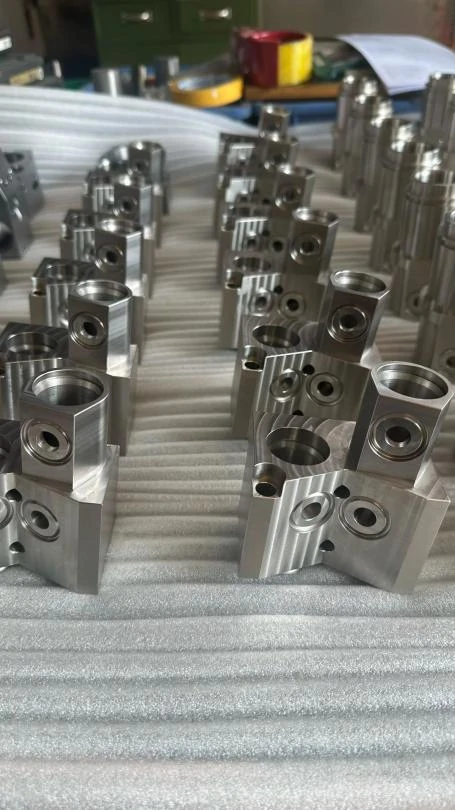
High-Mix Low-Volume (HMLV) Manufacturing: Strategies for Optimized Production, Supply Chains, and Custom Machining
What Is High-Mix Low-Volume Manufacturing?
High-mix low-volume (HMLV) manufacturing describes a production model where a wide range of different parts or products are produced in relatively small quantities. Typically, annual output per item can range from single units to several thousand pieces, and in some cases may extend to tens of thousands. This approach is especially common in industries that rely on CNC machining and customized component production.
In real-world manufacturing environments, companies often manage extensive product portfolios containing hundreds or even thousands of unique part numbers. Individual batch sizes are usually small—often from one piece to a few hundred—but production planning must also consider how frequently these batches repeat. This repetition directly impacts machining capacity, scheduling, and overall operational efficiency.
At its core, high-mix low-volume manufacturing is driven by fluctuating demand patterns. Orders for individual components are often unpredictable, irregular, and limited in quantity. Combined with a make-to-order (MTO) manufacturing strategy, this results in batch production with constantly changing specifications, volumes, and timelines.
Key Characteristics of High-Mix Low-Volume (HMLV) Manufacturing
- High product variety:A large number of different designs, configurations, or SKUs
- Low production volume:Small batch sizes per product
- Frequent changeovers:Regular adjustments in tooling, setup, and processes
- Demand variability:Unstable or hard-to-predict order volumes
- Customization focus:Products are often tailored to specific customer requirements
This production model contrasts sharply with mass production, where standardized products are manufactured in large quantities with minimal variation.
What Drives High-Mix Low-Volume Production?
The growth of HMLV manufacturing systems is closely linked to evolving industrial and market demands. Several key factors are accelerating its adoption:
Rising demand for customization
Products are increasingly tailored to specific applications, leading to more variants and shorter product life cycles.
Increased pressure on lead times
Manufacturers are expected to deliver faster while maintaining flexibility and reliability.
Market volatility and shifting demand
Rapid changes in customer requirements force manufacturers to adapt production plans quickly.
Shorter planning horizons
Production schedules are often uncertain, with limited visibility beyond the near term.
Stricter quality and traceability requirements
Industries demand higher standards for documentation, compliance, and product consistency.
Continuous cost and efficiency pressure
Companies must optimize resource utilization while minimizing inventory and tied-up capital.
The Role of Make-to-Order (MTO) in HMLV
Make-to-order (MTO) manufacturing, often synonymous with high-mix low-volume manufacturing, focuses on producing goods only after receiving confirmed orders. This approach is ideal for complex, high-value products that require customization and precision. It allows manufacturers to remain agile, reduce excess inventory, and better align production with actual demand.
Advantages of High-Mix Low-Volume Manufacturing
One of the defining strengths of HMLV production is its flexibility. Unlike rigid, high-volume systems, it enables manufacturers to:
- Adjust designs, materials, and specifications quickly
- Handle multiple product variations within the same production environment
- Implement agile custom manufacturingstrategies using modular systems and reconfigurable equipment
- Improve responsiveness through agile supply chains, reducing lead times and setup costs
This adaptability provides a competitive advantage in industries where innovation and customization are critical.
Applications of High-Mix Low-Volume Manufacturing Across Industries
High-mix low-volume manufacturing plays a crucial role in sectors that require precision, customization, and low-to-medium production volumes:
- Medical devices:Production of patient-specific implants, prosthetics, and surgical instruments
- Aerospace & defense:Manufacturing of complex, high-precision components in limited quantities
- Automotive:Small-batch production of specialized or performance parts
- Electronics & IoT:Custom enclosures, circuit boards, and device components
- Industrial equipment:Development of specialized machinery, tooling, and spare parts
Why Is High-Mix Low-Volume Manufacturing the Future?
As global markets shift toward personalization and rapid innovation, high-mix, low-volume manufacturing (HMLV) is emerging as a dominant production strategy. Increasing demand for customized products and flexible production capabilities is gradually reducing reliance on traditional mass production models, which often lack adaptability.
The Shift Toward Flexible Manufacturing
At the core of this transition is manufacturing flexibility—the ability to efficiently produce a wide variety of product configurations without sacrificing quality or efficiency. High-mix low-volume manufacturing enables companies to balance output, precision, and responsiveness, making it particularly valuable for industries that require tailored solutions and frequent design updates.
The Role of Digital Manufacturing and Automation
Modern digital manufacturing platforms are significantly enhancing the scalability and cost efficiency of HMLV production. Technologies such as:
- AI-driven Design for Manufacturability (DFM) feedback
- Instant quoting systems
- On-demand manufacturing models
- Optimized and agile supply chains
allow manufacturers to streamline workflows, reduce overhead costs, and shorten lead times.
At the same time, automation technologies improve consistency, increase throughput, and enable real-time production adjustments—providing a strong competitive advantage in markets driven by speed and customization.
Meeting Customer-Driven Demand
Today’s customers expect products tailored to their exact needs, often with shorter delivery timelines. High-mix, low-volume manufacturing supports this demand by enabling:
- Rapid design changes and product iterations
- Efficient small-batch production
- Greater responsiveness to market trends
- Reduced risk of overproduction and excess inventory
This customer-centric approach positions HMLV as a critical solution for companies aiming to stay competitive in fast-changing industries.
A Strategic Path for Long-Term Growth
By adopting advanced technologies, data-driven production planning, and flexible manufacturing systems, businesses can strengthen their operational resilience and adapt to evolving market conditions.
Ultimately, high-mix low-volume manufacturing represents a forward-looking model that aligns with the future of production—where agility, efficiency, and customization are key to sustainable growth and long-term success.
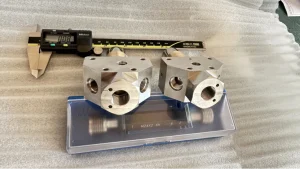
How Does Automation Match HMLV Production?
To better understand high-mix, low-volume automation, it is essential to examine how different manufacturing environments align with automation strategies. In industrial production, operations are generally divided into three primary categories, each requiring a distinct automation approach:
High-volume mass production
This category involves extremely large annual output per individual workpiece, often ranging from hundreds of thousands to millions of units. Product variation is minimal or completely absent. Due to the consistency and scale, automation systems are highly standardized, optimized for speed, and designed to maintain continuous, stable production cycles.
Variable batch production (low-to-medium volume)
In this setting, annual production per workpiece ranges from single units up to tens of thousands. Unlike mass production, there is a noticeable level of variation in design, specifications, or processing requirements. This environment is commonly associated with make-to-order (MTO) manufacturing, where flexibility becomes critical. As a result, high-mix-low-volume (HMLV) conditions dominate, requiring adaptable and reconfigurable automation solutions to handle diverse product types efficiently.
Low-frequency or one-off production
This category consists of highly irregular production runs, often involving unique or non-repetitive parts. Batch sizes are extremely small, and repeatability is limited. Automation in this context is typically evaluated on a case-by-case basis, as the cost and complexity may outweigh the benefits. Applications may include prototype development, custom spare parts, or R&D-related manufacturing tasks.
From a practical standpoint, most industrial machine-building operations fall within the variable batch production category. These environments demand a balance between efficiency and flexibility, making flexible automation systems the preferred solution. The presence of frequent design changes, varying dimensions, and shifting production priorities reinforces the need for adaptable automation rather than fixed systems.
In contrast, mass production environments benefit from highly specialized automation such as transfer lines. These systems are engineered for maximum throughput, with minimal interruptions and highly predictable cycle times. Since product variability is negligible, the focus is on efficiency, repeatability, and cost reduction.
For sporadic or one-off production, automation feasibility depends on several key factors, including total production volume, variation in part geometry, quality standards, and delivery timelines. In many cases, manual or semi-automated processes remain more practical.
It is also worth noting that the concept of high-mix-high-volume is rarely treated as a separate category. When production volumes increase significantly for specific parts, manufacturers typically transition toward dedicated automation systems. Otherwise, operations remain within the high-mix-medium-volume range, where flexible automation continues to play a central role.
How to Automate HMLV Production?
Automating high-mix low-volume (HMLV) production requires a holistic approach that addresses the entire manufacturing portfolio rather than focusing on individual parts. Optimizing production at the factory level ensures efficiency, reduces bottlenecks, and supports the flexibility required for variable batch manufacturing.
Four Key Steps to Automate HMLV Batch Production
Optimize CNC Machinery Selection
Group similar parts into families based on shared machining operations, and invest in versatile machines that can handle multiple tasks. For instance, a single 4-axis milling machine may replace several 3-axis machines when paired with appropriate fixturing, reducing machine redundancy while maintaining production capability.
Standardize Reproducible Processes
Develop manufacturing processes that consistently deliver high-quality results and focus on value-added operations. Minimize unnecessary movement or handling of parts to streamline the workflow, reduce errors, and maintain process stability.
Automate Production Steps
Identify and automate processes wherever feasible. This includes primary machining operations as well as supporting tasks such as deburring, finishing, marking, and tool management. Automation of ancillary operations can yield significant efficiency gains and free up labor for higher-value tasks.
Implement Intelligent Production Planning
Leverage advanced software solutions to automate production planning and resource management. Intelligent Manufacturing Management Systems (MMS) continuously update production schedules, track available resources, and enable extended autonomous operation. This approach ensures that production adapts dynamically to actual demand rather than relying on oversized batch manufacturing.
Benefits of Flexible Automation in HMLV
By implementing flexible automation in high-mix low-volume manufacturing, factories can achieve:
- Continuous production flowaligned with actual orders
- Reduced work-in-progress (WIP) and inventory levels
- Shortened lead times
- Order-driven manufacturingthat responds to real-time demand
- Improved efficiencywithout overproducing parts to stock
This method embodies LEAN principles, turning complex, variable production into a streamlined, responsive system capable of handling diverse workpieces efficiently.
What Are Key Strategies to Optimise HMLV Manufacturing?
Achieving high performance in high-mix, low-volume (HMLV) manufacturing requires a structured approach that enhances flexibility, responsiveness, and efficiency. To optimize operations, manufacturers should focus on three critical areas: production flexibility, process adaptability, and efficient changeover management.
Flexible Production Lines
In high-mix low-volume manufacturing, production lines must handle a wide variety of product types while minimizing downtime. This can be achieved through:
- Modular and Reconfigurable Equipment
Use adaptable machinery that can be quickly adjusted to accommodate different product designs and specifications. - Integration of Advanced Technologies
Incorporate automation, AI, and IoT systemsto improve process efficiency, enable real-time monitoring, and enhance operational flexibility. - Skilled Workforce Development
Train operators and engineers to manage complex setups and transitions effectively, ensuring smooth handling of diverse production requirements.
Adaptive Manufacturing Processes
To remain competitive, HMLV manufacturing systems must respond quickly to changing demand and continuously improve performance. Key approaches include:
- Real-Time Data Utilization
Analyze live production data to identify inefficiencies, predict bottlenecks, and optimize resource allocation dynamically. - Agile Supply Chain Management
Build flexible supply chain networkscapable of adjusting to fluctuating order volumes and varied material requirements, ensuring timely material availability. - Continuous Improvement Practices
Apply methodologies such as Lean manufacturingand Six Sigma to eliminate waste, streamline workflows, and drive ongoing operational improvements.
Quick Changeover Techniques
Reducing setup and transition time is essential for maintaining productivity in high-mix low-volume production. Effective strategies include:
- Standardized Work Procedures
Implement clear instructions and structured checklists to ensure consistency and reduce errors during changeovers. - Cross-Functional Team Collaboration
Encourage coordination between production, engineering, and quality teams to improve efficiency and resolve issues quickly during setup transitions.
Driving Efficiency in HMLV Manufacturing
By combining flexible production lines, adaptive processes, and efficient changeover strategies, manufacturers can significantly improve productivity, reduce downtime, and enhance responsiveness. These strategies are essential for maximizing the benefits of high-mix, low-volume manufacturing in increasingly complex and dynamic production environments.
How Can Digital Solutions Optimise HMLV Production?
The integration of digital manufacturing solutions plays a critical role in improving the performance of high-mix low-volume (HMLV) manufacturing. By leveraging advanced digital tools and connected systems, manufacturers can overcome operational complexity, enhance scalability, and significantly boost overall efficiency.
Key Ways Digital Manufacturing Enhances HMLV Production
On-Demand Manufacturing and Agile Supply Chains
Cloud-based manufacturing platforms enable instant access to a wide network of production resources. This supports on-demand manufacturing, allowing companies to scale production up or down based on real-time demand. Combined with agile supply chains, this approach improves responsiveness, shortens lead times, and simplifies logistics in HMLV environments.
Lower Setup Costs Through Flexible Manufacturing
Modern flexible manufacturing systems utilize multi-functional tooling and advanced technologies such as 3D printing for rapid prototyping. In addition, CNC machining and sheet metal fabrication provide the precision required for low-volume production while reducing setup time and associated costs. This flexibility allows manufacturers to switch between product variants more efficiently.
Improving Efficiency With Automation Technologies
Automation is a key enabler of efficiency in HMLV manufacturing systems. Technologies such as AI-driven order processing, automated quoting, and fast Design for Manufacturability (DFM) feedback streamline workflows and reduce manual intervention. These capabilities improve production speed, accuracy, and cost-effectiveness while maintaining high precision standards.
Minimizing Waste With Just-in-Time (JIT) Production
The Just-in-Time (JIT) production model ensures that manufacturing is aligned closely with actual customer demand. By producing only what is needed, when it is needed, companies can reduce excess inventory, lower material waste, and improve resource utilization—an essential advantage in low-volume production environments.
The Impact of Digitalization on HMLV Manufacturing
By combining digital manufacturing, automation, and data-driven decision-making, manufacturers can transform complex HMLV operations into more streamlined and responsive systems. These technologies not only enhance operational efficiency but also enable greater flexibility, reduced costs, and improved delivery performance—key factors for success in today’s dynamic manufacturing landscape.
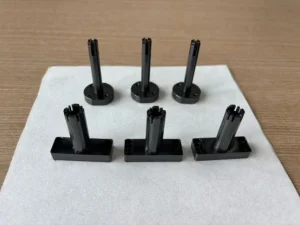
What Are the Best Methods for HMLV Production?
Selecting the right processes is essential for achieving efficiency and flexibility in high-mix, low-volume production. The following manufacturing methods are widely adopted to meet the precision, customization, and cost requirements of HMLV manufacturing environments:
CNC Machining for High-Precision Components
CNC machining remains a core technology for producing complex metal and plastic parts with tight tolerances. It is particularly suitable for intricate geometries and multi-feature designs, making it a preferred choice in industries that require high accuracy and repeatability for low-volume production runs.
3D Printing for Rapid Prototyping and Customization
3D printing (additive manufacturing) excels in producing unique designs and detailed prototypes without the need for dedicated tooling. It enables fast iteration, lightweight structures, and significantly shorter development cycles, making it ideal for customized, small-batch production.
Injection Molding for Low-Volume and Scalable Production
Although traditionally associated with mass production, injection molding can also support lower-volume manufacturing when optimized with lean techniques such as single-minute exchange of die (SMED). It is commonly used for functional prototypes and small-batch production, with the added advantage of scalability if demand increases.
Sheet Metal Fabrication for Custom Industrial Parts
Sheet metal fabrication is widely applied in producing enclosures, brackets, and structural components. Processes such as laser cutting and CNC bending ensure precision, while relatively short setup times enable efficient handling of varied product designs in HMLV scenarios.
Urethane Casting for Cost-Effective Low Volumes
Urethane casting offers a practical solution for producing limited quantities of plastic or elastomer-like parts. It is more economical than traditional molding methods for small batches while still delivering good surface quality and functional performance.
Choosing the Right Method for HMLV Manufacturing
Each of these manufacturing methods for high-mix, low-volume production provides unique advantages depending on product complexity, material requirements, and production volume. By combining multiple processes strategically, manufacturers can achieve optimal flexibility, reduce costs, and maintain high-quality standards across diverse production needs.
What Are the Advantages of the HMLV Model for Manufacturers?
Implementing a high-mix low-volume (HMLV) manufacturing approach offers numerous benefits for manufacturers, particularly in industries that demand precision, flexibility, and responsiveness.
1.Precision Customization
HMLV production allows manufacturers to create highly tailored components for diverse client requirements across industries such as medtech, life sciences, analytics, office automation, and industrial equipment. This capability ensures that every part meets exact specifications, enhancing customer satisfaction and strengthening the manufacturer’s reputation for quality and reliability.
2.Agile Response to Industry Changes
Rapidly evolving markets and technologies require manufacturers to adapt quickly. HMLV systems support flexible production of new designs, materials, or product variants, allowing businesses to remain aligned with the latest industry trends without disruption.
3.Facilitated Innovation
The small-batch nature of HMLV manufacturing encourages experimentation with innovative designs, materials, and machining techniques. Manufacturers can trial new approaches without committing to large production runs, fostering a culture of continuous improvement and differentiation.
4.Enhanced Quality Control
With smaller batches, manufacturers can allocate more resources to stringent quality assurance and process optimization. This focused approach reduces defects, improves part consistency, and ensures high standards for complex production tasks such as combined machining and surface treatments.
5.Sustainable and Efficient Production
HMLV manufacturing minimizes waste by producing only the quantities needed, supporting environmentally sustainable practices. Reduced overproduction lowers the carbon footprint and contributes to more responsible resource use.
6.Optimized Inventory Management
Producing parts based on immediate demand reduces the need for large inventories and storage costs. This leaner approach to inventory ensures efficient capital use and decreases the risk of obsolete stock.
Overall, the HMLV manufacturing model empowers manufacturers to balance precision, agility, and efficiency while fostering innovation, sustainability, and superior quality across diverse production environments.
What Customer Benefits Come from HMLV Manufacturing?
Adopting high-mix low-volume (HMLV) manufacturing not only optimizes production processes but also delivers significant advantages to customers, enhancing satisfaction, responsiveness, and overall value.
Tailored, Precision Solutions
HMLV production allows manufacturers to produce highly customized parts that precisely match customer specifications. This ensures seamless integration into end products and systems, supporting diverse applications across industries.
Faster Lead Times
In fast-moving industries, time is a critical factor. HMLV manufacturing reduces production lead times by enabling small-batch, order-driven workflows. Customers receive the components they need promptly, helping them maintain efficient production schedules.
Enhanced Responsiveness
The flexible nature of HMLV production allows manufacturers to quickly respond to design modifications, production challenges, or urgent requests. This fosters closer collaboration and ensures real-time solutions to evolving customer requirements.
Cost Efficiency
Although precision machining can be complex, HMLV strategies optimize costs by minimizing tooling, setup, and excess inventory. Customers benefit from ordering exact quantities needed for their production, reducing material waste and overall expenses.
Reliable, Consistent Quality
Quality control is a cornerstone of HMLV manufacturing. By focusing on process standardization and careful monitoring, manufacturers ensure that every delivered part meets stringent quality standards, supporting operational reliability and reducing downstream risks for customers.
Overall, HMLV manufacturing creates a customer-centric production model that combines agility, precision, and efficiency, enabling clients to gain competitive advantages while receiving customized, high-quality solutions.
What Are the Challenges and Opportunities in HMLV Manufacturing
While high-mix, low-volume (HMLV) manufacturing provides significant advantages, it also presents distinct challenges that manufacturers must navigate to maximize efficiency, reduce costs, and maintain profitability.
Key Challenges
- Frequent Changeovers and Setup Costs
The inherent flexibility of HMLV production requires regular adjustments in machinery, tooling, and workflows. Frequent changeovers increase setup times and associated costs. While automation can improve throughput and consistency, highly automated systems often demand more sophisticated retooling and planning to maintain efficiency. - Supply Chain Complexity
Operating under a make-to-order (MTO)approach, HMLV relies on sourcing specialized materials and components in small quantities. This dependency on a broad supplier network can introduce risks such as delays, miscommunication, and difficulty securing critical parts, all of which can disrupt production schedules. - Inventory Management and Material Waste
Unlike mass production, HMLV does not follow a highly structured flow, making resource management more complex. Without careful planning, excess materials, inefficient handling, or overstocking can lead to higher operational waste and reduce overall process efficiency. - Balancing Cost Efficiency and Lead Times
Maintaining short lead times in precision machining requires careful timing, advanced tooling, and logistical coordination. Complex setups and specialized processes can reduce flexibility, making it challenging to optimize costs while meeting tight delivery schedules.
Opportunities in HMLV Manufacturing
Despite these challenges, manufacturers that adopt strategic technologies and best practices can unlock substantial benefits:
- Increased Agility: Quickly respond to evolving customer requirements and market shifts, maintaining a competitive edge.
- Enhanced Product Diversification: Expand the product range to serve niche markets and offer customized solutions.
- Reduced Inventory Costs: Produce in smaller batches to lower holding costs, free up capital, and minimize risk of obsolete stock.
- Improved Customer Satisfaction: Deliver tailored products with faster turnaround times, fostering loyalty and strengthening reputation.
- Greater Adaptability and Responsiveness: Efficiently manage multiple product variants and fluctuating demand, allowing production systems to remain flexible and responsive to diverse customer needs.
By addressing operational hurdles through process optimization, automation, and intelligent planning, HMLV manufacturing transforms challenges into opportunities, enabling manufacturers to achieve both efficiency and customization in complex production environments.
What Is the Future of HMLV Manufacturing?
As new technologies continue to reshape industrial production, high-mix, low-volume manufacturing (HMLV) is evolving toward greater intelligence, flexibility, and sustainability. Future advancements will further enhance how manufacturers manage complexity, improve efficiency, and respond to dynamic market demands.
Key Trends Shaping the Future of HMLV Manufacturing
- AI and Automation for Adaptive Production Planning
The integration of artificial intelligence (AI)with automation is transforming production planning in HMLV manufacturing. AI-driven systems can analyze real-time data to optimize scheduling, allocate resources efficiently, and improve demand forecasting. This results in reduced waste, better machine utilization, and more responsive production workflows. - Digital Twins and Smart Factory Systems
Digital twinsenable manufacturers to create virtual replicas of physical production processes. These simulations allow real-time monitoring, testing, and optimization before actual manufacturing begins. When combined with smart factorytechnologies, digital twins enhance process control, minimize risks, and improve overall operational efficiency. - Advanced Material Innovations
The development of next-generation materials is expanding the capabilities of high-mix low-volume production. Modern materials offer improved strength-to-weight ratios, enhanced durability, and greater environmental sustainability. These advancements not only improve product performance but also reduce the environmental impact of manufacturing processes. - Hybrid Manufacturing Approaches
Hybrid manufacturingcombines multiple production technologies—such as 3D printing, CNC machining, and casting—within a unified workflow. This integrated approach increases flexibility, supports rapid design changes, and reduces production lead times while maintaining cost efficiency.
Outlook for High-Mix Low-Volume Production
The future of HMLV manufacturing lies in the convergence of digitalization, automation, and advanced engineering solutions. By adopting these innovations, manufacturers can achieve higher levels of agility, precision, and scalability—enabling them to meet increasingly complex and customized production demands in a competitive global market.
FAQs
What does low volume high-mix mean?
Low volume high-mix (HMLV) refers to a manufacturing approach where a large variety of products or part configurations are produced, but each in relatively small quantities.
- High-mix: Involves multiple product types with different designs, materials, or specifications.
- Low-volume: Each product is manufactured in limited quantities, typically ranging from a few units to several thousand.
This model is widely used in custom manufacturingenvironments that require flexibility and frequent product variation.
What are the 4 types of automation in manufacturing?
Manufacturing automation can generally be divided into four main categories:
- Fixed automation
Designed for high-volume production with minimal variation. It offers high efficiency but limited flexibility. - Programmable automation
Suitable for batch production, where equipment can be reprogrammed to accommodate different products. - Flexible automation
Ideal for high-mix low-volume manufacturing, allowing quick adjustments between product types with minimal downtime. - Integrated automation
Combines machines, software, and systems into a fully connected environment, enabling end-to-end automation and real-time control of production processes.
What is high-mix low volume production?
High-mix low-volume production is a manufacturing strategy focused on producing a diverse range of products—often customized—in small batch sizes. Unlike mass production, it emphasizes adaptability, quick changeovers, and responsiveness to customer-specific requirements.
This approach is commonly applied in industries such as medical devices, electronics, automotive components, and industrial equipment, where precision, customization, and fast response to changing demands are essential.
This blog was provided by the Welleshaft Engineering Team. Welleshaft specializes in high-mix, low-volume manufacturing, offering custom parts, digital solutions, and on-demand production services to optimize efficiency and flexibility.

 English (UK)
  English
  Português do Brasil
  Deutsch (Österreich)
  Deutsch (Schweiz)
  English (Australia)
  English (New Zealand)
  Deutsch
  Français du Canada
  Français
  Français de Belgique
  Italiano
  English (South Africa)
  Português
  Español
  Español de México
  Español de Perú
  Español de Colombia
  العربية
  日本語
日本語  Русский
  한국어
한국어  Tiếng Việt
  ไทย
ไทย