
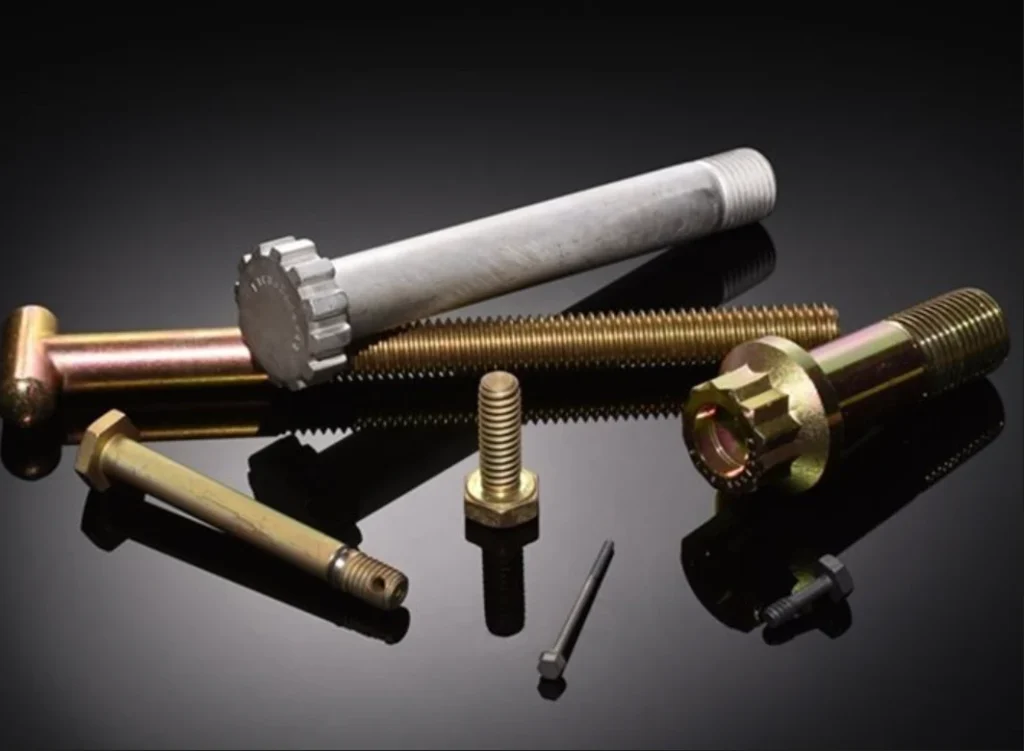
What Is the Basic Theory Behind Threaded Fasteners in Fastener Manufacturing?
In fastener manufacturing, threaded fasteners in fastener manufacturing play a critical role by turning rotational force into axial clamping force that securely holds parts together. When a bolt or screw is tightened, its threads engage with a nut or internal thread and pull the connected components firmly into place. This principle sits at the core of almost every fastener manufacturing company, from large manufacturing factories to local fastener manufacturers near me. In practice, a threaded fastener behaves much like a stretched spring. As you tighten it, the threads pull the shaft away from the head, causing the fastener to elongate slightly. The more it stretches—within its safe range—the higher and more stable the clamping force becomes.
However, not all fasteners perform the same. Thread geometry, fastener dimensions, and material choice directly affect how efficiently torque translates into holding power. Experienced fastener manufacturers design modern fasteners to strike the right balance between strength, consistency, and easy installation. For buyers sourcing industrial fasteners for structural or load-bearing applications, understanding this basic behavior makes it easier to choose the right fastener manufacturer, reduce joint failures, and ultimately protect product reliability and long-term performance.
How Do Elastic Deformation and Yield Point Affect Industrial Fasteners?
Elastic deformation is the reason threaded fasteners in fastener manufacturing can hold joints securely without failing. If you think back to basic materials science, a beam stretches when you pull on it and returns to its original shape once the load is released. A bolt works the same way. When tightened, the screw shaft—acting like a small beam—stretches slightly within its elastic range. This controlled stretch creates clamp force while avoiding permanent damage. At this point, the clamping force balances the tensile stress inside the fastener, keeping the joint stable.
Problems start when the load goes beyond the yield point. Once that happens, the fastener no longer springs back to its original length, which can weaken the joint or cause failure over time. That’s why fastener manufacturing companies pay close attention to material grades, heat treatment, and process control. A professional industrial fasteners manufacturer understands how yield strength affects real-world performance, especially for engineered fasteners and custom bolts. For buyers working with US fastener manufacturers or overseas fastener factories, knowing this behavior helps you choose stronger, longer-lasting fasteners for demanding industrial applications.
How Is Clamp Force Specified in Threaded Fasteners Manufacturing?
Clamp force, not torque alone, is the true goal when tightening a bolt. In threaded fasteners in fastener manufacturing, clamp force depends on bolt diameter, thread pitch, material strength, and surface finish. Leading fastener manufacturers calculate target clamp loads based on joint design and application risks—ensuring screws, metric bolts, or structural anchor rods stay within yield strength to prevent fatigue or deformation. Modern fasteners companies often verify clamp force through testing rather than relying solely on charts, providing consistent, safe performance for industrial nuts, specialty fasteners, and large fasteners in demanding applications.
How Are Torque Specifications Defined for Bolts and Nuts?
In fastener manufacturing, torque specifications serve as a practical way to achieve the required clamp force. Friction can consume up to 90% of applied torque, so fastener manufacturers carefully consider thread condition, coatings, and lubrication when setting torque values. Reliable bolt manufacturers or nut & bolt manufacturers provide guidance tailored to real production conditions. Buyers sourcing from screw manufacturing companies or fastener importers should verify whether torque specs are for dry or lubricated threads. Clear torque control reduces assembly errors and ensures consistent performance across industrial fasteners, specialty bolts, and modern fasteners.
Example: Torque vs. Clamp Force
| Fastener Type | Torque (Nm) | Clamp Force (kN) | Notes |
| M8 x 1.25 Bolt | 25 | 5.5 | Dry threads |
| M10 x 1.5 Bolt | 50 | 11 | Lubricated threads |
| M12 x 1.75 Bolt | 85 | 18 | Structural application |
This table illustrates that the torque-clamp force relationship varies with fastener size, lubrication, and material—highlighting why professional fastener manufacturers emphasize testing and precise specifications for safe, reliable assemblies.
Threaded Fasteners vs Non-Threaded Fasteners: Which Is Better for Manufacturers?
When joining materials in manufacturing, construction, or DIY projects, choosing the right fastener is crucial. Threaded fasteners, like screws and bolts, offer flexibility, serviceability, and precise adjustment, which is why most fastener manufacturing companies prioritize them. They allow easy disassembly and are ideal for assemblies that may need maintenance or realignment. On the other hand, non-threaded fasteners—such as staples, clips, and pins—focus on speed and permanent fixing, making them cost-effective for high-volume applications. Leading industrial fasteners manufacturers often supply both types, helping buyers optimize fastening products for their specific needs. Understanding these trade-offs lets you select the right fastener factory, avoid unnecessary costs, and ensure reliable performance in your assemblies.
Pros of Threaded Fasteners:
Threaded fasteners are widely used by fastener manufacturers and custom fasteners manufacturers because they provide strong, adjustable, and reliable joints. Their versatility and ease of use make them ideal for maintenance-heavy industries and assemblies where durability matters. Key advantages include:
- Strong and Secure: Threaded fasteners deliver excellent clamping force, ensuring a reliable connection in demanding applications.
- Adjustability: You can easily tighten or loosen them, which is crucial for alignment and precision.
- Versatility: Available in many sizes, materials, and designs, they suit a wide range of applications.
- Easier Assembly and Disassembly: These fasteners can be removed and reinstalled without damaging components, simplifying maintenance and repairs.
- Thread Locking: They work well with thread-locking compounds to prevent loosening from vibrations or dynamic loads.
Cons of Threaded Fasteners:
Threaded fasteners offer strength and adjustability, but they do require careful handling to achieve optimal performance. Proper torque control and correct installation are essential, as poor thread quality or over-tightening can reduce reliability. Key challenges include:
- Complex Installation: Installing threaded fasteners can be more time-consuming than non-threaded options, especially in large-scale manufacturing or assembly projects.
- Potential for Cross-Threading: Extra care is needed to prevent cross-threading, which can damage both the fastener and the components.
- Increased Cost: High-strength or specialty threaded fasteners often come at a higher price compared to non-threaded alternatives.
Pros of Non-Threaded Fasteners:
Non-threaded fasteners are ideal for projects that prioritize speed and efficiency, especially in high-volume production lines. They allow faster assembly and lower labor costs, making them a popular choice among manufacturing and distribution companies. Key advantages include:
- Quick Installation: Non-threaded fasteners can be installed much faster, saving time in repetitive or large-scale tasks.
- Simplicity: They are easy to use, suitable for DIY projects or applications where ease of installation is important.
- Low Cost: Typically more budget-friendly than threaded options, which benefits cost-conscious projects.
- Low Profile: Many non-threaded fasteners sit flush or leave minimal protrusion, offering both aesthetic and functional advantages.
Cons of Non-Threaded Fasteners:
Non-threaded fasteners offer speed and simplicity, but they come with some limitations that buyers should consider when sourcing from fastener manufacturers or industrial fasteners suppliers. They lack adjustability and can be difficult to remove without damaging components, which may impact maintenance and rework. Key drawbacks include:
- Limited Strength: Non-threaded fasteners usually provide less clamping force than threaded alternatives, making them less suitable for high-stress applications.
- Lack of Adjustability: Once installed, these fasteners cannot be easily adjusted without removal, limiting flexibility.
- Material and Application Constraints: They may not work well with all materials or applications, particularly those requiring strong structural integrity.
What Are the Key Challenges in Custom Fastener Manufacturing?
Custom fastener manufacturing presents unique challenges, including material selection, tight tolerances, and complex designs. Custom fasteners manufacturers must balance performance requirements with production efficiency. Small changes in fastener dimensions or thread profiles can significantly affect strength and fit. Another challenge is consistency across batches, especially when producing custom bolts and nuts or specialty fasteners. Buyers often struggle to find a fastener manufacturing company that can handle both engineering support and scalable production. These challenges make supplier experience and quality systems critical.
How Can Custom Fastener Manufacturers Solve Strength and Durability Issues?
Experienced custom fastener manufacturers solve durability issues through smart design, controlled processes, and testing. This includes selecting the right steel grades, optimizing thread geometry, and applying proper heat treatment. Many industrial fasteners manufacturers also use surface treatments like galvanizing or coatings to improve corrosion resistance. For custom bolts, anchor rods, or large diameter fasteners, prototype testing is essential. A professional fastener manufacturing company focuses on long-term performance, not just meeting minimum specifications, helping buyers reduce warranty claims and downtime.
Why Choose Welleshaft as a Professional Fastener Manufacturing Company?
At Welleshaft, we go beyond being just a fastener manufacturer—we act as a true manufacturing partner. With extensive experience across fastener industries, we support everything from standard industrial fasteners to fully customized solutions. We collaborate closely with manufacturing factories to control quality, materials, and lead times, ensuring every product meets your requirements. Choosing between threaded and non-threaded fasteners depends on your project’s needs: threaded fasteners provide strength, adjustability, and versatility, while non-threaded options offer simplicity and cost savings. Often, a combination works best. Whether you need a custom bolt manufacturer, metric bolts supplier, or engineered fasteners, Welleshaft delivers practical, reliable, and traceable solutions for any manufacturing challenge.
About Fastener Manufacturing and Custom Bolts FAQ’S
How Manufacturers Measure Performance of Fastening Solutions
Fastener manufacturers test torque, clamp force, and material strength to ensure reliability. Reputable fastener manufacturing companies and custom fasteners manufacturers provide documentation on these tests, helping buyers avoid assembly failures and costly recalls.
What Type of Assembly Can a Threaded Fastener Create
Threaded fasteners enable adjustable and reusable assemblies, unlike non-threaded alternatives. Manufacturers in the fastener industry, from screw manufacturing companies to industrial fasteners manufacturers, guide buyers on which fastener dimensions and types best suit structural and maintenance-heavy applications.
Why Material Standards Matter in Fastener Manufacturing
Material choice affects durability and performance. Leading fastener manufacturing companies control grades, heat treatments, and coatings. Buyers sourcing from metric bolts suppliers, bolt manufacturers near me, or custom fastener manufacturers can ensure long-term reliability across industrial fasteners and engineered fasteners.
This blog was provided by the Welleshaft Engineering Team, led by Mr. Xu. With years of experience in industrial fasteners and custom bolt manufacturing, Welleshaft partners with clients to deliver reliable, traceable, and high-performance fastening solutions for any manufacturing challenge.

 Deutsch
  English
  Português do Brasil
  Deutsch (Österreich)
  Deutsch (Schweiz)
  English (UK)
  English (Australia)
  English (New Zealand)
  Français du Canada
  Français
  Français de Belgique
  Italiano
  English (South Africa)
  Português
  Español
  Español de México
  Español de Perú
  Español de Colombia
  العربية
  日本語
日本語  Русский
  한국어
한국어  Tiếng Việt
  ไทย
ไทย