
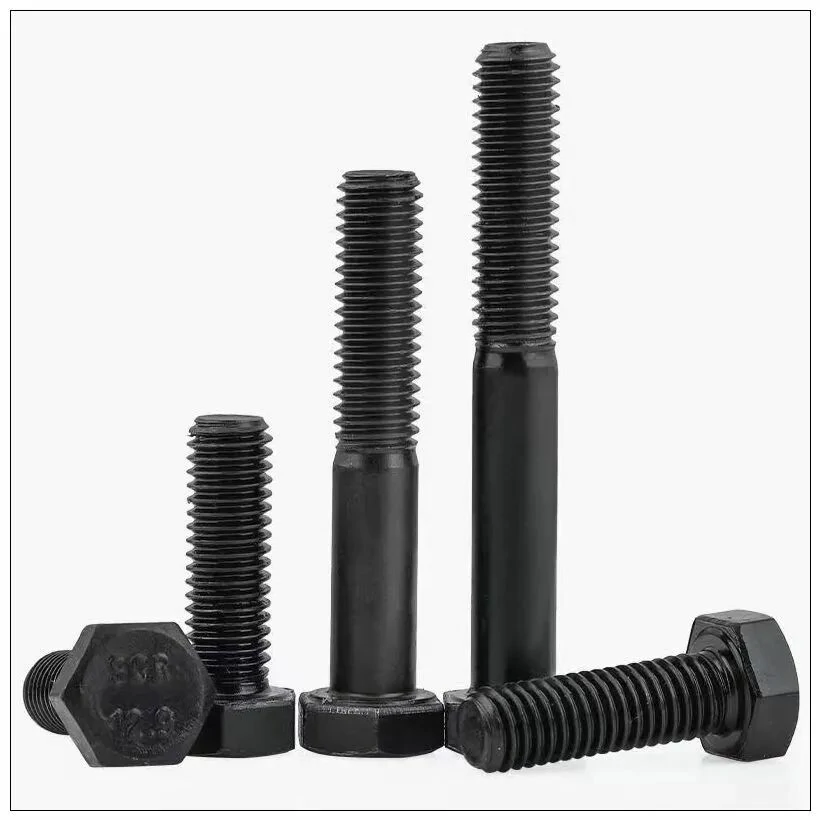
Are High-Tensile and Stainless Steel Bolts the Key to Safer, More Reliable Industrial Projects?
Could High Tensile Steel and High Tensile Strength Bolts Solve Your Heavy-Duty Fastening Needs?
For fasteners and fixings, High-Tensile and Stainless Steel Fasteners deliver proven strength and reliability. In construction, automotive, and heavy machinery, high tensile bolts such as grade 8.8 and 12.9 handle extreme stress without bending or failure. Manufacturers use alloy steel and heat treatment to boost durability and performance. These hard steel fasteners keep equipment safe, reduce downtime, cut maintenance costs, and meet ISO and DIN standards—making them a smart, dependable choice for engineers and procurement teams.
What Makes High Tensile Stainless Steel Bolt Grades Essential for Critical Applications?
High tensile stainless steel bolts—like 18-8, 304, 316, and 12.9 class—combine strength and corrosion resistance, making them ideal for tough environments. Unlike regular carbon steel fasteners, they hold up under moisture, chemicals, and heat. Industries from chemical manufacturing to offshore energy rely on these bolts to prevent rust, failure, and costly downtime.
– 18-8: Contains 18% chrome and 8% nickel, part of the 300 series (303 and 304). Excellent corrosion resistance for freshwater applications, but not for saltwater.
– 316: Built for harsh or marine conditions, 316 bolts outperform 18-8 in corrosion resistance. Perfect for boats, docks, and piers.
– 305: Developed for better cold heading than 18-8, 305 is otherwise similar to 304. A reliable choice for general industrial use.
– 410: Harder than 18-8 and durable in most environments, but less resistant to corrosion. Ideal where strength matters more than rust prevention.
How Are Bolts Defined and Represented in Industrial Fastening?
Bolts are classified by material, grade, and tensile strength. High-Tensile and Stainless Steel Fasteners, like grade 8.8 or 12.9 bolts, are heat-treated and hardened for maximum performance. Head markings such as gr 8.8 or tbf 8.8 show material and yield ratio, helping engineers select the right fastener for high-stress, vibration-prone, or load-bearing industrial applications.
The definition of the bolt:
(1). Ordinary bolts: These are standard fasteners made from low-carbon steel. Their hardness and strength are limited, so tensile strength and torsion resistance are relatively low. They work for general applications but aren’t ideal where heavy loads, vibration, or high stress are involved.
(2). High-strength bolts: These bolts are made from better-quality materials like low-carbon alloy or medium-carbon steel and are heat-treated (quenched and tempered) for maximum strength. High tensile bolts, such as grade 8.8 or 12.9, can handle heavy-duty industrial, automotive, and machinery applications, providing reliability and reducing the risk of failure.
Classification of bolts:
Bolts are categorized by material, grade, and treatment. Performance grades include 4.6, 4.8, 5.6, 6.8, 8.8, 9.8, 10.9, 12.9, etc. Bolts grade 8.8 and above are typically alloy or medium-carbon steel and heat-treated, qualifying as high-strength bolts. Lower grades are considered ordinary bolts suitable for less demanding uses.
Bolts indicate the meaning of the symbol:
Bolt markings show the nominal tensile strength and yield ratio.
A. Example: Grade 4.6 bolt:
(1). Nominal tensile strength = 400 MPa
(2). Yield strength ratio = 0.6
(3). Nominal yield strength = 400 × 0.6 = 240 MPa
B. Example: Grade 10.9 high-strength bolt:
(1). Nominal tensile strength = 1000 MPa
(2). Yield strength ratio = 0.9
Understanding what these numbers mean helps engineers and procurement teams select the right fasteners for high-stress, load-bearing applications, ensuring safety, reliability, and compliance with industry standards.
What Are the Properties of High Strength Bolts That Make Them Reliable?
1.High-Tensile and Stainless Steel Fasteners deliver extreme performance. Made from alloy or carbon steel and heat-treated, they provide 800–1200 MPa tensile strength, high hardness, and fatigue resistance. These bolts withstand heavy machinery, vibration, and harsh conditions, boosting reliability, reducing downtime, and keeping manufacturing, construction, and transportation operations running smoothly.
2.Ordinary bolts handle simple tensile connections and offer limited stiffness. They don’t require pre-tensioning, transferring load directly through bolt-to-plate contact.
3.Engineers design high-strength bolt connections for maximum strength and stiffness.They include friction-type and preloaded (pressurized) connections. For example, an M24, 10.9 grade bolt can reach a pre-tension of 225 kN—almost 22 tons—pressing plates tightly together. This friction makes the connection nearly rigid and transfers force efficiently through the plates rather than the bolts themselves.
4.Friction-type high-strength bolts are ideal for beam-column rigid connections and bolted-welded hybrid structures, offering the same strength and stiffness as welding but with easier installation and maintenance. Choosing the right high-strength bolts protects your projects from structural failure, reduces maintenance costs, and ensures long-term performance.
Which Types of High-Tensile Fasteners Are Best Suited for Your Applications?
High-Tensile and Stainless Steel Fasteners are vital for construction, automotive, and energy industries that demand strength and reliability. Made from alloy steel and heat-treated, they withstand heavy loads, vibration, and stress. Common types include hex bolts (8.8, 10.9) for machinery and bridges, threaded rods (12.9) for anchors, and stud bolts for pipelines, while blind and anchor fasteners secure hard-to-reach or high-load areas. Choosing the right fasteners ensures safety, reduces maintenance, and keeps critical structures and machinery operating reliably.
Hex Bolts
Hex Screws
Socket bolts, similar to hex bolts but with tighter fits, are ideal for applications requiring precision and torque control.
Threaded Rods
Threaded rods offer full-length customization for secure fastening in construction, plumbing, and industrial projects. Ideal for anchor systems, concrete foundations, and large assemblies, they ensure reliable connections, durability, and flexibility, making them a go-to solution for engineers and contractors handling heavy-duty infrastructure and machinery.
Stud Bolts
Stud bolts are short, threaded rods built for flanged pipelines, high-pressure systems, and chemical processing. Common in petrochemical, power, and heavy equipment industries, they deliver secure, reliable connections, ensuring safety, durability, and consistent performance in critical machinery and infrastructure.
Anchor Fasteners
Blind Fasteners
Blind fasteners are installed from one side, making them perfect for hard-to-reach areas where traditional bolts won’t fit. Widely used in aircraft, shipbuilding, and automotive assembly, they provide reliable, secure fastening in tight spaces, ensuring safety, durability, and consistent performance.
What Are the Key Features of High-Tensile Fasteners That Ensure Performance?
Exceptional Tensile Strength
High-tensile bolts, such as grades 8.8 and 12.9, are engineered to withstand extreme loads, vibrations, and impacts without deforming. Ideal for heavy machinery, construction, and industrial applications, they ensure reliable performance, durability, and safety under demanding conditions.
Material Composition
High-tensile bolts are made from carbon steel for cost-effective general use, stainless steel for corrosion resistance in marine or outdoor projects, and special alloys for extreme conditions like high temperatures or chemical exposure. They ensure durability, reliability, and long-term performance in demanding applications.
Advanced Coatings
Coatings like zinc plating, PTFE, and galvanization enhance bolt tensile strength while protecting against rust, wear, and friction. These treatments extend fastener lifespan, ensuring reliable performance and durability in construction, machinery, and industrial applications.
Global Standards Compliance
High-tensile fasteners are manufactured to ISO, DIN, and ASME standards, guaranteeing reliable performance, global compatibility, and consistent quality. Trusted across industries and regions, these bolts and fasteners ensure safety, durability, and efficiency in demanding construction, machinery, and industrial applications.
How Do High-Tensile Bolts Compare with Normal Bolts?
High-tensile bolts outperform standard bolts in strength, durability, and fatigue resistance, making them essential for high-stress, critical applications. Hardened bolts like grades 8.8 and 10.9 offer superior load capacity and longevity, reducing maintenance and improving operational efficiency.
| Feature | High-Tensile Bolts | Normal Bolts |
| Tensile Strength | 800 MPa or higher | Typically below 500 MPa |
| Applications | Critical, high-stress environments | Light-duty applications |
| Material | Alloy steel, stainless steel | Mild steel or standard alloys |
Investing in high-tensile bolts ensures safety, reliability, and efficiency in heavy machinery, construction, and industrial projects.
What Are the Grades of High-Tensile Bolts and Their Uses?
High-tensile bolts are graded to indicate strength and suitability for demanding applications. Choosing the right grade ensures safety, durability, and performance in construction, machinery, and industrial projects.
| Grade | Tensile Strength (MPa) | Yield Strength (MPa) | Typical Use |
| 8.8 | 800 | 640 | Structural steel, machinery |
| 10.9 | 1000 | 900 | Automotive, heavy equipment |
| 12.9 | 1200 | 1080 | Critical industrial machinery, turbines |
Example: Grade 12.9 bolts secure the base of a wind turbine tower, ensuring stability under extreme wind forces and high-stress conditions.
Why Choose High-Tensile Fasteners?
Enhanced Performance
High-tensile fasteners are precision-engineered for high-stress environments, delivering reliable performance where safety and durability matter most. Ideal for construction, heavy machinery, and industrial projects, they reduce the risk of structural failure, ensure long-term stability, and provide peace of mind for engineers and procurement teams handling critical applications.
Customization
High-tensile bolts are available in various materials, sizes, coatings, and grades—such as 8.8 and 12.9—to meet specific project requirements. Perfect for construction, machinery, and industrial applications, they ensure reliable performance, durability, and safety in high-stress environments.
Cost-Effectiveness
High-Tensile and Stainless Steel Fasteners may cost more upfront, but their durability and reliable performance cut replacement and maintenance costs. They provide a cost-efficient solution for construction, machinery, and industrial projects, ensuring safety, long-term performance, and consistent operation.
Global Compatibility
High-tensile fasteners are manufactured to ISO, DIN, and ASME standards, ensuring global compliance and seamless integration into projects across Europe, North America, and Asia. Trusted for industrial, construction, and machinery applications, they guarantee reliable performance, safety, and consistency worldwide.
How Are High-Tensile Fasteners Applied Across Different Industries?
السيارات
Hard steel bolts are essential for assembling critical components like engines, suspensions, chassis, and transmissions, ensuring reliable performance, durability, and safety in automotive and heavy machinery applications.
Wind Energy
12.9 class bolts securely fasten turbine blades and tower bases, withstanding extreme wind forces and ensuring long-term stability, safety, and reliable performance in wind energy and industrial applications.
النفط والغاز
Hardened steel bolts are essential for pipelines and offshore rigs, providing reliable strength to withstand high pressure, corrosion, and harsh environments, ensuring safety, durability, and consistent performance in critical industrial applications.
Construction
High-tensile bolts are crucial for bridges, skyscrapers, and heavy infrastructure, ensuring structural integrity, safety, and long-term durability in demanding construction and industrial projects.
What Are the Differences Between High Tensile and Stainless Steel Bolts?
Choosing the right bolts directly affects safety, durability, and performance in heavy machinery. High-tensile and stainless steel bolts are the most common industrial options, each built for demanding conditions. Understanding their differences helps ensure long-term reliability.
High-tensile bolts, such as grades 8.8 and 12.9, provide exceptional strength. They withstand heavy loads, vibration, and stress, making them ideal for machinery, construction, and industrial equipment while reducing maintenance and downtime.
Stainless steel bolts prioritize corrosion resistance. They perform reliably in marine, outdoor, and chemical environments, protecting equipment from rust and extending service life.
Selecting the correct bolt—strength-focused or corrosion-resistant—ensures safe, efficient, and long-lasting performance in industrial and construction applications.
What Are High Tensile Bolts and Their Advantages?
High-tensile bolts use high-tensile or medium-carbon alloy steel and go through quenching and tempering to deliver superior hardness and strength. This treatment gives them higher bolt tensile strength and better resistance to stress than standard grade 8 bolts, making them reliable for demanding industrial applications.
These bolts improve safety, reduce maintenance, and perform consistently in heavy machinery, construction, and manufacturing. Their durability and corrosion resistance also make them a strong choice for outdoor structures such as bridges and shipbuilding projects.
High-tensile bolts deliver exceptional durability, but installers must use proper tools to achieve correct tightening. Using these bolts protects structural integrity, reduces downtime, and improves long-term operating efficiency. For engineers and procurement teams, high-tensile fasteners offer a cost-effective solution that prioritizes safety, reliability, and performance in high-stress applications.
What Are Stainless Steel Bolts and Their Advantages?
Stainless steel bolts resist corrosion and oxidation, making them ideal for marine, chemical, and outdoor industrial use. Alloyed with chromium and nickel, they outperform carbon steel in rust and wear resistance, ensuring long-term reliability in harsh environments.
Grades 304 and 316 handle chemical and marine exposure, while grade 410 delivers higher hardness for high-friction applications such as engines and pumps. Although stainless steel bolts cost more upfront, their durability and low maintenance reduce total ownership costs. Selecting the right grade ensures safety, longevity, and consistent performance in demanding industrial projects.
How Do High Tensile and Stainless Steel Bolts Compare?
High-tensile steel bolts and stainless steel bolts are two essential options for industrial fastening, each serving specific needs. High-tensile bolts excel in mechanical strength, making them ideal for applications where maximum load-bearing capacity is critical, such as power plants, chemical factories, and roadways. They maintain structural integrity under extreme stress, reducing maintenance and downtime.
Stainless steel bolts, on the other hand, prioritize durability in harsh or outdoor conditions. Resistant to corrosion and weathering, they are perfect for environments exposed to moisture, chemicals, or coastal climates. Grades like 304 suit mild conditions, 316 handles extreme coastal exposure, and 410 performs well in high-chloride areas such as food processing plants.
Choosing the right material ensures both high tensile bolt strength and reliable corrosion resistance. Proper selection of grade, size, and material guarantees safety, longevity, and optimal performance for industrial projects, helping engineers and procurement teams make cost-effective, durable, and dependable fastening decisions.
What Is the High Tensile Strength of Steel Bolts?
High-tensile bolts, including grade 8.8 and 12.9, are engineered to deliver tensile strengths ranging from 800 MPa to 1200 MPa, making them a reliable choice for heavy machinery, construction, and manufacturing projects. Their exceptional tensile strength allows them to withstand high levels of stress, impact, and vibration without breaking or deforming, ensuring safety and structural integrity in demanding applications.
These bolts are ideal for situations where components are exposed to extreme loads, such as bridge construction, building frameworks, or industrial machinery assembly. By maintaining strength under pressure, high-tensile steel bolts reduce maintenance requirements, minimize downtime, and protect expensive equipment from failure.
Investing in the right high-tensile bolts ensures long-term durability, reliable performance, and compliance with industry safety standards. For engineers, procurement teams, and project managers, choosing these bolts is a cost-effective solution that balances safety, efficiency, and operational reliability in any high-stress industrial or construction environment.
How Resistant Are Stainless Steel Bolts to Corrosion?
Stainless steel bolts deliver exceptional corrosion resistance, making them ideal for environments exposed to moisture, chemicals, or corrosive substances. Unlike carbon steel fasteners, they maintain strength and integrity in acidic, marine, and humid conditions, ensuring long-term reliability and lower maintenance needs.
Industries such as food and beverage processing, marine construction, chemical plants, and outdoor infrastructure rely on stainless steel bolts for durability and safety. Their resistance to corrosion and wear extends service life, reduces downtime, and protects valuable equipment from damage.
Available in grades like 304, 316, and 410, stainless steel bolts provide varying balances of hardness and corrosion resistance to match specific project requirements. Investing in high-quality stainless steel fasteners ensures dependable performance, compliance with industry standards, and peace of mind for engineers, project managers, and procurement teams overseeing demanding industrial or commercial applications.
Why Are High-Tensile and Stainless Steel Bolts Critical for Safety and Performance?
Why Choose Welleshaft for High Tensile Bolts and Industrial Fasteners?
Welleshaft specializes in certified high tensile steel bolts, hardened steel bolts, and industrial fasteners, offering tailored solutions for complex engineering and industrial projects. From grade 8.8 bolts to 12.9 class bolts, our high tensile bolt range ensures maximum tensile strength, superior bolt yield strength, and reliable performance in critical applications such as heavy machinery, bridges, chemical plants, and automotive assembly. Our team helps clients understand key factors like 8.8 bolt strength, bolt class, bolt tensile, and bolt heading to choose the right high strength bolts for specific needs. Whether you require carbon steel bolts, stainless steel bolts, or alloy steel bolts, Welleshaft provides industrial-grade fasteners that meet ISO, DIN, and ASME standards. By using high tensile bolts from Welleshaft, companies reduce downtime, improve operational efficiency, and maintain safety and compliance across industrial screw & supply chains. Trust Welleshaft for durable, high-performance fasteners built to withstand extreme loads and harsh environments.
About High Tensile Strength Bolts and Grades FAQ’S
What is a high tensile bolt?
A bolt made from high tensile steel or alloy steel, designed to withstand extreme stress.
Are stainless steel bolts high tensile?
Some stainless steel bolts provide moderate tensile strength but excel in corrosion resistance.
How to identify high tensile bolts?
Look for markings such as 8.8 on a bolt, 12.9 class bolts, or bolt heading stamps indicating bolt grade and tensile strength.
This blog was provided by the Welleshaft Engineering Team. Led by Mr. Xu, our experts specialize in high-tensile steel bolts, stainless steel fasteners, and industrial-grade solutions. Welleshaft helps engineers and procurement teams select reliable bolts for construction, machinery, and heavy-duty applications, ensuring safety, efficiency, and compliance across global projects.

 العربية
  English
  Português do Brasil
  Deutsch (Österreich)
  Deutsch (Schweiz)
  English (UK)
  English (Australia)
  English (New Zealand)
  Deutsch
  Français du Canada
  Français
  Français de Belgique
  Italiano
  English (South Africa)
  Português
  Español
  Español de México
  Español de Perú
  Español de Colombia
  日本語
日本語  Русский
  한국어
한국어  Tiếng Việt
  ไทย
ไทย